
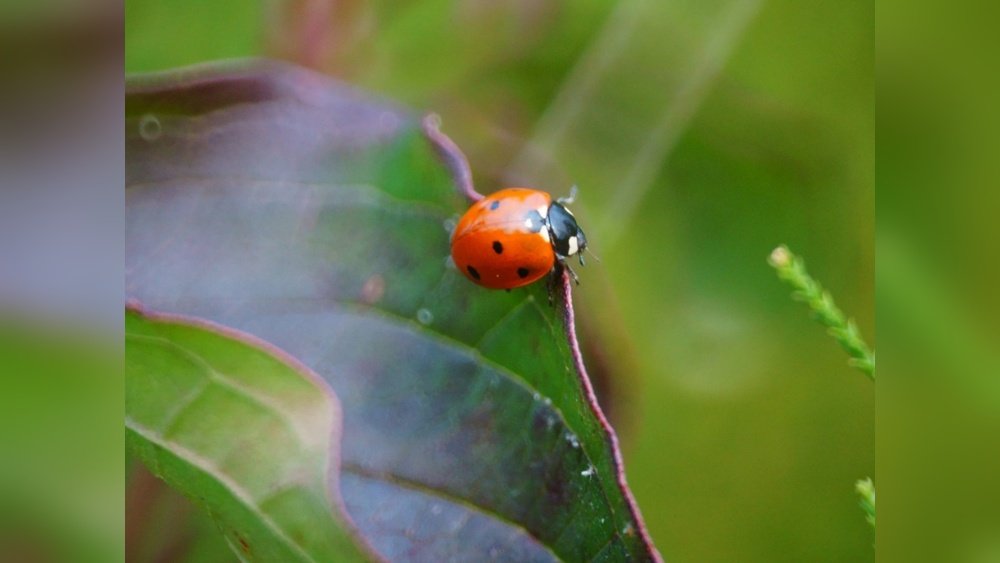
Many gardeners dream of a healthy, vibrant garden full of flowers and vegetables. But pests often ruin this dream, eating leaves and damaging plants. What if you could attract a natural helper to your garden? Ladybugs are one of nature’s best pest controllers. They eat aphids, mites, and other insects that harm plants. Bringing more ladybugs into your garden can make it thrive, reduce the need for chemicals, and help your plants grow strong. But attracting ladybugs is not just about luck—there are smart steps you can take to make your garden their favorite place. In this article, you’ll learn clear, practical tips to attract ladybugs, what they need to stay, and mistakes to avoid. Whether you’re a beginner or an experienced gardener, these ideas can help you welcome more ladybugs and enjoy a healthier garden.
Why Ladybugs Are Valuable For Your Garden
Ladybugs are famous for their bright red color and black spots. But their real value is in what they eat. Ladybugs, especially their larvae, are hungry predators of aphids, scale insects, and mites—pests that cause big problems in gardens. A single ladybug can eat up to 5,000 aphids in its lifetime. This makes them one of the best natural pest controls you can have. Ladybugs do not harm plants or people. Instead, they help restore balance in your garden.
Many gardeners rely on pesticides to control bugs. But chemicals can harm helpful insects and pollinators. Ladybugs work naturally, without chemicals, and they are safe for children and pets. In addition, ladybugs are a sign of a healthy, balanced garden.
Their presence shows your garden has enough food (insects) and a good environment.
Understanding Ladybug Needs
Before you try to attract ladybugs, it’s important to know what they need to survive and stay in your garden.
Food
Ladybugs eat soft-bodied insects like aphids, mealybugs, and spider mites. They also need pollen and nectar, especially during certain stages of their life. If your garden is free of all pests, ladybugs will not stay. So, having a small number of pests is actually good.
Shelter
Ladybugs need places to rest, hide, and lay eggs. Dense plants, ground covers, and leaf litter offer good shelter. Without these, ladybugs may leave for a safer place.
Water
Ladybugs need water, but not in large amounts. Small puddles or moist leaves are enough. If your garden is too dry, ladybugs may not survive.
Warmth
Ladybugs like warm, sunny spots. They are more active in spring and summer, when the weather is mild.
Best Plants To Attract Ladybugs
Choosing the right plants is the easiest way to bring more ladybugs to your garden. Ladybugs are attracted to plants that offer food and shelter.
- Dill: This herb produces flowers that attract ladybugs. The feathery leaves also provide shelter.
- Fennel: Fennel’s umbrella-shaped flowers are rich in nectar and pollen.
- Marigold: The bright flowers attract ladybugs and also repel harmful bugs.
- Yarrow: Its clusters of tiny flowers are a favorite for ladybugs and other beneficial insects.
- Cosmos: Cosmos flowers offer pollen and shelter.
- Tansy: Tansy is known to attract ladybugs and deter ants.
- Parsley: Ladybugs like parsley’s dense leaves for shelter and its flowers for food.
- Angelica: The large flower heads attract ladybugs and other pollinators.
- Calendula: Calendula flowers are rich in nectar and provide hiding spots.
- Alyssum: The small flowers attract ladybugs and are easy to grow along borders.
Planting a mix of these flowers and herbs can create an inviting environment for ladybugs. Try to choose plants that bloom at different times, so your garden offers food throughout the growing season.
Creating A Ladybug-friendly Garden
Simply planting the right flowers is not enough. The way you design your garden matters too.
Provide Shelter And Resting Places
Ladybugs need places to hide from wind, rain, and predators. Use these ideas to add shelter:
- Grow dense, bushy plants
- Leave some leaf litter or mulch on the soil
- Use ground covers like clover or creeping thyme
- Place small rocks or logs in shady areas
These shelters make ladybugs feel safe and encourage them to stay.
Offer Water
Ladybugs drink water from dew or moist leaves. During dry periods, add shallow dishes of water or spray the plants lightly. Avoid deep containers, as ladybugs can drown.
Avoid Pesticides
Chemical sprays kill pests, but they also harm ladybugs and other helpful insects. If you must use pesticides, choose organic methods and spray only when necessary. Ladybugs are sensitive to chemicals, and even small amounts can drive them away.
Grow Plants In Clusters
Ladybugs move from plant to plant looking for food and shelter. Grouping plants together helps ladybugs find what they need easily. Mixed borders with herbs, flowers, and vegetables are best.
Let Some Pests Remain
It may feel strange, but don’t aim for a pest-free garden. Ladybugs need aphids and other insects to survive. If you remove all pests, ladybugs will leave.
Use Companion Planting
Companion planting means growing certain plants together to attract ladybugs and keep pests away. For example, plant marigolds near tomatoes or dill near cucumbers. This makes your garden more attractive to ladybugs and improves plant health.
Buying And Releasing Ladybugs: Does It Work?
Many garden stores sell live ladybugs for release. But does this method really help?
Pros
- You get a quick boost in ladybug numbers.
- Good for gardens with very few ladybugs or serious pest problems.
Cons
- Most released ladybugs fly away within hours.
- Ladybugs from stores may not be native to your area.
- Store-bought ladybugs can carry diseases.
- The cost can be high, and results are often disappointing.
If you want to release ladybugs, do it at dusk, when they are less likely to fly away. Spray the plants with water before release, and release them near aphid-infested plants. Even with these steps, most will leave unless your garden is already friendly to ladybugs.
Common Mistakes When Attracting Ladybugs
Many gardeners try to attract ladybugs but make errors that scare them away.
- Using pesticides: Even organic sprays can harm ladybugs.
- Cleaning too much: Removing all leaf litter and mulch leaves ladybugs exposed.
- Planting only one type of flower: Ladybugs need a variety of plants for food and shelter.
- Overwatering or underwatering: Both extremes make the garden less welcoming.
- Releasing ladybugs without preparation: Ladybugs will leave if there is no food or shelter.
Avoiding these mistakes will make your garden a better place for ladybugs.
Data Table: Plants That Attract Ladybugs
Here’s a comparison of popular plants that help attract ladybugs, showing bloom time, nectar value, and shelter quality.
| Plant | Bloom Time | Nectar Value | Shelter Quality |
|---|---|---|---|
| Dill | Late spring–early summer | High | Good |
| Fennel | Summer | High | Moderate |
| Marigold | Spring–fall | Medium | Low |
| Yarrow | Summer | High | Good |
| Cosmos | Summer–fall | Medium | Moderate |
| Alyssum | Spring–fall | High | Good |
Ladybug Life Cycle And Behavior
Understanding how ladybugs live and behave can help you attract them.
Egg Stage
Ladybugs lay eggs in groups, often on leaves near aphid colonies. Eggs are yellow and oval-shaped.
Larva Stage
Larvae look like tiny alligators and eat many aphids. This stage lasts about 2–3 weeks.
Pupa Stage
Larvae attach to leaves and form pupae, where they change into adults. This stage is quiet, lasting about 1 week.
Adult Ladybug
Adults live for up to a year. They eat pests, mate, and lay eggs. Most active in warm months.
Ladybugs often gather in groups during winter, hiding under bark or in leaf piles. If you leave some natural debris, ladybugs may overwinter in your garden.
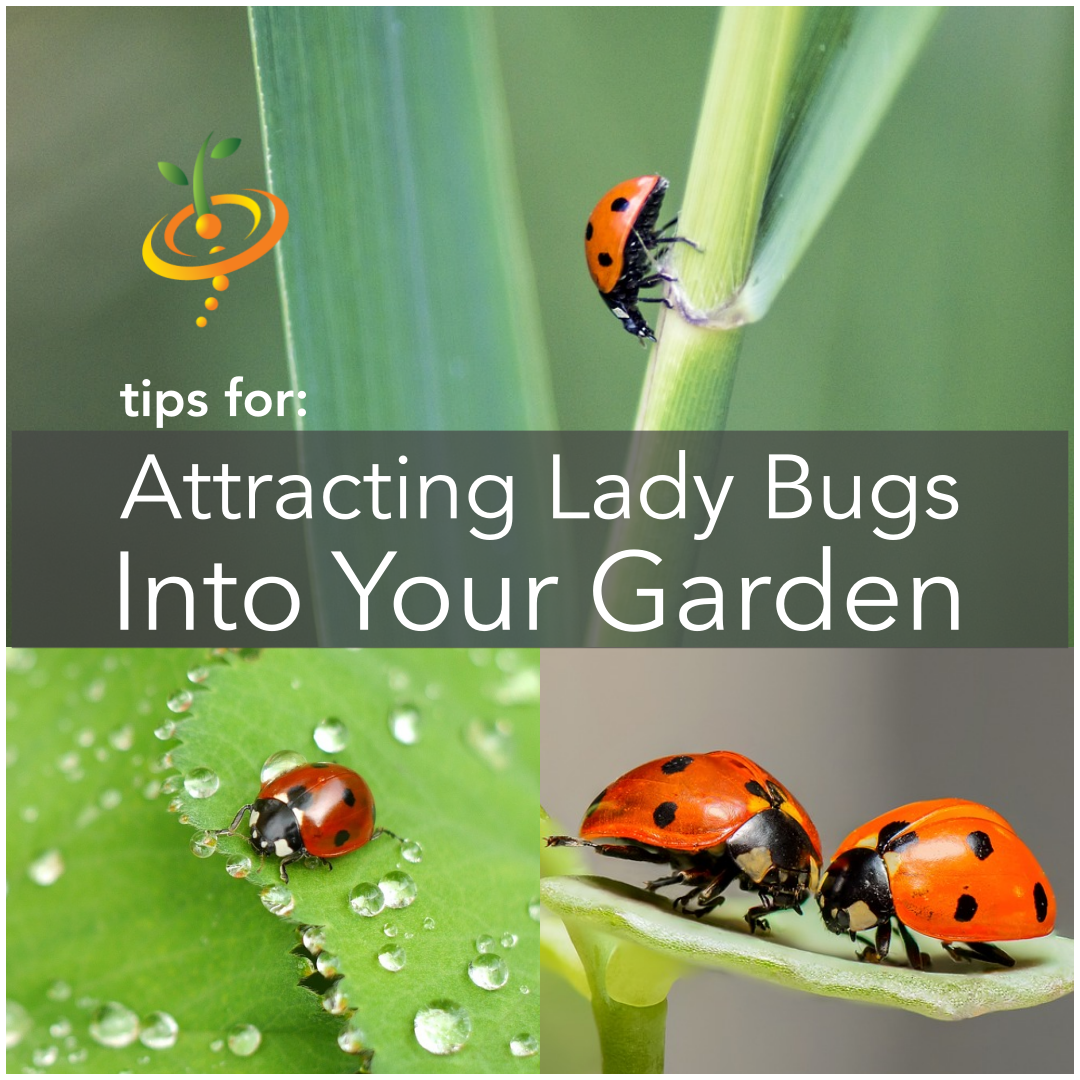
Credit: www.seedsnow.com
Encouraging Ladybugs To Stay
Attracting ladybugs is only the first step. Keeping them in your garden is the real challenge.
Keep A Steady Food Supply
Don’t aim for a pest-free garden. If there are no aphids, ladybugs will leave. Check your plants weekly. If you see aphids, leave some for ladybugs.
Grow Plants Year-round
Plant flowers and herbs that bloom at different times. This gives ladybugs food and shelter through the seasons.
Provide Winter Shelter
In cold months, ladybugs look for safe places to hibernate. Leave some leaf piles, mulch, or small logs. Avoid cleaning too much in fall.
Avoid Disturbing Their Habitat
Once ladybugs settle, avoid moving plants or destroying their shelters. If you see groups of ladybugs, leave them alone—they may be hibernating or laying eggs.
Table: Ladybug Vs. Other Beneficial Insects
Some insects help gardens in similar ways. Here’s a comparison of ladybugs and other common beneficial insects.
| Insect | Main Target Pest | Effectiveness | Ease of Attraction |
|---|---|---|---|
| Ladybug | Aphids, mites | Very high | Moderate |
| Lacewing | Aphids, caterpillars | High | Moderate |
| Hoverfly | Aphids | Medium | High |
| Praying mantis | Many pests | Medium | Low |
| Spider | Various insects | Medium | High |
Ladybugs are especially good for aphids and small pests, while lacewings and hoverflies also help.
Organic Pest Control Methods That Support Ladybugs
If you need to control pests but want to protect ladybugs, use these organic methods:
- Hand-picking: Remove pests by hand. Ladybugs are not harmed.
- Insecticidal soap: Use only on infested plants. Avoid spraying where ladybugs are present.
- Neem oil: Use sparingly. It’s less harmful than chemical sprays but can affect ladybug larvae.
- Row covers: Protect young plants from pests without harming ladybugs.
These methods help control pests without driving ladybugs away.
Ladybug Species In The Us
There are over 400 species of ladybugs in the United States. Some are more common than others.
- Seven-spotted ladybug: Most common; bright red with seven black spots.
- Convergent ladybug: Orange-red with white markings near the head.
- Two-spotted ladybug: Smaller; red with two black spots.
- Asian lady beetle: Sometimes considered a pest indoors; helpful outside.
Not all ladybugs look the same. Some are yellow, orange, or even black. Most are helpful, but the Asian lady beetle can invade homes in winter.
Table: Ladybug Species And Their Characteristics
Here’s a quick comparison of common ladybug species in the US.
| Species | Color | Number of Spots | Best for Gardens? |
|---|---|---|---|
| Seven-spotted | Red | 7 | Yes |
| Convergent | Orange-red | 13 | Yes |
| Two-spotted | Red | 2 | Yes |
| Asian lady beetle | Orange | Varies | Yes (outdoors) |
Non-obvious Insights For Attracting Ladybugs
Most gardeners know about planting flowers and avoiding pesticides. But there are lesser-known tips that can make a big difference:
- Ladybug larvae need more shelter than adults. Adults can fly away from danger, but larvae crawl and hide under leaves or mulch. Provide extra ground cover during spring and summer.
- Ladybugs follow scent trails. Ladybugs are attracted to certain plant scents, like dill and yarrow. Growing these plants together can create a stronger scent trail, pulling more ladybugs into your garden.
- Use a mix of native and non-native plants. While native plants are best, adding a few non-native herbs (like fennel) can increase ladybug numbers.
- Avoid strong-smelling cleaning products. If you wash garden tools or surfaces with strong chemicals, the scent can drive away ladybugs and other insects.
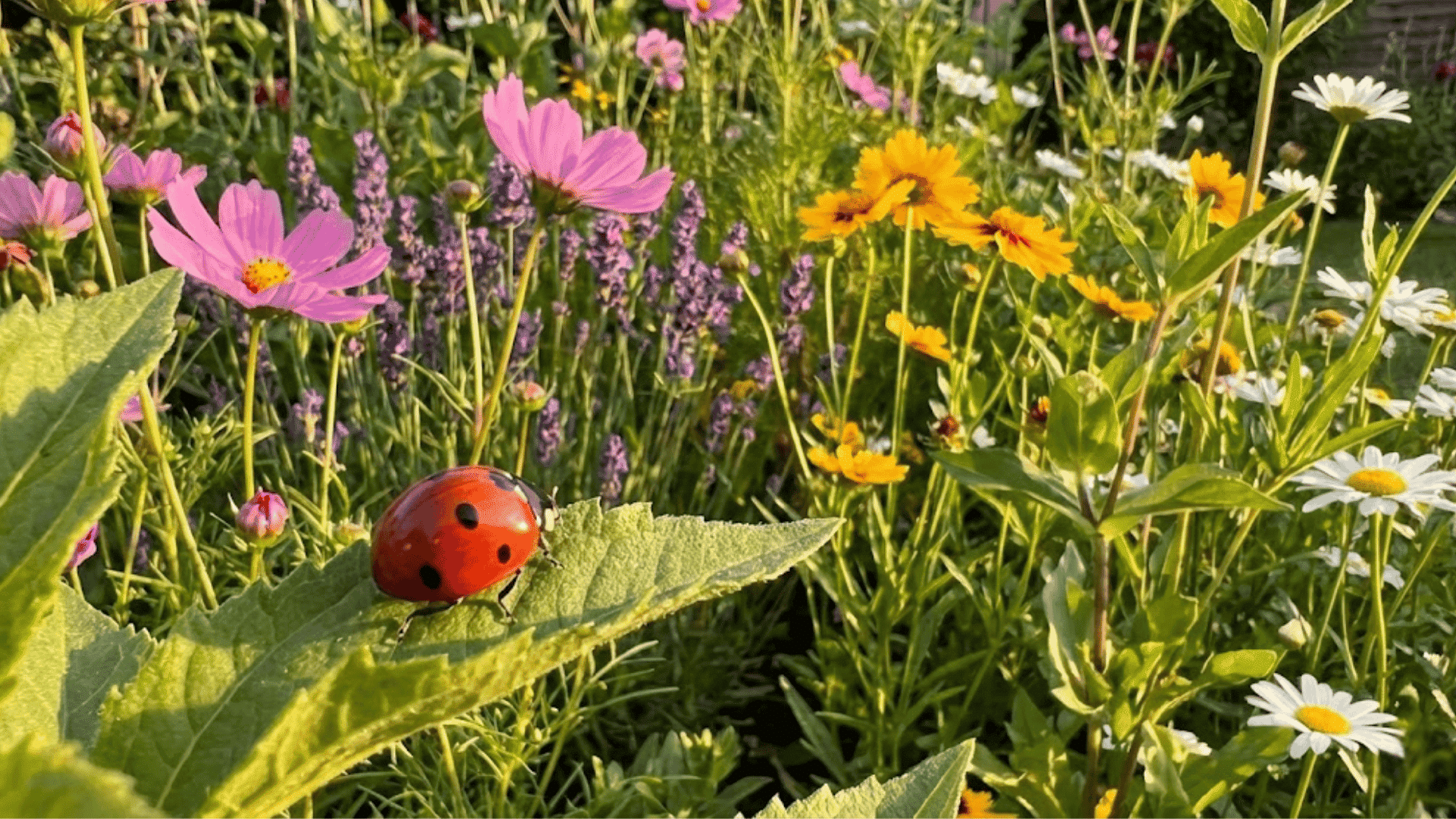
Credit: seedsheets.com
Monitoring Ladybug Success
How do you know if your efforts are working? Track ladybug numbers and pest levels regularly.
- Count ladybugs on your plants every week.
- Check leaves for eggs and larvae.
- Look for fewer aphids and pest damage.
If ladybug numbers grow and pest levels drop, your garden is becoming more balanced.
Ladybugs And Pollination
Ladybugs are not pollinators, but their presence helps pollinators like bees and butterflies. When ladybugs control pests, flowers stay healthy, attracting more pollinators. A garden rich in ladybugs is usually rich in pollinators as well.
Ladybugs And Children
Having ladybugs in your garden is safe for kids. Ladybugs do not bite, sting, or cause allergies. Children can watch ladybugs and learn about nature. Some schools use ladybug releases as science projects.
Attracting Ladybugs In Different Climates
Ladybugs are active in most climates, but success depends on your region.
- Cool climates: Ladybugs are active in late spring and summer. Provide extra mulch for warmth.
- Hot climates: Ladybugs need shade and water. Grow bushy plants and mist leaves regularly.
- Rainy regions: Shelter is key. Use dense plants and ground covers.
Adjust your garden design based on your local climate to keep ladybugs comfortable.
Attracting Ladybugs In Urban Gardens
Even small urban gardens or balconies can attract ladybugs.
- Grow herbs in pots (like dill or parsley).
- Use vertical planters with flowering plants.
- Place shallow dishes of water.
- Avoid pesticides in containers.
Urban gardens often have fewer predators, making them safe for ladybugs.
Supporting Ladybugs With Garden Practices
Your gardening habits play a big role in attracting ladybugs.
- Rotate crops each year to prevent pest build-up.
- Add organic compost to improve soil health.
- Leave some wild areas or corners untouched.
- Avoid harsh garden cleaning in fall and winter.
Healthy soil and diverse plants lead to more ladybugs.
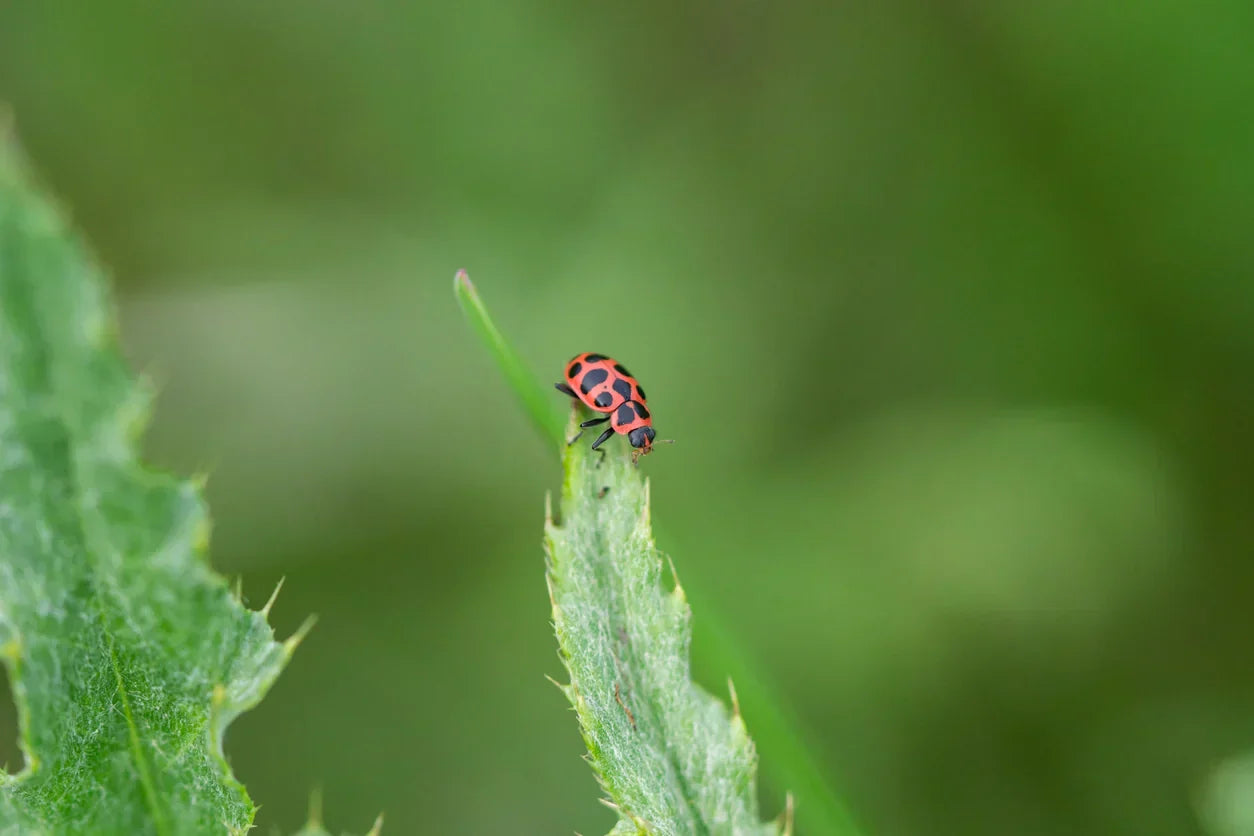
Credit: www.insectlore.com
Where To Find More Information
For more detailed information on ladybugs, their life cycle, and pest control, visit Wikipedia. This site offers scientific data, species lists, and helpful articles for gardeners.
Frequently Asked Questions
How Many Ladybugs Do I Need For A Small Garden?
A small garden (about 100 square feet) needs only 10–20 ladybugs to control aphids. Ladybugs are efficient hunters and multiply quickly if food is available.
Can I Attract Ladybugs Without Planting New Flowers?
Yes, you can attract ladybugs by leaving some leaf litter, avoiding pesticides, and keeping a steady supply of pests. But flowers and herbs make your garden much more attractive.
Will Ladybugs Stay In My Garden All Year?
Ladybugs are most active in warm months. In winter, they hibernate under leaves, mulch, or bark. If you provide shelter, some will stay year-round.
Are All Ladybug Species Good For Gardens?
Most ladybug species are helpful, but the Asian lady beetle can invade homes in winter. Outdoors, all common ladybug species are good for pest control.
Is It Safe To Release Store-bought Ladybugs?
It is safe, but most store-bought ladybugs will leave unless your garden has food and shelter. Native ladybugs are better for long-term pest control.
Gardening with ladybugs is rewarding and simple. By following these tips, you can build a garden that attracts and keeps ladybugs, creating a healthy, beautiful space for plants, pollinators, and people. Ladybugs are not only cute—they are your partners in natural pest control.
With patience and the right steps, you’ll see more ladybugs and fewer pests every season.