
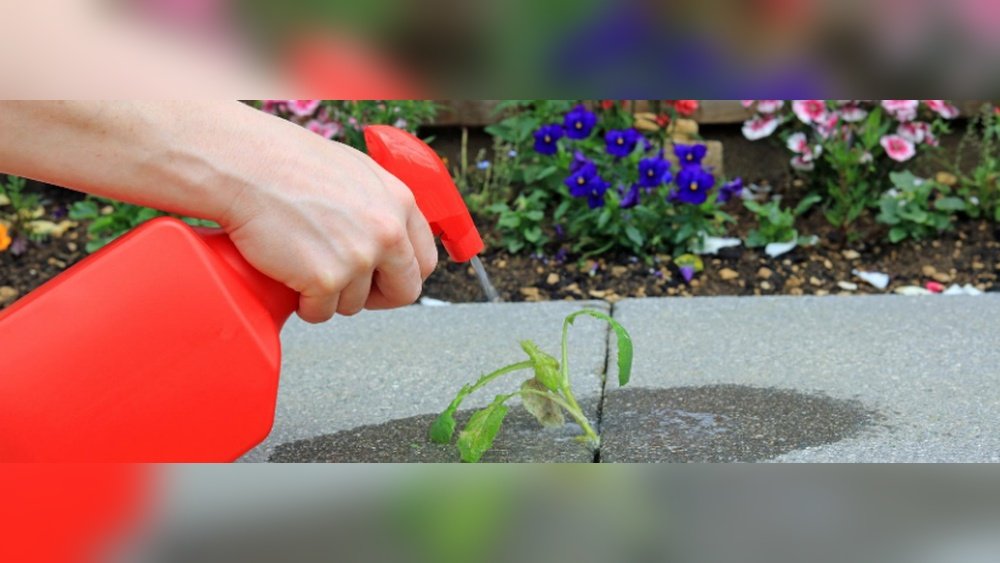
Weeds can quickly take over your garden, choking out the plants you love. But how do you get rid of those pesky invaders without damaging your beautiful flowers and vegetables?
You want a solution that’s safe, effective, and easy to use—something organic that won’t harm your plants or the environment. In this guide, you’ll discover simple, practical tips to apply organic weed killers precisely and confidently. Keep reading to learn how to protect your garden“>protect your garden while saying goodbye to unwanted weeds for good.
:strip_icc()/bhg-natria-ready-to-use-weed-grass-control-alli-waataja-01-6f5667cc4ce24e6ea91569bd9b9d7dd4.jpeg)
Credit: www.bhg.com
Choosing Organic Weed Killers
Choosing the right organic weed killer is key to protecting your plants. Different products suit different garden needs and plant types. Understanding ingredients and effects helps you make safe choices. Protect your plants and the environment by selecting carefully.
Common Organic Ingredients
Many organic weed killers use natural acids like vinegar. These acids burn the weeds’ leaves quickly. Another common ingredient is citric acid from citrus fruits. Corn gluten meal prevents weed seeds from growing. Soap-based herbicides break down weed cell walls. These ingredients target weeds without chemicals.
Selecting Based On Plant Types
Some organic weed killers may harm delicate plants. Choose a product safe for flowers if you have a flower bed. For vegetable gardens, use weed killers labeled safe for edibles. Always test a small area before full application. Avoid spraying on windy days to protect nearby plants.
Environmental Impact
Organic weed killers break down faster than synthetic ones. They reduce soil and water pollution risks. Using safe ingredients supports beneficial insects and soil life. Avoid overusing any weed killer to keep your garden healthy. Choose products with clear environmental safety claims“>environmental safety claims.
Preparing For Application
Preparing to apply organic weed killer is crucial to protect your plants. Careful preparation helps target weeds effectively. It also keeps your garden safe and healthy. Follow these steps before spraying to avoid damage.
Identifying Target Weeds
Start by spotting the weeds you want to remove. Know their shape, size, and leaf type. This helps focus the weed killer on problem areas. Avoid spraying on plants that look similar to weeds. Clear identification saves your plants from harm.
Protecting Desired Plants
Cover nearby flowers and vegetables with cloth or plastic sheets. Use barriers like cardboard to block spray drift. Keep a spray shield handy to control direction. Move pots or delicate plants away if possible. These steps prevent accidental contact with the weed killer.
Checking Weather Conditions
Choose a calm day without strong wind to apply the spray. Wind can carry the weed killer to your plants. Avoid spraying before rain to stop wash-off and runoff. Early morning or late afternoon is best for application. The right weather helps the weed killer work well and stay in place.
Application Techniques
Applying organic weed killer carefully protects your garden plants. Choosing the right technique prevents damage and targets weeds effectively. Precise application saves time and keeps your garden healthy. Follow simple steps to apply weed killer safely and smartly.
Spot Treatment Methods
Spot treatment targets only the weeds you want to remove. Use a small spray bottle or brush for precise application. Avoid spraying around nearby plants to prevent harm. Apply the weed killer directly on weed leaves. Repeat treatment as needed for tough weeds.
Using Protective Barriers
Protective barriers shield your plants from accidental spray. Use cardboard or plastic sheets around plants before spraying. This blocks drift and keeps the weed killer off your flowers. Remove barriers carefully after the spray dries. Barriers help keep your garden safe and clean.
Applying During Calm Weather
Choose a calm day to apply weed killer. Wind can carry spray to your plants and cause damage. Early morning or late evening usually has less wind. Dry weather helps the weed killer stick to weed leaves. Avoid spraying before rain to prevent wash-off.
Credit: www.greengardener.co.uk
Natural Alternatives
Natural alternatives offer safe ways to control weeds without harming your plants. These methods focus on organic and eco-friendly solutions. They protect your garden’s health and the environment. Using natural weed killers requires care and precision. This ensures only weeds are targeted while your plants stay safe.
Boiling Water Use
Pour boiling water directly on the weeds. The hot water kills the weeds quickly. It seeps down to the roots, preventing regrowth. Avoid spilling on nearby plants to keep them safe. This method costs nothing and needs no special tools. Use a kettle or pot to boil water. It works best on small, young weeds.
Homemade Solutions
Mix vinegar with a small amount of dish soap for a natural spray. The vinegar dries out the weeds, and soap helps it stick. Spray the mixture only on weed leaves. Avoid spraying on windy days to protect other plants. This solution is simple to make at home. It is safe for most garden plants when used carefully.
Mechanical Removal
Pull weeds by hand or use a hoe to dig them out. Removing the roots stops weeds from growing back. Do this after watering to loosen the soil. Mechanical removal is chemical-free and very effective. Use gloves to protect your hands. This method works well for larger or deep-rooted weeds. Regular removal keeps your garden tidy and healthy.
Safety Tips
Applying organic weed killer safely protects your plants and garden health. Following safety tips ensures weeds are removed without damage. Careful use keeps beneficial plants strong and thriving.
Proper Handling And Storage
Keep organic weed killer in its original container. Store it in a cool, dry place away from children and pets. Always read and follow the product label instructions. Use gloves to protect your hands during application. Avoid mixing with other chemicals to prevent reactions.
Avoiding Drift And Overuse
Spray on calm days to prevent wind drift onto nearby plants. Target only the weeds, avoiding contact with flowers or vegetables. Use the minimum amount needed to control weeds effectively. Overuse can harm soil and beneficial insects. Apply slowly and carefully for best control.
Rinsing Equipment After Use
Clean sprayers and tools immediately after use. Rinse with water to remove all residues of the weed killer. Proper cleaning prevents damage to future plants and equipment. Dispose of rinse water away from garden beds. Store clean tools safely for the next use.
Post-application Care
After applying organic weed killer, caring for your plants is vital. Proper post-application care helps plants recover and stay healthy. It reduces stress and supports natural growth. Follow these simple steps to protect your garden and keep plants thriving.
Monitoring Plant Health
Check your plants daily after applying weed killer. Look for signs of stress like yellow leaves or wilting. Early detection helps prevent serious damage. Water plants gently to soothe them. Keep an eye on soil moisture and avoid overwatering. Healthy plants recover faster and resist pests better.
Reapplying When Necessary
Some stubborn weeds may need a second treatment. Wait a few days before reapplying organic weed killer. This gives plants time to heal. Only spray weeds directly to avoid harming nearby plants. Use a targeted sprayer or a brush for spot treatment. Avoid using more than the recommended amount to protect your garden.
Encouraging Healthy Growth
Feed your plants with natural fertilizers after weed control. Compost or organic mulch enriches the soil and retains moisture. Prune damaged leaves to help plants focus on new growth. Provide enough sunlight and air circulation for better health. Healthy plants outgrow weeds and maintain a strong garden.
:max_bytes(150000):strip_icc()/weedsillu-ca26e1a9ff9c4bd5b1453c590a93b6c1.jpg)
Credit: www.treehugger.com
Frequently Asked Questions
What Is A Natural Weed Killer That Won’t Hurt My Plants?
A natural weed killer safe for plants is boiling water poured directly on weeds. It kills weeds without harming nearby plants or soil.
What Is The Most Environmentally Friendly Way To Kill Weeds?
Boiling water is the most eco-friendly way to kill weeds. Pour it directly on weeds to destroy roots without chemicals. This method is safe, natural, and cost-effective. Avoid contact with desirable plants to prevent damage. It requires no preparation and leaves no harmful residues.
How To Get Rid Of Weeds Naturally Without Killing Plants?
Pour boiling water carefully on weeds to kill them without harming nearby plants. Use mulch or hand-pull weeds to protect your garden naturally.
Is There Something That Kills Weeds But Not Plants?
Yes, selective herbicides and natural methods like boiling water can kill weeds without harming nearby plants. Apply carefully.
Conclusion
Applying organic weed killer safely takes some care and attention. Always target only the weeds, avoiding your plants. Use tools like shields or spray carefully on calm days. Follow product instructions closely to protect your garden’s health. Regularly check your plants after treatment to catch any issues early.
With these simple steps, you can keep weeds under control and your plants thriving. Clean, green gardening is possible without damage or stress. Your garden will thank you for thoughtful weed care.