
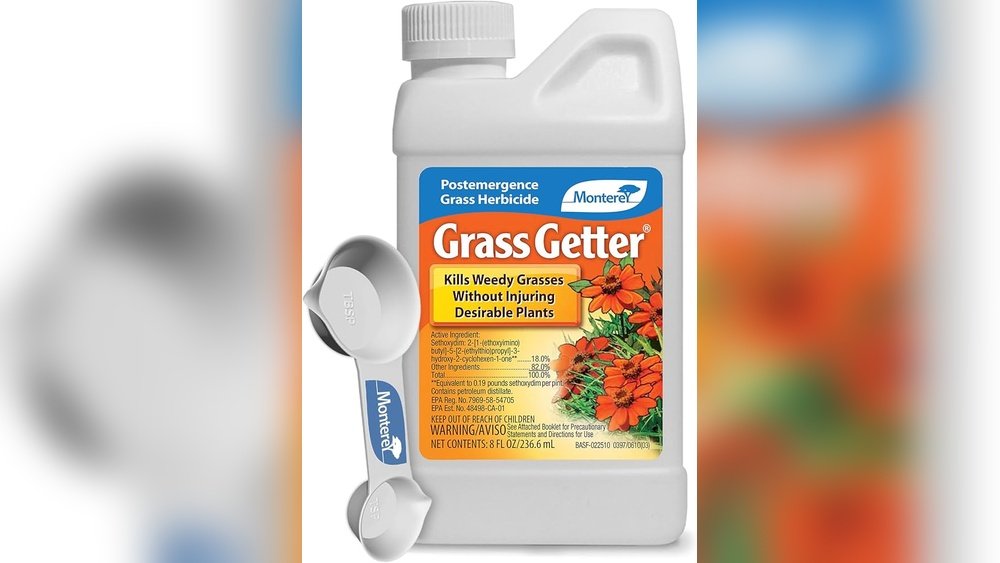
Weeds can ruin the beauty and health of your garden. Many people use post-emergent herbicides to kill weeds after they appear. But using these chemicals wrongly can harm your plants, grass, or flowers. If you want a safe and weed-free garden, you need to apply post-emergent herbicides with care. This guide will show you step-by-step how to use them without damaging your plants. You’ll learn practical tips, common mistakes, and real examples that help you understand the process.
What Are Post-emergent Herbicides?
Post-emergent herbicides are chemicals that target weeds after they’ve sprouted. Unlike pre-emergent herbicides (which prevent seeds from growing), post-emergent types kill existing weeds. They can be selective or non-selective. Selective herbicides kill certain weeds but leave grass or other plants unharmed. Non-selective herbicides destroy all vegetation, so you must use them carefully.
Types Of Post-emergent Herbicides
- Selective: Good for lawns, as they target weeds like dandelions or crabgrass.
- Non-selective: Useful for driveways or paths, but dangerous for gardens.
- Contact: Kill only the part of the plant they touch.
- Systemic: Absorbed by the weed, killing it from the inside.
Each type works differently. For example, a systemic herbicide may take longer but is more effective for stubborn weeds.
How To Choose The Right Herbicide
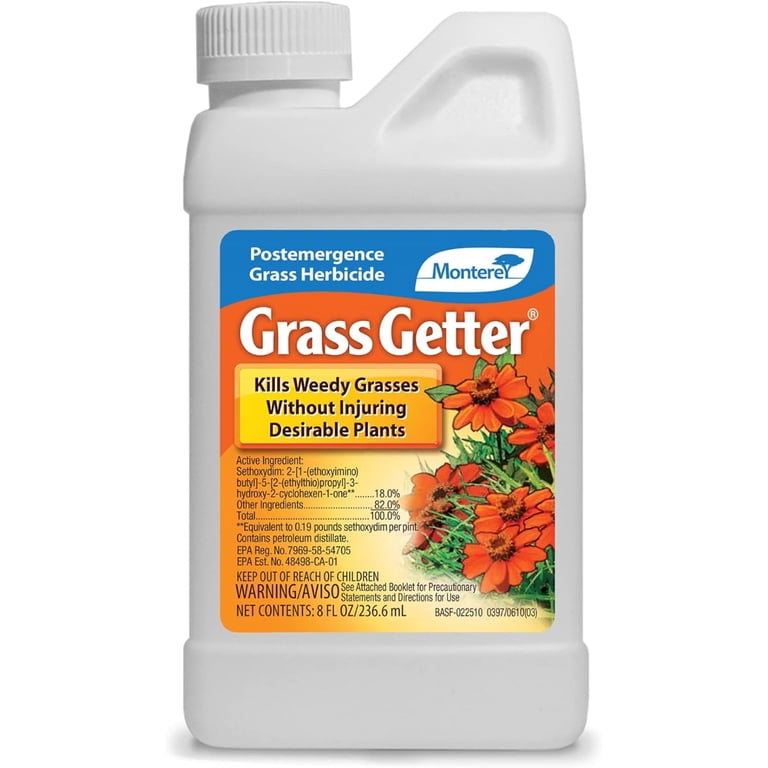
Choosing the correct herbicide is key to protecting your plants. Start by identifying the weeds in your garden. Check their leaf shape, growth pattern, and location. Once you know the weeds, choose a selective herbicide if you have grass or flowers nearby. For example, if you want to remove broadleaf weeds from your lawn, use a product labeled for lawns.
Before buying, read the label for:
- Active ingredients
- Target weeds
- Application instructions
- Safe plant types
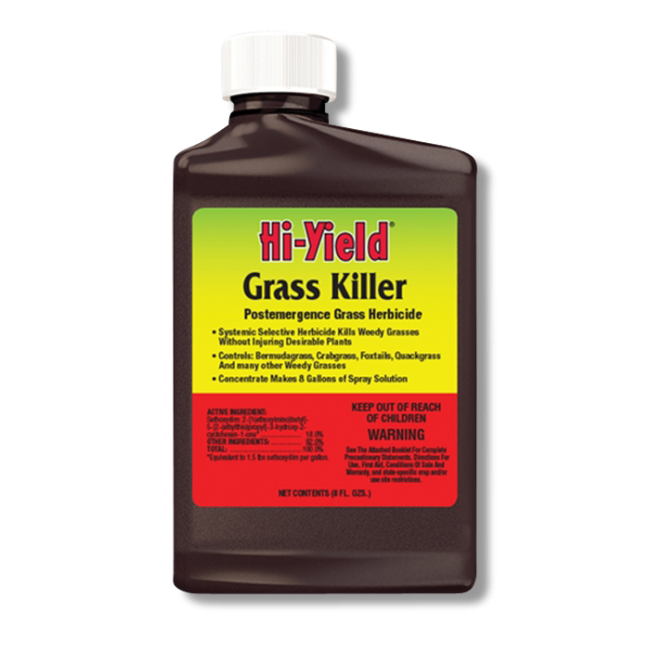
Here’s a comparison of common herbicides:
| Herbicide Type | Best For | Risk to Plants |
|---|---|---|
| Selective | Lawns, flower beds | Low (if used correctly) |
| Non-selective | Paths, driveways | High (kills all plants) |
| Contact | Small weeds | Moderate |
| Systemic | Deep-rooted weeds | Low to moderate |
Credit: www.solutionsstores.com
Preparing Your Garden For Application
Preparation is an important step many gardeners skip. Start by checking the weather. Herbicides work best when it’s dry and calm. Wind can blow spray onto plants you want to keep. Rain can wash chemicals away before they work.
Clear the area of debris and trim excess growth. Cover nearby plants with plastic sheets if you’re using non-selective herbicides. Wear gloves and a mask for safety. Mix the herbicide exactly as the label says. Too much can burn plants; too little won’t kill weeds.
Safe Application Techniques
Applying post-emergent herbicides safely is all about precision. Here’s how to do it:
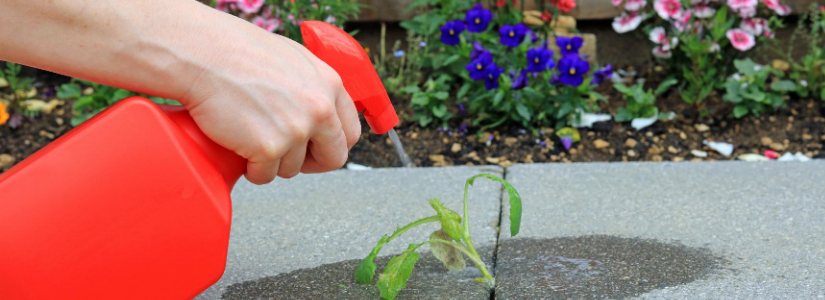
- Use a sprayer with a narrow nozzle. This helps target only weeds.
- Apply in the morning or evening when it’s cool. Heat can cause chemicals to evaporate or drift.
- Avoid spraying on windy days. Even a light breeze can spread herbicide onto good plants.
- Spot treat weeds instead of spraying the whole area. This minimizes risk.
Let’s compare two common application methods:
| Method | Accuracy | Risk to Plants |
|---|---|---|
| Broadcast Spraying | Low | High |
| Spot Treatment | High | Low |
Spot treating is much safer for your garden.
Credit: www.walmart.com
Monitoring After Application
After you apply herbicide, watch your garden closely. Most post-emergent herbicides show effects in 7–14 days. Leaves of weeds may turn yellow or brown. Healthy plants should remain unchanged. If you see damage to your plants, rinse them with water right away.
Check for regrowth. Some weeds need more than one treatment. Wait at least 2–3 weeks between applications. Keep children and pets away from treated areas until the herbicide dries.
Common Mistakes And How To Avoid Them
Many gardeners make mistakes that harm their plants. Here are the most common:
- Wrong product choice: Using non-selective herbicide in flower beds.
- Over-application: Spraying too much can cause plant burn.
- Spraying in windy conditions: Drift can damage good plants.
- Ignoring label instructions: Every herbicide is different.
- Treating wet plants: Herbicide can run off and be less effective.
One mistake people rarely notice is mixing herbicides with fertilizers. This can increase toxicity and harm plants. Another hidden risk is spraying when soil is dry; stressed plants absorb herbicide faster and may get damaged.
Practical Tips For Protecting Plants
Use these expert tips to keep your plants safe:
- Shield plants: Place cardboard or plastic between weeds and good plants.
- Adjust nozzle settings: Fine mist can drift; use a coarse spray.
- Clean equipment after use: Leftover herbicide can harm next year’s crops.
- Test a small area first: If unsure, treat one weed and check results after a week.
Many gardeners skip rinsing their sprayer after use. Even a tiny amount of leftover herbicide can damage your plants next time. Another tip is to keep a log of herbicide use, including the date and product name.
Environmental Impact And Safety
Post-emergent herbicides can impact the environment. Runoff can enter water sources and harm wildlife. Choose eco-friendly products when possible. Store chemicals safely and dispose of empty containers as instructed. If you want more details on environmental safety, see EPA Safe Pest Control.
Credit: bioadvanced.com
Frequently Asked Questions
What’s The Difference Between Post-emergent And Pre-emergent Herbicides?
Post-emergent herbicides kill weeds after they grow. Pre-emergent herbicides stop seeds from sprouting. Both are important in weed control, but their timing and effect are different.
Can I Use Post-emergent Herbicides On My Vegetable Garden?
It’s risky. Most vegetables are sensitive. Only use selective herbicides labeled safe for food crops. Always read the label and avoid drift onto your vegetables.
How Soon Can I Water My Garden After Applying Herbicide?
Wait at least 24 hours after application. Watering too soon can wash away the herbicide before it works.
What Should I Do If I Accidentally Spray A Good Plant?
Rinse the plant with plenty of water right away. Remove damaged leaves if possible. Watch for signs of stress. Sometimes, plants recover if the exposure was minor.
Are Organic Post-emergent Herbicides Safer?
They are usually safer for the environment but still can harm plants if misused. Organic options often use acetic acid or natural oils. Always follow the instructions.
Using post-emergent herbicides doesn’t have to be risky. With careful planning, precise application, and smart choices, you can keep your garden weed-free and healthy. Remember, every garden is unique. Take time to learn about your plants and weeds before you start.
By following these steps, you’ll see better results and protect your garden for years to come.