
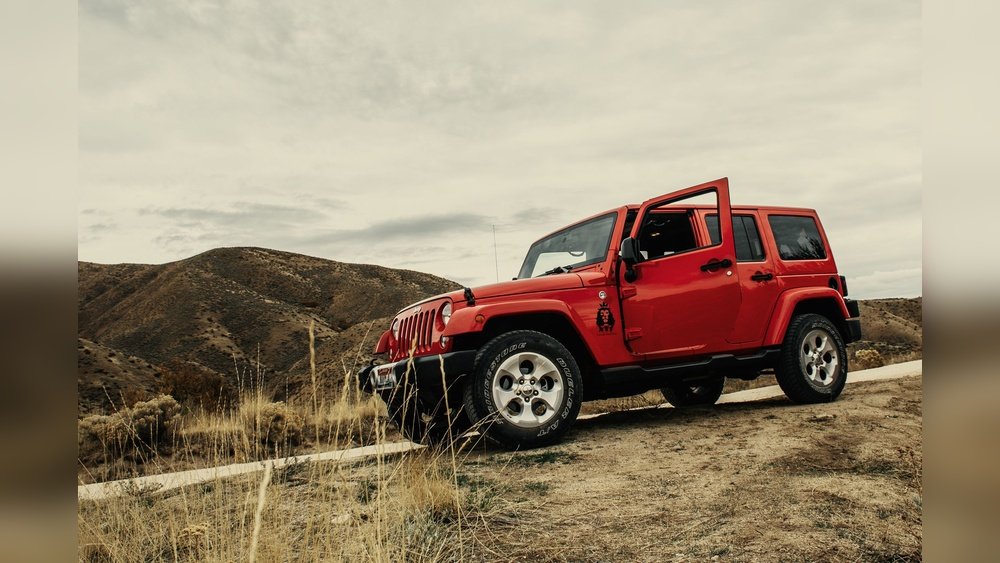
The Jeep Wrangler is one of the most recognizable SUVs in the world. Known for its rugged looks and off-road ability, it has a reputation for being tough and long-lasting. But how long does a Jeep Wrangler engine really last?
If you’re thinking about buying one, or you already own one and want to know how far your engine can go, this guide will help you understand what to expect, how to get the most life from your engine, and what factors can affect its longevity.
What Makes The Jeep Wrangler Engine Unique?
The Jeep Wrangler is not just another SUV. Its engines are built with off-road adventures in mind. Over the years, Jeep has offered a variety of engines in the Wrangler, from the classic straight-six to modern V6 and turbocharged four-cylinder options. Each engine has its own strengths, but all share a focus on durability and simplicity. Many Wranglers have been used in extreme conditions, which means the engines are tested for both normal driving and tough terrains.
The most common Jeep Wrangler engines are:
- 4.0L Inline-6 (used in older models, 1987-2006)
- 3.6L Pentastar V6 (2012-present)
- 2.0L Turbo I4 (2018-present)
- 3.8L V6 (2007-2011)
- Diesel and other special engines (select models)
Each of these engines has a different track record for reliability, but all can last a long time when cared for.
Average Lifespan Of Jeep Wrangler Engines
There’s no single number for how long a Jeep Wrangler engine will last, because it depends on many factors. However, with proper care, most owners report impressive lifespans.
Typical Mileage Expectancy
- 4.0L Inline-6: 250,000–300,000 miles is common, with some engines reaching 400,000+ miles.
- 3.6L Pentastar V6: 200,000–250,000 miles is realistic, with some reports above 300,000 miles.
- 2.0L Turbo I4: Still new, but early data suggests 150,000–200,000+ miles.
- 3.8L V6: 150,000–200,000 miles is expected, with some reaching more with good maintenance.
Many Jeep Wrangler engines last longer than the average car engine. According to a study by iSeeCars, the Jeep Wrangler is among the top 10 vehicles most likely to reach 200,000 miles or more.
What The Data Shows
Here’s a quick comparison of expected lifespans for the main Jeep Wrangler engines:
| Engine | Years Used | Expected Lifespan (Miles) | Notes |
|---|---|---|---|
| 4.0L Inline-6 | 1987–2006 | 250,000–300,000+ | Legendary reliability |
| 3.6L Pentastar V6 | 2012–present | 200,000–250,000+ | Modern, efficient |
| 2.0L Turbo I4 | 2018–present | 150,000–200,000+ | Still being proven |
| 3.8L V6 | 2007–2011 | 150,000–200,000 | Some oil issues |
Factors That Affect Engine Longevity
A Jeep Wrangler’s engine lifespan depends on more than just the engine type. Here are the main factors that affect how long your engine will last:
1. Maintenance Habits
Regular maintenance is the most important factor. Owners who follow the service schedule—changing oil, filters, and fluids on time—see the longest life from their engines. Neglecting oil changes, for example, can lead to early engine failure.
2. Driving Conditions
Engines that see mostly highway driving tend to last longer than those used mainly for short trips or heavy off-road use. City driving involves more stopping and starting, which puts extra stress on the engine.
3. Off-road Usage
Wranglers are made for off-roading, but extreme use can shorten engine life if not balanced with proper maintenance. Dust, water, and mud can get into the engine and cause issues if you don’t clean and service your Jeep afterward.
4. Climate
Engines in very hot or cold climates may wear faster, especially if the Jeep is not warmed up properly or is forced to work hard in extreme temperatures.
5. Modifications
Adding performance parts, bigger tires, or heavy accessories can make your engine work harder. If done incorrectly, these changes can reduce engine life.
6. Quality Of Parts And Repairs
Using cheap oil filters, low-quality oil, or unskilled mechanics can create problems that might not appear right away but will shorten the engine’s life in the long run.
7. Fuel Quality
Consistently using low-quality or contaminated fuel can damage your engine over time. Always use the recommended fuel grade for your Wrangler.
How To Maximize The Life Of Your Jeep Wrangler Engine
With the right care, you can easily pass 200,000 miles—and even reach 300,000 or more. Here’s what you can do to get the most life from your Jeep’s engine:
1. Stick To The Maintenance Schedule
Follow your owner’s manual for oil changes, filter replacements, and other routine services. Most experts recommend oil changes every 5,000 miles or 6 months, whichever comes first. If you do a lot of off-roading or towing, you may need to change oil more often.
2. Use Quality Parts And Fluids
Always use high-quality oil, filters, and fluids that meet or exceed Jeep’s recommendations. The wrong oil can cause sludge or wear, especially in newer engines.
3. Watch For Warning Signs
Don’t ignore the check engine light or unusual engine noises. Catching problems early can prevent major damage.
4. Let The Engine Warm Up
Especially in cold weather, let your engine run for a minute before driving hard. This helps oil circulate and parts reach normal temperature.
5. Keep It Clean
After off-roading, clean the engine bay to remove mud, dirt, and water. This prevents corrosion and keeps sensors working properly.
6. Avoid Overloading
Don’t haul heavy loads or tow more than your Jeep is rated for. Too much stress can overheat the engine and shorten its life.
7. Monitor Fluids
Check your oil, coolant, and transmission fluid regularly. Low or dirty fluids can cause overheating and wear.
8. Fix Leaks Quickly
Small oil or coolant leaks can turn into big problems if ignored. Repair them as soon as you notice them.
9. Use The Right Fuel
Use the fuel grade recommended in your manual. Premium fuel is not always better unless your engine requires it.
10. Store Properly
If you leave your Jeep parked for long periods, start it up and let it run every few weeks. This keeps fluids moving and prevents seals from drying out.
Common Problems That Shorten Engine Life
Even tough engines can develop problems. Here are the most common issues that can affect Jeep Wrangler engines:
Oil Leaks
Some Jeep engines, especially the 3.8L V6 and older 4.0L models, are known for small oil leaks as they age. Gaskets and seals wear out, but fixing these leaks early prevents bigger problems.
Overheating
Blocked radiators, broken fans, or low coolant can cause overheating. This is especially risky if you drive off-road or in hot climates.
Sludge Build-up
If you skip oil changes, old oil turns to sludge and blocks oil passages. Sludge can destroy an engine quickly.
Timing Chain Or Belt Failure
Most modern Wrangler engines use timing chains, which last longer than belts. However, if the chain or tensioner fails, it can cause major engine damage.
Sensor Issues
Modern Jeeps have many sensors. Off-road use or water crossings can damage these, leading to poor running or engine warning lights.
Cracked Heads Or Blocks
Rare, but possible in engines that overheat or are pushed too hard. Repairs are expensive, so prevention is key.
Signs Your Wrangler Engine Is Wearing Out
Knowing the signs of engine wear can help you act before a small problem becomes a big repair.
- Loss of power: The engine feels weaker than before.
- Excessive oil consumption: You’re adding oil between changes.
- Blue or white smoke: Burning oil or coolant.
- Knocking noises: Worn bearings or pistons.
- Low oil pressure: Warning light or gauge shows a problem.
- Rough running or misfires: Can mean worn valves or ignition issues.
If you notice these symptoms, have your engine checked by a trusted mechanic.

Credit: www.caranddriver.com
Real-world Examples: High-mileage Jeep Wranglers
Many Jeep owners are proud of their high-mileage Wranglers. There are countless stories online about Jeeps reaching over 200,000 or 300,000 miles with the original engine. For example:
- A 1998 Wrangler with the 4.0L Inline-6 reached 382,000 miles with only routine maintenance.
- A 2012 Wrangler with the 3.6L Pentastar V6 passed 250,000 miles, used daily for commuting and occasional off-roading.
- Several Jeep forums have members showing Wranglers at 400,000+ miles, especially those with older engines.
These stories aren’t just luck. Owners who reach these numbers usually follow strict maintenance and fix issues early. Some even say their engines still run strong but other parts—like the transmission or suspension—wear out first.
Comparing Wrangler Engine Lifespan To Other Suvs
How does the Jeep Wrangler compare to other SUVs in terms of engine longevity? Here’s a look at some popular competitors:
| Vehicle | Engine Lifespan (Miles) | Notes |
|---|---|---|
| Jeep Wrangler | 200,000–300,000+ | Known for durability |
| Toyota 4Runner | 250,000–350,000+ | Excellent reliability |
| Ford Bronco | 150,000–250,000 | Newer models still being tested |
| Chevy Tahoe | 200,000–300,000 | Good with maintenance |
| Land Rover Defender | 150,000–200,000 | Expensive to repair |
The Jeep Wrangler holds its own against the toughest competition. While Toyota SUVs are famous for reliability, the Wrangler’s engine is just as capable of reaching high mileage when maintained properly.
The Role Of Engine Replacement And Rebuilding
Even the toughest engine will eventually wear out. When that happens, Jeep owners have two main options: engine replacement or engine rebuilding.
Engine Replacement
This means removing the old engine and installing a new or used one. Some owners choose a factory-new engine, while others buy a used engine with low miles. Replacing the engine can cost $4,000–$7,000 or more, depending on the engine and labor costs.
Engine Rebuilding
Rebuilding keeps the original engine block but replaces worn parts like pistons, bearings, gaskets, and seals. Rebuilding can cost $2,500–$5,000 and gives your Jeep a second life. Many Jeep engines can be rebuilt more than once, especially the older 4.
0L inline-six.
When To Choose Each Option
- Replacement: If your engine has major damage (like a cracked block), replacement may be the only choice.
- Rebuild: If the engine is worn but the block is good, rebuilding is often cheaper and keeps your Jeep more original.
Cost Of Owning A High-mileage Wrangler
Keeping a Jeep Wrangler on the road for 200,000+ miles is possible, but costs add up over time. Here’s what you might expect:
Regular Maintenance
- Oil changes: $40–$80 each, 2–3 times per year
- Fluid changes (coolant, transmission, etc. ): $100–$300 every 30,000–60,000 miles
- Belts, hoses, spark plugs: $150–$400 as needed
Repairs
- Water pump: $300–$600
- Radiator: $400–$900
- Timing chain: $1,000–$2,000 (rarely needed on most Wranglers)
- Head gasket: $1,200–$2,500
Major Engine Work
- Engine rebuild: $2,500–$5,000
- Engine replacement: $4,000–$7,000
Hidden Costs
As a Wrangler ages, other parts like the transmission, suspension, and body may need attention. Some owners find that after 15–20 years, restoring the Jeep becomes a passion project rather than just maintenance.

Credit: www.darcarschryslerjeepdodgeofmarlowheights.com
Are Newer Wrangler Engines As Durable?
Some Jeep fans worry that newer engines, like the 3.6L Pentastar V6 and 2.0L Turbo I4, may not last as long as the old 4.0L. While it’s true that older engines are simpler and easier to repair, modern engines have advantages:
- Better fuel economy
- Lower emissions
- More power
The 3. 6L Pentastar is used in many Chrysler, Dodge, and Jeep vehicles, and has a good reputation for reliability. Most owners see 200,000+ miles with regular care. The 2. 0L Turbo is newer, so there’s less long-term data, but early signs are positive.
One insight many people miss: modern engines need stricter maintenance than older ones. Missing oil changes or using the wrong oil can cause problems faster than with the old 4.0L engine.
What About Diesel Wrangler Engines?
Since 2020, Jeep offers a 3.0L EcoDiesel V6 in the Wrangler. Diesel engines are known for lasting a long time—often 300,000+ miles—if maintained well. Diesel Wranglers are still new, but early results are promising. They need special care, such as:
- Using the right diesel exhaust fluid (DEF)
- More frequent fuel filter changes
- Watching for issues with turbochargers or emissions systems
Diesel engines often have higher repair costs, but may offer better fuel economy and torque for towing.
How Engine Longevity Affects Jeep Wrangler Value
A long-lasting engine helps Wranglers hold their value. Used Jeep Wranglers often sell for more than other SUVs, even with high mileage. Why?
- Strong reputation for durability
- Easy to repair and find parts
- Large community of Jeep fans
This means that even if your Wrangler has 150,000 or 200,000 miles, it can still be worth thousands of dollars if the engine runs well and has a good service history.
Common Mistakes That Hurt Jeep Wrangler Engine Life
Many owners shorten their engine’s life without realizing it. Here are mistakes to avoid:
- Ignoring small leaks or noises—these often lead to bigger problems.
- Skipping maintenance—delaying oil changes or using cheap parts.
- Overheating the engine—from heavy towing, off-roading, or low coolant.
- Water damage—driving through deep water without proper protection.
- Using the wrong fuel or oil—check your manual before filling up.
By avoiding these mistakes, you can add years to your engine’s life.
How To Check A Used Wrangler’s Engine Life
If you’re buying a used Jeep Wrangler, here are tips to judge the engine’s condition:
- Check for oil leaks or stains under the engine.
- Listen for knocking or ticking sounds on startup.
- Ask for maintenance records—a well-documented history is a good sign.
- Look at the exhaust smoke—blue or white smoke is a red flag.
- Check the oil condition—dirty or gritty oil means poor care.
- Have a mechanic inspect the Jeep before you buy.
Don’t trust a seller who can’t explain how the Jeep was maintained.
The Importance Of Community Knowledge
The Jeep community is one of the most active and helpful in the car world. Owners share tips, repair guides, and success stories on forums and groups. If you own a Wrangler, you can find answers to almost any problem from other Jeep fans. For example, sites like the Jeep Forum have thousands of posts about engine issues and high-mileage stories.
Learning from others’ experiences can help you avoid common problems and get the most from your Wrangler.

Credit: www.turnersvillejeep.com
Frequently Asked Questions
How Many Miles Can A Jeep Wrangler Engine Last?
Most Jeep Wrangler engines last 200,000–300,000 miles with proper care. Some older engines, like the 4.0L inline-six, are known to exceed 400,000 miles. Regular maintenance is the key factor.
Is The Jeep Wrangler Engine Reliable?
Yes, the Jeep Wrangler engine is considered very reliable, especially the 4.0L and 3.6L Pentastar engines. Reliability depends on regular oil changes, using quality parts, and fixing small problems early.
What Is The Most Reliable Jeep Wrangler Engine?
The 4.0L inline-six engine (used 1987–2006) is widely seen as the most reliable. It’s simple, strong, and easy to repair. The modern 3.6L Pentastar is also known for good reliability when maintained properly.
How Do I Know If My Wrangler Engine Is Failing?
Watch for loss of power, excessive oil use, blue or white smoke, knocking noises, low oil pressure, and rough running. If you notice these signs, have your engine checked by a professional.
Can I Rebuild My Jeep Wrangler Engine?
Yes, many Jeep Wrangler engines can be rebuilt. This means replacing worn parts but keeping the main engine block. A rebuild can add many years and thousands of miles to your Jeep’s life.
Jeep Wrangler engines are built to last, but how far yours goes depends on how well you care for it. With smart maintenance and a little luck, your Wrangler could be on the road for decades—and hundreds of thousands of miles.
Whether you’re off-roading or just enjoying the open road, the Jeep community is always ready to help you keep your engine running strong.