
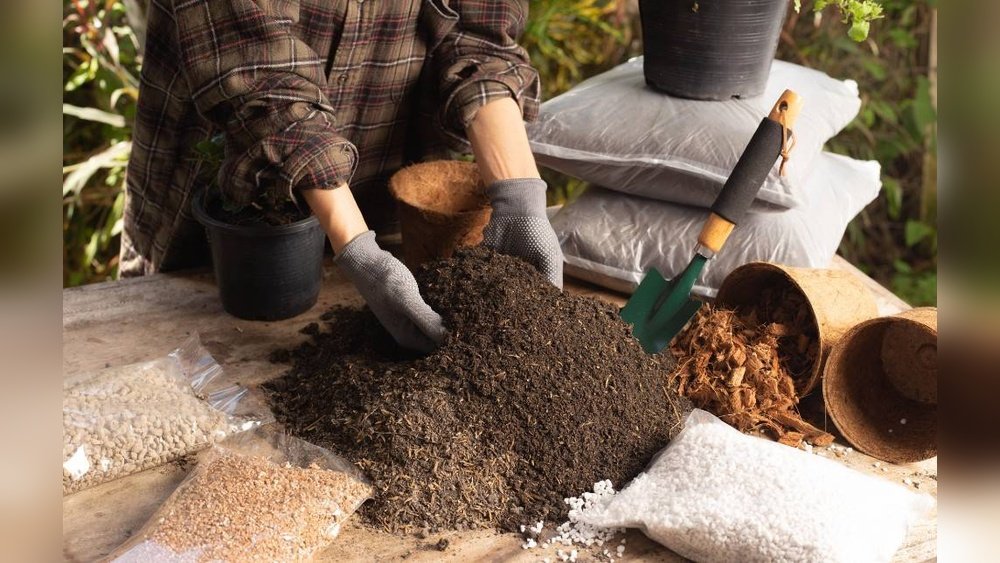
If you love the idea of growing your own fresh herbs, flowers, or veggies but have limited space, container gardening is perfect for you. However, to make your gardening experience enjoyable and successful, you need the right tools.
Choosing the best tools for container gardening might seem overwhelming with so many options out there, but it doesn’t have to be. Imagine having tools that fit perfectly in your hands, make planting easier, and help your plants thrive. You’ll discover exactly which tools you need and how to pick them wisely, so your container garden flourishes without extra hassle.
Ready to transform your gardening routine? Let’s dive in!
Credit: forum.keyboardmaestro.com
Essential Tools For Container Gardening
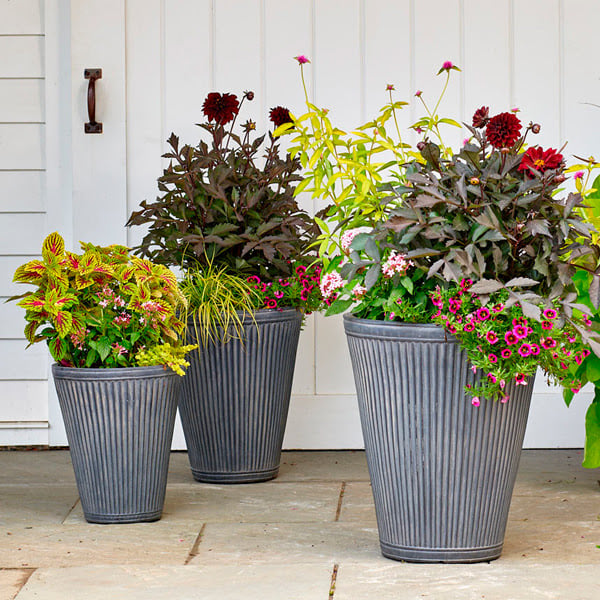
Choosing the right containers and accessories is key to successful container gardening. The container size affects plant growth and health. Accessories improve drainage and help move heavy pots easily. Selecting these tools carefully makes gardening easier and more enjoyable.
Selecting The Right Container Size
Choose a container size that fits the plant’s root system. Small pots dry out quickly and limit growth. Larger containers hold more soil and moisture. Make sure the pot is deep enough for roots to spread. A well-sized container helps plants grow strong and healthy.
Pot Feet And Risers For Drainage
Pot feet lift containers off the ground. This allows water to drain freely and prevents root rot. Risers also improve air circulation under the pot. Both tools help keep soil healthy and avoid soggy roots. Always use pot feet or risers to improve drainage.
Using Hand Trucks For Mobility
Hand trucks make moving heavy containers simple. They protect your back and save time. Choose a hand truck that fits your container sizes. This tool is especially useful for large or heavy pots. Mobility helps you adjust plants for sunlight and weather changes.
Choosing Containers And Accessories
Choosing high-quality tools is key for successful container gardening. Tools made from good materials last longer and work better. Quality tools make gardening easier and more enjoyable. They help you care for plants with less effort and more precision.
Rust-resistant Blades
Blades that resist rust stay sharp longer. Stainless steel is a popular choice for garden tools. It does not corrode even when wet. Rust-free blades cut cleanly without damaging plants. This helps keep your plants healthy and growing strong.
Ergonomic Handles
Handles should fit comfortably in your hand. Ergonomic designs reduce hand strain during use. Look for soft grips that prevent slipping. Good handles improve control and make gardening less tiring. They allow longer work time without discomfort.
Durability And Maintenance
Durable tools withstand regular use and rough conditions. Solid construction means tools won’t break easily. Check for sturdy joints and reinforced parts. Proper maintenance extends tool life. Clean tools after use and store them in dry places. Regular care keeps tools ready for your next gardening session.
Tool Quality And Material
Using your container gardening tools the right way saves time and effort. It also keeps your plants healthy. Simple habits help your tools last longer and work better. Follow these tips to use your tools efficiently and enjoy gardening more.
Proper Cleaning Techniques
Clean your tools after each use. Dirt and sap can cause rust and damage. Use a brush to remove soil from blades and handles. Wash tools with warm, soapy water. Dry them completely before storing. For stubborn residue, use a mixture of water and vinegar. This prevents bacteria and fungi from spreading to your plants.
Storage Solutions
Store tools in a dry place to avoid rust. Hang them on hooks or pegboards for easy access. Keep sharp tools covered to protect the blades and your hands. Use a toolbox or a container to keep small tools organized. Proper storage keeps tools in good shape and ready for your next gardening session.
When To Replace Tools
Check your tools regularly for signs of wear. Replace tools with broken handles or dull blades. Dull tools make gardening harder and can harm plants. If rust cannot be removed, it is time to get a new tool. Fresh, sharp tools make gardening easier and more enjoyable.
Tips For Efficient Tool Use
Choosing the right tools for container gardening is essential for success. Many gardeners make mistakes that slow their progress or damage plants. Avoiding common errors helps you save time and effort. Here are some frequent mistakes to watch out for when selecting tools.
Using Improper Tools For Tasks
Using the wrong tools can harm plants and waste energy. For example, a large shovel is hard to use in small containers. Small hand trowels and forks work better. Sharp pruners help trim plants cleanly. Avoid using dull or oversized tools that cause damage.
Neglecting Tool Maintenance
Dirty or rusty tools do not work well. They can spread diseases to plants. Clean your tools after each use. Dry them to prevent rust. Sharpen blades regularly for better cutting. Well-maintained tools last longer and make gardening easier.
Overlooking Container Drainage
Good drainage is critical for container gardening. Tools do not fix poor drainage. Always check containers for holes at the bottom. Use pots with proper drainage or add drainage layers. This prevents waterlogging and root rot.
Common Mistakes To Avoid
Budgeting for gardening tools is an important step for every container gardener. Choosing the right tools within your budget helps you work efficiently without overspending. Knowing which tools you need most and where to save can make your gardening experience more enjoyable. This section guides you through smart budgeting choices for your container garden.
Essential Vs. Optional Tools
Start by listing tools that are essential for container gardening. These include a garden trowel, pruning shears, and watering can. Essential tools help with planting, trimming, and watering your containers. Optional tools, like a soil scoop or garden fork, can make tasks easier but are not required. Focus on buying essentials first. Add optional tools later as your budget allows.
Finding Quality On A Budget
Look for tools that balance quality and price. Avoid very cheap tools that break quickly. Check reviews and ask for recommendations. Local garden centers may offer good deals on durable tools. Secondhand shops or online marketplaces can also have quality tools at lower prices. Choose tools with strong materials like stainless steel or hardwood handles. Good tools last longer and save money over time.
Investing In Long-term Tools
Spend more on tools you will use for many years. Durable pruners and sturdy trowels are worth the extra cost. These tools perform better and reduce hand fatigue. Investing in quality tools means fewer replacements and repairs. Store tools properly to extend their life. A small upfront investment in long-term tools pays off in the end.
Credit: www.whiteflowerfarm.com
Budgeting For Gardening Tools
Selecting the right tools makes container gardening easier and more fun for beginners. The right equipment helps with planting, watering, and maintaining your containers. Simple tools save time and reduce effort. Start with basic tools that fit your needs and budget. Choose tools that feel comfortable and work well in small spaces.
Starter Tool Kits
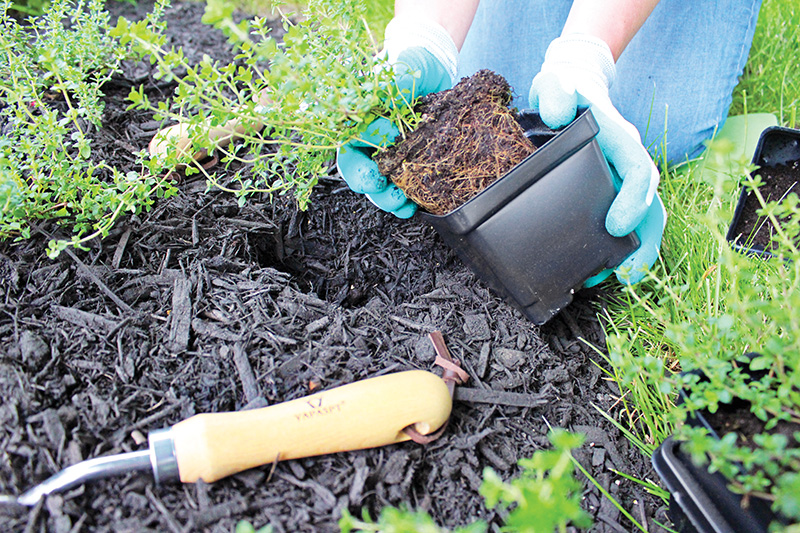
Starter tool kits include all the basics for container gardening. These kits often have a trowel, pruning shears, and a hand fork. They save money by bundling essential tools together. Kits also help beginners avoid buying unnecessary items. Look for kits with sturdy handles and rust-resistant materials. Compact kits fit easily in small storage spaces.
Multi-purpose Tools
Multi-purpose tools reduce the number of items you need. For example, a hori hori knife can dig, cut, and measure soil depth. Tools with multiple uses save space and money. Choose tools that are light and easy to handle. Multi-purpose tools are perfect for small container gardens. They help with planting, trimming, and soil care.
Easy-to-use Equipment
Easy-to-use equipment makes gardening less tiring for beginners. Look for ergonomic handles that fit your hand well. Tools with soft grips prevent blisters and hand pain. Lightweight tools reduce strain during long gardening sessions. Simple watering cans with long spouts help reach containers easily. Choose equipment designed for comfort and efficiency.
Credit: hc-companies.com
Frequently Asked Questions
What Is The 70 30 Rule In Gardening?
The 70 30 rule in gardening means planting 70% edible plants and 30% ornamental plants for a balanced garden.
What Tools Do I Need For Container Gardening?
Essential tools for container gardening include a soil scoop, garden trowel, hand fork, pruning shears, garden gloves, and pot risers. These tools help with soil handling, planting, pruning, and maintaining containers efficiently.
What Is The 3-hour Gardening Rule?
The 3-hour gardening rule suggests working in the garden for three hours a day to boost plant health and personal well-being. It helps maintain consistent care and prevents burnout.
What Are Common Mistakes In Container Gardening?
Common container gardening mistakes include using poor soil, inadequate drainage, overcrowding plants, improper watering, and choosing wrong-sized containers.
Conclusion
Choosing the right tools makes container gardening easier and more fun. Focus on quality and comfort to protect your hands. Small, useful tools save time and help plants grow well. Remember to keep tools clean and stored safely after use.
With the right tools, your container garden will thrive and bring joy. Start simple, then add tools as your garden grows. Enjoy watching your plants flourish with the best gardening tools by your side.