
Are you ready to save money and grow your garden with flowers you love year after year? Harvesting seeds from your own flowers is easier than you think, and it lets you take full control of your garden’s future.
By learning how to collect and store seeds properly, you’ll ensure a vibrant, blooming garden next season without the hassle of buying new seeds. In this guide, you’ll discover simple, step-by-step tips to harvest seeds from your favorite flowers, so you can enjoy a colorful, thriving garden every year.
Keep reading to unlock the secrets to successful seed harvesting and make your gardening efforts truly rewarding!

Credit: athomewithashley.com
Choosing Flowers For Seed Harvest
Choosing the right flowers for seed harvest is important for a successful garden next season. Selecting healthy, strong plants ensures good seed quality. Focus on flowers that produce viable seeds and suit your climate. This makes planting easier and increases the chance of strong growth. Understanding flower types helps you decide which seeds to save.
Some flowers are better for seed saving due to their growth habits. Others may cross-pollinate, creating mixed seeds. Picking the right varieties helps keep your garden true to type. Knowing the difference between annuals and perennials guides your seed harvesting plan.
Best Annuals And Perennials
Annual flowers complete their life cycle in one season, making seed saving simple. Examples include marigolds, zinnias, and sunflowers. These plants produce many seeds quickly. Perennials live for several years and often produce reliable seeds. Coneflowers, foxgloves, and lupines are good perennial choices. Both types provide seeds that grow well in the next season.
Flowers That Self-pollinate
Self-pollinating flowers reduce the risk of cross-pollination. Peas, beans, and some varieties of pansies fall into this group. Saving seeds from self-pollinated flowers helps keep the traits consistent. This means your next garden will look like the current one. It also makes seed saving easier and more predictable.
Considering Flower Varieties
Some flower varieties hybridize easily, mixing traits in their seeds. Hybrid flowers may not grow true from saved seeds. Choosing open-pollinated or heirloom varieties ensures seed reliability. These flowers maintain their original characteristics when grown from seed. Select varieties that match your garden style and climate. This approach helps you save seeds that produce strong, healthy plants.
Credit: www.notjustahousewife.net
When To Collect Seeds
Knowing the right time to collect seeds from your flowers is key to success. Seeds must be fully mature but not yet dispersed. Harvesting too early or too late can reduce germination rates. Careful timing ensures healthy seeds for next season’s planting.
Identifying Mature Seed Pods
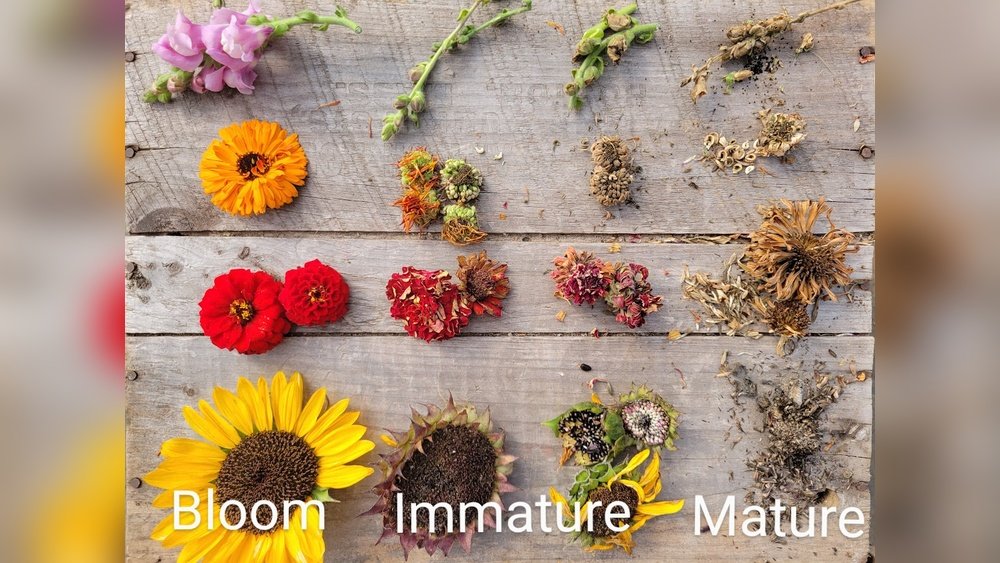
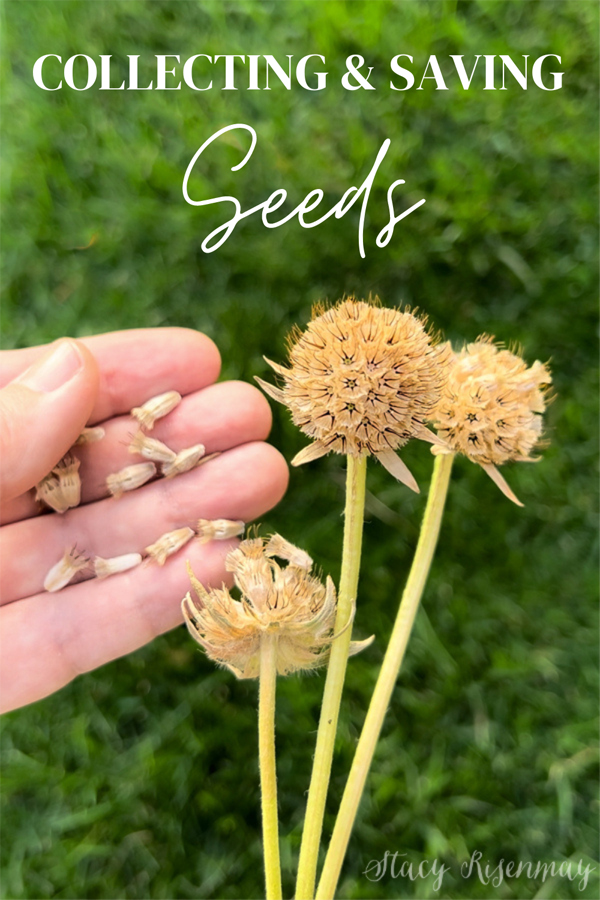
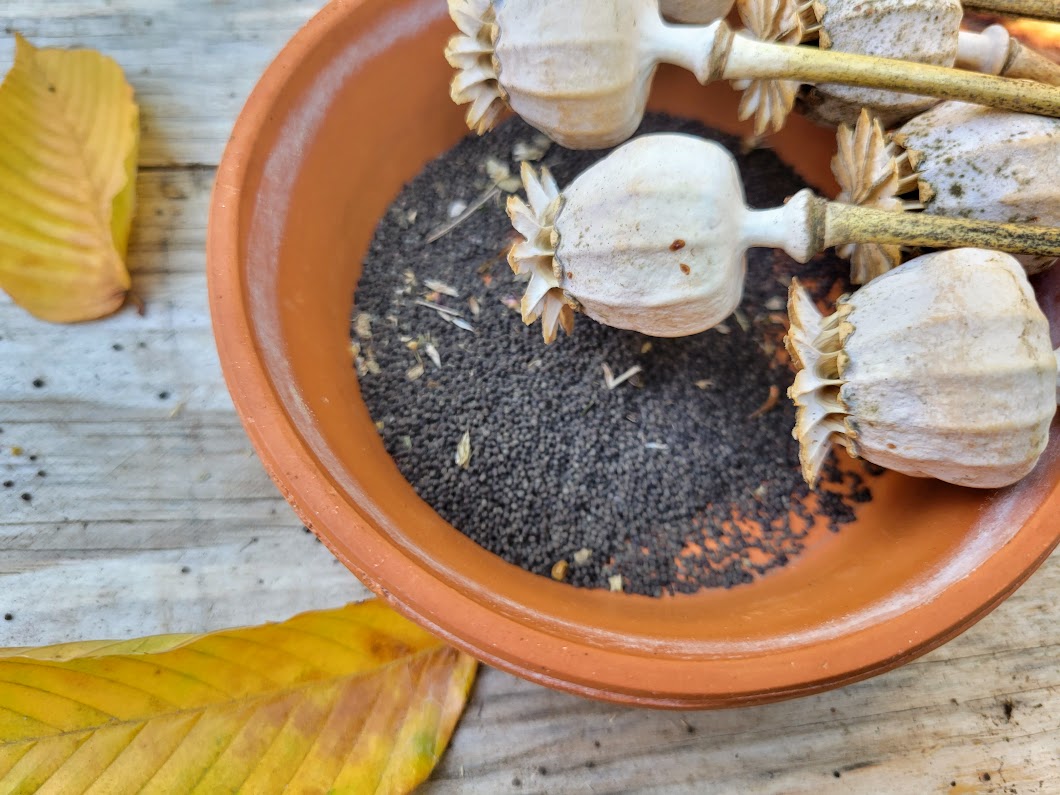
Look for seed pods that have changed color from green to brown or tan. They often feel dry and hard to the touch. Pods may start to crack open slightly, showing seeds inside. Avoid pods that are still soft or green. These seeds are not ready yet.
Optimal Harvest Time
The best time to harvest seeds is just before pods split open. Collect seeds on a dry day to prevent mold. Seeds should be firm and fully formed. Gently shake pods to see if seeds fall out easily. If they do, it is time to gather them.
Seasonal Timing Tips
In most climates, late summer to early fall is ideal for seed collection. Some flowers may need more time, especially in cooler areas. Watch your garden as the season changes. Take notes on when flowers bloom and when seeds mature for future reference.
Tools And Materials Needed
Harvesting seeds from flowers requires specific tools and materials. These help collect, store, and organize seeds properly. Using the right items ensures seeds stay viable for the next planting season. Prepare your workspace with clean, sharp tools and proper storage containers. Labeling supplies keep track of seed types and harvest dates.
Basic Harvesting Tools
Scissors or garden shears cut seed heads cleanly. Tweezers help remove small seeds carefully. A small bowl or tray collects seeds while you work. A fine mesh sieve or screen separates seeds from chaff. Use gloves to protect hands from thorns or irritants.
Seed Storage Containers
Use paper envelopes or small paper bags for drying seeds. Glass jars with tight lids keep seeds dry and safe. Plastic containers work but may trap moisture, so add silica gel packets. Avoid storing seeds in damp or airtight containers without drying first.
Labeling Supplies
Write seed names and harvest dates on labels. Use waterproof pens or markers for durability. Sticky labels or masking tape work well on containers. Keep records in a notebook or digital file for easy reference. Proper labeling avoids confusion during planting season.
Harvesting Seeds Step-by-step
Harvesting seeds from flowers is rewarding but easy to mess up. Avoiding common mistakes keeps seeds healthy and ready for next season. Careful timing, drying, and storage matter a lot. These simple steps prevent seed loss and poor germination.
Harvesting Too Early
Picking seeds before they fully mature leads to weak plants. Seeds need to dry and harden on the flower. Immature seeds often fail to sprout or grow poorly. Wait until seed pods or heads turn brown or dry. Patience pays off with better seed quality.
Improper Drying
Seeds must dry completely before storage to prevent mold. Damp seeds rot quickly and lose their ability to grow. Spread seeds in a single layer on paper or a screen. Keep them in a cool, dry place away from direct sunlight. Check seeds daily for dryness and airflow.
Poor Storage Practices
Storing seeds in warm or humid places reduces their lifespan. Use airtight containers like glass jars or sealed bags. Label containers with seed type and date to stay organized. Keep stored seeds in a cool, dark location for best results. Avoid frequent opening to maintain stable conditions.
Cleaning And Preparing Seeds
Planting seeds harvested from your flowers ensures a continuous bloom season. Saving seeds helps you grow favorite varieties again. Proper planting improves seedling success and healthy plants.
Sowing Timing And Depth
Sow seeds at the right time for best growth. Many flower seeds do well when planted in early spring. Some benefit from fall sowing to experience natural cold. Plant seeds at a depth twice their size. Small seeds need light and should be surface sown. Check seed packets for exact depth recommendations.
Preparing Seedbeds
Choose a sunny spot with well-drained soil. Loosen soil to about 6 inches deep. Remove weeds, rocks, and debris. Mix in compost to enrich soil nutrients. Create fine, firm seedbeds for good seed-to-soil contact. Raised beds or containers work well for delicate seeds.
Watering And Care Tips
Water gently after sowing to avoid washing seeds away. Keep soil moist but not waterlogged. Use a spray bottle for light watering. Protect seeds from strong sun and wind until they sprout. Thin seedlings to prevent overcrowding. Watch for pests and diseases early on.
Credit: www.almanac.com
Storing Seeds For Next Season
Saving your own seeds from flowers offers many benefits that enrich your gardening experience. It allows you to keep control over the plants you grow. You preserve the traits you love and reduce dependence on buying seeds every year.
Seed saving also supports a deeper connection to nature. Watching your plants grow from seeds you saved adds satisfaction. Plus, it promotes a healthier, more sustainable garden environment.
Cost Savings
Buying seeds each season can add up. Saving seeds from your flowers cuts these costs significantly. You get more plants without spending extra money. This is especially helpful for gardeners with large flower beds. Seed saving stretches your gardening budget further.
Preserving Unique Varieties
Garden centers don’t always carry rare flower varieties. Saving seeds helps keep special or heirloom flowers alive. You protect unique colors, shapes, and scents that might disappear otherwise. This practice helps maintain biodiversity in your garden. Each saved seed holds the potential for a unique bloom.
Enhancing Garden Sustainability
Growing plants from saved seeds reduces waste and packaging. It lowers the need for transporting seeds from far away. This means less pollution and a smaller carbon footprint. Seed saving encourages organic growth cycles and natural plant adaptation. Your garden becomes a more eco-friendly space with each saved seed.
Frequently Asked Questions
How To Get Seeds From Flowers For Next Year?
Allow flower seeds to dry on the plant until pods turn brown. Collect seeds, clean off debris, and store in a cool, dry place for next year.
What Flower Seeds Can Be Planted In October?
Plant hardy annuals and perennials like Poppies, Pansies, Sweet Peas, Coneflowers, Foxgloves, and Snapdragons in October. These seeds benefit from cold exposure, promoting strong spring growth and early blooms.
Can I Just Throw Down Wildflower Seeds?
You can scatter wildflower seeds directly on prepared soil. Lightly rake them in for better contact. Keep soil moist until germination. Avoid thick layers, which block sunlight. This simple method encourages natural growth and diversity in your garden.
Why Is It Illegal To Save Seeds?
Saving seeds can be illegal due to patented plant varieties and plant breeders’ rights protecting commercial interests. Unauthorized saving violates these laws.
Conclusion
Harvesting seeds from flowers takes patience and care. Collect seeds only when pods are dry and brown. Store them in a cool, dry place to keep them healthy. Using your own seeds saves money and preserves flower varieties you love.
Trying this simple process lets you enjoy your garden year after year. Start today and watch your garden grow next season!