
When the power goes out, having a generator can be a real lifesaver. But do you know how to connect that generator to your house power safely and effectively?
Simply plugging it into an outlet is not only dangerous but can cause serious damage to your home and risk the safety of utility workers. If you want to keep your family safe, protect your appliances, and ensure your generator works when you need it most, this guide is for you.
Keep reading, and you’ll learn the step-by-step process to connect your generator to your home power system the right way—so you can stay powered up without worry.
Credit: www.youtube.com
Choosing The Right Generator
Choosing the right generator is essential for safe and effective power backup. A suitable generator ensures your home stays powered during outages. Picking the right type, capacity, and fuel can save money and prevent damage. Understanding these factors helps you make the best choice for your needs.
Types Of Generators
Portable generators are compact and easy to move. They work well for short-term power needs. Standby generators connect directly to your home’s electrical system. They start automatically during outages. Inverter generators offer cleaner power, ideal for sensitive electronics. Each type serves different purposes and budgets.
Generator Capacity And Power Needs
Calculate your home’s power needs before choosing a generator. Add the wattage of all essential appliances. Consider starting watts, which are higher for some devices. Choose a generator with capacity above your total wattage. This prevents overload and keeps devices running smoothly.
Fuel Options
Generators use various fuels like gasoline, propane, or diesel. Gasoline is common but has a shorter shelf life. Propane burns cleaner and stores longer. Diesel generators are efficient and durable but can be noisy. Select fuel based on availability, cost, and storage safety.

Credit: www.duromaxpower.com
Essential Safety Precautions
Connecting a generator to your house power requires strict safety measures. Ignoring precautions can cause injuries or damage. Understanding essential safety steps protects your home and family.
Avoiding Backfeeding Hazards
Backfeeding happens when electricity flows backward into the power grid. This can harm utility workers and damage equipment. Never plug a generator directly into a wall outlet. Use a transfer switch installed by a licensed electrician. This device isolates your home power from the grid safely.
Proper Generator Placement
Place the generator outdoors in a well-ventilated area. Keep it at least 20 feet away from doors and windows. This prevents carbon monoxide poisoning. Avoid running the generator in garages or enclosed spaces. Always follow manufacturer guidelines for safe placement.
Using Outdoor-rated Extension Cords
Select heavy-duty extension cords rated for outdoor use. Check cords for damage before use. Use cords with a gauge thick enough for your generator’s power. Avoid overloading cords to prevent fires. Connect appliances directly to the cords, not to the generator itself.
Transfer Switch Installation
Installing a transfer switch is a key step in connecting a generator to your home’s power system. It ensures your generator works safely and efficiently during power outages. This device prevents dangerous backfeed, protecting utility workers and your appliances.
Understanding the transfer switch helps you make informed decisions. Let’s explore its purpose, types, and why hiring a licensed electrician is essential for installation.
Purpose Of A Transfer Switch
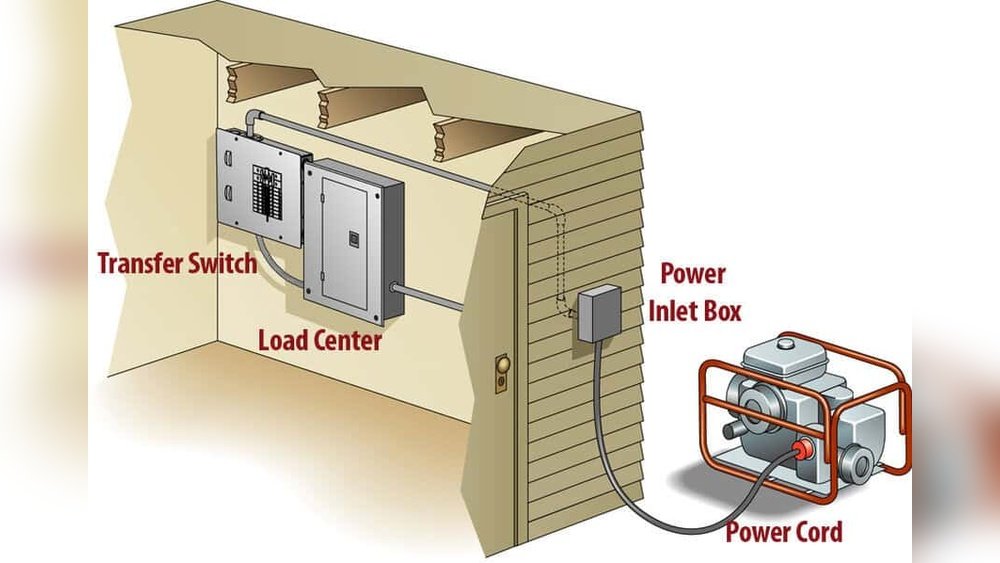
A transfer switch safely connects your generator to your home’s electrical panel. It stops electricity from flowing back into power lines. This protects utility workers fixing the grid. It also prevents damage to your generator and home wiring. The switch allows you to power selected circuits or your entire home.
Types Of Transfer Switches
There are two main types: manual and automatic transfer switches. Manual switches require you to turn the power source over by hand. Automatic switches detect power loss and switch to generator power automatically. Choose based on your needs and budget. Both types improve safety and convenience compared to extension cords.
Hiring A Licensed Electrician
Installing a transfer switch involves complex wiring and safety standards. A licensed electrician has the skills and knowledge to install it correctly. They ensure the switch meets local codes and operates safely. Hiring a professional reduces risks of fire and electrical hazards. It also guarantees the system works reliably when you need it most.
Connecting Generator To Home Power
Connecting a generator to home power ensures electricity during outages. It requires careful setup to avoid hazards. Follow clear steps to link your generator safely to your house. Proper connection protects your equipment and home wiring. Understanding each part of the process makes the task easier.
Setting Up The Inlet Box
The inlet box is mounted outside the house. It connects the generator to your home’s electrical system. Choose a spot near your main electrical panel. Install the box securely on a wall. The box must be weatherproof to protect from rain and dust. Use proper screws and anchors for mounting. The inlet box has a power socket for the generator plug. This setup keeps power connections safe and organized.
Wiring Procedures
Turn off the main power before starting wiring. Connect the inlet box wiring to the transfer switch. The transfer switch is linked to the home’s electrical panel. Use wires rated for outdoor use and correct amperage. Connect the neutral and ground wires carefully. Secure all wire connections with wire nuts or terminal blocks. Follow local electrical codes strictly for safety. If unsure, consult a licensed electrician. Proper wiring prevents backfeed and electrical hazards.
Testing The Connection
After wiring, test the system before use. Turn off the main breaker to isolate home power. Start the generator and plug it into the inlet box. Switch the transfer switch to generator power. Check if power flows to selected circuits inside the home. Use a voltage tester or plug in a small appliance. Ensure no sparks or unusual noises occur. Switch back to main power and turn off the generator. Testing confirms the connection is safe and working well.
Operating Your Generator Safely
Operating your generator safely is key to protecting your home and family. Generators provide backup power during outages but require careful handling. Unsafe use can cause accidents, damage, or even injury. Follow simple safety steps to keep your generator running well and your house secure.
Starting And Stopping Tips
Place the generator outside in a dry, well-ventilated area. Avoid running it indoors or in enclosed spaces. Check fuel levels before starting. Turn off all appliances connected to the generator. Start the generator following the manufacturer’s instructions. Let it warm up for a few minutes. When stopping, turn off connected devices first. Then switch off the generator. Allow it to cool before refueling.
Monitoring Fuel And Load
Keep an eye on fuel levels to avoid sudden shutdowns. Use fresh fuel and store it safely away from the generator. Do not overfill the tank. Balance the load by not running too many devices at once. Check the generator’s wattage rating and avoid exceeding it. Overloading can cause damage or fire risks. Turn off unnecessary appliances to reduce load.
Maintenance Best Practices
Regular maintenance extends the life of your generator. Change the oil after the first 20 hours of use. Then, follow the schedule in the user manual. Clean or replace the air filter regularly. Check spark plugs and fuel lines for wear. Keep the generator clean and free of debris. Store the generator in a dry place when not in use. Test the generator periodically to ensure it works properly.
Legal And Insurance Considerations
Connecting a generator to your house power requires more than just technical know-how. Legal and insurance factors play a key role in keeping your home safe and compliant. Ignoring these rules can cause fines, void insurance, or create safety risks. Understanding the permits, inspections, insurance policies, and local regulations is essential before installation.
Permits And Inspections
Most cities require a permit before connecting a generator to house power. This ensures the installation meets safety standards. An inspection follows the work to check all connections and equipment. Skipping permits or inspections can lead to penalties or forced removal. Hiring a licensed electrician helps to navigate these steps properly.
Insurance Compliance
Your homeowner’s insurance may have rules about generator use. Notify your insurance provider about the generator installation. Some policies require proof of professional installation. Not following insurance guidelines can cause claim denials in case of damage. Keep all documents and receipts related to your generator setup.
Local Codes And Regulations
Local building codes vary by state and city. These codes cover wiring methods, generator placement, and noise limits. Check with your local building department for specific rules. Proper compliance avoids legal trouble and maintains neighborhood safety. Always follow the latest code updates for your area.

Credit: www.wikihow.com
Frequently Asked Questions
How Can I Hook Up A Portable Generator To My House?
Use a transfer switch installed by a licensed electrician to safely connect your portable generator to your home. Never plug the generator directly into wall outlets.
What Is The 20/20/20 Rule For Generators?
The 20/20/20 rule for generators means running the generator 20 minutes every 20 hours at 20% load. This maintains engine health and fuel efficiency.
Can You Plug A Generator Into An Outlet To Power A House?
Never plug a generator directly into a wall outlet; it risks dangerous backfeeding. Use a transfer switch installed by a licensed electrician to power your house safely.
Do I Need An Electrician To Connect A Generator To My House?
Yes, hire a licensed electrician to connect a generator safely. They prevent backfeeding, ensure code compliance, and protect your home.
Conclusion
Connecting a generator to your house power requires care and attention. Always use a transfer switch to avoid risks. Keep the generator outside and dry to stay safe. Use proper extension cords designed for outdoor use. Never plug the generator directly into a wall outlet.
If unsure, ask a licensed electrician for help. Following these steps ensures your home stays powered safely during outages. Safety and preparation make all the difference in emergency power situations.