
When you need reliable power on the go or during an outage, choosing the right generator is key. You might wonder: should you go for an inverter generator or stick with a conventional one?
The decision isn’t always straightforward because each has its strengths and weaknesses. What if you want something quiet, fuel-efficient, and safe for your sensitive electronics? Or maybe you need raw power to run heavy-duty tools without interruption? This article will guide you through the crucial differences between inverter generators and conventional generators, so you can pick the perfect fit for your needs without any guesswork.
Keep reading to discover which type will truly power your peace of mind.
Credit: offgridham.com
Power Output Comparison
Comparing the power output of inverter generators and conventional generators helps choose the right one. Both types provide electricity but work differently. Understanding their power output clarifies which fits specific needs.
Peak And Running Wattage
Conventional generators usually offer higher peak and running wattage. They handle heavy loads and start large appliances easily. Inverter generators have lower peak wattage but provide stable running wattage. Their power output adjusts to the load, saving fuel. This makes inverters ideal for lighter, steady power needs.
Suitability For Appliances
Conventional generators suit power tools, air conditioners, and big appliances. They provide raw power but can cause voltage fluctuations. Inverter generators deliver clean, stable power. This makes them perfect for sensitive electronics like laptops and smartphones. They protect devices from damage and ensure smooth operation.
Fuel Efficiency And Consumption
Fuel efficiency and consumption are key factors when choosing between an inverter generator and a conventional generator. These aspects impact how long the generator can run and how much fuel it uses. Efficient fuel use means saving money and less frequent refueling. Understanding differences in fuel tank sizes and operating hours helps pick the right generator for your needs.
Fuel Tank Sizes
Conventional generators usually have larger fuel tanks. This allows them to store more gasoline or diesel. Larger tanks can support longer use without refilling. Inverter generators often have smaller tanks. They are designed for portability and quieter operation. Smaller tanks mean lighter weight but might need refueling sooner.
Choosing a generator with the right tank size depends on your power needs. For long outdoor events or job sites, a bigger tank may be better. For camping or short-term use, a smaller tank can be easier to carry and manage.
Operating Hours Per Fill
Inverter generators are known for better fuel efficiency. They adjust engine speed based on power demand. This means they use less fuel during low or variable loads. As a result, they can run longer on a single tank of fuel compared to conventional models.
Conventional generators run at a constant speed regardless of load. This leads to higher fuel consumption even if power needs are low. They may run out of fuel faster than inverter generators with smaller tanks. Inverter generators can provide 8 to 10 hours of operation per fill. Conventional generators might run 6 to 8 hours depending on tank size and load.
Noise Levels
Noise levels play a crucial role when choosing between an inverter generator and a conventional generator. The sound they produce affects comfort and usability, especially in quiet settings. Understanding how loud each type is can help in making the right decision for your needs.
Decibel Ratings
Inverter generators usually operate between 50 to 60 decibels. This level is similar to a normal conversation or background music. Conventional generators often produce noise around 65 to 75 decibels. This is louder, like a vacuum cleaner or busy street. Lower decibel ratings mean less noise pollution and a more pleasant experience.
Impact On Residential Use
Quiet operation makes inverter generators ideal for neighborhoods. They reduce disturbance to neighbors and family members. Conventional generators can be too loud for small yards or close housing. Noise complaints are common with these louder models. Choosing a quieter generator helps maintain good community relations. It also allows use during night or early morning without waking others.
Credit: www.duromaxpower.com
Power Quality
Power quality is a key factor when choosing between an inverter generator and a conventional generator. It refers to the consistency and stability of the electricity produced. Good power quality ensures your devices run smoothly and safely. Poor power quality can cause damage or reduce the lifespan of your electronics.
Clean Power For Electronics
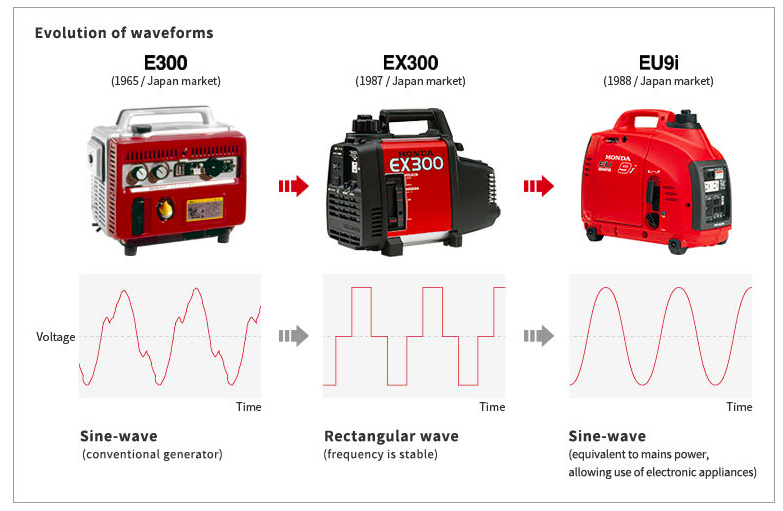
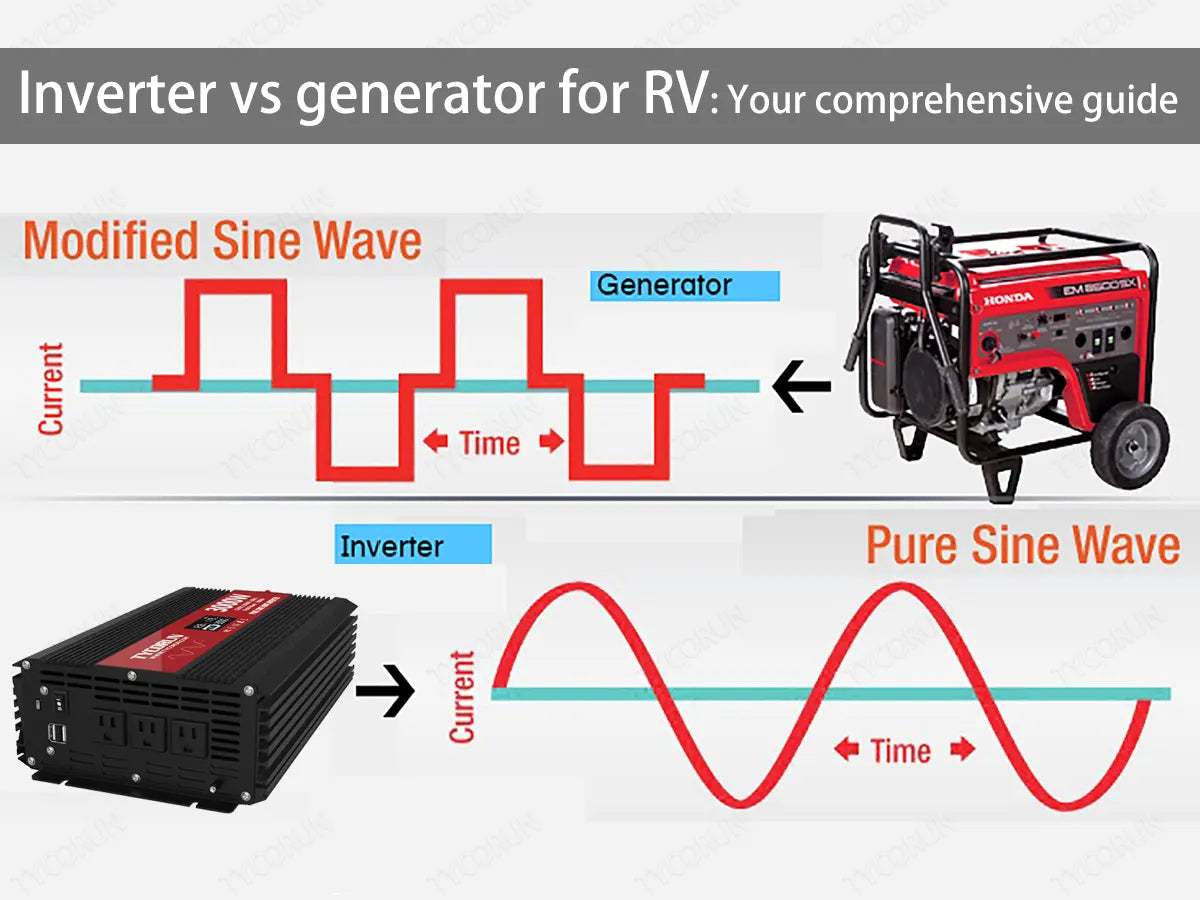
Inverter generators produce clean and stable power. They adjust engine speed to match the load. This results in a steady voltage and frequency output. Sensitive devices like laptops, smartphones, and medical equipment work better with this clean power.
Conventional generators often run at a constant speed. This can lead to power fluctuations. These fluctuations may harm delicate electronics or cause them to malfunction.
Risk Of Power Surges
Power surges are sudden spikes in electrical output. Inverter generators reduce this risk by controlling power flow precisely. This helps protect your devices from damage.
Conventional generators can produce unstable power with frequent surges. These surges may overload and damage sensitive appliances. Using surge protectors is important with conventional generators.
Portability And Design
Portability and design play a big role in choosing between an inverter generator and a conventional generator. These features affect how easy it is to move the generator and where it fits in your space. Both types have unique designs that suit different needs. Understanding their size and transport options helps make the right choice.
Weight And Size
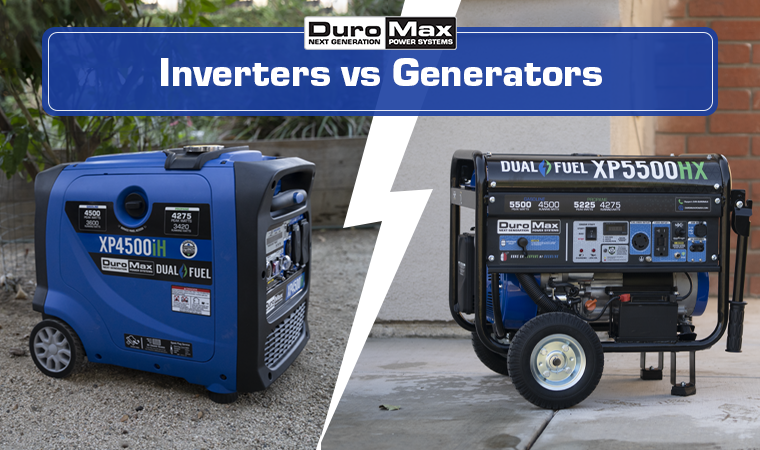
Inverter generators are usually smaller and lighter than conventional models. Their compact design makes them easy to carry and store. Conventional generators tend to be bulky and heavy. This size difference matters if you need a generator for camping or outdoor activities. A smaller weight means less effort moving it around.
Ease Of Transport
Inverter generators often come with built-in handles and sometimes wheels. These features make it simple to move the generator by hand. Conventional generators may lack these conveniences, requiring more effort to lift or carry. The quiet operation of inverter generators also means they can be used in noise-sensitive areas without disturbance.
Maintenance And Durability
Maintenance and durability are key factors in choosing between an inverter generator and a conventional generator. Both types need regular care to run smoothly. Their design affects how easy it is to maintain and how long they last. Understanding these aspects helps you pick the right generator for your needs.
Component Accessibility
Conventional generators often have simpler parts. This makes finding and fixing issues easier. Many components are exposed and easy to reach. Inverter generators have complex electronics. Some parts may be hidden under covers or inside the unit. This can make repairs and maintenance harder for beginners. A professional might be needed for some tasks.
Longevity And Repairs
Conventional generators tend to be more rugged. They handle rough use and last longer in tough conditions. Their simple design means fewer things can go wrong. Inverter generators use advanced technology. This can mean more frequent repairs if parts fail. On the other hand, inverter generators often run cooler and smoother. This can reduce wear and extend engine life. Regular maintenance is important for both types to ensure long service.
Cost Considerations
Cost plays a key role in choosing between an inverter generator and a conventional generator. Understanding both the upfront and ongoing expenses helps make a smart decision. Both types have different price points and operating costs that affect your budget over time.
Initial Purchase Price
Conventional generators usually cost less at purchase. They have a simpler design and fewer advanced parts. Inverter generators come with a higher price tag. This is due to their technology and quieter operation. For buyers on a tight budget, conventional models may seem more affordable. Yet, the initial price is just one part of the cost story.
Long-term Operating Costs
Inverter generators use fuel more efficiently. They adjust engine speed to match power needs, saving gas. Conventional generators run at full speed all the time, wasting fuel. Maintenance costs also differ. Inverter generators often require less frequent servicing. Conventional generators may need more repairs and fuel over time. These factors can add up, making inverter generators cheaper to run in the long run.
Safety Features
Safety features are crucial when choosing between an inverter generator and a conventional generator. Both types need careful handling to prevent accidents and damage. Understanding how each generator protects users helps make the right choice for your needs.
Operating Precautions
Always run generators outdoors in a well-ventilated area. Never use them inside homes or garages to avoid carbon monoxide poisoning. Keep generators dry and away from rain or snow. Use only heavy-duty, outdoor-rated extension cords. Do not plug generators directly into wall outlets. Turn off the generator and let it cool before refueling. Follow the manufacturer’s instructions for safe operation. Regularly inspect fuel lines and electrical connections for damage.
Built-in Safety Mechanisms
Inverter generators often include automatic shutdown features. They turn off if oil levels are low or if the unit overheats. Many inverter models have circuit breakers to prevent electrical overload. Conventional generators may have fewer built-in safety features. Both types usually have grounding requirements to reduce shock risk. Some inverter generators provide cleaner power, protecting sensitive electronics. Safety sensors in inverter generators help prevent accidents. Always check the safety features before buying a generator.
Best Use Cases
Choosing between an inverter generator and a conventional generator depends on where and how you plan to use it. Each type fits different needs and environments. Understanding the best use cases helps pick the right generator for your situation.
Residential And Camping
Inverter generators work great for homes and camping trips. They run quietly, so they do not disturb neighbors or nature. Their clean power protects sensitive devices like phones and laptops. These generators are lighter and easier to carry, making them perfect for outdoor activities. They also save fuel by adjusting power output to match demand.
Conventional generators suit backup power at home during outages. They handle larger loads but are louder. These generators are usually heavier and less portable. They work well if you need power for many appliances at once. Noise and fuel use are higher, so consider location and frequency of use.
Industrial And Heavy-duty
Conventional generators excel in industrial and heavy-duty settings. They deliver steady, high power needed for tools and machines. Their design handles longer run times and tough conditions. These generators are built for strength, not quiet operation.
Inverter generators are less common in heavy industry due to lower power output. They can support small tools and electronics but may not run large equipment efficiently. Their compact size and fuel efficiency suit light tasks and remote sites needing clean power.
Credit: www.tycorun.com
Frequently Asked Questions
Should I Get An Inverter Generator Or A Regular Generator?
Choose an inverter generator for quieter, fuel-efficient, and cleaner power ideal for sensitive electronics. Pick a regular generator for higher power and heavy-duty use at a lower cost.
What Is The 20/20/20 Rule For Generators?
The 20/20/20 rule for generators means running the generator for 20 minutes every 20 hours of use. Then, let it cool down for 20 minutes. This prevents overheating and extends the generator’s lifespan.
What Is The Downside Of An Inverter Generator?
Inverter generators cost more upfront and provide lower maximum power. They have smaller fuel tanks needing frequent refills and complex maintenance.
What Should You Not Plug Into An Inverter?
Avoid plugging high-wattage appliances like air conditioners, refrigerators, or power tools into an inverter. Also, do not connect devices with motors or surge currents exceeding the inverter’s capacity. Sensitive medical equipment requires stable, pure sine wave inverters only. Avoid plugging into an inverter without proper grounding and overload protection.
Conclusion
Choosing between an inverter generator and a conventional one depends on your needs. Inverter generators run quietly and use less fuel. They provide cleaner power, perfect for sensitive devices. Conventional generators offer higher power at a lower price. They tend to be louder and less fuel-efficient.
Think about where and how you will use the generator. For camping or small appliances, an inverter is great. For heavy work or long hours, a conventional generator might suit better. Assess your budget and power needs before deciding. Both types have clear strengths and weaknesses.
Make a choice that fits your lifestyle and equipment.