
Choosing the right trimmer can make your yard work easier, faster, and even enjoyable. But when it comes to gas-powered versus electric trimmers, which one fits your needs best?
You might be wondering if the extra power of a gas trimmer is worth the noise and maintenance, or if an electric model can handle your lawn while saving you time and effort. This guide will help you cut through the confusion and find the perfect trimmer for your yard size, budget, and lifestyle.
Keep reading to discover the key differences and make a choice you won’t regret.

Credit: www.amazon.com
Power And Performance
Power and performance are key factors when choosing between a gas-powered and electric trimmer. Understanding the strength and capabilities of each type helps you pick the right tool. Consider the size of your yard and the type of vegetation you need to trim. Each trimmer type has unique features that affect how well it performs.
Gas Trimmer Strength
Gas trimmers are known for their strong engines. They deliver high power output, making them ideal for large yards. These trimmers can run for long periods without needing a recharge. They handle tough jobs with ease, such as cutting thick weeds and dense brush. Gas models are often heavier but offer reliable performance in demanding conditions.
Electric Trimmer Capabilities
Electric trimmers have improved a lot in recent years. Many come with lithium-ion batteries that provide good run time. They produce less noise and no exhaust fumes, which makes them eco-friendly. Electric models are lighter and easier to start. They work well for small to medium yards and regular trimming tasks. Their power is enough for most grass and light weeds.
Handling Thick Vegetation
Thick vegetation requires a trimmer with high cutting power. Gas trimmers excel at this task because of their strong engines. They cut through tough plants quickly and without stalling. Electric trimmers may struggle with very dense or woody plants. Some high-end electric models can manage thicker growth but usually need more time. For heavy-duty trimming, gas is the better choice.
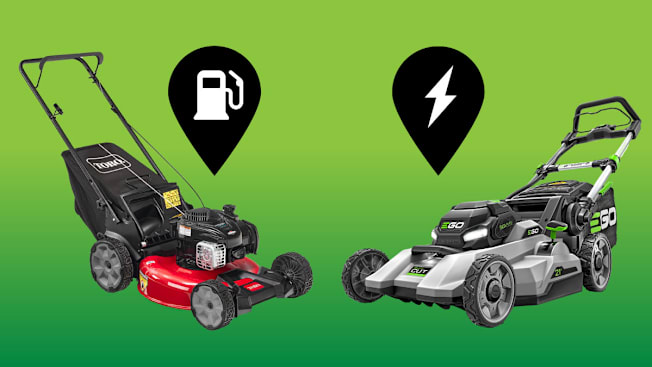
Credit: www.consumerreports.org
Yard Size And Terrain
Choosing between a gas-powered and electric trimmer depends heavily on your yard’s size and terrain. These factors influence the trimmer’s performance, ease of use, and efficiency. Understanding your yard helps pick the right tool for better results and less effort.
Small To Medium Lawns
Electric trimmers work well for small to medium lawns. They are lightweight and easy to handle. Battery-powered models offer enough power to maintain neat edges and trim grass around flower beds. Quiet operation suits neighborhoods with noise limits. Corded electric trimmers provide unlimited run time but need an outlet nearby.
Large Properties
Gas trimmers suit large properties best. They provide strong power and longer run times without cords. These trimmers handle thick grass and wide areas faster. Their durability helps in heavy use over big spaces. Though heavier, they reduce the need for frequent battery changes or extension cords.
Rough Or Dense Areas
For rough or dense terrain, gas trimmers offer better cutting strength. They cut through tough weeds, thick brush, and uneven ground easily. Electric trimmers may struggle or drain batteries quickly in these conditions. Gas models often have higher torque and stronger engines for challenging jobs.
Convenience And Maintenance
Choosing between a gas-powered and electric trimmer involves thinking about convenience and maintenance. These factors affect how easy it is to start, run, and care for the tool. Understanding these differences helps you pick the right trimmer for your needs.
Starting And Operating
Electric trimmers start with a simple push of a button. No pulling cords or struggling to ignite. Gas trimmers need a pull start, which can be tough for some users. Electric models run quietly and smoothly. Gas trimmers are louder and produce more vibration. Operating a gas trimmer requires more strength and effort.
Fuel And Battery Management
Gas trimmers need a steady supply of fuel. You must mix oil and gasoline for the engine. Storing fuel safely is important. Electric trimmers run on batteries. Charging the battery takes time but is easy. Battery life limits how long you can work. Gas trimmers run as long as you have fuel. Battery-powered trimmers are lighter without fuel tanks.
Upkeep Requirements
Gas trimmers need regular maintenance. Cleaning the air filter, spark plug, and carburetor keeps them running well. Oil changes are necessary too. Electric trimmers require less upkeep. You mainly need to clean the tool and check the battery. Electric motors last longer without many repairs. Gas trimmers may need more frequent repairs over time.
Noise And Environmental Impact
Choosing between a gas-powered and electric trimmer involves considering noise and environmental impact. Both affect your neighborhood and the planet differently. Understanding these factors helps you pick the best option for your needs and surroundings.
Sound Levels
Gas-powered trimmers produce louder noise. Their engines run on combustion, which creates strong sound waves. This noise can disturb neighbors and wildlife. Electric trimmers run quietly. They use electric motors that emit less sound. Quiet operation suits small yards and noise-sensitive areas.
Emissions And Eco-friendliness
Gas trimmers emit exhaust gases, including carbon monoxide and hydrocarbons. These pollutants harm air quality and contribute to climate change. Electric trimmers produce zero direct emissions. They run on clean electricity, especially if sourced from renewable energy. Electric models reduce your carbon footprint significantly.
Local Noise Regulations
Many cities have rules about noise levels for outdoor tools. Gas trimmers may exceed allowed limits during early or late hours. Electric trimmers often meet stricter noise standards. Check your local rules before buying. Following regulations avoids fines and keeps your community peaceful.
Cost Considerations
Cost plays a major role in choosing between gas-powered and electric trimmers. Understanding the costs involved helps you pick the best option for your budget. Costs come in different forms: the price to buy, the cost to run, and the value over time. Each factor affects your decision differently. Let’s explore these cost considerations in detail.
Initial Purchase Price
Electric trimmers usually cost less upfront. Basic models are affordable and easy to find. Gas trimmers tend to have higher starting prices. This is due to their powerful engines and complex parts. The price gap can be significant, especially for professional-grade tools. Choose based on what you can spend right now.
Operating Expenses
Gas trimmers need fuel and oil to run. These add up over time and require regular buying. Maintenance costs also rise, as gas engines need more care. Electric trimmers cost less to operate. You only need to recharge or change batteries. There are no fuel or oil expenses. Repairs are usually cheaper and less frequent.
Long-term Investment
Gas trimmers last longer with proper care. They handle tough jobs and large yards well. This makes them good for long-term use if maintained. Electric trimmers may have shorter lifespans. Battery life may decline after a few years. Replacement batteries add to the total cost. Consider how long you plan to use the trimmer before deciding.
Durability And Lifespan
Durability and lifespan play a key role in choosing between gas-powered and electric trimmers. Knowing how long each type lasts and how well it holds up helps make a smart decision. This section breaks down the build quality, longevity, and battery concerns.
Build Quality
Gas trimmers often have heavy-duty parts made for tough jobs. Their engines and frames use metal and strong plastics. Electric trimmers usually have lighter materials. They focus on ease of use and portability. Both types can be sturdy, but gas trimmers handle rough conditions better.
Longevity Of Gas Models
Gas trimmers tend to last many years with proper care. Regular oil changes and cleaning keep the engine running well. They handle high workloads and thick weeds without much wear. Parts for gas trimmers may need replacement over time but are often easy to find. This makes them a reliable choice for long-term use.
Battery Life And Replacement
Electric trimmers rely on batteries that wear out with use. Most batteries last for 3 to 5 years before needing replacement. Battery life per charge varies by model but usually ranges from 30 to 60 minutes. Replacing batteries can be costly but keeps the tool working like new. Newer lithium-ion batteries offer better lifespan and faster charging.
User Experience
User experience plays a key role in choosing between a gas-powered and electric trimmer. Comfort, ease, and handling affect how well you maintain your yard. Understanding differences helps make the right choice for your needs.
Weight And Maneuverability
Electric trimmers are usually lighter than gas models. This makes them easier to carry around the yard. Lighter weight reduces fatigue during long trimming sessions. Gas trimmers tend to be heavier because of their engine and fuel tank. Heavier trimmers can be harder to move in tight spaces. Consider the size of your yard and how much you need to move the trimmer.
Ergonomics
Ergonomics means how comfortable the trimmer feels in your hands. Electric trimmers often have simple designs with well-placed handles. This helps reduce strain on your wrists and arms. Gas trimmers sometimes have more vibration, which can cause discomfort. Look for padded grips and adjustable handles in both types. Ergonomic design helps keep you comfortable during use.
Ease Of Use For Beginners
Electric trimmers are usually easier for beginners. They start with a button or switch, no need to pull cords. They also run quieter, which makes the job less stressful. Gas trimmers require more effort to start and maintain. They need fuel mixing and regular engine care. Beginners may find electric trimmers less intimidating and simpler to operate safely.
Safety Factors
Choosing between a gas-powered and electric trimmer involves understanding safety factors. Each type has unique risks and precautions. Knowing these will help you work safely and avoid injuries.
Fuel Handling Risks
Gas trimmers require handling gasoline and oil. Gas is flammable and can cause fires if spilled. Store fuel in approved containers away from heat. Always refuel outdoors and cool the engine before adding fuel. Avoid smoking or sparks near fuel. Proper fuel handling reduces fire and explosion risks.
Electric Shock Precautions
Electric trimmers use cords or batteries with electrical power. Wet conditions increase the risk of electric shock. Use a ground fault circuit interrupter (GFCI) with corded trimmers. Inspect cords for damage before use. Keep battery connections dry and clean. These steps protect against electric shocks.
Protective Gear Recommendations
Wear eye protection to guard against flying debris. Use gloves to protect hands from cuts and vibration. Long pants and closed shoes shield legs and feet. Ear protection helps with loud gas trimmers. Always dress safely to reduce injuries while trimming.
Technology Advancements
Technology advancements have changed how gas-powered and electric trimmers perform. These improvements help users choose tools that fit their needs better. Both types of trimmers have seen upgrades that increase efficiency and ease of use.
Battery life, emissions, and smart features now play key roles in selecting the right trimmer.
Battery Improvements
Electric trimmers now use lithium-ion batteries. They last longer and charge faster than older models. These batteries provide steady power for extended trimming jobs. Lightweight designs make electric trimmers easier to handle. Battery technology keeps improving, reducing downtime during work.
Emission Controls In Gas Models
Gas trimmers have better emission controls today. Manufacturers add systems to reduce harmful fumes. New engines burn fuel cleaner and use less gas. These changes help protect the environment and meet regulations. Quiet operation is also a focus, making gas models less noisy than before.
Smart Features
Some trimmers now include smart features. These may include automatic speed adjustment based on grass thickness. Others have indicators for battery life or fuel levels. Bluetooth connectivity allows for easy maintenance alerts. Smart features make trimming more efficient and user-friendly.
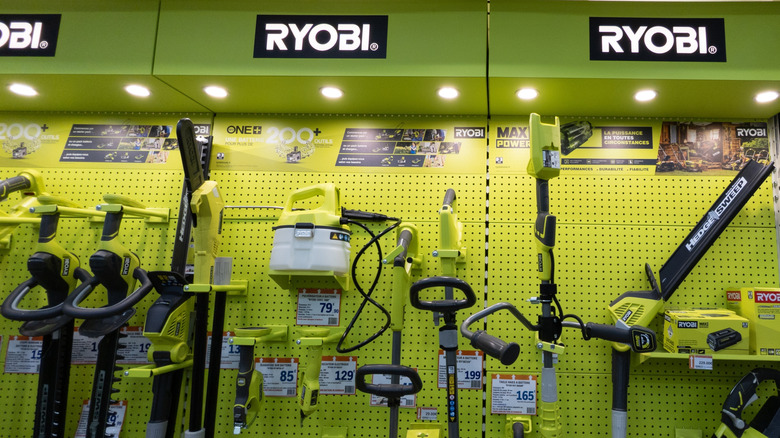
Credit: www.housedigest.com
Making The Final Choice
Choosing between a gas-powered and electric trimmer can feel tricky. The final choice depends on your unique needs and preferences. Consider where and how you will use the trimmer. Think about power, noise, and maintenance. This section will help you make a clear decision that fits your yard and lifestyle.
Assessing Your Needs
Start by looking at the size of your yard. Large yards with thick grass need more power. Gas trimmers handle tough jobs well. Small to medium yards with light growth suit electric trimmers. Also, consider noise levels. Electric trimmers are quieter and better for noise-sensitive areas. Check how often you will trim. Frequent use may require a durable and easy-to-maintain tool.
Balancing Pros And Cons
Gas trimmers offer strong power and longer run times. They require fuel and more maintenance. Electric trimmers are lightweight and low maintenance. Battery models allow cordless freedom but need charging. Consider weight and ease of use. Gas trimmers tend to be heavier. Electric trimmers are simpler for quick jobs. Think about cost too. Gas models cost more upfront and over time. Electric trimmers usually have lower initial costs.
Recommendations Based On Usage
Choose a gas trimmer for large properties and dense vegetation. It handles tough weeds and long trimming sessions well. Electric trimmers suit small yards and light trimming tasks. They work best for regular maintenance and smaller jobs. For mixed use, consider a battery electric trimmer. It offers good power with easy handling. Match your choice to your yard’s size, plant types, and trimming frequency.
Frequently Asked Questions
Should I Get A Gas Or Electric String Trimmer?
Choose a gas trimmer for power and large yards. Pick electric for quiet, eco-friendly use on small to medium lawns.
Are Electric Weedeaters Good For Large Yards?
Electric weedeaters suit small to medium yards best. For large yards, gas models provide more power and longer run time.
Are Electric Trimmers As Powerful As Gas?
Electric trimmers are generally less powerful than gas models. Gas trimmers handle thick, tough vegetation better and suit larger yards. Electric trimmers work well for light to medium tasks, offering quieter operation and easier maintenance. Choose based on yard size and cutting needs.
Are Electric Trimmers Better?
Electric trimmers offer quiet operation, low maintenance, and eco-friendliness. They suit small to medium yards but lack gas models’ power for heavy-duty tasks.
Conclusion
Choosing between gas-powered and electric trimmers depends on your needs. Gas trimmers offer more power for big, tough jobs. Electric trimmers work well for small yards and quiet areas. Consider your property size, noise tolerance, and maintenance preferences. Both types have strengths and limits.
Pick the one that fits your yard and lifestyle best. This way, trimming becomes easier and more efficient.