
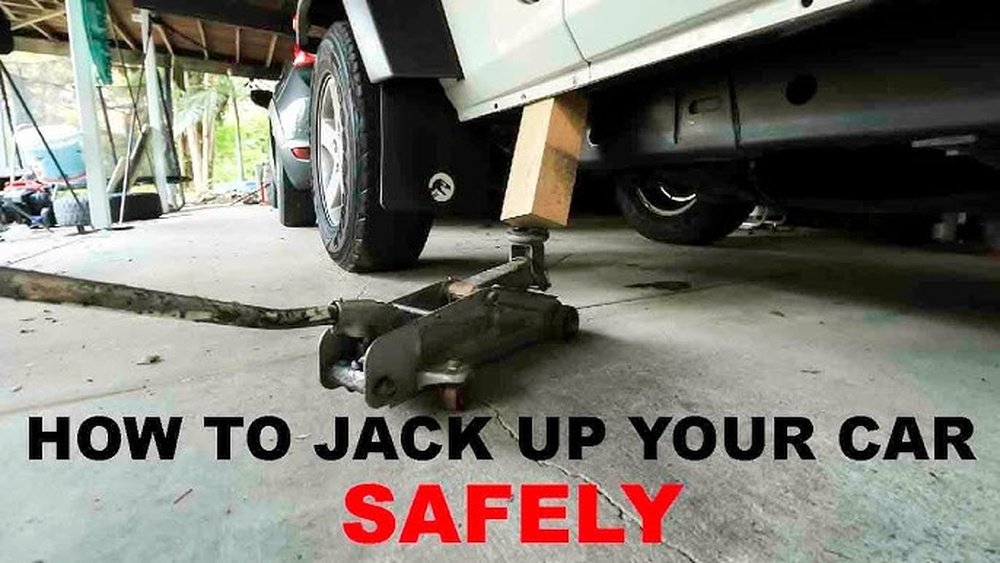
Jacking up a Jeep Wrangler is not as simple as lifting any regular car. The Wrangler is a rugged, off-road vehicle with a higher ground clearance and a strong frame. But because of its unique design, there are special steps and important safety rules you must follow. If you get it wrong, you can damage your Jeep, hurt yourself, or even cause an accident. This guide will show you how to jack up a Jeep Wrangler safely and avoid common mistakes, whether you are changing a tire on a trail or doing maintenance in your garage.
Many Wrangler owners are new to working on their vehicles. This article explains everything in simple words, with step-by-step instructions, practical tips, and safety advice. You will learn how to choose the right jack, where to place it, how to use jack stands, and what to watch out for.
Even if you have jacked up other cars before, a Wrangler can surprise you with its solid axles and unique lift points. By the end, you will feel confident lifting your Jeep without risking your safety or damaging your vehicle.
Why Jacking Up A Jeep Wrangler Needs Special Care
The Jeep Wrangler is built for off-roading, so it is designed differently from most cars. Its body-on-frame construction means the body sits on top of a strong steel frame, and it has solid axles instead of independent suspension. This design helps it handle tough trails, but it also means:
- The ground clearance is higher, so the jacking points are farther from the ground.
- The frame is very strong, but the body panels and suspension parts are not for lifting.
- The weight is not spread evenly—some parts are much heavier.
- Aftermarket lifts or larger tires can change the height and balance.
If you try to jack up a Wrangler using the wrong spots or tools, you can bend the frame, crush body panels, or even cause the Jeep to fall. Safety is always the top priority.
Tools And Equipment You Need
Before you start, make sure you have the right tools for the job. Using the wrong jack or not having enough support is risky. Here are the basic items you should have:
- Hydraulic floor jack (minimum 2-ton capacity, 3-ton is better)
- Jack stands (rated for at least 2 tons each)
- Wheel chocks (to stop the Jeep from rolling)
- Breaker bar or lug wrench (for removing lug nuts)
- Work gloves (protect your hands)
- Flashlight (if working in low light)
- Owner’s manual (for reference on jacking points)
Some Wrangler models come with a small factory scissor jack. This is only for emergency tire changes and not for regular maintenance. For any real work, always use a strong floor jack and jack stands.
Comparing Jack Types For A Jeep Wrangler
Below is a comparison of the most common jacks you might consider for your Wrangler.
| Jack Type | Capacity | Best For | Pros | Cons |
|---|---|---|---|---|
| Hydraulic Floor Jack | 2-3 tons | Home, garage, stable surfaces | Stable, easy to use, safe | Heavy, not for off-road |
| Bottle Jack | 2-12 tons | Trail use, emergencies | Compact, powerful | Less stable, small base |
| Hi-Lift Jack | Up to 7,000 lbs | Off-road recovery | Very tall lift, works in mud/sand | Risky if not trained, can slip |
Tip: For most home mechanics, a hydraulic floor jack and solid jack stands are the safest setup.
Preparing Your Jeep For Jacking
Before you lift your Wrangler, you need to make sure it will not move or roll. Skipping these steps is the number one cause of accidents.
- Find a flat surface. Never jack up your Jeep on a slope, gravel, or soft ground. If possible, use a garage floor or driveway.
- Engage the parking brake. This locks the rear wheels.
- Put the transmission in gear or Park. For automatics, use ‘P’. For manuals, use first gear or reverse.
- Chock the wheels. Place wheel chocks on both sides of the wheels that will stay on the ground.
- Check for stability. Gently shake the Jeep to make sure it will not roll.
Example: Why Surface Matters
If you try to jack up a Wrangler on loose dirt, the jack can sink into the ground, suddenly slip, and drop the vehicle. This can damage the axle or, worse, injure you. Always use a solid, level surface.
Understanding Jeep Wrangler Jack Points
Not every spot under your Wrangler is safe for lifting. You must use the recommended jack points—places designed to handle the weight. Using the wrong spot can bend parts or cause the Jeep to fall.
Main Jack Points For A Wrangler
- Frame rails: The two thick steel sections running under each side. These are the safest for a floor jack.
- Axle tubes: The round steel tubes connecting the wheels, used for lifting one axle at a time.
- Control arm brackets: Only in emergencies; not recommended for full lifts.
- Front and rear differential: Never use the center pumpkin (the middle bulge); it can be damaged.
Always check your owner’s manual for exact jack points. They may differ slightly by model year (e. g. , JK, JL, TJ).
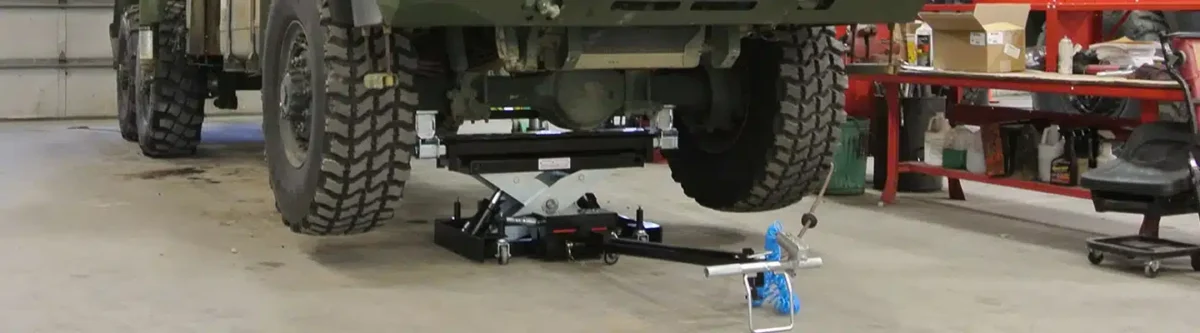
Typical Jacking Diagram
If you look under your Jeep, you’ll see the frame rails are the sturdiest, straight sections. The axle tubes are just behind the wheels. Avoid thin sheet metal, gas tank, or suspension parts.
Credit: standesign.ca
Step-by-step: How To Jack Up Your Jeep Wrangler Safely
Now let’s go through the process, step by step. Take your time and double-check each stage.
1. Get Your Tools Ready
Lay out your jack, jack stands, wheel chocks, and lug wrench. Wear work gloves and keep the owner’s manual handy.
2. Park And Secure The Jeep
Park on a flat surface, apply the parking brake, and chock the wheels. Put the transmission in Park or first gear.
3. Loosen The Lug Nuts (if Changing A Wheel)
Before lifting, use your breaker bar or lug wrench to loosen—do not remove—the lug nuts on the wheel you want to remove. Loosening now is safer because the wheel can’t spin.
4. Position The Jack
Place the floor jack under the frame rail or axle tube nearest the wheel you need to lift. The jack saddle (the lifting cup) should be centered on the jack point. Make sure the jack is flat on the ground.
5. Lift Slowly
Pump the jack handle to raise the Jeep. Go slowly and watch for any movement or shifting. Lift until the tire is just off the ground, or until you have enough height for your work.
6. Place Jack Stands
Never work under a Jeep supported only by a jack. Slide jack stands under the frame rail or axle, next to the jack but not touching it. Lower the Jeep gently onto the stands by slowly turning the jack’s release valve.
7. Double-check Stability
Give the Jeep a gentle push to make sure it does not wobble. The stands should sit flat and secure.
8. Remove The Wheel (if Needed)
With the Jeep secure, finish removing the lug nuts and take off the wheel.
9. Reverse Steps To Lower
When finished, put the wheel back on, hand-tighten the lug nuts, jack the Jeep up again just enough to remove the stands, then slowly lower it to the ground. Tighten the lug nuts in a star pattern.
Practical tip: Always keep your body parts out from under the Jeep while lifting or lowering. Only go under once the Jeep is secure on stands.
Common Mistakes To Avoid
Even experienced Jeep owners make these errors. Be aware, and you will avoid problems.
- Using the wrong jack point. This can bend or break suspension parts.
- Not using jack stands. Hydraulic jacks can fail; stands are your true safety.
- Jacking on uneven or soft ground. The Jeep can slide or fall.
- Forgetting to chock wheels. Even with the parking brake, the Jeep can roll.
- Using undersized jacks or stands. Always use tools rated for your Jeep’s weight.
- Overextending the jack. Never lift beyond the jack’s safe range; it can tip.
- Getting under the Jeep without checking stability. Always test with a gentle push.
Non-obvious insight: The Jeep’s solid axles can cause it to “teeter” when lifted on one side, making it less stable than cars with independent suspension. Always use two jack stands per side if lifting both wheels.
How To Choose The Right Jack And Jack Stands
Choosing the right equipment is crucial. Here’s what really matters:
Jack Capacity
A Jeep Wrangler weighs about 3,900 to 4,500 pounds, depending on the model and accessories. Your jack should handle at least half this weight for one end—so a 2-ton (4,000 pounds) jack is the bare minimum. A 3-ton jack is better, especially if you have larger tires or a lift kit.
Jack Height
Wranglers have higher ground clearance. Your jack must reach at least 18 inches of lift for lifted models. Some standard jacks only go to 14-16 inches.
Jack Stand Rating
Each stand should be rated for at least 2 tons. Never use cinder blocks, wood, or makeshift supports.
Base Size
Look for jacks and stands with wide, flat bases for better stability.
Quick Comparison: Jack Stand Ratings
| Stand Rating | Weight Supported (per stand) | Best Use |
|---|---|---|
| 2-ton | 4,000 lbs | One corner/wheel |
| 3-ton | 6,000 lbs | One axle, more stability |
| 6-ton | 12,000 lbs | Whole side, lifted Jeeps |
Tip: If you plan to do a lot of work or have a heavy, modified Jeep, invest in higher-rated stands.
Lifting One Wheel Vs. One Axle Vs. The Whole Jeep
There are different ways to jack up your Wrangler, depending on the job.
Lifting One Wheel
Best for changing a flat. Place the jack under the axle tube near that wheel.
Lifting One Axle
For brake jobs or tire rotations, you may need both wheels off the ground. Place the jack under the axle tube, then support both sides with jack stands.
Lifting The Whole Jeep
Rarely needed. Only do this with four high-quality stands, lifting each end separately.
Non-obvious insight: If you lift just one wheel, the solid axle will tilt, which can make the opposite wheel sit more firmly on the ground. This effect is less obvious on cars with independent suspension.
Special Considerations For Lifted Or Modified Wranglers
Many Jeep owners install lift kits or larger tires, which change the height and geometry of the vehicle. This affects jacking in several ways:
- You need a taller jack. Standard jacks may not reach the axle or frame.
- The Jeep can be less stable. The higher center of gravity increases the risk of tipping.
- Frame rails may have skid plates. You may need to adjust jack placement.
If you have a highly lifted Jeep, consider a Hi-Lift jack for off-road emergencies, but only use it if you have been trained—these jacks can be dangerous if misused.
Off-road Jacking: What To Do On Trails
Jacking up your Wrangler on a trail is very different from doing it in your garage. Here are key points:
- Look for the firmest ground possible. Avoid mud, sand, or loose gravel.
- Carry a wide base plate. This spreads the load for bottle or Hi-Lift jacks.
- Use recovery boards if stuck. They can act as a stable base.
- Be extra careful. Off-road jacking is much riskier due to uneven surfaces.
Practical example: If you get a flat tire in the sand, dig down until you find solid ground, place a wide board under your jack, and chock the other wheels with rocks.
What To Do If Your Jack Fails
Jack failure is rare but can happen. If the Jeep slips or the jack sinks:
- Do not panic or rush. Keep everyone away from the Jeep.
- Do not reach under the Jeep. Wait until it is stable.
- Use a backup jack or call for help. Do not try to reset the jack alone if the Jeep is unstable.
- Check for damage. Before driving, inspect the axles, suspension, and tires.
Tip: Always keep your phone handy when working alone.
Safety Tips That Can Save Your Life
Jacking up a vehicle is always risky. Here are essential tips:
- Never get under a Jeep supported only by a jack. Always use jack stands.
- Keep kids and pets away. It is not safe for them to be near.
- Wear gloves and eye protection. Dirt and rust can fall from under the Jeep.
- Check your tools for damage. Bent or cracked jacks/stands can fail.
- Work slowly and double-check everything. Rushing leads to mistakes.

Credit: www.youtube.com
Extra Equipment That Makes Jacking Safer
While not required, these items can make the process safer and easier:
- Low-profile ramps. Good for getting more clearance before jacking.
- Magnetic jack pads. Prevent slipping and protect the frame.
- Torque wrench. For tightening lug nuts to factory spec.
- Flashlight or work light. See what you are doing, especially at night.
After Jacking: Tire Change And Torque Tips
If you have jacked up your Wrangler to change a tire, follow these steps for safety:
- Install the spare and hand-tighten the lug nuts.
- Lower the Jeep onto the ground.
- Tighten the lug nuts in a star pattern. This helps the wheel seat evenly.
- Use a torque wrench to finish. Most Wranglers require about 95-115 ft-lbs of torque.
Pro tip: Check the lug nut torque again after driving 50-100 miles.

Credit: www.walser.com
Quick Reference: Lug Nut Torque Specs
| Model Year | Lug Nut Torque (ft-lbs) |
|---|---|
| 1997–2006 (TJ) | 95 |
| 2007–2018 (JK) | 100 |
| 2018–present (JL) | 130 |
Always confirm with your owner’s manual, as specs can change.
Jeep Wrangler Jacking: Real-world Example
Let’s say you are on a road trip and get a flat tire. Here’s how you would safely jack up your Wrangler:
- Find a flat, firm surface off the road.
- Set the parking brake and put the Jeep in Park.
- Chock the wheels on the opposite side.
- Loosen the lug nuts slightly.
- Position the jack under the axle tube near the flat.
- Lift until the tire is just off the ground.
- Place a jack stand under the frame or axle.
- Remove the lug nuts and tire.
- Install the spare, hand-tighten nuts.
- Lower the Jeep, then torque the nuts in a star pattern.
Tip: Keep a pair of gloves and a knee pad in your Jeep for emergencies.
When To Call For Help
Some situations are too risky for DIY jacking:
- The ground is unstable or sloped.
- The Jeep is stuck in deep mud or sand.
- The jack or stands are damaged.
- You do not feel comfortable.
There is no shame in calling for roadside assistance or a tow. Safety always comes first.
Extra Tips For Beginners
- Practice at home first. Try jacking up your Jeep in your driveway before you need to do it on the road.
- Inspect your tools every few months. Rust or cracks can cause failure.
- Label your jack points. Use a paint pen for quick reference.
- Carry extra fuses and gloves. You never know what you might need on a trip.
Where To Learn More
For official diagrams and safety recalls, always check your Jeep owner’s manual or visit NHTSA’s official site for vehicle safety information.
Frequently Asked Questions
How Do I Know If My Jack Is Strong Enough For My Jeep Wrangler?
Your jack should be rated for at least 2 tons (4,000 pounds), but a 3-ton jack is better. Check the label on your jack or the manual. If you have a heavy-duty bumper or extra gear, go for a stronger jack.
Can I Use The Jeep’s Factory Scissor Jack For Regular Maintenance?
The factory jack is only for emergency tire changes and is not strong or stable enough for routine work. For oil changes, brake jobs, or other repairs, always use a hydraulic floor jack and jack stands.
Where Are The Safest Jack Points On A Jeep Wrangler?
The safest jack points are the frame rails (for lifting the whole side) and the axle tubes (for lifting one wheel or axle). Do not use the differential housing or suspension arms as main jack points.
Is It Safe To Jack Up A Lifted Jeep Wrangler?
Yes, but you need a jack with a higher lift range and stronger stands. The Jeep will be less stable due to the higher center of gravity. Always work on level ground and use wide-base stands.
What Should I Do If My Jeep Falls Off The Jack?
Keep everyone away from the vehicle. Do not try to lift or move it alone. Use a second jack, call for help, or contact roadside assistance. Check for vehicle damage before driving.
With these tips, you now have the knowledge to jack up your Jeep Wrangler safely. Take your time, use the right tools, and always put safety first. That way, you can enjoy all the adventures your Jeep offers—without unwanted surprises.