
Vertical gardening is changing the way people grow plants, especially in cities where space is limited. Instead of spreading out, you grow up. This approach is perfect for apartments, balconies, small backyards, or even inside your home. But vertical gardening isn’t just about saving space.
It can also make your home look beautiful and help you grow more healthy food, even if you don’t have much land. If you’re curious about starting, this guide will walk you through everything you need to know—from choosing the right system to keeping your plants healthy all year round.
What Is Vertical Gardening?
Vertical gardening means growing plants on structures that go up instead of out. These structures can be walls, shelves, hanging pockets, or stacked containers. You may have seen green walls in office buildings or small herb gardens in kitchens. The main idea is to use vertical space, which is often wasted, to grow flowers, vegetables, or even fruit.
Vertical gardening started as a solution to urban space issues but has become popular everywhere. It can help reduce heat in buildings, clean the air, and even make people feel happier and less stressed. You don’t need a yard to enjoy fresh lettuce or colorful flowers—just a wall, fence, or railing.
Why Choose Vertical Gardening?
There are many reasons people love vertical gardening. Some of the most important benefits include:
- Space-saving: Perfect for small apartments, balconies, or patios.
- Better air quality: Plants can filter toxins and produce oxygen.
- Easier maintenance: Less bending, fewer weeds, and better pest control.
- Higher yields: You can grow more plants in less space.
- Aesthetic appeal: Green walls and hanging gardens look amazing.
But beginners often miss a few key points. For example, vertical gardens dry out faster than ground gardens, so you need to watch water and nutrients more closely. Also, not every plant is suited for growing up—some need extra support or special soil.
Types Of Vertical Gardening Systems
Choosing the right system is the first big step. Here’s a breakdown of the main types, with their pros and cons.
| System Type | Best For | Pros | Cons |
|---|---|---|---|
| Trellises & Arbors | Climbing vegetables, vines | Low cost, easy setup | Needs strong support, not for all plants |
| Wall Planters/Pockets | Herbs, flowers, small greens | Easy access, decorative | Dries out fast, limited root space |
| Stacked Containers | Strawberries, lettuce, small plants | Good for patios, movable | Needs regular watering, may tip over |
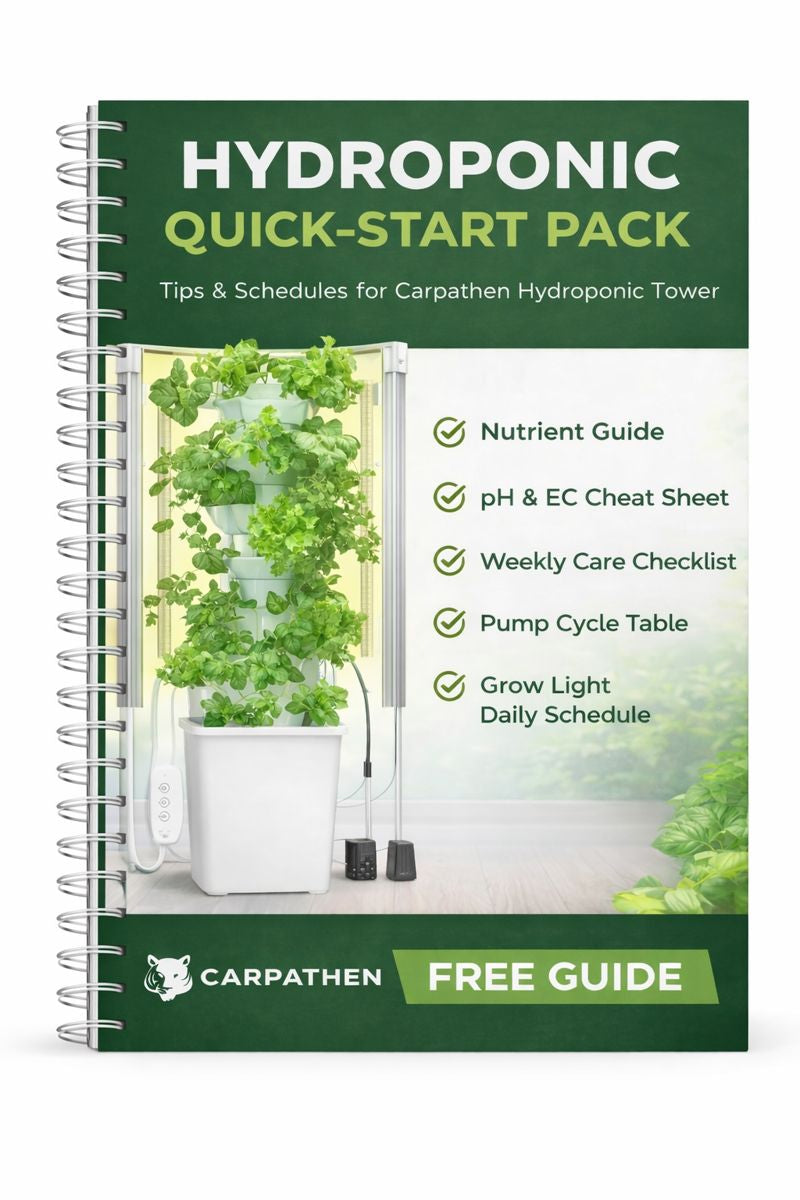
| Hydroponic Towers | Lettuce, herbs, leafy greens | No soil, fast growth | Expensive, technical setup |
| Pallet Gardens | Mixed crops, flowers | Cheap, upcycled | Heavier, may leach chemicals |
Each system has its own strengths. For example, hydroponic towers can grow food quickly without soil, but they cost more and need electricity. On the other hand, trellises are simple and cheap, but only work for climbing plants.
How To Plan Your Vertical Garden
Planning is the foundation of a successful vertical garden. The right plan saves time, money, and disappointment.
1. Assess Your Space
Look at your available area. Is it sunny or shady? Indoors or outdoors? How much weight can your wall or fence support? These questions help you choose the right system and plants.
- South-facing walls get the most sun and work well for most plants.
- North-facing walls get less light, better for ferns or shade-loving greens.
- If you’re inside, check for enough light—many vegetables need at least 6 hours daily.
2. Decide What To Grow
Not all plants are good for vertical gardens. Here are popular choices:
- Herbs: Basil, mint, parsley, chives
- Leafy greens: Lettuce, spinach, arugula
- Small fruits: Strawberries, cherry tomatoes
- Flowers: Petunias, pansies, nasturtiums
- Vines: Beans, peas, cucumbers
Some plants, like large tomatoes or squash, need strong support and more space. Beginners often try to grow heavy crops in wall pockets, which usually fail.
3. Choose The Right Structure
Match your plant choice with the best system. For example, strawberries do well in stacked pots, while beans need a strong trellis. If you rent, consider systems that don’t attach permanently to walls.
4. Plan For Watering
Vertical gardens dry out faster because water drains down quickly. This is one of the biggest challenges and a common mistake for beginners. Consider adding a drip system or self-watering planters.
5. Think About Maintenance
Place your garden where you can easily reach all plants for pruning, harvesting, and checking for pests. This will keep your garden healthy and productive.
Credit: lloriax.com
Essential Tools And Materials
You don’t need expensive equipment to start vertical gardening, but a few basics make things easier:
- Sturdy frames or supports: Metal, wood, or plastic, depending on your system
- Planters or containers: Wall pockets, pots, or recycled bottles
- Quality potting soil: Light, drains well, contains nutrients
- Watering can or drip system: Keeps plants hydrated
- Fertilizer: Slow-release or liquid, depending on your plants
- Hooks, screws, or ties: For attaching your system to walls or fences
- Trellis netting or wire: For climbing plants
Some gardeners add extra tools like moisture meters, but these are optional.
Step-by-step Guide To Setting Up A Vertical Garden
Setting up your first vertical garden can feel overwhelming, but breaking it down makes it manageable.
Step 1: Choose Your Location
Pick a spot with enough sunlight (at least 4-6 hours for most plants). Make sure your wall, fence, or balcony can hold the weight of your system when filled with soil and water.
Step 2: Select Your Structure
Decide whether you want a living wall, a set of stacked pots, or a simple trellis. If you’re renting or worried about damage, use free-standing racks or hanging systems.
Step 3: Prepare Your Containers
Fill planters with a high-quality potting mix. Avoid using garden soil—it’s too heavy and can bring pests.
- For wall pockets: Add a layer of small stones or perlite at the bottom for drainage.
- For stacked containers: Make sure there are drainage holes at every level.
Step 4: Plant Your Seeds Or Seedlings
Place larger plants at the bottom and smaller ones at the top. This helps with watering—gravity brings nutrients down. For climbing plants, start them at the bottom and train them up the support.
Step 5: Install Your Structure
Attach your system securely. For wall gardens, use wall anchors and make sure the weight is spread out. For trellises, drive stakes deep enough to stand up to wind.
Step 6: Water And Feed
Water gently but deeply. Vertical gardens often need watering every day in summer. Feed plants with fertilizer every 2-4 weeks, depending on the type.
Step 7: Maintain Regularly
Check for pests, yellow leaves, or dry spots every few days. Trim dead growth to keep plants healthy. Replenish soil and fertilizer as needed.
Best Plants For Vertical Gardening
Some plants are better than others for growing up. Here’s a quick comparison of popular choices:
| Plant | Growth Habit | Light Needs | Special Care |
|---|---|---|---|
| Lettuce | Compact, leafy | 6+ hours sun | Keep moist, harvest often |
| Strawberries | Trailing, small fruit | 6+ hours sun | Needs regular feeding |
| Basil | Bushy herb | 6+ hours sun | Pinch off flowers |
| Beans (pole) | Climbing vine | 6-8 hours sun | Strong support needed |
| Ferns | Arching, leafy | Shade | Keep humid |
| Pothos (ornamental) | Trailing vine | Low to medium | Trim regularly |
Non-obvious tip: Start with herbs and leafy greens if you’re a beginner. They’re forgiving and grow quickly, giving you fast results.
Watering And Fertilizing Tips
Watering is the hardest part of vertical gardening for most people. Since water runs down, the top plants dry out first and the bottom can get too wet. Here’s how to get it right:
- Water from the top, slowly, so water has time to soak in.
- Check soil moisture with your finger—if it feels dry, it’s time to water.
- In summer, water every morning. In winter, every other day may be enough.
- Use mulch on top of soil to keep moisture in.
- For hydroponic systems, check water levels and nutrients every few days.
Fertilizing is just as important. Vertical gardens lose nutrients faster, so feed plants every 2-4 weeks with a balanced liquid fertilizer. For flowers, use a bloom booster. For vegetables, a general-purpose fertilizer works best.
Beginner insight: Many people overwater, causing root rot, especially in lower pockets. It’s better to water a little, then check again later, than to flood your plants.
Light And Temperature Considerations
Most edible plants need at least 6 hours of sunlight per day. If your wall or balcony doesn’t get enough, you have two choices:
- Grow shade-tolerant plants: Ferns, spinach, mint, and some lettuces do well in low light.
- Add grow lights: LED grow lights can make indoor gardening possible year-round. They use little energy and fit into most spaces.
Temperature is also important. Most vertical gardens do best between 60°F and 80°F (15°C–27°C). If you live in a hot area, provide shade during the hottest part of the day. For cold areas, use frost cloth or bring portable systems inside during winter.
Dealing With Pests And Diseases
Vertical gardens can have fewer problems than ground gardens, but pests still find their way in. Here’s what to look out for:
- Aphids: Tiny bugs that suck sap. Wash off with water or use insecticidal soap.
- Spider mites: Look for webbing and yellow spots. Increase humidity and spray with neem oil.
- Fungal diseases: Caused by overwatering or poor air flow. Space plants well and avoid wetting leaves.
- Slugs/snails: Less common in vertical gardens but can still climb.
Pro tip: Place aromatic herbs (like basil or mint) near other plants to deter pests naturally.

Credit: www.amazon.com
Creative Vertical Garden Ideas
Vertical gardening is about more than just saving space. It’s a chance to get creative and personalize your home. Here are some unique approaches:
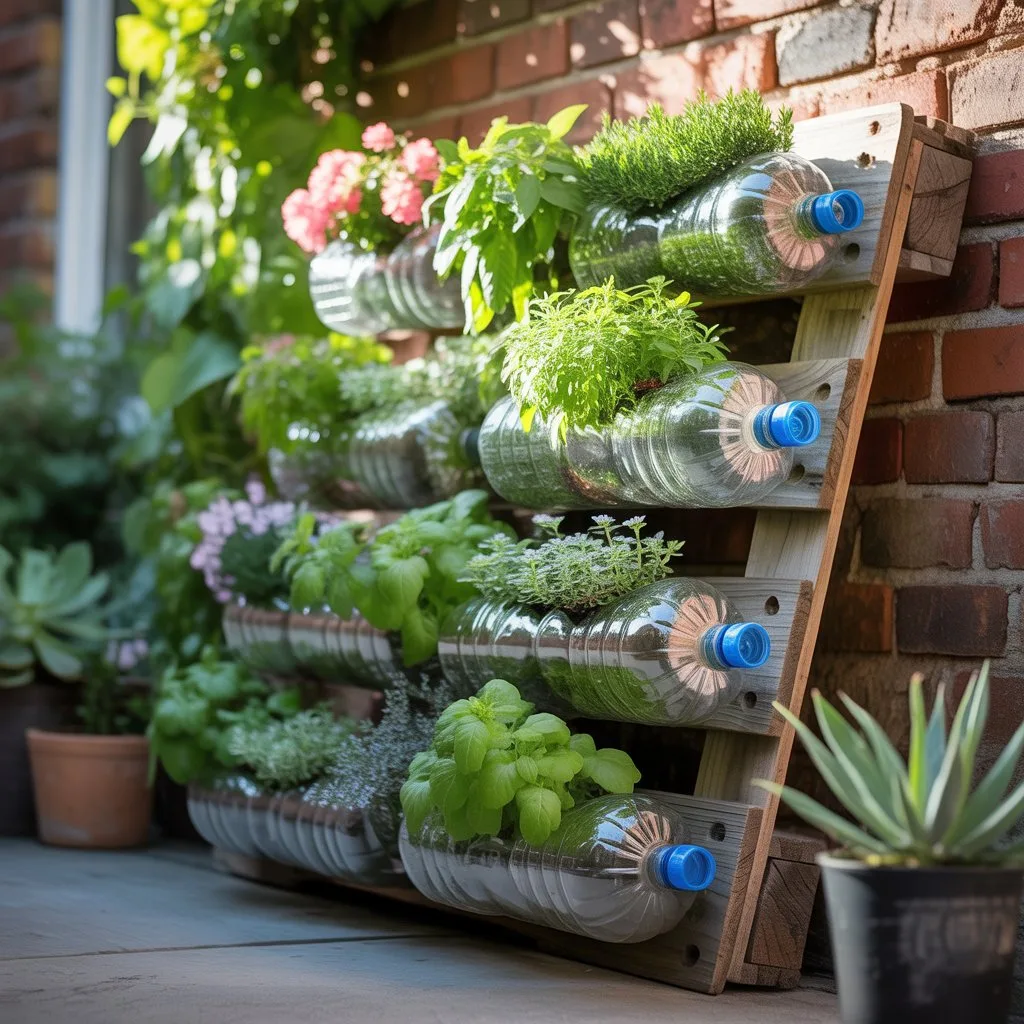
- Use recycled materials: Old pallets, plastic bottles, or shoe organizers make great planters.
- Mix plants: Combine herbs, flowers, and small veggies in one display for color and variety.
- Living walls: Cover a whole wall with ferns and moss for a stunning, air-purifying feature.
- Hanging gardens: Suspend pots from the ceiling for a “floating” effect.
- Artistic patterns: Arrange plants in shapes or patterns for a modern look.
One non-obvious idea: Add small succulents to the edges of your structure. They need little water and fill gaps with interesting shapes.
Common Mistakes And How To Avoid Them
Beginners often get excited and rush in, which leads to problems. Here are some common mistakes—and how to avoid them:
- Overloading the system: Too many plants make watering hard and block sunlight. Start small.
- Ignoring drainage: Without proper drainage, roots rot. Always use containers with holes.
- Choosing the wrong plants: Not all plants grow well vertically. Stick to recommended types.
- Forgetting about support: Heavy fruit needs strong frames. Use metal or strong wood for crops like tomatoes.
- Watering too much or too little: Check soil moisture often, especially in the first few weeks.
Advanced tip: Keep a garden journal. Note what works, what dies, and when you water. This will help you improve every season.
Credit: carpathen.com
Year-round Vertical Gardening
You don’t have to stop gardening when the weather changes. With the right setup, you can grow all year:
- Indoors: Use LED grow lights and keep plants near windows.
- Moveable systems: Place pots on wheeled racks to move them inside during cold weather.
- Cold frames or mini-greenhouses: Cover your vertical garden with clear plastic to keep it warm.
- Choose seasonal crops: Grow cool-loving greens in winter, and switch to tomatoes or peppers in summer.
One insight: Many people forget to rotate indoor gardens for even light. Turn your structure every week so all plants grow straight.
Budgeting For A Vertical Garden
Vertical gardening can be affordable or expensive, depending on your choices. Here’s a comparison of common costs:
| Item | Low Cost Option | Premium Option | Notes |
|---|---|---|---|
| Structure | DIY pallets ($10-20) | Custom living wall ($200+) | DIY saves money, but less durable |
| Containers | Recycled bottles (free) | Designer pots ($15 each) | Mix and match for variety |
| Soil | Basic potting mix ($8/bag) | Organic blend ($20/bag) | Buy quality for edibles |
| Plants | Seeds ($2-5/pack) | Large seedlings ($5-10 each) | Seeds are cheaper, slower |
| Watering system | Manual ($0) | Drip system ($50+) | Drip saves time, water |
You can start a small vertical garden for under $50 using recycled containers, seeds, and homemade frames. Or, invest in a hydroponic tower for $200 or more. Both methods produce great results—the key is to match your garden to your budget and needs.
Eco-friendly Vertical Gardening
Vertical gardens can help the environment in several ways. By growing your own food, you reduce transportation emissions. Green walls also cool buildings, lower energy bills, and absorb carbon dioxide.
To make your garden even greener:
- Use recycled materials for containers and supports.
- Collect rainwater for irrigation.
- Choose organic seeds and fertilizers.
- Compost plant waste to feed your garden.
According to a study by the University of Sheffield, vertical gardens on buildings can reduce the need for air conditioning by up to 20% during hot months (read more).
Tips For Success
As you get started, keep these final tips in mind:
- Start small: Test one system before expanding.
- Observe daily: Small changes (yellow leaves, drooping) tell you what plants need.
- Be patient: Not every plant will thrive. Learn from failures.
- Mix edible and ornamental: This gives you beauty and food together.
- Get family involved: Kids especially love picking strawberries or mint from the wall.
Frequently Asked Questions
How Often Should I Water A Vertical Garden?
Most vertical gardens need watering every day in hot weather, especially outdoors. Indoors or in cool weather, check soil moisture every two to three days. Always adjust based on how dry the soil feels.
Can I Grow Vegetables In A Vertical Garden?
Yes! Leafy greens, herbs, beans, peas, and even small tomatoes can grow well in vertical systems. Just make sure the structure is strong enough for heavier crops.
What Is The Best Soil For Vertical Gardening?
A lightweight, high-quality potting mix works best. It should hold moisture but drain well. Avoid using plain garden soil—it can be too heavy and compact in vertical containers.
How Do I Prevent Pests In My Vertical Garden?
Keep plants healthy with regular water and fertilizer. Place strong-smelling herbs (like mint or basil) nearby to deter pests. Check leaves often and remove any bugs you find by hand or with a gentle spray.
Can I Make My Own Vertical Garden System?
Absolutely. Many gardeners use recycled pallets, bottles, or old shelves. Just make sure your setup drains well and is strong enough to hold wet soil and plants.
Vertical gardening opens a new world for those with little space or time. It brings fresh food, beauty, and even better air into your home or apartment. Whether you want a few herbs by the kitchen or a full green wall, the possibilities are endless.
Start simple, observe your plants, and enjoy the rewards of growing up—literally.