
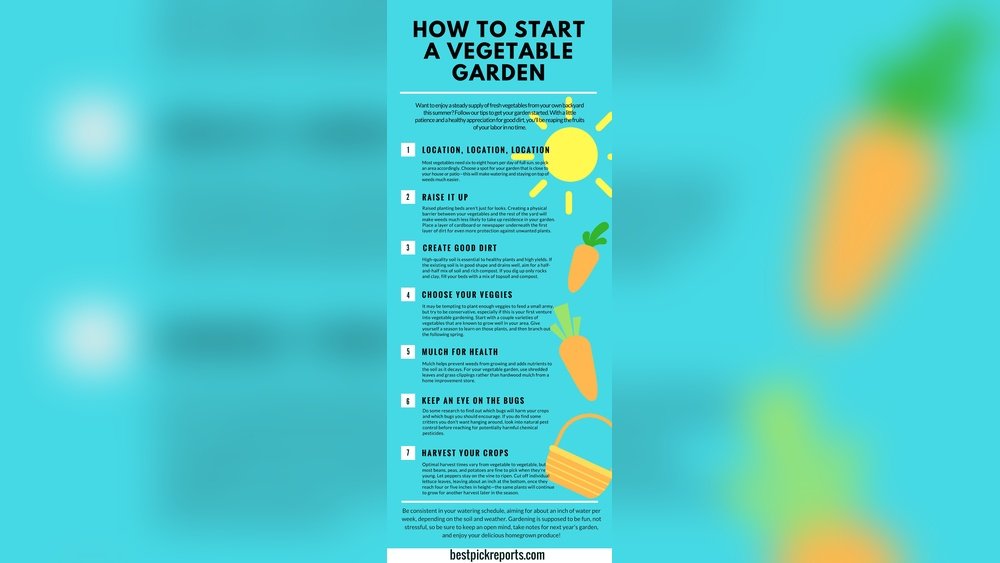
Starting a vegetable garden is a smart way to enjoy fresh food, save money, and spend time outdoors. Many beginners worry they need special skills or expensive tools. But the truth is, anyone can start a vegetable garden—even if you have never grown a plant before.
With simple steps, clear guidance, and a bit of patience, you can turn a small space into a productive garden. Whether you have a backyard, balcony, or even a sunny windowsill, this guide will show you how to start a vegetable garden from scratch, avoid common mistakes, and enjoy homegrown vegetables.
Choosing The Best Location For Your Vegetable Garden
Picking the right spot is the first step. Vegetables need sunlight, good soil, and access to water.
Sunlight
Most vegetables require at least 6 hours of sunlight each day. Some, like tomatoes and peppers, prefer more—8 hours or more. If your space is shady, try leafy greens like spinach or lettuce, which tolerate less sun.
Soil Quality
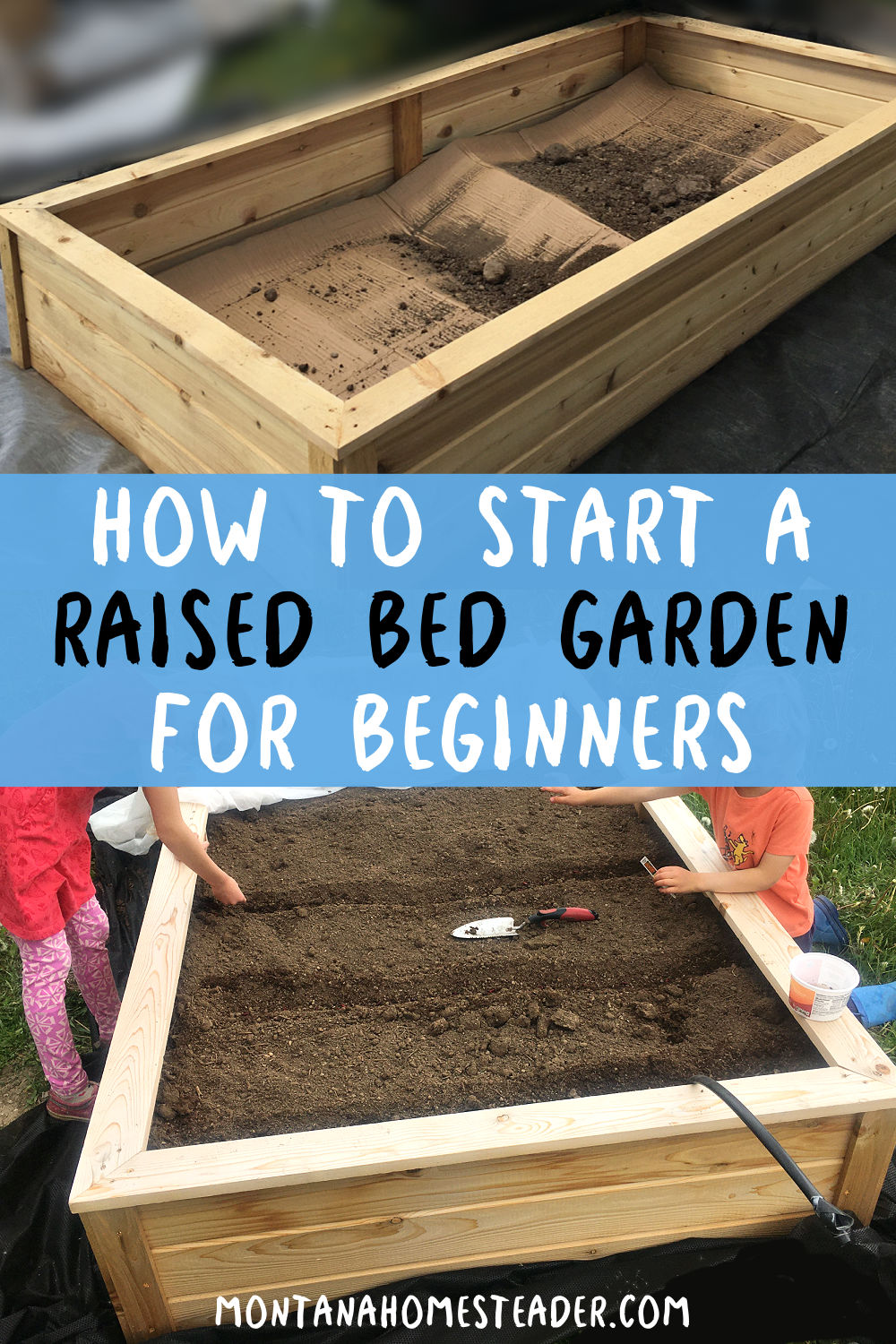
Healthy soil is the foundation. Avoid areas with compacted dirt or places where water stands after rain. The best soil is loose, rich in organic matter, and drains well. If your natural soil is poor, consider raised beds or large containers.
Water Access
Gardens need regular watering, especially during dry spells. Choose a spot close to a hose or where carrying water won’t be a hassle. If you rely on rain, check the area for adequate drainage.
Non-obvious Insight
Beginners often forget to check for tree roots and overhanging branches. These can compete with your vegetables for nutrients and block sunlight. Walk around your garden area midday to see where shadows fall.
Deciding What To Grow: Picking Beginner-friendly Vegetables
Not all vegetables are easy for beginners. Start with plants that grow quickly, need little care, and produce well.
- Lettuce – Fast-growing, tolerates cool weather, harvestable in 30 days.
- Radishes – Ready in 20–30 days, rarely troubled by pests.
- Spinach – Grows in partial shade, good for small spaces.
- Carrots – Needs loose soil, can be grown in containers.
- Green beans – Bush varieties are simple; pole beans need support.
- Tomatoes – Easy from seedlings, produce abundantly.
- Zucchini – Grows fast, high yields, but needs space.
- Cucumbers – Climbing types save space; bush types for containers.
- Peppers – Colorful, easy to grow from starts, need warmth.
- Herbs – Basil, parsley, and mint are quick and forgiving.
Practical Example
If you have a small area, try lettuce, spinach, and radishes. For a larger garden, add tomatoes and zucchini. Mixing herbs with vegetables improves flavor and attracts pollinators.
Common Mistake
New gardeners often plant too many types at once. Start with 3–5 vegetables. This makes care easier and helps you learn quickly.
Planning Your Garden Layout
A well-planned layout makes gardening easier and increases harvest. Think about spacing, plant heights, and how you will reach each plant.
Garden Layout Types
- Rows: Good for large plots. Makes watering and weeding easier.
- Raised beds: Ideal for poor soil or small spaces. Better drainage.
- Containers: Perfect for patios, balconies, or indoors.
Sample Layout For A Small Garden
Here is a comparison of garden layout options:
| Layout Type | Space Needed | Best For | Maintenance |
|---|---|---|---|
| Rows | 100+ sq ft | Backyards | Easy to weed |
| Raised Beds | 20-50 sq ft | Poor soil/small spaces | Less bending |
| Containers | 1-10 sq ft | Balconies/windowsills | Low effort |
Spacing And Planting Tips
- Leave enough space between plants for air flow. This prevents disease.
- Taller plants (like tomatoes) should go at the north side so they don’t shade shorter ones.
- Use paths between rows or beds to avoid stepping on soil and compacting it.
Non-obvious Insight
Many beginners don’t realize that some vegetables (like zucchini or cucumbers) spread widely. Keep sprawling plants at the edges so they don’t crowd others.
Preparing The Soil For Planting
Healthy soil is more important than expensive fertilizers. Spend time preparing your garden for the best results.
Steps To Prepare Garden Soil
- Remove weeds and grass – Dig out roots to prevent regrowth.
- Loosen the soil – Use a shovel or garden fork to break up compacted dirt to a depth of 8–12 inches.
- Add organic matter – Mix in compost or aged manure. This improves soil structure and nutrients.
- Test your soil – Use a home test kit to check pH (ideal is 6.0–7.0 for most vegetables).
- Adjust soil if needed – Add lime to raise pH, sulfur to lower it.
Comparison: Natural Vs. Improved Soil
| Soil Type | Drainage | Plant Growth | Effort Needed |
|---|---|---|---|
| Natural Soil | Variable | Slower | High |
| Improved Soil (with compost) | Good | Faster, healthier | Medium |
Common Mistake
Many new gardeners skip soil improvement. Poor soil leads to weak plants and low harvest. Even a small addition of compost makes a big difference.
Choosing Seeds Or Seedlings: What’s Best For Beginners?
You can start a garden from seeds or buy young plants (called seedlings or transplants). Each has benefits.
Seeds
- Cheaper than buying plants.
- More variety, including rare or heirloom types.
- Some vegetables (like radishes, carrots, beans) grow easily from seed.
Seedlings
- Faster harvest – You skip the slow early stage.
- Less risk of failed germination.
- Good for tomatoes, peppers, and herbs.
How To Choose
- For leafy greens and root vegetables, use seeds.
- For fruiting plants (tomatoes, peppers), buy seedlings from a nursery.
Example
If you want tomatoes and basil, buy seedlings. For lettuce and carrots, sow seeds directly in the soil.
Non-obvious Insight
Seed packets often show “days to harvest” from seed. Seedlings reduce this time by 2–4 weeks. This matters if your growing season is short.
Planting Your Vegetables: Step-by-step Guide
Now it’s time to plant. Follow these steps for best results:
- Read instructions – Each seed packet or plant label gives depth and spacing.
- Mark rows or spots – Use stakes, string, or your finger.
- Plant seeds – Push into soil at the recommended depth. Cover lightly.
- Plant seedlings – Dig a hole twice as wide as the root ball. Place the plant, fill with soil, and press gently.
- Water immediately – This helps roots settle and starts growth.
- Mulch – Add straw, leaves, or wood chips around plants. Mulch keeps soil moist and stops weeds.
Practical Advisor Tip
Don’t plant seeds too deep. Most should be just under the surface—about two times their diameter. Too deep and they may not sprout.
Common Mistake
Many beginners overwater after planting. Wet soil is good, but soggy soil can rot seeds. Check soil moisture daily.

Credit: www.hariththarang.com
Watering: How Much And How Often?
Vegetables need consistent water, but not all at once.
How Much Water?
- Most gardens need 1–1.5 inches of water per week.
- Check soil: If the top inch is dry, water deeply.
- Early morning is best. This prevents disease.
Watering Methods
- Hand watering: Good for small gardens.
- Soaker hoses: Delivers water directly to roots.
- Drip irrigation: Saves water, ideal for larger gardens.
Comparison: Watering Methods
| Method | Cost | Ease | Water Efficiency |
|---|---|---|---|
| Hand watering | Low | Easy for small spaces | Medium |
| Soaker hose | Medium | Simple to use | High |
| Drip irrigation | High | Set up once | Very high |
Non-obvious Insight
Beginners often water leaves, not roots. Watering roots prevents disease and helps plants grow strong.
Fertilizing: Feeding Your Vegetable Garden
Plants use nutrients in soil as they grow. Fertilizing replaces what is lost.
Types Of Fertilizers
- Organic: Compost, manure, fish emulsion. Slow release, safe for soil.
- Synthetic: Granular or liquid. Fast acting, but can harm soil if overused.
How And When To Fertilize
- Apply compost before planting.
- Use a balanced fertilizer (like 10-10-10 NPK) after plants are established.
- Repeat every 4–6 weeks during growing season.
Example
If your tomatoes look pale or grow slowly, add compost or a tomato-specific fertilizer. Follow instructions—too much can burn plants.
Common Mistake
Many new gardeners add fertilizer too often. Plants only need small amounts. Always start with less, and increase only if needed.
Protecting Your Garden From Pests And Diseases
Every garden faces threats from insects, animals, and plant diseases. Prevention is key.
Common Pests
- Aphids: Tiny insects on leaves. Spray with water or use insecticidal soap.
- Slugs: Eat holes in leaves. Remove by hand or use barriers.
- Caterpillars: Pick off, or use organic sprays.
Preventing Disease
- Water at the base, not on leaves.
- Remove dead or yellowing leaves.
- Rotate crops yearly—don’t plant the same vegetable in the same spot.
Organic Pest Control Tips
- Plant marigolds or nasturtiums. These flowers repel insects.
- Use row covers to protect young plants.
Non-obvious Insight
Often, insects are not as harmful as they look. A few pests won’t ruin your crop. Only treat if damage is severe.
Harvesting Your Vegetables
Harvest time is the reward for your effort. Picking at the right time means better flavor and more food.
When To Harvest
- Lettuce and spinach: When leaves are big enough to eat, before they get tough.
- Carrots and radishes: When roots reach full size, usually 30–40 days.
- Tomatoes and peppers: When fruits are fully colored and firm.
- Zucchini and cucumbers: When small and tender—large fruit can be bitter.
How To Harvest
- Use clean scissors or hands.
- Pull gently to avoid damaging plants.
- Harvest regularly—this encourages more growth.
Example
Pick lettuce leaves from the outside, leave the inner leaves to grow. This gives you several harvests from one plant.
Non-obvious Insight
Don’t wait for vegetables to look “perfect. ” If they are edible and healthy, harvest them. Overripe vegetables attract pests and reduce plant health.
Credit: montanahomesteader.com
Seasonal Gardening: Timing Your Planting
The right timing depends on your climate and growing season.
Spring Planting
- Cool-weather crops like lettuce, spinach, and peas.
- Plant as soon as soil can be worked (not frozen).
Summer Planting
- Warm-weather crops like tomatoes, peppers, zucchini, beans.
- Wait until all danger of frost is gone.
Fall Planting
- Short-season crops—radishes, spinach, lettuce.
- Plant 6–8 weeks before first frost.
Data Example
In the US, the average frost-free season is 120–150 days. Check local gardening calendars for exact dates.
Common Mistake
Planting too early or late can mean weak plants. Always check your local frost dates before planting.
Tools And Supplies You Need
You don’t need expensive equipment. Start with a few basics.
- Shovel or spade – For digging and turning soil.
- Garden fork – Loosens soil, removes weeds.
- Hand trowel – Small digging tool for planting.
- Watering can or hose – Essential for daily care.
- Gloves – Protect hands from thorns, dirt, and pests.
- Pruning shears – For harvesting or trimming plants.
Useful Add-ons
- Mulch – Keeps soil moist, suppresses weeds.
- Plant labels – Mark varieties and planting dates.
- Compost bin – Recycles kitchen waste into fertilizer.
Non-obvious Insight
Buy tools that fit your hand size and strength. Heavy or large tools can tire beginners quickly.
Troubleshooting: Solving Common Beginner Problems
Even with care, problems can happen. Here are some solutions.
Plants Not Growing Well
- Check sunlight and water.
- Add compost or fertilizer.
- Inspect for pests.
Yellow Leaves
- Could be overwatering, nutrient deficiency, or disease.
- Water less, check soil, add balanced fertilizer.
Wilting Plants
- Usually dry soil. Water deeply.
- If soil is wet, roots may be rotting—improve drainage.
Poor Harvest
- Too little sunlight, overcrowding, or low soil fertility.
- Thin plants, move pots, or add compost.
Practical Example
If your tomatoes have brown spots, search for “blight. ” Remove affected leaves and use copper spray if needed.
Expanding Your Garden: Next Steps For Success
Once you feel confident, try these ways to grow more.
Companion Planting
Planting certain vegetables together improves growth. For example:
- Tomatoes and basil – Basil repels pests and improves flavor.
- Carrots and onions – Onions deter carrot flies.
Succession Planting
Plant new seeds every few weeks. This gives you a steady supply instead of all vegetables at once.
Crop Rotation
Rotate crops each year to prevent disease. Don’t plant the same vegetable in the same spot two years in a row.
Joining A Community
Many cities offer community gardens. These spaces let you learn from others, share tools, and grow more. Check local listings or visit the USDA Community Food Projects for resources.

Credit: potshack.net
Frequently Asked Questions
How Much Space Do I Need To Start A Vegetable Garden?
You can start with as little as 1–2 square feet using containers or a windowsill. For larger gardens, a 10×10 foot area is enough for several types of vegetables.
What Is The Easiest Vegetable For Beginners?
Radishes and lettuce are both easy, fast, and reliable. They don’t need much care and grow in most climates.
How Often Should I Water My Vegetable Garden?
Water deeply once or twice a week, depending on weather and soil. More frequent watering may be needed during hot spells.
Can I Grow Vegetables Indoors?
Yes. Use containers with drainage, place them near a sunny window, and choose small plants like herbs, lettuce, or cherry tomatoes.
What Should I Do If My Plants Get Pests?
First, remove pests by hand or spray with water. Use organic solutions like insecticidal soap. Only use chemicals as a last resort.
Starting a vegetable garden is rewarding and easier than you might think. With the right spot, healthy soil, and careful planning, you’ll enjoy fresh food, learn new skills, and gain confidence as a gardener. Remember, mistakes are part of the process—every season brings new lessons and better harvests.
Happy gardening!