
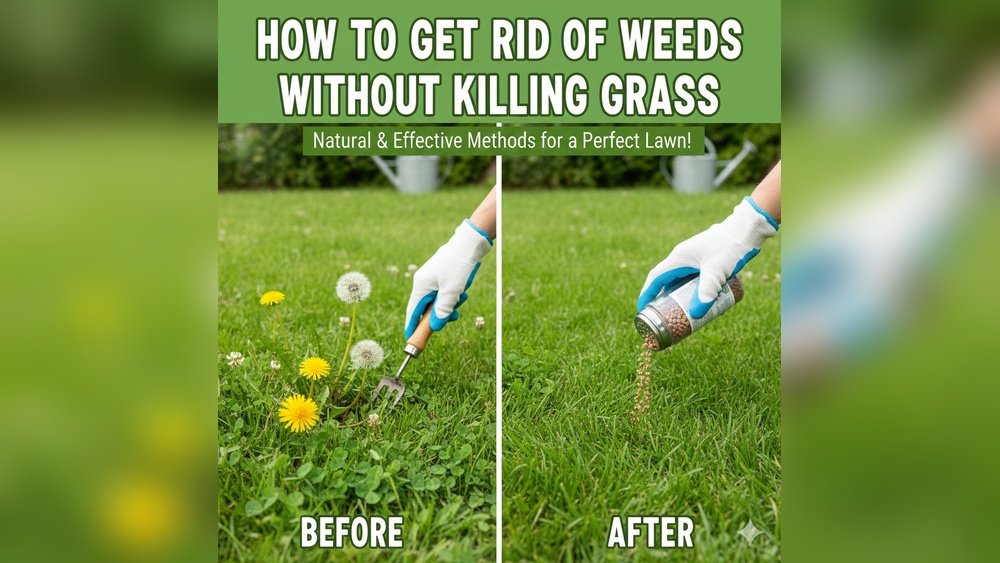
Many people dream of a lush green lawn, but weeds can quickly ruin this vision. Weeds are unwanted plants that compete with grass for sunlight, water, and nutrients. They make lawns look messy and can spread fast if not controlled. While chemical weed killers are popular, many homeowners want safer, eco-friendly ways to manage weeds. Chemicals can harm pets, children, wildlife, and even damage soil health over time. This guide will show you how to kill weeds in your lawn without chemicals, using practical, proven methods that protect your environment and your family.
You’ll learn how to prevent weeds, spot them early, remove them naturally, and promote strong grass growth. These strategies work for all lawn types and climates, and you don’t need special gardening skills to start. By the end, you’ll know how to create a healthy, weed-free lawn—no chemicals required.
Why Avoid Chemical Weed Killers?
Chemical herbicides may seem like the easy solution, but they bring several risks. Most contain glyphosate or similar ingredients, which can linger in soil and water. According to the EPA, over 30% of urban water pollution comes from lawn chemicals. Studies link some herbicides to health issues in pets and humans, and their use can kill beneficial insects and microbes.
Children and pets are especially vulnerable. Dogs can develop skin problems or digestive issues if they play on lawns treated with chemicals. Birds, bees, and earthworms suffer too, reducing the biodiversity that helps your lawn stay healthy.
Non-chemical weed control avoids these risks. It protects your soil, keeps groundwater clean, and encourages a more natural ecosystem. Plus, it’s cheaper and often more effective in the long run.
Understanding Lawn Weeds
Before you fight weeds, you need to know what you’re dealing with. Weeds fall into three main types:
- Broadleaf weeds: These include dandelions, clover, and plantain. They have wide leaves and often flower.
- Grassy weeds: Crabgrass, quackgrass, and foxtail look similar to lawn grass but are invasive.
- Sedge weeds: Nutsedge is the most common. Its leaves are thicker and grow in a triangle pattern.
Each weed type requires a slightly different approach. Broadleaf weeds are easiest to spot and remove by hand. Grassy weeds spread fast and need strong lawn competition. Sedge weeds are tough, often needing deep removal.
Common Lawn Weeds In The Us
| Weed Name | Type | Appearance | Best Control Method |
|---|---|---|---|
| Dandelion | Broadleaf | Yellow flower, jagged leaves | Hand-pulling, root removal |
| Crabgrass | Grassy | Low-growing, wide blades | Mowing, thick turf |
| Clover | Broadleaf | Small, round leaves | Hand-pulling, dense grass |
| Nutsedge | Sedge | Triangular stems, fast growth | Digging, soil improvement |

Credit: www.youtube.com
Prevention: Stop Weeds Before They Start
The best way to control weeds is to prevent them. If your lawn is healthy and dense, weeds have little room to grow. Here’s how to keep weeds away naturally:
Maintain Thick, Healthy Grass
Grass that grows thick blocks sunlight and space, making it hard for weeds to sprout. Most weeds need bare patches or thin turf to get started.
- Water deeply but less often. This encourages roots to grow deep.
- Fertilize with organic compost or slow-release fertilizers.
- Choose the right grass type for your climate. Warm-season grasses (like Bermuda) are better in southern states; cool-season grasses (like fescue) suit the north.
- Mow at the recommended height for your grass variety. Taller grass shades the soil, blocking weeds.
Overseeding
Overseeding means spreading new grass seed over your existing lawn. It fills bare spots, stopping weeds from moving in.
- Do this in early fall or spring, depending on your grass type.
- Use high-quality seed suited to your region.
- Water lightly every day for two weeks after seeding.
Mulching Edges And Bare Patches
Mulch is a natural barrier. Wood chips, straw, or shredded leaves block sunlight, which weeds need to grow.
- Use mulch around flower beds, trees, and lawn edges.
- Apply mulch 2–3 inches deep.
- Keep mulch away from grass blades to prevent rot.
Aerate Your Lawn
Aeration means poking holes in the soil to let air and water reach roots. Compacted soil favors weeds.
- Rent a lawn aerator or use a manual tool.
- Aerate once a year, ideally in fall.
- Fill holes with compost for extra nutrients.
Early Detection: Spotting Weeds Quickly
Catching weeds early is key. If you remove them before they spread seeds, your lawn stays cleaner.
- Walk your lawn weekly. Look for new growth, odd shapes, or color changes.
- Pull small weeds by hand, making sure to get the roots.
- Mark areas that have more weeds. These spots may need extra care.
How Weeds Spread
Weeds use several methods to invade lawns:
- Seeds: Carried by wind, birds, or rain.
- Roots: Some weeds spread underground, like dandelion and nutsedge.
- Stems: Creeping weeds, such as creeping Charlie, grow across the surface.
Non-obvious tip: Many weed seeds stay dormant for years. Disturbing soil can wake them up, so try not to dig too much unless needed.
Manual Removal: Pulling And Digging Weeds
Manual removal is effective, especially for isolated weeds. It’s simple and safe. Here’s how to do it right:
Hand-pulling
- Use gloves to protect your hands.
- Grab the weed close to the soil.
- Pull slowly, aiming to remove the entire root.
- For tough weeds, water the area first to soften the soil.
Non-obvious insight: Always pull weeds after rain or watering. The wet soil makes roots easier to extract and reduces breakage.
Digging
Some weeds, like nutsedge, have deep roots and need digging.
- Use a small trowel or a weed removal tool.
- Dig around the weed, loosening the soil.
- Remove all visible roots and underground bulbs.
Lawn Tools For Weeding
| Tool | Use Case | Pros | Cons |
|---|---|---|---|
| Hand Weeder | Small weeds, shallow roots | Easy to use, precise | Slow for large areas |
| Dandelion Puller | Deep-rooted weeds | Removes roots well | Requires force |
| Garden Trowel | All-purpose digging | Versatile | Can disturb soil |
Natural Weed Control Methods
If manual removal isn’t enough, try these natural ways to kill weeds. They use common household items and won’t harm your lawn.
Boiling Water
Pouring boiling water on weeds kills them instantly. It destroys their leaves and roots.
- Heat water to boiling.
- Pour directly onto weeds, avoiding grass.
- Repeat weekly for persistent weeds.
Non-obvious insight: Boiling water is best for driveway or sidewalk weeds. On lawns, be careful not to splash grass.
Vinegar Solution
Vinegar is a natural herbicide. Its acetic acid dries out weed leaves.
- Mix 1 gallon of white vinegar with 1 cup of salt and 1 tablespoon of dish soap.
- Pour into a spray bottle.
- Spray directly on weed leaves, not grass.
- Repeat every few days.
Note: Vinegar kills any plant it touches. Use only on weeds, not on grass.
Corn Gluten Meal
Corn gluten meal stops weed seeds from sprouting. It’s safe for pets and kids.
- Apply in early spring before weeds grow.
- Spread evenly over the lawn.
- Water lightly to activate.
Corn gluten meal prevents new weeds, but doesn’t kill existing ones.
Solarization
Solarization uses the sun’s heat to kill weeds and seeds.
- Cover a weedy patch with clear plastic.
- Seal edges to trap heat.
- Leave for 4–6 weeks.
- Remove plastic and reseed grass.
This method works well for large, bare areas or when starting a new lawn.
Cultural Practices: Lawn Care Techniques
Your lawn care routine can make a big difference in weed control. Here are some practices that help grass outcompete weeds.
Correct Mowing
- Mow at the highest recommended height for your grass type.
- Never remove more than one-third of the blade in a single mow.
- Keep mower blades sharp.
Taller grass shades the soil and discourages weed growth.
Watering Wisely
- Water deeply, 1–1.5 inches per week.
- Early morning is best to reduce evaporation.
- Avoid frequent, shallow watering.
Deep roots mean strong grass, which pushes out weeds.
Organic Fertilization
- Use compost, manure, or organic fertilizer.
- Apply 2–4 times per year, depending on grass type.
- Avoid over-fertilizing, which can encourage weeds.
Healthy soil helps grass grow thick and healthy.
Natural Lawn Alternatives
Some people struggle with lawns due to climate, soil, or maintenance limits. Alternatives can reduce weed problems and save time.
Ground Covers
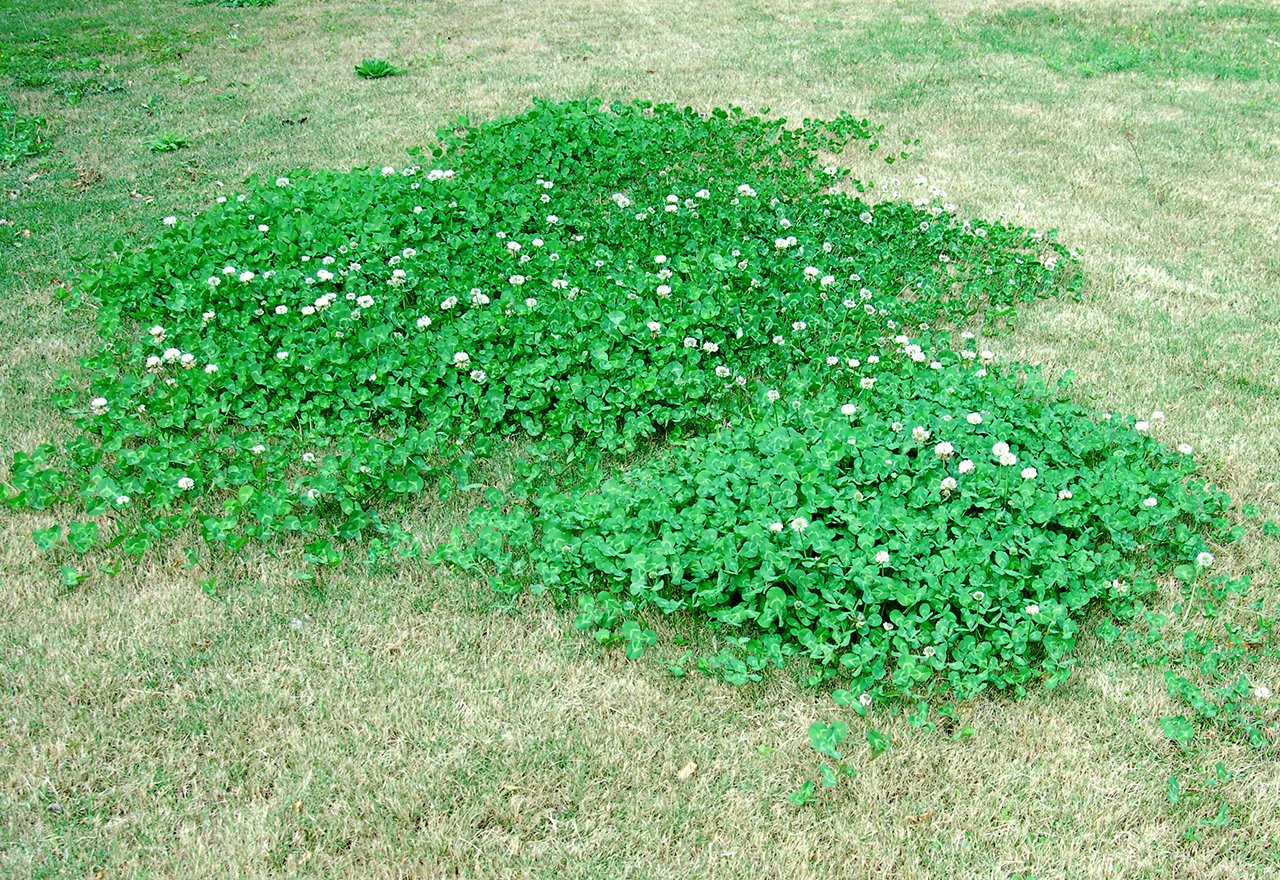
Ground covers are low-growing plants that spread fast. They block weeds and need less care than grass.
- Clover: Adds nitrogen to soil, stays green all year.
- Creeping thyme: Drought-resistant, attracts pollinators.
- Moss: Works in shady, damp areas.
Native Grasses
Native grasses are adapted to local conditions. They resist weeds naturally and need less water.
- Buffalo grass: Great for dry regions.
- Fine fescue: Handles shade and cold.
- Blue grama: Low maintenance.
Lawn Conversion
Some homeowners replace lawns with gardens, stone, or mulch areas. This can nearly eliminate weeds.
- Remove existing grass and weeds.
- Lay weed barrier fabric.
- Cover with mulch, gravel, or plant beds.
Credit: www.whygoodnature.com
Dealing With Persistent Weeds
Some weeds keep coming back, no matter what you try. Here’s how to handle the toughest cases:
Deep Rooted Weeds
- Dig out as much root as possible.
- Repeat removal every few weeks.
- Use solarization for large patches.
Spreading Weeds
- Pull or dig regularly.
- Overseed with grass to fill gaps.
- Mulch heavily around borders.
Stubborn Grassy Weeds
- Mow high to shade them out.
- Improve soil health.
- Overseed or reseed with strong grass.
Non-obvious tip: Sometimes weeds indicate soil problems. Clover grows in low-nitrogen soil, while moss prefers compacted, acidic soil. Fixing these issues reduces weed growth.
Comparing Chemical Vs. Non-chemical Weed Control
Many wonder if non-chemical methods are as effective as traditional herbicides. Here’s a comparison:
| Control Method | Effectiveness | Safety | Cost | Long-Term Results |
|---|---|---|---|---|
| Chemical Herbicides | High (short-term) | Low (toxicity) | Medium–High | Weeds often return |
| Manual Removal | Medium–High | High | Low | Permanent if roots removed |
| Natural Solutions | Medium | High | Low–Medium | Improves soil, fewer weeds over time |
| Cultural Practices | High (prevention) | High | Low | Healthy lawn, minimal weeds |
Common Mistakes In Non-chemical Weed Control
Many beginners make errors that let weeds survive or return. Avoid these pitfalls:
- Pulling only the leaves: If you don’t get the roots, the weed will regrow.
- Overwatering: Too much water encourages weed seeds to sprout.
- Mowing too low: Short grass lets sunlight reach weed seeds.
- Ignoring soil health: Poor soil favors weeds.
- Skipping regular maintenance: Weeds return fast if you don’t keep up.
Non-obvious tip: Don’t compost weeds with seeds. They can spread to other parts of your garden.
Creating A Year-round Weed-free Lawn
Consistent care is the secret. Here’s a simple schedule:
- Spring: Aerate, overseed, fertilize, apply corn gluten meal.
- Summer: Mow high, water deeply, pull weeds weekly.
- Fall: Aerate, overseed bare spots, add compost.
- Winter: Clean up debris, plan for next season.
Adapt this schedule to your climate and grass type. The more often you care for your lawn, the fewer weeds you’ll see.

Credit: www.youtube.com
Using Professional Help Without Chemicals
If your lawn is large or you don’t have time, some landscaping companies offer organic weed control. Ask for:
- Manual removal services
- Organic fertilization
- Natural mulching
Professional help can be expensive, but it’s safer and often more effective in the long term.
Real-life Example: A Chemical-free Lawn Transformation
Let’s look at a practical case. In Portland, Oregon, a family struggled with dandelions and crabgrass. They stopped using chemicals and followed these steps:
- Aerated the lawn in spring.
- Overseeded with fescue grass.
- Applied corn gluten meal to prevent new weeds.
- Hand-pulled dandelions weekly.
- Mowed high and watered deeply.
After one season, their lawn was 90% weed-free, and the grass was thick and green. No chemicals used. Their pets and children could safely play outside.
Frequently Asked Questions
What Are The Best Natural Weed Killers For Lawns?
Boiling water, vinegar, and corn gluten meal are popular natural weed killers. Boiling water and vinegar work best on isolated weeds but can harm grass. Corn gluten meal prevents new weeds from sprouting and is safe for pets and children.
Is Hand-pulling Weeds Effective For Large Lawns?
Hand-pulling is effective for small or moderate lawns. For larger lawns, focus on problem areas and combine manual removal with overseeding and proper mowing. Using tools like dandelion pullers can speed up the process.
How Can I Prevent Weeds From Returning?
Maintain thick grass, mow high, water deeply, and fertilize organically. Overseed bare spots and mulch edges. Consistent lawn care prevents weeds from returning. Avoid disturbing soil too much, as this can wake dormant weed seeds.
Are There Any Risks To Using Vinegar Or Boiling Water?
Vinegar can kill grass and other plants if sprayed too widely. Boiling water can damage grass if not applied carefully. Always target only the weeds, and avoid overspray or spillage. Test on a small area first.
Where Can I Find More Information About Organic Lawn Care?
You can visit the EPA’s Lawn and Garden Safety page for guidelines and scientific studies on organic and safe lawn care.
A weed-free lawn without chemicals is possible with patience and the right approach. By focusing on prevention, early detection, manual removal, and natural solutions, you can create a healthy, beautiful lawn that’s safe for your family, pets, and the environment.
Start today, and enjoy the rewards of a greener, cleaner yard.