
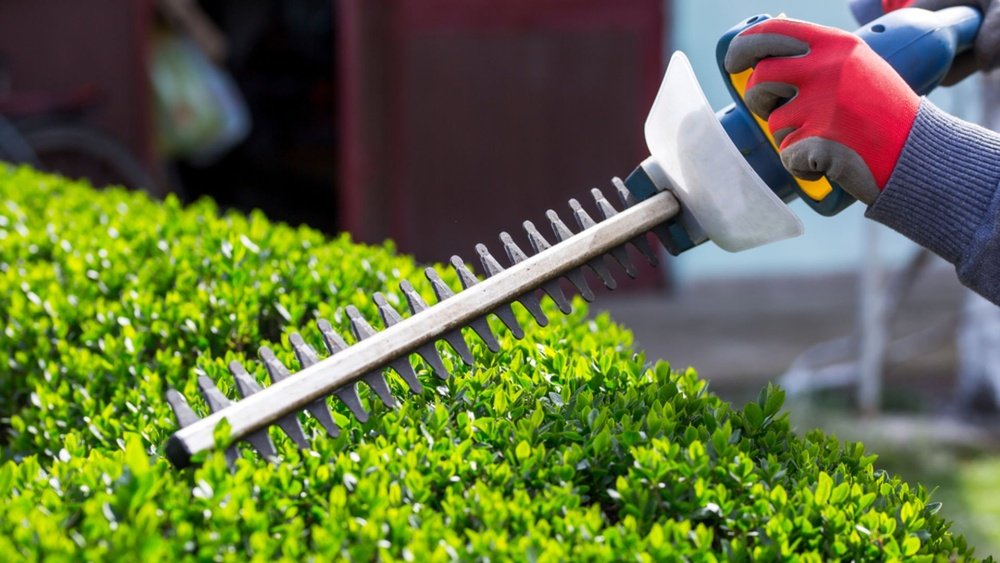
A well-kept hedge can change the look of your garden or front yard. It’s not just about making things look neat; trimming hedges is important for plant health, privacy, and even property value. Many people feel unsure about using a hedge trimmer, but with the right knowledge, it becomes a safe and rewarding job. This guide will help you learn how to trim hedges with hedge trimmer tips, avoid mistakes, and get the best results. Whether you are a homeowner, gardener, or landscaper, you will find clear advice here to keep your hedges healthy and beautiful.
Why Hedge Trimming Matters
Regular hedge trimming does much more than make your garden look tidy. It helps keep plants healthy by removing dead or weak branches, allowing more sunlight and air to reach the center. This can reduce disease and encourage new growth.
For privacy hedges, trimming keeps the shape full and thick, giving you more privacy and blocking noise or wind. In some cities, local rules may require you to keep hedges trimmed for safety reasons, especially if they are near sidewalks or roads.
A study from the American Society for Horticultural Science found that well-maintained hedges can increase property value by up to 6%. Curb appeal is real, and it often starts with a clean, green edge.
Types Of Hedge Trimmers: Choosing The Right Tool
The first step to effective hedge trimming is picking the right trimmer. There are several types, each with pros and cons. Let’s compare them:
| Type | Power Source | Best For | Pros | Cons |
|---|---|---|---|---|
| Electric (Corded) | Electricity | Small-Medium Hedges | Lightweight, quiet, no emissions | Limited by cord length, risk of cutting cord |
| Battery (Cordless) | Rechargeable Battery | Medium-Large Hedges | Portable, no cord, quieter than gas | Limited battery life, less power than gas |
| Gas-Powered | Gasoline | Large/Thick Hedges | Powerful, no cord, longer runtime | Heavy, louder, more maintenance |
| Manual Shears | Human Power | Small Details/Touch-Ups | Precise, no noise, no emissions | Slow, tiring for large jobs |
How To Choose
- Size of Hedge: For small hedges, electric or manual shears are enough. For big, thick hedges, gas-powered trimmers save time.
- Power: Gas trimmers are stronger but noisier. Electric models are quiet and light.
- Portability: If there’s no outlet nearby, cordless or gas is best.
- Budget: Manual shears are cheapest, but more work.
Pro tip: If you have different types of hedges, you may need more than one tool.
Credit: www.homedepot.com
Preparing To Trim Hedges
Preparation makes trimming faster, safer, and easier. Many beginners skip this step and end up with poor results or even injuries.
Inspect Your Hedge
Before you start, look at your hedge closely. Remove any trash, bird nests, or large branches inside. Check for signs of disease, like brown spots or bugs. Cut away sick branches with hand pruners.
Mark Your Shape
For a straight, professional look, use string as a guide. Stretch it between stakes at the height and width you want. For rounded shapes, use spray chalk or a garden hose to outline the curve.
Gather Your Tools
You’ll need:
- Hedge trimmer (right type for your hedge)
- Hand pruners or loppers for thick branches
- Rake and tarp for cleanup
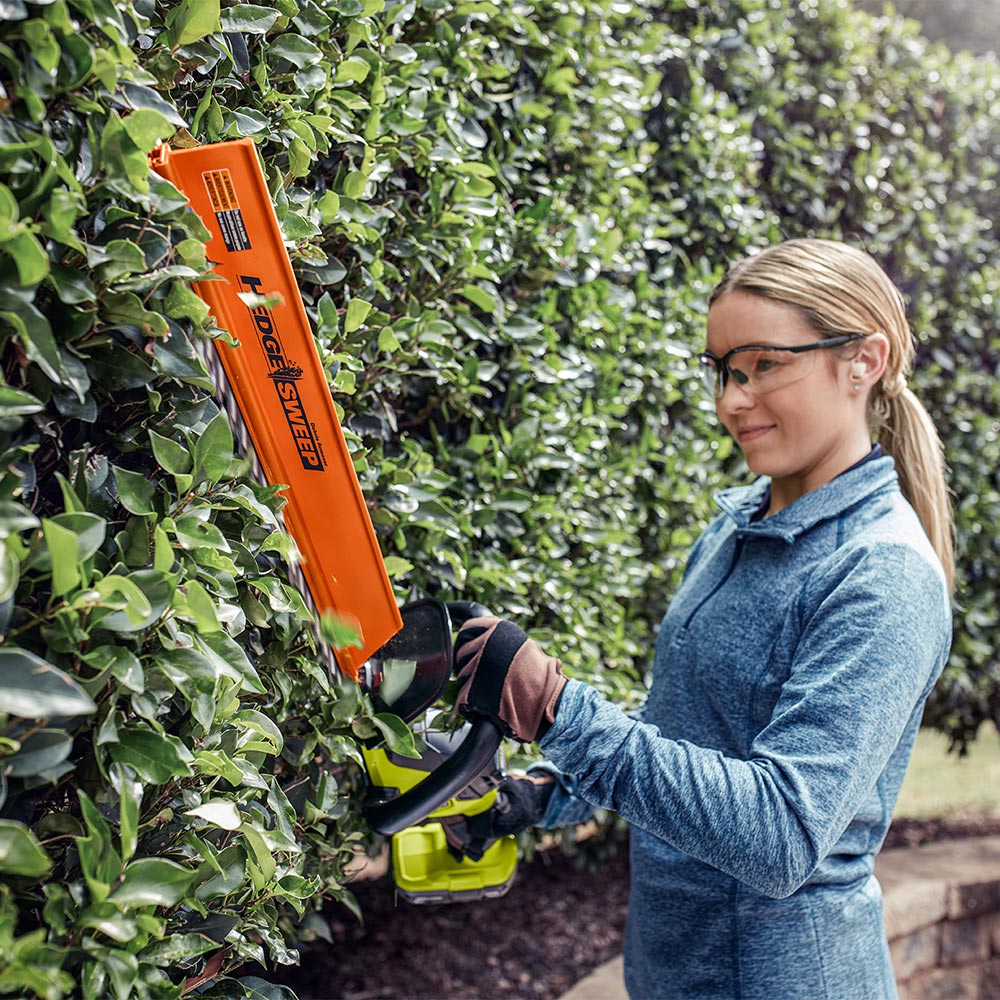
- Safety gear (gloves, goggles, ear protection, long sleeves)
Check Weather And Timing
Trim on a dry day. Wet leaves can clog trimmers and make branches slippery. Avoid trimming during very hot or freezing weather. The best times are late winter or early spring, before new growth starts. For flowering hedges, trim right after they bloom.
Safety First
Never skip safety gear. Hedge trimmers are sharp and fast. Always wear:
- Safety goggles
- Gloves (protect hands from thorns and blades)
- Ear protection (for gas or electric models)
- Long sleeves and pants
If you use a ladder, make sure it’s stable and don’t overreach. Keep kids and pets away.
How To Trim Hedges: Step-by-step
Once you’re set up, follow these steps for best results.
1. Start With The Sides
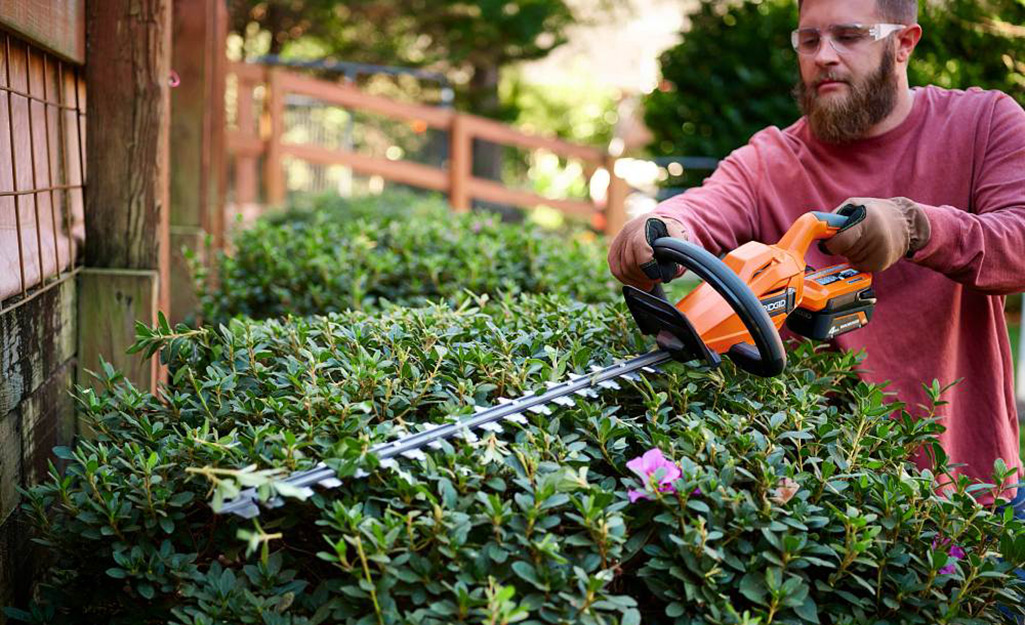
Begin trimming the vertical sides. Move the trimmer in slow, upward strokes. Keep the blade flat and parallel to the hedge. For tall hedges, use a ladder with caution or a long-reach trimmer.
2. Shape The Top
When sides are done, trim the top flat or rounded, depending on your style. Use the string guide for a straight top. Move the trimmer smoothly from one end to the other.
3. Taper For Sunlight
For most hedges, it’s best to make the base wider than the top (like a triangle). This shape lets sunlight reach lower branches and keeps the hedge healthy.
4. Check And Touch Up
Step back often and look for uneven spots. Use hand pruners to fix small problems or cut thick stems the trimmer can’t handle.
5. Clean Up
Rake up all cuttings. This prevents rot and stops pests from hiding in the debris.
Credit: www.homedepot.com
Hedge Trimmer Tips For Better Results
Every hedge and garden is different, but these tips help most people get better, safer results.
1. Keep Blades Sharp
A dull blade tears branches, making them heal slowly and inviting disease. Sharpen blades every season, or after every 20-30 uses.
2. Oil And Clean Trimmer
Sap and dirt make the trimmer less effective. Wipe blades with oil after each use. Clean off sap with a stiff brush.
3. Use Two Hands
Always hold the trimmer with both hands. This gives better control and reduces accidents.
4. Don’t Force The Trimmer
Let the tool do the work. Forcing dull blades or pushing into thick branches can damage the motor and hurt your hedge.
5. Trim Little And Often
Frequent, light trims keep hedges tidy and reduce stress on plants. If you wait too long, you’ll need to cut more, which can shock the plant.
6. Watch For Wires
When using corded electric trimmers, keep the cord behind you. Many accidents happen from cutting the cord.
7. Work In Small Sections
Don’t rush. Trim a small area, step back, check your work, then continue. This avoids big mistakes.
8. Avoid Cutting Into Old Wood
On some hedges, like boxwood or yew, cutting into old wood (brown center) can leave bare patches that won’t regrow.
9. Wear The Right Clothing
Loose clothes can catch on branches or get pulled into the trimmer. Wear fitted clothes and sturdy shoes.
10. Adjust For Hedge Type
- Evergreens: Trim in late spring or summer.
- Flowering Hedges: Trim after flowers fade.
- Fast-Growing Hedges: May need 2-3 trims per year.
Common Hedge Trimming Mistakes (and How To Avoid Them)
Many beginners repeat the same errors. Knowing these can save you time, money, and stress.
Cutting Too Much
Removing more than one-third of the hedge at once can shock or kill the plant. Always trim a little at a time.
Uneven Shapes
Skipping guides (like string) leads to wavy or slanted hedges. Take time to mark your lines.
Neglecting Safety
Not wearing gear, ignoring cords, or using old tools causes most hedge trimmer injuries. Always check equipment and wear protection.
Trimming At The Wrong Time
Cutting during very hot or cold weather, or before/after flowering, can harm your hedge. Check the best time for your hedge type.
Leaving Debris
Old clippings left under the hedge attract pests and disease. Always clean up.
Shaping Your Hedge: Styles And Techniques
Hedge styles can change your landscape’s look and function. Here’s a look at popular shapes and how to achieve them.
Straight-edged Hedges
This is the classic look. Use string guides for both the top and sides. Work slowly, checking often for straight lines.
Rounded Or Domed Hedges
Great for softer gardens or flowering hedges. Use your eye as a guide, but step back regularly. Move the trimmer in a gentle arc.
Formal Hedges
These have crisp edges and geometric shapes (squares, rectangles, triangles). Use stakes and string for all edges. Manual shears can help with detail work.
Informal Hedges
Let the hedge grow more naturally, cutting only to remove dead wood or shape lightly. This style needs less frequent trimming.
Topiary
Topiary means trimming hedges into shapes, like balls or animals. Start with simple shapes. Use wire frames for guidance.
Non-obvious insight: For topiary, patience is key. It can take 2-3 years of careful, frequent trimming to get a strong shape.
Best Practices For Large Or Tall Hedges
Large hedges need special care and tools.
Use Long-reach Trimmers
These have extendable handles to reach high branches safely from the ground. Avoid standing on unstable ladders.
Trim In Sections
Divide the hedge into parts. Trim one section at a time, checking your work as you go.
Get Help
For very tall or long hedges, two people can work faster and safer. One person trims while the other moves ladders or clears debris.
Check For Birds
Tall hedges often hide bird nests. Trim outside nesting season, or check carefully first.
Keeping Your Hedge Trimmer In Top Shape
A good trimmer lasts years with proper care. Here’s how to keep it running well.
Cleaning After Use
After each trimming session, unplug or turn off your trimmer. Brush off leaves and sap. Wipe the blades with a cloth dipped in oil.
Blade Sharpening
Dull blades cut poorly. Use a sharpening stone or file every season, or have them professionally sharpened.
Battery And Fuel Care
For cordless models, store batteries in a cool, dry place. Charge fully before storing for the season. For gas trimmers, empty the tank before winter.
Regular Inspection
Check for loose screws, cracked handles, or blade damage before each use. Replace parts as needed.
Environmental And Local Regulations
Hedge trimming can impact local wildlife and your neighborhood. Always check local rules before starting.
Wildlife Protection
Some birds and animals nest in hedges. In the US and Europe, it’s illegal to disturb active nests. Trim after nesting season (usually late summer).
Noise Laws
Gas-powered trimmers are loud. Some cities have rules on when you can use noisy equipment. Check local guidelines.
Property Lines
Don’t trim hedges on your neighbor’s side without permission. Trim only on your side of the property line.
Table: Best Trimmer For Hedge Types
Here’s a quick reference for matching hedge types to trimmers:
| Hedge Type | Suggested Trimmer | Notes |
|---|---|---|
| Boxwood | Electric or Manual | Needs sharp blades for clean cuts |
| Privet | Gas or Cordless | Fast growth, needs frequent trimming |
| Yew | Electric or Manual | Avoid cutting into old wood |
| Laurel | Gas-Powered | Thick branches, needs power |
| Holly | Cordless or Manual | Wear gloves to avoid thorns |
Practical Examples: Real Hedge Trimming Scenarios
Scenario 1: Small Urban Garden
You have a boxwood hedge, about 3 feet tall, in front of your house. It grows slowly and you want a neat, square look. Use an electric trimmer for the main cuts and manual shears for clean edges. Set up string guides for top and sides before starting.
Scenario 2: Large Country Property
You have a 100-foot-long privet hedge that grows fast. It’s 8 feet tall. Use a gas-powered trimmer for speed. Work in 10-foot sections, and check for wildlife before starting. Get a helper to move ladders and keep the area clear.
Scenario 3: Flowering Hedge
Your hedge is a mix of lilac and forsythia, which bloom in spring. Trim right after flowering, using cordless trimmers. Shape lightly to keep blooms for next year. Avoid heavy cuts, as this reduces flowers.
Scenario 4: Topiary Project
You want to turn your yew hedge into a ball shape. Start by clipping lightly around the edges with manual shears. Use a wire frame for guidance. It may take two seasons to get a strong, even shape.
Credit: www.yourgreenpal.com
Seasonal Hedge Trimming Calendar
Knowing when to trim is important for plant health and best results. Here’s a simple guide:
| Season | What to Trim | Notes |
|---|---|---|
| Late Winter/Early Spring | Evergreen hedges, non-flowering | Best time for most hedges |
| Late Spring/Summer | Flowering hedges (after bloom) | Only light trims if needed |
| Fall | Light shaping | Avoid heavy cuts before frost |
| Winter | Avoid trimming | Hedges are dormant, cuts heal slowly |
Non-obvious insight: For some slow-growing or old hedges, one trim per year is enough. For fast growers, two or three trims keep them tidy.
Advanced Hedge Trimmer Tips And Tricks
For those who want perfect results, here are some advanced ideas:
Use Both Sides Of The Blade
Many trimmers cut on both sides. You can move left to right or right to left for more speed and cleaner cuts.
Angle The Blade
For sloped or rounded tops, tilt the trimmer slightly. This avoids flat spots and helps shape the hedge evenly.
Layer Your Cuts
Make several shallow passes instead of one deep cut. This is safer for the plant and gives better control.
Mix Tools
Use manual shears for edges and detail, and a powered trimmer for large areas. This gives a professional finish.
Protect Plants Under The Hedge
Lay a tarp or old sheet under the hedge to catch clippings. This protects nearby flowers and makes cleanup fast.
Troubleshooting Hedge Trimming Problems
Even with care, problems can happen. Here’s how to fix common issues.
Bare Spots
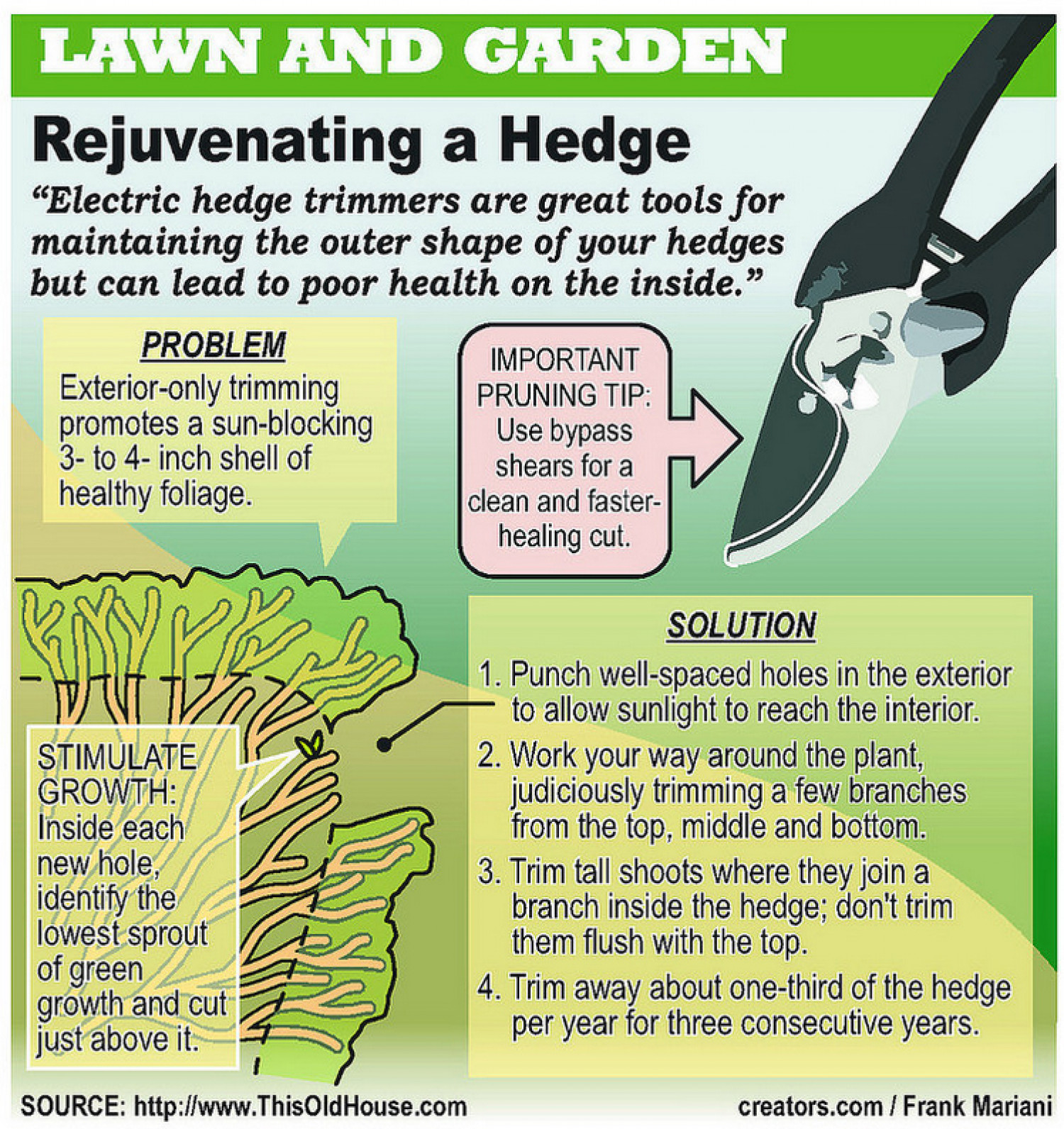
If you see empty patches, don’t cut more in those areas. Water and feed the hedge, and wait for growth to fill in. For persistent bare spots, plant new shoots.
Ragged Cuts
Dull blades or fast trimming cause rough edges. Sharpen blades and slow down.
Yellow Leaves
This may mean the hedge is too dense. Open up the center by thinning out some branches to let in light and air.
Hedge Won’t Grow Back
If you trimmed too much or into old wood, regrowth can be slow or stop. Avoid heavy cuts in the future, and feed the hedge with compost or fertilizer.
Trimmer Won’t Start
Check the power source. For electric models, inspect cords and switches. For gas, check fuel and spark plug.
Frequently Asked Questions
What Is The Best Time To Trim Hedges?
The best time to trim most hedges is late winter or early spring, before new growth begins. For flowering hedges, trim right after they finish blooming. Avoid trimming during very hot or cold weather, as this stresses the plants.
How Often Should Hedges Be Trimmed?
Most hedges need 1-3 trims per year. Fast-growing types like privet may need trimming every 6-8 weeks in summer. Slow growers, like yew or boxwood, can be trimmed once a year.
How Do I Sharpen Hedge Trimmer Blades?
Unplug or remove the battery first. Use a flat file or sharpening stone. Run the tool along each blade edge, keeping the same angle. Wipe with oil after sharpening. For best results, check your manual or have blades sharpened by a pro.
Can I Trim Hedges In The Rain?
It’s best not to trim in wet weather. Wet leaves clog blades, make footing unsafe, and can cause electric shock with power tools. Always trim when leaves are dry.
What Should I Do If I Find A Bird’s Nest In My Hedge?
Stop trimming right away. Most countries protect nesting birds. Wait until the young birds have left (usually late summer) before finishing the job. Respect local wildlife laws.
With the right hedge trimmer tips and some practice, you can keep your hedges beautiful, healthy, and safe for years. If you want more details on trimming and garden tools, check out the Hedge Trimmer Wikipedia page for further reading.
Beautiful hedges are possible for anyone. Take your time, use the right tools, and enjoy the transformation in your garden.