
Every winter, millions face the challenge of clearing snow from driveways, sidewalks, and steps. For many, snow shoveling is not only a chore but also a real risk—especially for the lower back. According to the American Academy of Orthopaedic Surgeons, more than 11,500 people in the US are treated each year for snow-shoveling injuries, with back injuries topping the list. If you want to keep your home safe and accessible without ending up in pain, learning how to shovel snow without hurting your back is essential.
This guide will show you the safest ways to shovel, tools that protect your spine, practical preparation steps, and real tips for snow removal in different situations. Whether you’re a homeowner in a snowy region, a new snow shoveler, or someone recovering from past back pain, these strategies will keep you strong all winter.
Why Snow Shoveling Hurts Your Back
Many people underestimate how much physical stress shoveling puts on the body. Snow is heavier than it looks—wet snow can weigh over 20 pounds per cubic foot. Lifting this weight repeatedly, twisting to throw snow, or working in awkward positions can strain your lumbar spine and surrounding muscles.
The most common mistakes include:
- Bending at the waist instead of the knees
- Twisting the back while tossing snow to the side
- Using a heavy, non-ergonomic shovel
- Rushing through the job without taking breaks
These actions force the back muscles and spinal discs to absorb heavy loads, sometimes leading to acute pain, slipped discs, or even long-term injury. People with prior back problems or those out of shape are at greater risk. But with the right approach, nearly everyone can shovel safely.
Preparing Your Body For Safe Snow Shoveling
Before you pick up a shovel, some simple steps can make a huge difference in preventing injury.
Warm Up First
Cold muscles are more likely to get injured. Take five to ten minutes to warm up before heading outside. Try:
- Marching in place
- Gentle stretching (especially your hamstrings, calves, and lower back)
- Arm circles or shoulder rolls
This increases blood flow, loosens joints, and prepares your body for the work ahead.
Dress For The Weather And Movement
Wear layers to stay warm, but make sure your clothing allows free movement. Choose waterproof boots with good traction to prevent slipping. Gloves should protect your hands but not be so bulky that you lose grip strength.
Know Your Limits
If you have a history of back pain, heart problems, or are not physically active, consider asking for help or using a snow blower instead. Listen to your body: if you feel pain, stop immediately.
Credit: healthcare.utah.edu
Choosing The Right Snow Shovel
The shovel you use can make snow removal much easier—or much harder on your back. Modern shovels are designed for safety and efficiency. Here’s what to look for:
Key Features To Consider
- Ergonomic design: Curved or adjustable handles keep you upright, reducing the need to bend.
- Lightweight material: Aluminum or plastic blades are easier to lift than steel.
- Blade size: A smaller blade means you lift less snow at a time, putting less strain on your back.
- Comfortable grip: Look for padded or D-shaped handles to prevent blisters and help you hold the shovel securely.
Shovel Types Compared
Here’s a quick look at common snow shovels and their impact on your back:
| Shovel Type | Best For | Back Safety | Notes |
|---|---|---|---|
| Standard Straight Handle | All-purpose | Average | Requires bending; not ideal for back safety |
| Ergonomic/Bent Handle | Driveways, sidewalks | High | Reduces bending, easier on back |
| Pusher Shovel | Light, fluffy snow | Very High | Pushes snow without lifting; best for back |
| Metal Blade | Heavy, icy snow | Moderate | Heavier, but needed for tough jobs |
Expert tip: Try shovels in the store if possible. The right length should let the blade touch the ground while your back stays straight.
Best Techniques For Shoveling Snow Safely
Proper technique is the biggest factor in back safety. Here’s how to shovel snow with confidence and care.
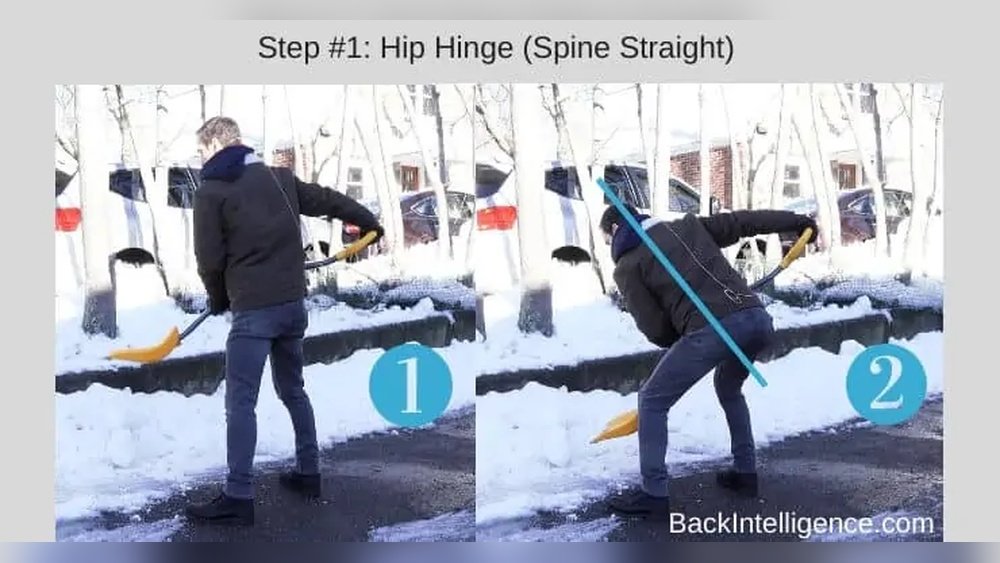
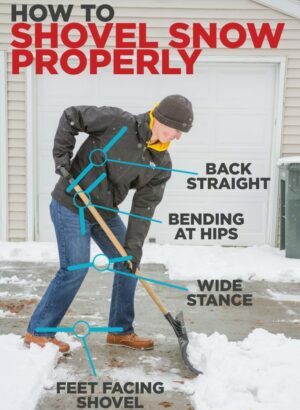
Lift With Your Legs, Not Your Back
- Stand with feet hip-width apart for balance.
- Bend your knees and keep your back straight.
- Use your leg muscles to lift the snow, not your waist or back.
- Keep the shovel close to your body as you lift.
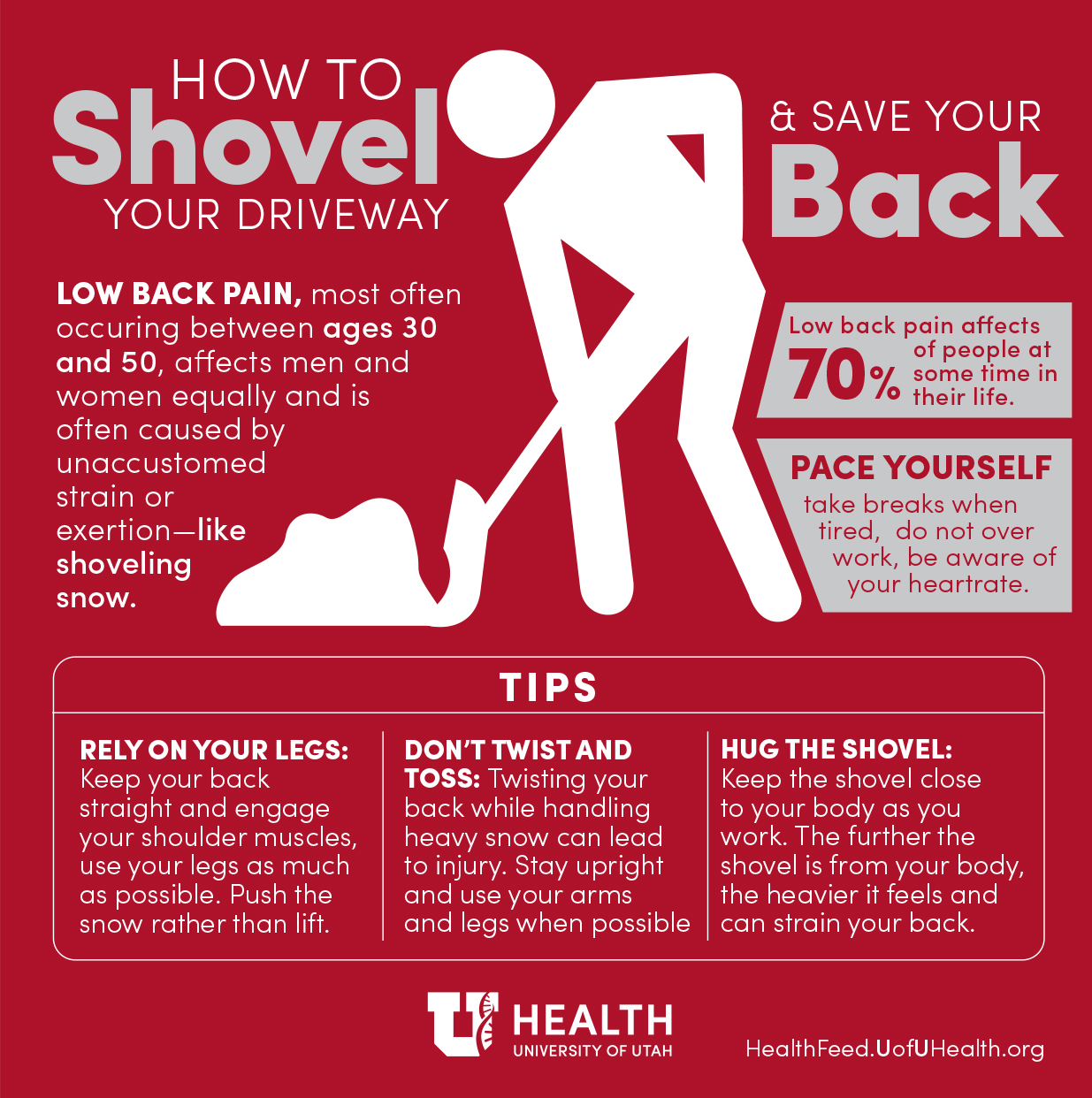
Avoid Twisting Motions
Twisting your spine while lifting is a major cause of injury. Instead:
- Turn your whole body—pivot your feet—to face the direction you want to throw the snow.
- Use small, controlled tosses rather than swinging big loads.
Push, Don’t Lift When Possible
For light or moderate snowfall, use a pushing motion to move snow off the path. This is easier on your back and faster than lifting. Pusher shovels are designed for this purpose.
Take Frequent Breaks
Shoveling is strenuous. Rest every 10–15 minutes, especially in deep or heavy snow. Drink water and stretch lightly to stay limber.
Work In Thin Layers
Instead of trying to lift deep, heavy snow all at once, shovel off the top layer first, then work down. This reduces the weight you lift each time.
Use The Right Grip
Hold the shovel with one hand near the top and the other about halfway down the handle. This gives you better control and reduces strain.
Clear Early And Often
Fresh snow is lighter and less packed. Try to shovel soon after snow falls and avoid letting multiple storms pile up.
Snow Removal Strategies For Different Conditions
Not all snowstorms are the same. Adjust your approach for best results and less back strain.
Light, Fluffy Snow
- Use a wide pusher shovel.
- Push snow off the surface in long, straight lines.
- Work quickly before the snow gets heavy or wet.
Wet, Heavy Snow
- Use a smaller blade or scoop.
- Take small amounts at a time.
- Avoid overfilling the shovel—wet snow can weigh three times more than powdery snow.
- Consider using a snow blower for large areas.
Packed Or Icy Snow
- Use a metal-bladed shovel to break up ice.
- Chip away at the snow in sections, don’t try to lift big chunks.
- Pour some sand or salt to help loosen icy patches.
Deep Snow
- Shovel in layers, removing a few inches at a time.
- Clear a path down the center first, then work outward.
Using Snow Removal Tools And Aids
Sometimes, a standard shovel isn’t enough or isn’t safe for everyone. There are tools and aids to help you clear snow while protecting your back.
Snow Blowers
For large driveways, snow blowers are an excellent investment. They reduce the need for lifting and twisting. Choose a model that matches your property size and snow type.
Snow Pushers And Plows
Manual pushers or small plows attach to handles and allow you to push snow out of the way. These are ideal for those who want to avoid lifting altogether.
Snow Melting Mats
Heated mats placed on walkways or steps can melt snow and ice, reducing the need for shoveling. They’re especially useful for seniors or those with physical limitations.

Credit: manaphysicaltherapynj.com
Common Mistakes And How To Avoid Them
Even experienced snow shovelers make errors that lead to injury. Here are some frequent mistakes and how to fix them:
- Lifting too much at once: Take smaller scoops, even if it means more trips.
- Ignoring pain or fatigue: Stop if you feel sharp pain, numbness, or excessive tiredness.
- Rushing the job: Move at a steady, controlled pace.
- Using a poor-quality shovel: Invest in ergonomic tools—they pay off with fewer injuries.
- Shoveling after a big meal or alcohol: Wait at least an hour after eating; avoid shoveling if you’ve been drinking.
- Neglecting to clear snow early: Wet or compacted snow is much harder to remove safely.
Stretches And Exercises To Protect Your Back
Strong, flexible muscles are your best defense against injury. Before and after shoveling, try these stretches:
Before Shoveling
- Hamstring stretch: Stand, bend one knee, and reach toward your toes. Hold for 15 seconds, switch sides.
- Back extension: Place hands on hips, gently arch backward, hold for 10 seconds.
- Shoulder rolls: Roll shoulders backward and forward 10 times each.
After Shoveling
- Child’s pose: Kneel on the floor, stretch arms in front, and sit back on heels. Hold 20 seconds.
- Knee-to-chest: Lie on your back, pull one knee toward your chest, hold 15 seconds, switch sides.
- Gentle twisting: Sit with legs extended, twist your upper body gently to each side.
Building Long-term Back Strength
Regular core exercises, such as planks or bird-dogs, can make future snow removal safer. Even walking or light weight training helps your body handle the demands of winter.
Comparing Snow Removal Methods
Choosing the right method can reduce back strain and save time. Here’s how common methods compare:
| Method | Physical Effort | Back Safety | Best For |
|---|---|---|---|
| Manual Shoveling | High | Moderate | Small areas, light snow |
| Snow Pusher | Medium | High | Sidewalks, driveways |
| Snow Blower | Low | Very High | Large driveways, frequent snow |
| Heated Mats | None | Maximum | Steps, walkways, seniors |
Non-obvious insight: Many people think using salt or chemicals means they can skip shoveling. In reality, these products work best when combined with regular snow removal. Always clear snow first, then apply de-icer to remaining patches.
When To Call For Help
Shoveling snow isn’t safe for everyone. You should seek help if you:
- Have a history of heart disease, back surgery, or serious joint problems
- Are over age 55 and not physically active
- Experience chest pain, dizziness, or severe shortness of breath while shoveling
- Have a large or steep property that’s hard to clear alone
Professional snow removal services or local neighborhood help can be a wise investment, especially during big storms.
Safety Tips For Seniors And Those With Health Issues
Older adults or those with medical conditions must take special care:
- Always check with a doctor before shoveling
- Use the lightest shovel and smallest loads possible
- Take breaks every few minutes
- Dress warmly in layers
- Keep a phone nearby in case of emergency
If you ever feel faint, dizzy, or have pain that spreads to your arms or jaw, stop immediately and seek help. Remember, your safety is more important than a clear driveway.
Environmental Considerations For Snow Removal
Safe snow removal also means protecting your property and the environment:
- Don’t block fire hydrants or storm drains with snow piles
- Avoid piling snow where it can melt into basements or garages
- Use sand or cat litter for traction instead of excessive salt, which can damage plants and concrete
- Clear snow early to prevent ice buildup that can harm walkways
Non-obvious tip: If your area uses salt on roads, rinse boots and shovels after use to prevent corrosion and tracking chemicals inside.
Real-world Examples: How People Avoid Back Injuries
Case 1: Maria, a 45-year-old teacher in Minnesota, switched to an ergonomic pusher shovel and now clears her driveway in half the time, without back pain.
Case 2: Tom, a retiree with a history of herniated discs, invested in a snow blower and heated mats for his steps. He hasn’t missed a winter walk in years.
Case 3: The Johnson family sets a snow-clearing schedule, so each person does a small section every few hours. No one gets over-tired, and their property stays safe.
Frequently Asked Questions
Credit: mypremiertherapy.com
What Is The Safest Way To Shovel Snow For Your Back?
The safest way is to bend your knees, keep your back straight, and lift with your legs. Avoid twisting your upper body and keep the shovel close to your body. Use an ergonomic shovel and take frequent breaks to rest your muscles.
How Much Snow Is Safe To Lift At One Time?
It’s best to lift small amounts—no more than 10–15 pounds at a time. With heavy or wet snow, take even less. Pushing snow is safer than lifting whenever possible.
Can I Shovel Snow If I Have Back Pain?
If you have ongoing or severe back pain, consult your doctor before shoveling. You may need to use a snow blower or hire help. If you experience pain while shoveling, stop immediately to avoid further injury.
Are There Any Exercises That Help Prevent Shoveling Injuries?
Yes, core strengthening exercises like planks and bird-dogs help support your back. Gentle stretching before and after shoveling also reduces injury risk. Regular walking and flexibility exercises can make shoveling easier.
What’s The Best Type Of Snow Shovel For Back Safety?
An ergonomic or bent-handle shovel is best for most people. It allows you to stand more upright and reduces the need to bend and twist. Lightweight shovels with comfortable grips also make the job easier on your back.
—
Shoveling snow doesn’t have to mean risking injury every winter. With smart preparation, the right tools, and proper technique, you can clear your property safely—even in harsh conditions. Remember to listen to your body, start slow, and don’t hesitate to ask for help if needed. For more winter safety tips and advice, check resources like the CDC’s Winter Weather Guide.
Stay safe, keep your back strong, and enjoy the beauty of winter worry-free.