
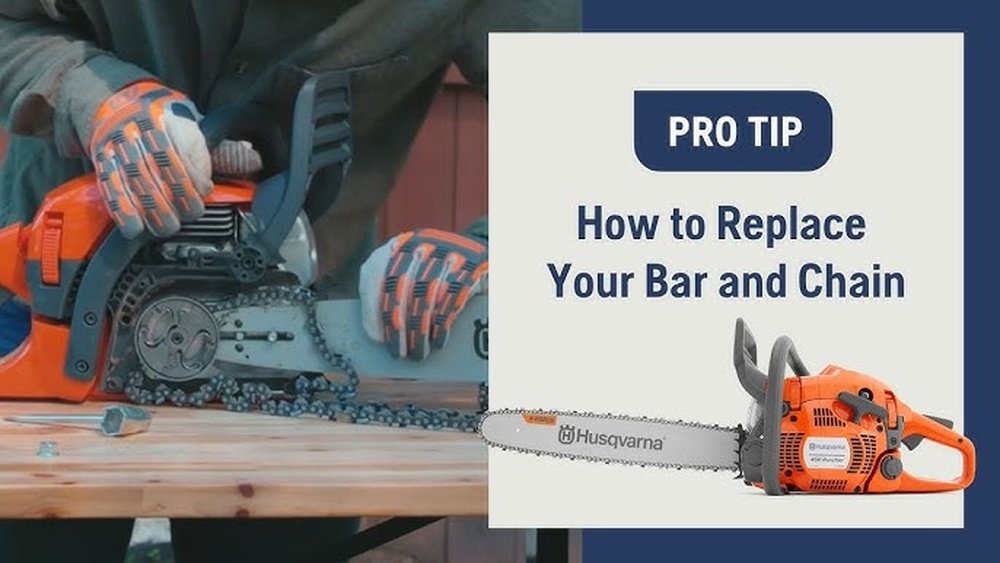
If you use a chainsaw for cutting trees, logs, or even firewood, you know how important it is to keep your tool in good shape. One of the most common maintenance jobs is replacing the chainsaw bar and chain. Over time, the chain gets dull and the bar wears down, making your saw less safe and efficient. Changing these parts isn’t just for professionals — anyone can learn to do it. This guide will show you how to replace the bar and chain step by step, what tools you need, how to choose the right parts, and how to avoid common mistakes. Whether you’re a homeowner, gardener, or woodworker, keeping your chainsaw running well is essential. Read on to learn everything about changing the bar and chain, with practical advice, safety tips, and even answers to common questions.
Why Replace Your Chainsaw Bar And Chain?
The chainsaw bar and chain are the parts that do the actual cutting. If either is damaged, dull, or worn out, your saw won’t cut properly. Here are some clear signs you need to replace them:
- Chain slips or jumps: This is dangerous. The chain can fly off or jam.
- Bar is bent or cracked: Even a slight bend makes your saw unsafe.
- Chain teeth are dull or broken: Sharpening only works so many times. If teeth break, replacement is needed.
- Excessive wear on bar rails: Deep grooves or uneven rails cause poor cutting.
- Frequent chain tightening: If you must adjust the chain often, it’s time for a new one.
Using a worn bar or chain can lead to kickback, which is one of the main causes of chainsaw accidents. A fresh bar and chain keep your saw efficient, safe, and easier to use.
Tools And Materials Needed
Before you start, gather the right tools and parts. This will save time and help you avoid mistakes.
- Replacement bar and chain: Make sure they fit your saw model.
- Screwdriver or wrench: Most saws use either a flat screwdriver or a wrench for side cover bolts.
- Chainsaw file: For cleaning bar rails.
- Work gloves: Protect your hands from sharp parts.
- Safety goggles: Always wear eye protection.
- Bar oil: Lubricates the new bar and chain.
- Cleaning brush or rag: Removes dirt and sawdust.
- Owner’s manual: Helpful for model-specific instructions.
Some newer chainsaws have tool-less chain tensioners — you won’t need extra tools for these. Always check your saw’s manual for the correct size and type of bar and chain.
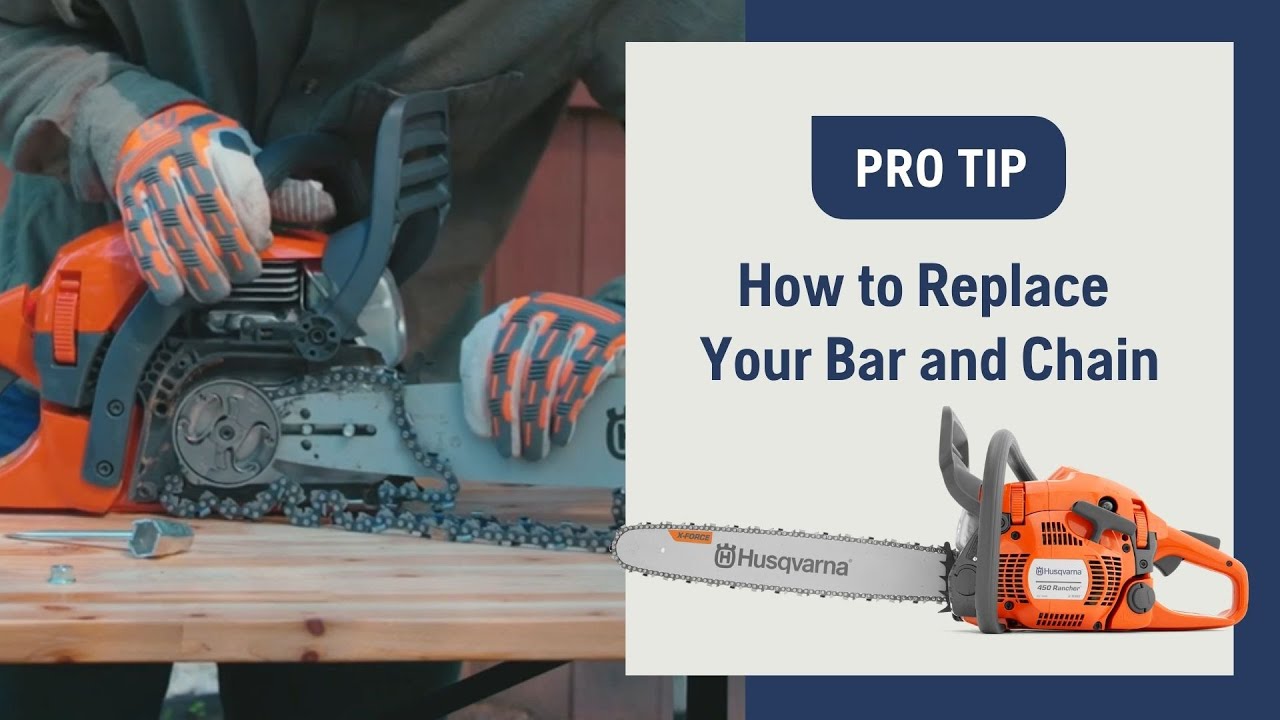
Credit: www.youtube.com
How To Choose The Right Bar And Chain
Choosing the correct parts is crucial for safety and performance. Here’s what you need to check:
Bar Length
Bar length is measured from the tip to the base, not the entire bar. Common sizes are 14”, 16”, 18”, and 20”. Use the size that matches your saw and your cutting needs.
Chain Pitch And Gauge
- Pitch: The distance between three consecutive rivets divided by two. Common pitches: 0.325”, 3/8”, and 0.404”.
- Gauge: The thickness of the drive links. Typical gauges: 0.050”, 0.058”, and 0.063”.
Your saw’s manual or the old chain packaging will show these numbers.
Drive Links
Count the number of drive links on your chain. The new chain must have the same count for proper fit.
Compatibility
Check the brand and model. Not all bars and chains are interchangeable. Using the wrong parts can cause damage or accidents.
Here’s a comparison of common bar and chain sizes for different chainsaw types:
| Chainsaw Type | Common Bar Length | Chain Pitch | Chain Gauge | Drive Links |
|---|---|---|---|---|
| Electric (Home Use) | 14″–16″ | 3/8″ | 0.050″ | 52–56 |
| Gas (Light Duty) | 16″–18″ | 0.325″ | 0.058″ | 66–72 |
| Gas (Pro) | 20″+ | 0.404″ | 0.063″ | 72–84 |
If you’re unsure, ask your local dealer or check your chainsaw’s manual.
Safety First: Preparing To Replace Bar And Chain
Always put safety first when working with chainsaws. Here’s how to prepare:
- Disconnect power: For electric saws, unplug. For gas, remove the spark plug or turn off.
- Wear gloves and goggles: Protect your hands and eyes from sharp teeth and debris.
- Work on a stable surface: A bench or sturdy table is best.
- Clean the chainsaw: Remove dirt, sawdust, and oil before starting.
Many beginners forget to disconnect the power. Never skip this — it prevents accidental starts.
Step-by-step Guide: How To Replace Chainsaw Bar And Chain
Follow these steps carefully. Each step is important for safety and proper installation.
Step 1: Remove The Side Cover
Most chainsaws have a side cover held by two or three bolts. Use your wrench or screwdriver to loosen them. Remove the cover and set it aside.
- For tool-less models: Turn the knobs counter-clockwise.
- For traditional models: Unscrew the bolts fully.
Step 2: Release Chain Tension
Turn the chain tensioner screw counter-clockwise to loosen the chain. The chain should hang loose from the bar.
Step 3: Remove The Old Bar And Chain
Pull the bar and chain away from the saw. Slide the chain off the bar, then lift the bar off the mounting studs.
- If the chain is stuck, wiggle the bar gently.
- Be careful — the chain teeth can be very sharp.
Step 4: Clean The Bar Mount Area
Use a brush or rag to clean the area around the bar mount. Remove old oil, sawdust, and debris. This helps the new parts fit better.
- Clean the oil ports — clogged ports reduce lubrication.
- Wipe the bar rails with a rag.
Step 5: Inspect The Sprocket
Check the drive sprocket for wear or damage. If it’s worn out, replace it before installing a new chain.
| Sprocket Type | Signs of Wear | Replace? |
|---|---|---|
| Rim Sprocket | Grooves, sharp edges | Yes |
| Spur Sprocket | Missing teeth, uneven surface | Yes |
| New Sprocket | Smooth, even | No |
If you notice damage, order a new sprocket along with your bar and chain.
Step 6: Install The New Bar
Place the new bar onto the mounting studs. Make sure it sits flush and lines up with the tensioner pin.
- Some bars have a hole for the tensioner pin. Align it carefully.
- Don’t force the bar — if it doesn’t fit, check compatibility.
Step 7: Fit The New Chain
Lay the new chain around the bar. Start at the top and guide the chain around the nose. Make sure the cutting teeth face forward on the top side.
- Fit the drive links into the bar groove.
- Slip the chain around the sprocket at the saw’s base.
Step 8: Adjust Chain Tension
Turn the tensioner screw clockwise to tighten the chain. The chain should touch the underside of the bar but still move freely.
- Pull the chain slightly — it should snap back but not sag.
- Avoid over-tightening. This strains the motor and bar.
Step 9: Reattach The Side Cover
Put the cover back on. Tighten the bolts or knobs securely.
- Don’t overtighten. This can crack the cover.
- Make sure the cover sits evenly.
Step 10: Final Chain Tension Adjustment
After the cover is on, check chain tension again. Adjust if needed.
- The chain must move easily along the bar.
- Too tight: Risk of motor damage.
- Too loose: Risk of chain coming off.
Step 11: Lubricate The Bar And Chain
Pour chainsaw bar oil into the oil reservoir. Run the saw for a few seconds to let the oil flow.
- Never use regular motor oil. It doesn’t stick well.
- Good lubrication increases chain life.
Step 12: Test The Chainsaw
Reconnect power or replace the spark plug. Start the saw and let it idle. Check for smooth chain movement.
- If the chain stops or binds, turn off and re-adjust.
- If everything moves smoothly, you’re ready to cut.
Common Mistakes When Replacing Chainsaw Bar And Chain
Many beginners make mistakes that can cause damage or injury. Here are the most frequent errors:
- Wrong chain direction: The cutting teeth must face forward.
- Incorrect bar length: Using a bar that’s too long or short affects balance and safety.
- Improper chain tension: Too tight strains the saw, too loose risks accidents.
- Skipping sprocket inspection: A worn sprocket reduces chain life.
- Not cleaning the bar mount area: Dirt and debris cause poor fit and oil flow.
- Using regular oil: Only use bar oil for proper lubrication.
- Forgetting to check compatibility: Bars and chains aren’t universal.
- Ignoring safety gear: Gloves and goggles are essential.
- Overtightening cover bolts: This can crack the cover or strip threads.
- Rushing the process: Take your time. Fast work leads to mistakes.
Even experienced users sometimes forget chain direction. Always double-check before starting the saw.
Practical Tips For Easy Bar And Chain Replacement
Replacing the bar and chain doesn’t have to be hard. Here are some tips from seasoned users:
- Lay parts out in order: Keep bolts and covers organized to avoid losing pieces.
- Use a magnetic tray: Small parts won’t roll away.
- Mark chain direction with a marker: This helps if you get distracted.
- Check for burrs on bar rails: File them down for smoother chain movement.
- Use a flashlight: Helps you see inside small openings.
- Keep spare chains handy: You won’t have to stop work if a chain breaks.
- Store your manual nearby: Quick reference for specs and troubleshooting.
- Work in good light: Reduces mistakes and makes fitting easier.
One non-obvious tip: If you cut hardwoods often, choose a full chisel chain for faster cuts, but be aware it dulls quicker than a semi-chisel chain.
How Often Should You Replace Chainsaw Bar And Chain?
There’s no fixed schedule. It depends on how often you use your saw and what you cut. Here are some guidelines:
- Heavy users: Replace chain every 3–6 months, bar every 12–18 months.
- Casual users: Chain lasts 12–18 months, bar 2–3 years.
- Signs of wear: Replace whenever you see deep grooves, broken teeth, or poor cutting.
A well-maintained chain can be sharpened 5–10 times before needing replacement. Bars last longer if cleaned and lubricated regularly.
Environmental And Geographic Factors Affecting Chainsaw Bar And Chain
Where you use your chainsaw affects how often you need to replace parts.
- Dusty regions: Dust speeds up wear on bar and chain.
- Wet climates: Moisture causes rust. Oil more often.
- Cutting hardwoods: Harder woods dull chains faster.
- Urban areas: Nails or metal in wood can damage chain quickly.
If you work in humid climates, store your saw in a dry place and check for rust after each use.
How To Maintain Your New Chainsaw Bar And Chain
After replacing, regular care helps your bar and chain last longer.
- Clean after each use: Wipe off oil, sawdust, and dirt.
- Sharpen chain regularly: Use a file or electric sharpener.
- Check tension often: Adjust before each job.
- Lubricate well: Use quality bar oil every time.
- Inspect bar rails: Look for uneven wear and burrs.
- Store in dry area: Prevents rust and corrosion.
A well-maintained saw is safer and cuts better. Many people skip daily cleaning — but it’s the best way to prevent early wear.
Credit: blog.stihl.co.uk
Comparing Chainsaw Bar And Chain Brands
Not all bars and chains are equal. Here’s a comparison of popular brands:
| Brand | Durability | Price Range | Ease of Installation | Warranty |
|---|---|---|---|---|
| Oregon | High | $20–$40 | Easy | 1 year |
| Stihl | Very High | $30–$50 | Moderate | 2 years |
| Husqvarna | High | $25–$45 | Easy | 1 year |
| Generic | Low–Medium | $10–$25 | Easy | None |
Oregon and Stihl are the most trusted for durability and performance. For occasional use, generic brands may be okay, but for heavy-duty work, stick to reputable names.
Signs Your New Bar Or Chain Is Not Installed Correctly
After replacement, watch for these warning signs:
- Chain jumps or slips: Indicates wrong tension or poor fit.
- Excessive vibration: Bar may not be seated properly.
- Oil leaks: Could be a cover misalignment or damaged gasket.
- Unusual noise: Sprocket or chain may be wrong size.
If you notice any of these issues, stop using the saw and re-check your installation. Many beginners miss subtle signs like vibration — but this often means something’s not right.
Troubleshooting Common Issues After Replacement
Even after careful installation, problems can happen. Here’s how to solve them:
Chain Keeps Coming Loose
- Check tensioner screw — tighten if needed.
- Inspect drive links for damage.
- Make sure bar is seated properly.
Saw Won’t Start
- Check if side cover is installed correctly.
- Ensure spark plug is connected (for gas models).
- For electric, check power cord and switch.
Chain Not Cutting Properly
- Confirm chain direction.
- Sharpen chain if needed.
- Check bar rails for burrs.
Excessive Oil Use
- Check oil port for leaks.
- Use proper bar oil, not motor oil.
Chain Doesn’t Move Freely
- Adjust tension.
- Clean bar groove and sprocket.
If you can’t solve the problem, consult your owner’s manual or visit a dealer.
Advanced Tips For Chainsaw Maintenance
For those who use chainsaws often, these advanced tips help extend life and performance:
- Rotate your bar: Flip the bar every few uses. This evens out wear.
- Check chain stretch: Chains stretch over time. Replace if too loose.
- Upgrade to a carbide chain: Lasts longer, especially for tough jobs.
- Inspect for hairline cracks: Small cracks can lead to big accidents.
- Use a bar groove cleaner: Removes built-up debris.
- Monitor chain oil flow: Too much or too little affects cutting.
One insight most beginners miss: rotating your bar regularly can almost double its life.

Credit: 8tenparts.com
Where To Buy Chainsaw Bar And Chain
You can buy chainsaw bars and chains at hardware stores, online shops, or through dealers. Always check for compatibility and warranties.
- Local dealers: Offer advice and can check fit for your model.
- Online stores: Good for price comparison. Always read reviews.
- Manufacturer websites: Best for genuine parts.
For more details on chainsaw maintenance and parts selection, see WikiHow.
Frequently Asked Questions
How Do I Know When To Replace My Chainsaw Bar?
Replace your chainsaw bar when you see deep grooves, cracks, or uneven rails. If the chain doesn’t sit properly or the saw vibrates more than usual, the bar may be worn out.
Can I Use Any Chain With Any Bar?
No. Chains must match the bar’s pitch, gauge, and drive link count. Using the wrong chain can cause damage or accidents. Always check your saw’s manual or the bar’s specs.
What Is The Best Oil For Chainsaw Bar And Chain?
Use chainsaw bar oil only. It’s designed to stick to the bar and lubricate the chain. Regular motor oil doesn’t work well and can cause wear.
How Tight Should The Chainsaw Chain Be?
The chain should be snug against the bar but still move freely by hand. If it sags, it’s too loose. If it’s hard to turn, it’s too tight. Adjust before each use.
Is It Safe To Replace The Bar And Chain Myself?
Yes, as long as you follow safety steps: disconnect power, wear gloves and goggles, and check compatibility. Take your time and consult your manual for specifics.
Keeping your chainsaw in good working order is key to safe and efficient cutting. With these steps and tips, you’ll be able to replace your bar and chain confidently, avoid common mistakes, and extend the life of your tool. Remember, regular maintenance saves you time, money, and prevents accidents.
Happy sawing!