
Keeping deer out of your garden can feel like a never-ending battle. You spend weeks nurturing your plants, only to wake up and find chewed leaves, trampled beds, and missing blooms. If you live in an area with deer, you know how clever and persistent they can be. Many gardeners turn to harsh chemicals or physical barriers, but these solutions aren’t always practical or safe. What if you want to protect your garden without harming deer or the environment? The good news is, there are many organic ways to deter deer that actually work.
This guide will help you understand why deer visit gardens, what attracts them, and the most effective organic methods to keep them at bay. You’ll learn about natural repellents, smart planting strategies, barriers that blend with your yard, and more.
With the right approach, you can enjoy a lush, beautiful garden—without resorting to chemicals or expensive fences.
Why Deer Visit Gardens
Deer are graceful but surprisingly destructive visitors. Understanding their habits can help you stop them before they cause damage.
Deer are attracted to gardens for several reasons:
- Food Source: Your garden offers tender, nutritious plants, especially in spring and summer when new growth appears. Deer prefer soft leaves, young shoots, fruits, and some flowers.
- Lack of Natural Food: If wild food is scarce due to drought, overpopulation, or habitat loss, deer will wander into residential areas.
- Safety: Suburban and rural gardens can seem safer than forests, with fewer predators.
Common signs of deer activity include:
- Ragged, torn leaves and stems (deer lack upper front teeth)
- Hoof prints in soft soil
- Rounded droppings in clusters
- Nibbled bark on young trees
Knowing what draws deer to your garden is the first step to stopping them—organically.
The Downside Of Chemical Repellents
Many gardeners reach for store-bought sprays and powders. While some work, there are real downsides:
- Toxicity: Chemical repellents can harm pets, children, and beneficial insects.
- Environmental Impact: Runoff can pollute soil and water.
- Short Lifespan: Rain and sun break down many chemicals quickly, so you need to reapply often.
- Deer Adaptation: Over time, deer can get used to certain smells and tastes.
Organic methods are safer and can be just as effective when used properly. Plus, they’re often more affordable and better for your yard in the long run.
Understanding Deer Behavior For Better Deterrence
To keep deer out, you need to think like one. Deer are creatures of habit and routine, but they’re also smart and adaptable.
Key facts about deer behavior:
- Feeding Times: Deer feed most actively at dawn and dusk.
- Senses: Their sense of smell is extremely strong. They use it to find food and avoid danger.
- Memory: Deer remember safe feeding spots and will return if they find easy meals.
- Curiosity vs. Fear: New objects, smells, or sounds can scare deer, but they often test if something is truly dangerous.
Non-obvious insight: Deer will often sample new plants rather than eat a whole area at once. If something tastes bad or smells strong, they may move on quickly.
Organic Approaches: Building A Deer-proof Garden
There’s no single magic bullet. The best organic deer deterrence combines several strategies. Here’s how you can layer defenses for the best results.

Credit: wholefedhomestead.com
Choosing Deer-resistant Plants
Plant selection is your first, natural line of defense. While no plant is 100% deer-proof, some are much less appealing.
Characteristics of deer-resistant plants:
- Strong scents: Herbs like lavender, sage, and rosemary
- Fuzzy or hairy leaves: Lamb’s ear, yarrow, and some ornamental grasses
- Tough, leathery foliage: Boxwood, holly, and barberry
- Toxic or irritating compounds: Daffodil, foxglove, and poppy
Examples Of Deer-resistant Plants
| Plant Name | Type | Deer Resistance | Notes |
|---|---|---|---|
| Lavender | Herb | High | Strong scent, drought-tolerant |
| Daffodil | Bulb | Very High | Toxic to deer |
| Lamb’s Ear | Perennial | High | Fuzzy leaves |
| Boxwood | Shrub | Moderate | Leathery foliage |
| Yarrow | Perennial | High | Bitter taste, medicinal uses |
Tip: Plant deer-resistant species around the edge of your garden as a “living fence.” This can make it harder for deer to reach your tastier plants.
Companion Planting And Layout Tricks
Companion planting means growing certain plants together to provide natural protection. Some plants repel deer through scent or taste, while others act as decoys.
Effective layout strategies:
- Perimeter planting: Place highly scented or prickly plants around your garden edges.
- Interplanting: Mix deer-resistant plants among more vulnerable ones. This confuses deer and makes your garden less attractive overall.
- Decoy crops: Plant a small area of deer favorites away from your main garden. This sometimes draws deer elsewhere, but use with caution—they may bring friends.
Non-obvious insight: Dense, mixed plantings make it harder for deer to see and access favorite foods, reducing grazing damage.
Organic Deer Repellents: Natural Smells And Tastes
Deer rely on their noses. Many organic repellents use strong odors or bad tastes to keep them away. Some are homemade; others are store-bought but use natural ingredients.
Common Organic Repellents
- Egg-based sprays: Rotting egg smell is very effective but can be unpleasant for humans. Mix one egg per quart of water, spray on plants.
- Garlic and hot pepper: Blended with water and sprayed on leaves, these irritate deer’s sensitive mouths.
- Soap bars: Hang strong-scented soap (like Irish Spring) from trees or stakes. Replace after rain.
- Blood meal: A fertilizer made from animal blood. The scent suggests predators nearby.
- Human hair: Deer dislike the smell of people. Place hair in mesh bags around your garden.
- Essential oils: Oils like peppermint, clove, or cinnamon in water can deter deer and also insects.
How to Apply: Spray or hang repellents around garden borders, on vulnerable plants, and near entry points. Reapply after heavy rain.
Homemade Organic Repellent Recipe
A simple, effective spray:
- 2 eggs
- 1 quart water
- 2 tablespoons hot sauce or crushed garlic
- 1 tablespoon liquid dish soap
Blend and strain. Spray on leaves (test first for plant sensitivity). Repeat every 1–2 weeks or after rain.
Note: Some repellents smell strong for a day or two but fade for humans. For deer, the effect lasts longer.
Are Store-bought Organic Repellents Worth It?
Some commercial products use putrescent egg solids, garlic, or capsaicin (pepper extract). They are safer than chemicals, but still need regular reapplication.
Pro tip: Switch between different scents every few weeks. Deer can get used to a single smell.
Physical Barriers: Fences, Netting, And More
The most reliable deer deterrent is a physical barrier. But not all fences are equal, and you don’t always need a fortress.
Fence Height And Design
Deer can jump surprisingly high—up to 8 feet (2. 4 meters). A standard 4- or 5-foot fence is rarely enough.
| Fence Type | Recommended Height | Advantages | Drawbacks |
|---|---|---|---|
| Woven wire | 8 feet | Very effective, long-lasting | Expensive, less attractive |
| Polypropylene mesh | 7–8 feet | Cheaper, nearly invisible | Less durable, may sag |
| Electric fence | 40–42 inches | Deters with mild shock | Requires maintenance, safety concerns |
| Double fence | Two 4-foot fences, 3 feet apart | Confuses deer, uses less material | Needs more space |
Non-obvious insight: Deer hesitate to jump over double fences or unclear barriers, even if they can clear the height.
Alternatives To Tall Fences
- Netting or row covers: Protect individual beds or shrubs. Lightweight, easy to move.
- Fishing line: String several lines at 2–3 feet height around the garden. Deer can’t see it and may be startled.
- Brush piles: Stack pruned branches along the border. Deer dislike climbing over uneven material.
Tip: Regularly check and repair barriers. Deer are persistent and can find weak spots.
Scare Tactics And Motion Deterrents
Deer are naturally cautious. Sudden movement, noise, or light can frighten them—at least at first.
Common Motion Deterrents
- Motion-activated sprinklers: Devices that spray water when movement is detected. Startle deer without harming them.
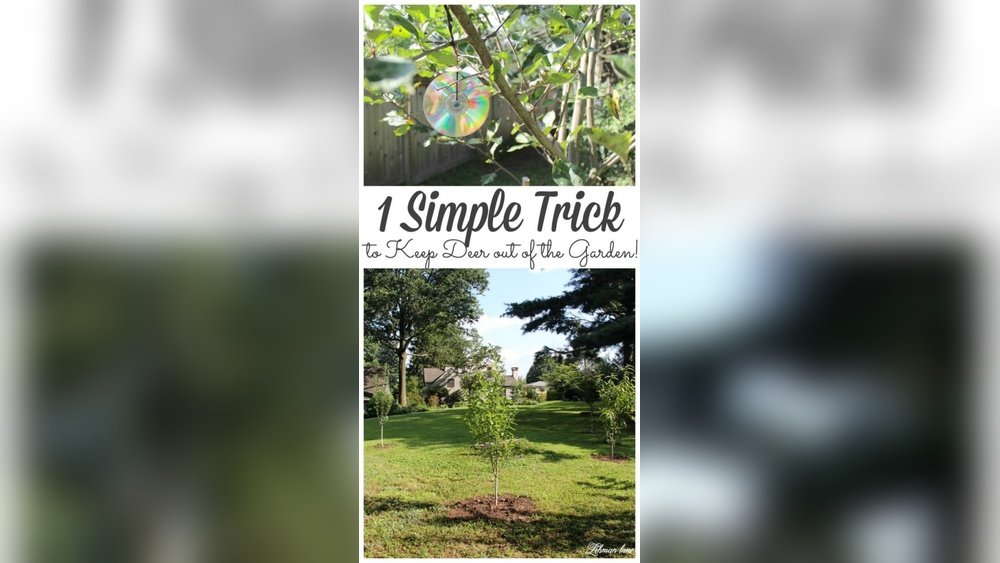
- Reflective tape or CDs: Hang shiny objects that move in the breeze. The flashing light scares some deer.
- Wind chimes or radios: Unfamiliar sounds may keep deer at a distance.
- Scarecrows: Traditional, but only effective if moved and changed often.
Practical advice: Deer quickly learn what’s harmless. Change the position or type of scare device every week or two for best results.
Mulch, Ground Cover, And Smell Barriers
The soil around your plants can also play a role in deer deterrence.
- Heavily mulched beds: Deer dislike walking on sharp, uneven surfaces. Use pinecones, rough wood chips, or gravel.
- Aromatic ground covers: Creeping thyme, oregano, or mint give off scents when stepped on, which deer avoid.
- Spray or sprinkle deterrents on mulch: Helps repel deer before they reach your plants.
Non-obvious insight: Combining scent with texture creates a multi-sensory barrier that’s harder for deer to ignore.

Credit: eartheasy.com
Water And Habitat Management
Sometimes, changing your landscape can make your yard less attractive to deer.
- Remove hiding spots: Keep grass mowed and shrubs trimmed so deer feel exposed.
- Eliminate standing water: Deer need to drink. Without easy access, they may move on.
- Limit night lighting: Too much light can attract deer, especially in rural areas.
Tip: If you have birdbaths or ponds, place them near the house or inside protected areas.
Community Solutions And Neighborhood Efforts
If you live in a deer-prone area, working with neighbors is vital. Deer don’t respect property lines. What you plant or spray will be less effective if your neighbors offer a buffet next door.
- Coordinate plant choices: Encourage others to use deer-resistant plants.
- Share deterrents: Group-buy fencing or repellents to save money.
- Communicate sightings: Warn each other when deer are active.
Example: Some communities set up joint barriers or plant public spaces with strong-smelling herbs.

Credit: naturalawn.com
Tracking Results And Staying Flexible
No two gardens—or deer populations—are the same. What works for one person may not work for another, and deer habits can change over time.
- Keep a garden journal: Note when and where you see damage, what repellents you used, and weather conditions.
- Change methods regularly: Rotate scents, move barriers, and try new combinations.
- Be patient: It can take time for deer to learn that your garden is not worth the trouble.
Pro tip: Even if a method works for months, be ready to adjust. Deer are adaptable and can surprise even experienced gardeners.
Comparing Organic Deer Deterrent Methods
Here’s a quick comparison of major organic approaches based on effectiveness, cost, and maintenance.
| Method | Effectiveness | Cost | Maintenance |
|---|---|---|---|
| Deer-resistant plants | Moderate | Low to Medium | Low |
| Organic repellents | Moderate to High | Low | Medium (reapply often) |
| Tall fences | Very High | High | Low |
| Motion devices | Low to Moderate | Medium | Medium (move/change often) |
| Mulch/barriers | Low to Moderate | Low | Low |
Key insight: Combining 2–3 methods (such as plants + repellents + a simple barrier) usually gives the best results without breaking your budget.
Mistakes To Avoid With Organic Deer Deterrence
Even experienced gardeners make errors that invite deer back into their yards.
- Relying on one method: Deer adapt quickly. Mix approaches for longer-lasting protection.
- Not reapplying repellents: Rain, sun, and time reduce effectiveness. Stick to a schedule.
- Ignoring the neighborhood: If your neighbors have unprotected gardens, deer will linger nearby.
- Underestimating deer: They can jump, squeeze, and even climb if motivated.
- Assuming all deer react the same: Some deer ignore scents that bother others. Personalities vary.
Non-obvious insight: Young deer are more curious and may sample new plants or ignore mild deterrents more than adults.
Real-world Examples: Success Stories
Case 1: A Vermont gardener surrounded her vegetable garden with rows of lavender, yarrow, and marigolds, combined with homemade garlic spray. Deer damage dropped by 90% in one season.
Case 2: In California, a community garden installed a 7-foot mesh fence and rotated egg-based and peppermint oil sprays. Deer visits went from daily to almost zero.
Case 3: A rural Ohio family used motion-activated sprinklers and hung bars of soap in mesh bags. They saw only minor nibbling, even with heavy deer populations nearby.
What these stories show: Combining tactics, staying flexible, and working with others can create real, lasting results.
The Future: New Trends In Organic Deer Control
Research is ongoing into safer, smarter ways to keep deer out of gardens. Some promising ideas include:
- Genetic plant breeding: Creating more varieties of beautiful, deer-resistant ornamentals.
- Biological deterrents: Using predator urine or natural scents from carnivores to scare deer.
- Smart tech: New motion sensors, solar-powered lights, and even drone patrols are being tested.
For reliable, up-to-date information, the Penn State Extension offers research and plant lists.
Final Thoughts: Building A Deer-safe, Organic Garden
Deterring deer organically is not about fighting nature—it’s about working with it. By understanding deer habits, using smart plant choices, layering defenses, and staying flexible, you can protect your garden without harming wildlife or the environment.
Start by observing your yard and identifying weak spots. Choose a few methods that fit your budget and time. Combine physical barriers, scent repellents, and smart planting for the best results. Keep records and adjust as needed. Above all, be patient—sometimes it takes a season or two to see real progress.
Deer may be clever, but with a little effort, your garden can thrive, naturally and safely.
Frequently Asked Questions
How Often Should I Reapply Organic Deer Repellents?
Most organic repellents (like egg spray or garlic) need to be reapplied every 1–2 weeks, and after heavy rain. Some commercial products last longer, but always check the label. Consistent application is key for effectiveness.
Are There Plants That Are Truly Deer-proof?
No plant is completely deer-proof, but some are rarely eaten. Daffodils, foxglove, lavender, and yarrow are among the most resistant. Hungry deer may sample almost anything, so combine resistant plants with other deterrents.
Will Physical Barriers Ruin My Garden’s Look?
Not necessarily. Many organic barriers—like mesh fencing, netting, or dense hedges—can be nearly invisible or blend with landscaping. Creative use of tall, deer-resistant shrubs also helps create natural-looking borders.
Do Ultrasonic Or Electronic Deer Deterrents Work?
Results are mixed. Some gardeners report success with motion-activated sprinklers or noise makers, but ultrasonic devices often have little effect. Deer can get used to consistent sounds or lights, so move devices regularly.
Can I Deter Deer Without Harming Other Wildlife?
Yes. Organic repellents, smart planting, and well-designed barriers protect your garden while allowing pollinators, birds, and helpful insects to thrive. Avoid toxic chemicals and focus on solutions that target only deer habits.