
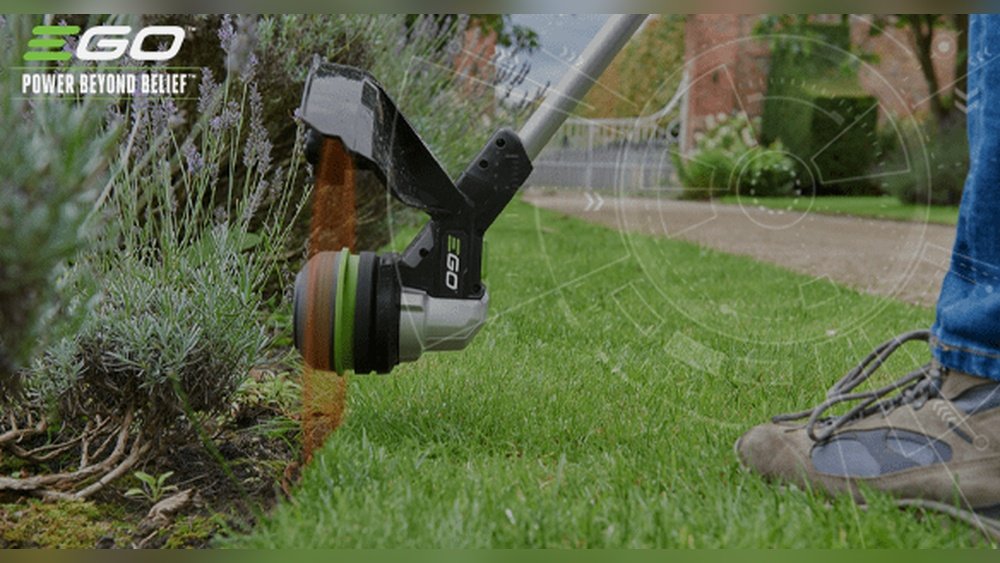
A neat, well-edged lawn is the mark of a cared-for yard. If you want your garden or lawn to look professional, learning how to edge lawn with string trimmer tips is key. Many people use string trimmers only for cutting grass, but these versatile tools can also create sharp edges along driveways, sidewalks, flower beds, and patios. With the right technique, you can achieve clean lines and a manicured appearance without expensive equipment.
This article will guide you through the process step by step. You’ll learn which string trimmer to choose, how to prepare your lawn, the best edging methods, common mistakes to avoid, and expert tips that most beginners miss. We’ll also cover safety, maintenance, and troubleshooting.
Whether you’re a homeowner, landscaper, or someone who simply loves tidy outdoor spaces, you’ll find practical advice here. By the end, you’ll feel confident in using your string trimmer for edging and making your lawn stand out.
Why Edge Your Lawn With A String Trimmer?
Many people wonder if edging is worth the effort. The answer is yes, especially if you want your property to look polished. Edging defines the boundaries between your grass and other surfaces. It improves curb appeal and keeps weeds from creeping into unwanted areas. Using a string trimmer for edging is convenient because:
- Versatility: You can trim, edge, and shape with one tool.
- Cost-effective: No need to buy a separate edger.
- Precision: String trimmers allow for detailed work along curves and tight spots.
- Time-saving: You can edge quickly once you learn the technique.
Recent surveys show that homes with well-edged lawns sell for up to 7% more than similar properties with messy edges. It’s a small investment of time that pays off in beauty and value.
Choosing The Right String Trimmer For Edging
Not all string trimmers are equal. Picking the right model will make edging easier and safer. Here are the main types:
| Type | Power Source | Ideal For | Average Price |
|---|---|---|---|
| Electric (Corded) | Plug-in | Small yards | $40–$100 |
| Battery (Cordless) | Rechargeable | Medium yards | $80–$200 |
| Gas-powered | Gasoline | Large yards | $150–$350 |
Corded electric trimmers are lightweight and easy to use but limited by the length of the cord. Battery-powered trimmers offer freedom of movement but require recharging; modern lithium batteries last 20–45 minutes per charge. Gas-powered trimmers are strong and good for tough jobs, but they are heavier and need more maintenance.
Key Features For Edging
When buying a string trimmer, look for:
- Rotating head: Lets you switch from trimming to edging easily.
- Adjustable shaft: Helps you work comfortably at different heights.
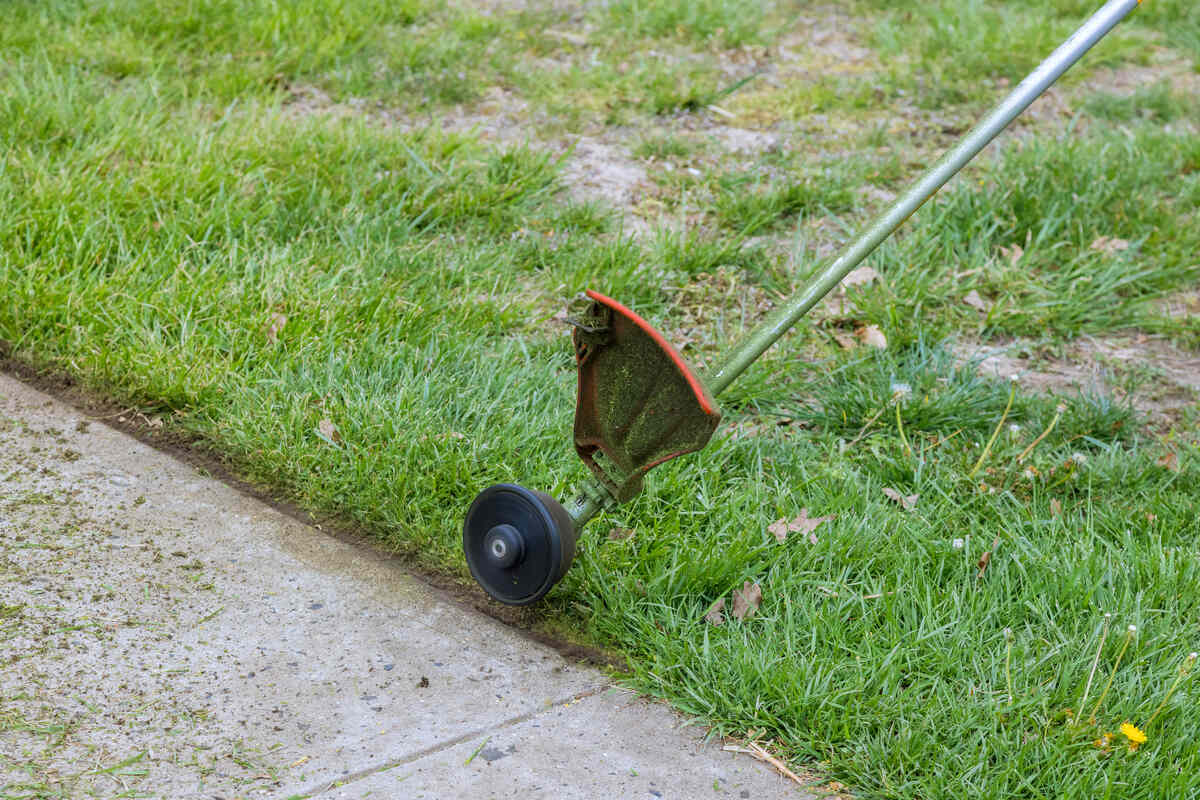
- Edge guide/wheel: Keeps your lines straight.
- Variable speed: Controls power for precision.
- Easy line replacement: Saves time when the string breaks.
Choosing the right tool will help you achieve clean edges and reduce fatigue. Always match the trimmer’s power to your yard size.
Preparing Your Lawn For Edging
Before you start edging, do some simple prep work. This step is often skipped, but it makes a big difference.
- Mow the lawn: Cut grass to the usual height so you can see the edge clearly.
- Clear debris: Remove sticks, stones, toys, and anything that could block the trimmer or damage the string.
- Mark the edge: If you want perfectly straight lines, use a garden hose or rope to outline the boundary. For curves, follow the natural shape.
- Check moisture: Slightly damp soil is easier to edge than dry, hard ground. Water your lawn lightly if it’s very dry.
Pro tip: If edging for the first time, walk along the edge and spot any obstacles. This will prevent sudden stops or damage.
How To Edge Lawn With A String Trimmer: Step-by-step Guide
Here’s the practical method for edging your lawn using a string trimmer. Follow these steps for sharp results:
Step 1: Wear Safety Gear
Always protect yourself. Wear safety glasses, gloves, sturdy shoes, long pants, and hearing protection. Small rocks and debris can fly up quickly.
Step 2: Position The Trimmer Correctly
Hold the trimmer so the string head is vertical, not horizontal. Most trimmers have a rotating head for this purpose. If yours doesn’t, simply tilt the tool sideways. Keep the string just above the ground, touching the edge where grass meets pavement or flower bed.
Step 3: Start At One End
Begin at the corner of your yard, driveway, or sidewalk. Edge from one side to the other, working slowly and steadily. Move in a straight line or follow the curve, depending on your design.
Step 4: Guide The Trimmer Along The Edge
Let the trimmer’s string do the work. Don’t force it. Slowly walk forward, keeping the string head aligned with the edge. If your trimmer has an edge guide wheel, use it to keep your path straight.
Step 5: Maintain Consistent Speed
Move at a steady pace. Rushing will create jagged edges, while moving too slowly can burn the grass or soil. Use variable speed if your trimmer offers it. For tight curves, go slower for better control.
Step 6: Check Your Progress
Pause every few feet to check the line. Clean up loose grass and soil as you go. If you see uneven spots, retrace your steps and tidy them up.
Step 7: Finish And Clean Up
Once you’ve edged the full boundary, use a broom or blower to clear away clippings and soil. Admire your sharp, professional-looking edge!
Expert insight: Many beginners forget to check the string length. A short or worn-out string will give uneven results. Replace or adjust the string before starting.
String Trimmer Edging Techniques For Different Lawn Types
Every lawn is unique. Here are the best approaches for edging common areas:
Edging Along Sidewalks And Driveways
- Hold the trimmer so the string just touches the concrete.
- Move slowly to avoid gouging the sidewalk.
- Keep the string head vertical for a sharp line.
Edging Around Flower Beds
- Use a curved shaft trimmer for better control in tight spaces.
- Maintain a safe distance to avoid damaging plants.
- If the bed has mulch, edge first and add mulch later for a crisp finish.
Edging Along Fences And Walls
- Keep the string away from wood or paint to avoid damage.
- For metal fences, use medium speed to prevent excessive wear.
- If grass grows close to the fence, edge regularly to prevent overgrowth.
Edging Near Trees
- Avoid hitting tree bark; it can harm the tree.
- Use slower speed and shorter string length.
- If possible, hand-trim the final inch near the trunk.
Common Mistakes When Edging With A String Trimmer
Even experienced users make errors. Here’s what to watch out for:
- Wrong string length: Too short means uneven edges; too long wastes string and risks damage.
- Incorrect angle: Tilting the trimmer too much creates a sloped edge instead of a clean line.
- Rushing: Moving too fast leaves jagged, messy edges.
- Ignoring safety: Not wearing protection can lead to injuries.
- Edging dry soil: Hard ground is tough to cut and wears out your string faster.
- Over-trimming: Removing too much grass weakens the lawn’s edge.
- Neglecting maintenance: A dirty or poorly maintained trimmer will not perform well.
Non-obvious insight: Most people forget to check for hidden cables or sprinkler heads. Damaging these can be costly. Always inspect the area before edging.

Credit: www.youtube.com
Advanced Tips For Professional Lawn Edging
Want your edges to look as good as a landscaper’s? Try these expert tips:
- Double pass: After the first edging, make a second light pass for extra sharpness.
- Edge when grass is dry: Wet grass sticks together and is harder to cut cleanly.
- Use string thickness wisely: Thicker strings are better for tough, overgrown edges, while thinner strings give finer lines.
- Start early: Edge in the morning or late afternoon, when sunlight isn’t too harsh.
- Sharpen your eye: Stand back and view the edge from different angles to spot imperfections.
Bonus insight: For curved edges, practice with a rope outline. It helps you guide the trimmer smoothly and avoid sudden turns.
Maintaining Your String Trimmer For Long Life
A well-maintained trimmer lasts longer and works better. Here are the basics:
- Clean after use: Wipe down the head, shaft, and motor. Remove grass and dirt.
- Replace string regularly: Check for wear and tear. Follow the manufacturer’s instructions for replacement.
- Check battery or fuel: Recharge batteries fully; use clean gas for fuel-powered models.
- Inspect parts: Look for loose screws, cracked shields, and worn handles.
- Store properly: Keep in a dry place, away from rain and humidity.
| Maintenance Task | Frequency | Estimated Cost |
|---|---|---|
| Cleaning | After each use | $0 |
| String replacement | As needed | $5–$15 |
| Battery charging | After each use | $0 |
| Fuel refill | As needed | $2–$5 |
| Parts inspection | Monthly | $0–$20 |
Proper care prevents breakdowns and keeps your trimmer ready for every job.
Comparing String Trimmer Edging To Other Lawn Edging Methods
String trimmers aren’t the only way to edge a lawn. Here’s how they compare to other tools:
| Edging Tool | Precision | Speed | Cost | Ease of Use |
|---|---|---|---|---|
| String Trimmer | High | Fast | Low–Medium | Easy |
| Manual Edger | Very High | Slow | Low | Moderate |
| Powered Edger | Very High | Fast | Medium–High | Easy |
| Garden Spade | Medium | Slow | Low | Moderate |
String trimmers are popular because they balance precision, speed, and cost. Manual edgers offer more control but take longer. Powered edgers are great for large areas but cost more. Garden spades are best for small jobs or special shapes.
Tip: If you have a large yard or complex edges, combine methods for best results.
Safety And Environmental Considerations
Edging your lawn with a string trimmer is generally safe, but accidents can happen. Always follow these rules:
- Wear proper gear: Safety glasses, gloves, and ear protection are a must.
- Keep children and pets away: They can get injured by flying debris.
- Avoid working in extreme heat: Overheating can cause fatigue and mistakes.
- Check for hazards: Look for hidden wires, pipes, or rocks before starting.
From an environmental standpoint:
- Use battery-powered trimmers: They produce less noise and emissions than gas models.
- Recycle worn-out string: Some manufacturers offer recycling programs.
- Edge only as needed: Over-edging can damage grass roots and soil.
According to the EPA, gas trimmers emit up to 10 times more pollutants than battery models. Choosing electric or battery trimmers helps reduce your carbon footprint.
Troubleshooting Common String Trimmer Edging Problems
Even with the best technique, problems can occur. Here’s how to fix them:
String Breaks Frequently
- Use the correct string thickness for your trimmer.
- Avoid hitting hard surfaces like concrete or rocks.
- Replace string regularly.
Uneven Edges
- Keep the string head vertical.
- Move at a consistent speed.
- Check string length before starting.
Trimmer Stops Suddenly
- Check battery charge or fuel level.
- Clean debris from the head.
- Inspect for loose wires or parts.
Excessive Vibration
- Tighten handles and screws.
- Replace worn string.
- Balance the head correctly.
Hidden insight: Many people forget to clean the air filter in gas-powered trimmers. A dirty filter can cause engine problems and poor performance.
Seasonal Lawn Edging Advice
Different seasons bring different challenges. Here’s how to edge your lawn year-round:
Spring
- Edge early to shape new growth.
- Watch for wet soil after rain; wait until it dries slightly.
Summer
- Edge often to keep rapid growth in check.
- Work in the morning to avoid heat.
Autumn
- Edge after leaves fall to prepare for winter.
- Remove fallen leaves before edging.
Winter
- If you live in a warm climate, edge occasionally.
- In cold areas, store your trimmer and prepare for spring.
Tip: Seasonal edging prevents overgrowth and keeps your lawn healthy.
How Often Should You Edge Your Lawn?
Frequency depends on your climate, grass type, and growth rate. Most lawns need edging every 2–4 weeks during the growing season. In cooler months, edging is less frequent.
- Fast-growing grasses (like Bermuda or Zoysia): Edge every 2 weeks.
- Slow-growing grasses (like Fescue): Edge every 3–4 weeks.
- Rainy seasons: Increase edging to keep up with growth.
Regular edging prevents overgrown borders and keeps your lawn looking tidy.
Smart Lawn Edging For Homeowners: Geo-friendly Practices
If you’re concerned about the environment and your neighborhood, use geo-friendly edging practices:
- Choose native grass types: They require less water and care.
- Edge carefully around storm drains: Prevent clippings from entering water systems.
- Use battery trimmers: Reduce local air and noise pollution.
Some cities offer rebates for electric lawn equipment. Check local regulations for eco-friendly landscaping tips.

Credit: www.youtube.com
Accessibility: Edging For All Skill Levels
Anyone can learn to edge a lawn with a string trimmer. Here’s how to make it easier:
- Start with a lightweight trimmer: Easier to handle and less tiring.
- Practice on straight lines first: Curves take more skill.
- Use visual guides: Rope, hose, or chalk lines help beginners.
If you struggle with mobility, look for trimmers with ergonomic handles and easy controls. Some models have adjustable shafts and balance weights for comfortable use.
Smart Lawn Edging: Voice And Ai Assistance
Modern string trimmers are becoming smarter. Some new models offer:
- Voice control: Adjust speed or direction with simple commands.
- AI sensors: Detect edges and guide the trimmer automatically.
- App integration: Track usage and maintenance on your phone.
These features improve accessibility and make edging easier for everyone. For more info on smart lawn tools, see Wikipedia.
Credit: www.lawnstarter.com
Frequently Asked Questions
How Do I Get A Straight Edge With A String Trimmer?
Use a visual guide like a garden hose or rope. Hold the trimmer vertically and move at a steady speed. Practice makes perfect—after a few sessions, your lines will be straighter.
Can I Edge Wet Grass With A String Trimmer?
It’s possible but not ideal. Wet grass clumps and sticks together, making it harder to achieve a clean edge. Wait for the grass to dry for best results.
What’s The Best String Thickness For Edging?
For most lawns, 0.080–0.095 inch string is ideal. Thicker strings are better for tough, overgrown edges, while thinner strings give finer lines for regular maintenance.
How Do I Avoid Damaging Flower Beds While Edging?
Keep the trimmer’s string away from plants and mulch. Use a curved shaft trimmer for better control. If you’re edging close to delicate flowers, hand-trim the last inch.
What Should I Do If My String Trimmer Won’t Start?
Check the power source—battery or fuel. Inspect for clogged air filters, loose wires, or broken parts. Clean the head and replace the string if needed. If the problem continues, consult a repair professional.
A neatly edged lawn is easier to maintain, looks attractive, and adds value to your home. With the right string trimmer and proper technique, you can achieve professional results on your own. Practice, patience, and attention to detail will help you master the art of edging.
Remember to stay safe, care for your equipment, and use eco-friendly practices. Your lawn—and your neighbors—will thank you for it.