
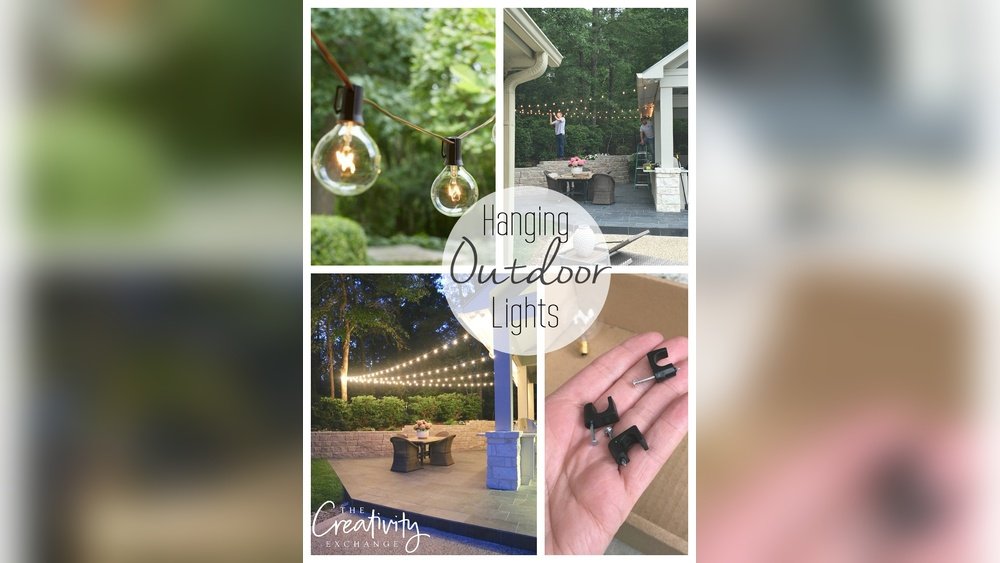
Outdoor string lights can turn any backyard, patio, or balcony into a cozy, inviting space. Whether you want to host evening gatherings, create a romantic mood, or simply enjoy your outdoor area after sunset, hanging string lights is a practical and affordable solution.
Many people struggle with installing these lights safely and beautifully. This guide gives you everything you need to know, from choosing the right string lights to hanging them securely and creatively. You’ll also learn tips that most beginners miss, helping you avoid common mistakes and make your lights last longer.
Choosing The Right Outdoor String Lights
The first step is picking string lights that suit your space and needs. There are many types available, and making the right choice can save you time and money.
Types Of String Lights
- LED string lights: Energy-efficient, long-lasting, and cool to the touch. They come in many styles, from classic bulbs to fairy lights.
- Incandescent string lights: Traditional look, warmer glow, but less energy-efficient and more fragile.
- Solar-powered string lights: No need for outlets; ideal for areas without easy access to electricity.
- Battery-operated string lights: Good for temporary setups or places far from power sources.
- Smart string lights: Can be controlled with apps, timers, or voice commands for custom lighting effects.
Bulb Shape And Size
- Globe bulbs (G40, G50): Round, classic party look.
- Edison bulbs: Vintage style, visible filament.
- Mini bulbs: Small, often used for fairy lights.
- Lanterns: Paper or plastic covers for unique décor.
Weather Resistance
Always check for IP ratings. Outdoor lights should be rated at least IP44 for protection against rain and dust. If you live in a wet or windy area, look for IP65 or higher.
Length And Number Of Strands
Measure your area before buying. String lights often come in 10, 25, or 50-foot lengths. Buy a bit extra to account for sagging and adjustments.
Color Temperature
- Warm white (2700–3000K): Cozy, inviting atmosphere.
- Cool white (4000–5000K): Modern, brighter effect.
- Multicolor: Festive, playful mood.
Comparison Of Common String Light Types
| Type | Energy Efficiency | Durability | Cost | Best Use |
|---|---|---|---|---|
| LED | High | Very Durable | Medium | Permanent Installations |
| Incandescent | Low | Medium | Low | Classic Events |
| Solar | High | Medium | Medium | Remote Areas |
| Battery | Medium | Low | Low | Temporary Setups |
Non-obvious Insight
Many buyers forget to check the socket type. Some string lights use special sockets, making it hard to find replacement bulbs. Choose standard E26 or E12 sockets for easy bulb replacement.
Planning Your Layout
A good plan helps your lights look great and last longer. Here’s how to design your layout:
Measure Your Space
Use a measuring tape or rope to mark where the lights will hang. Consider the height, distance between points, and obstacles like trees or furniture.
Sketch Your Design
Draw a simple map of your area and mark the anchor points. Decide on patterns like zigzag, parallel lines, V-shape, or canopy.
Choose Hanging Points
Pick strong spots: walls, trees, poles, or fences. Avoid places that may move or bend easily.
Consider Power Source
Plan where you’ll plug in the lights. If using solar or battery lights, make sure the panels or batteries are easy to reach.
Account For Sag
String lights look best with a slight sag. For a 25-foot strand, allow for 1–2 feet of slack.
Table: Popular String Light Layouts
| Layout | Visual Effect | Best For |
|---|---|---|
| Zigzag | Dynamic, playful | Patios, backyards |
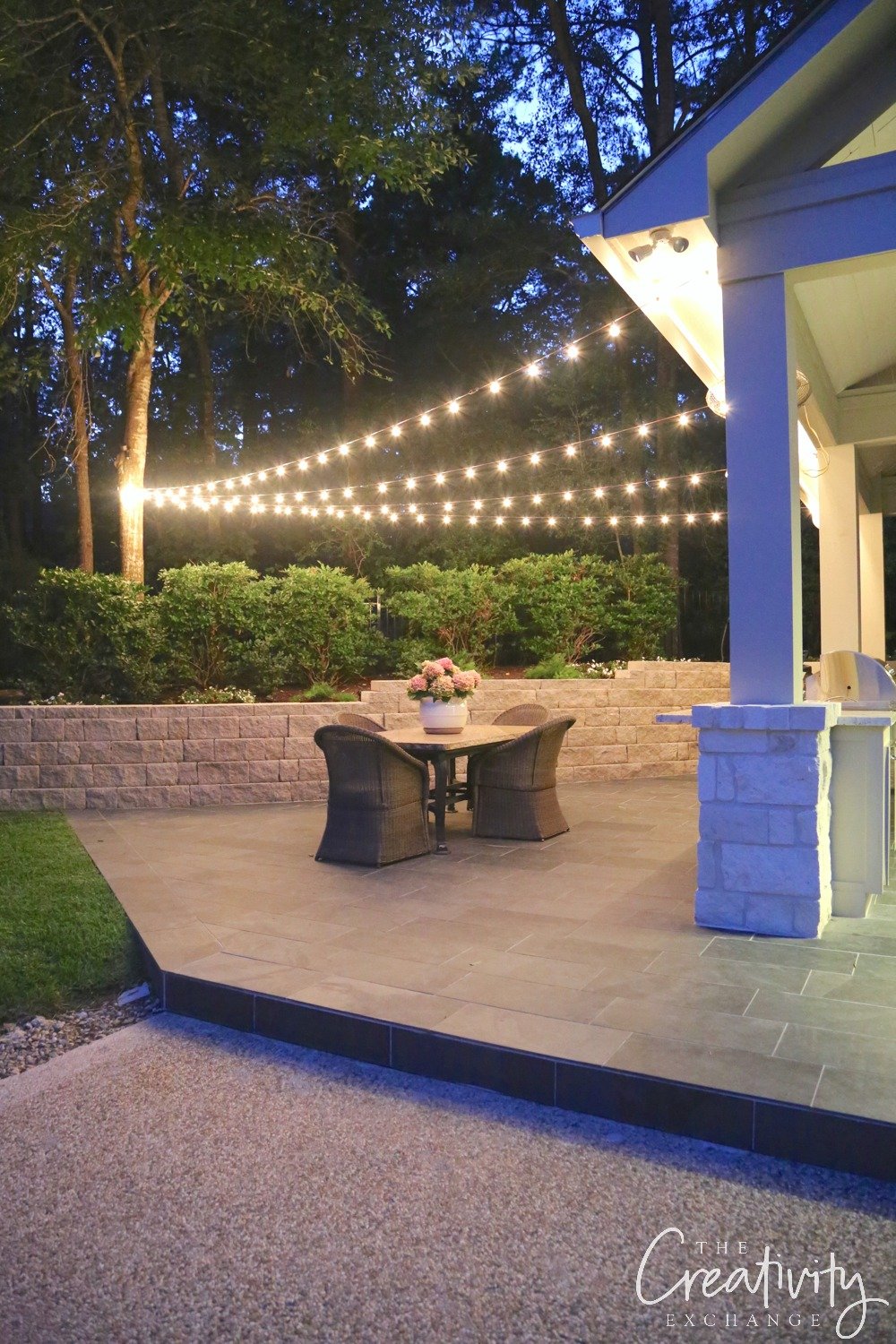
| Parallel lines | Orderly, formal | Long decks, dining areas |
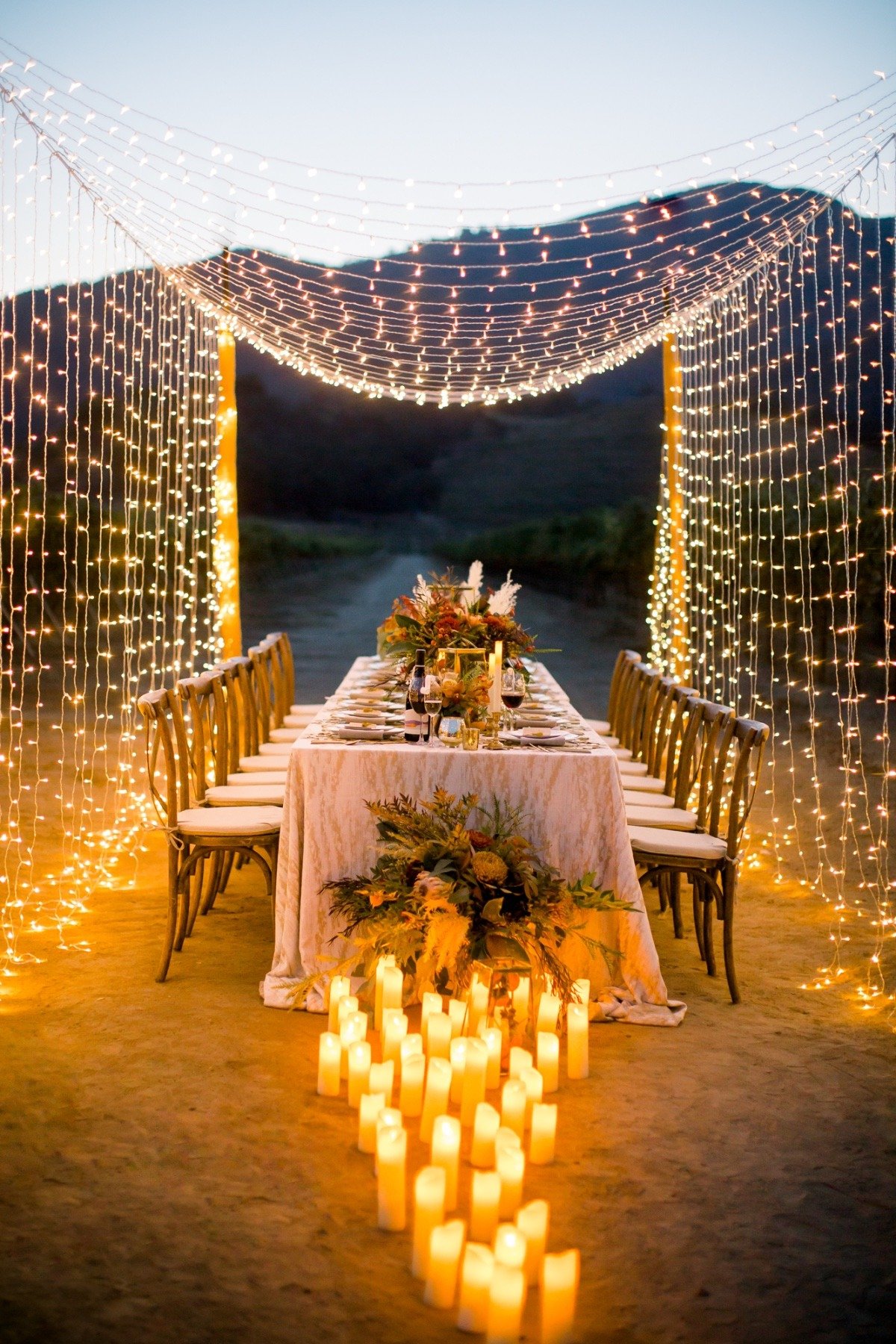
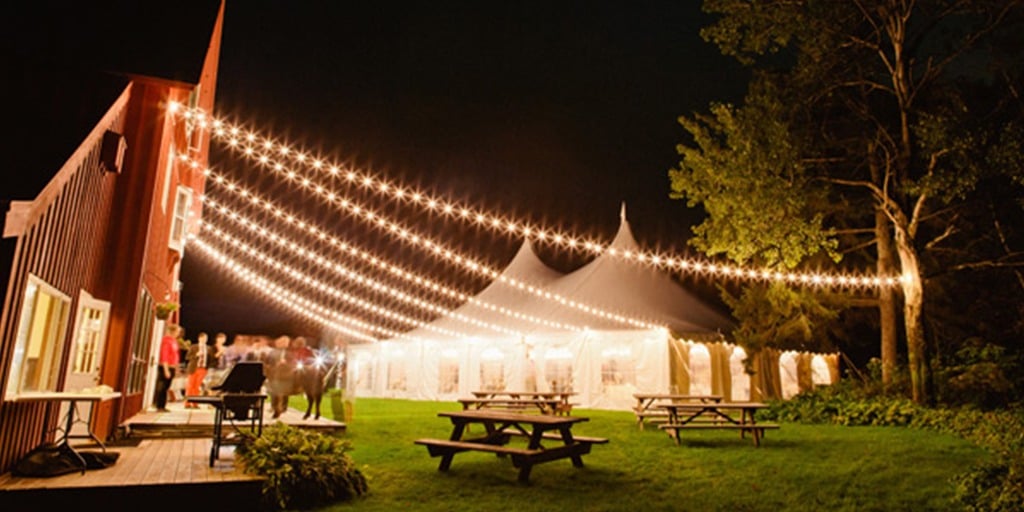
| Canopy | Elegant, festive | Large spaces, weddings |
| V-shape | Focuses attention | Entryways, focal points |
Non-obvious Insight
If you plan to hang lights across a wide gap (over 20 feet), use a support cable or wire. This prevents sagging and damage, especially in windy conditions.
Gathering Tools And Materials
Having the right tools makes installation easier and safer. Here’s what you’ll need:
- String lights (with bulbs)
- Hooks or eye bolts: For attaching to walls, ceilings, or trees
- Support cable or wire: For long distances
- Cable ties or zip ties: For securing lights to wires or hooks
- Outdoor extension cord: If needed
- Ladder: For reaching high places
- Measuring tape
- Drill (for installing hooks/eye bolts)
- Weatherproof outlet cover: For outdoor power sources
- Electrical tape: For securing connections
Optional:
- Outdoor timer: To automate on/off times
- Smart plug: For app or voice control
- Light clips: For attaching to gutters or fences
Comparison Table: Hook Types
| Hook Type | Best For | Strength | Installation Difficulty |
|---|---|---|---|
| Eye Bolt | Walls, wood | High | Medium |
| Adhesive Hook | Temporary setup | Low | Easy |
| Cup Hook | Ceilings, beams | Medium | Easy |
| Light Clip | Gutters, fences | Low | Easy |
Non-obvious Insight
Don’t use regular nails for hanging string lights. Nails can loosen, rust, or fall out. Choose hooks or eye bolts designed for outdoor use.
How To Hang Outdoor String Lights: Step-by-step
Follow these steps for a safe and attractive result. Each step is important for durability and safety.
1. Identify Anchor Points
Look for solid places to attach your lights. Walls, beams, trees, or poles work well. If you don’t have enough anchor points, install poles or posts.
2. Install Hooks Or Eye Bolts
Mark your anchor spots. Drill pilot holes to prevent splitting wood. Screw in hooks or eye bolts. Use weather-resistant hardware for outdoor areas.
3. Attach Support Cable (optional)
For long spans or heavy bulbs, run a support cable between anchor points. Secure with cable clamps. This reduces strain on the lights and keeps them from sagging too much.
4. Hang The Lights
Unroll the string lights and attach them to the hooks or cable. Start at the power source and work outward. Use cable ties or clips to keep the lights in place.
5. Connect To Power
Plug into an outdoor-rated outlet with a weatherproof cover. If using an extension cord, make sure it’s designed for outdoor use.
6. Test The Lights
Turn on the lights and check for any issues. Make sure all bulbs work and connections are secure. Adjust sag as needed.
7. Secure Loose Wires
Use cable ties or electrical tape to tidy up any loose wires. Keep wires away from walkways to prevent trips.
8. Weatherproof Connections
Wrap any exposed electrical connections with weatherproof tape or covers. This prevents water damage and electrical hazards.
9. Add Accessories
Install timers, smart plugs, or dimmers if desired. These let you control your lights easily.
10. Final Adjustments
Step back and look at your setup. Make any changes to sag, alignment, or bulb spacing for the best look.
Non-obvious Insight
Check the weight rating of your hardware. Some hooks or cables can only support a few pounds. Heavy bulbs or long strands need stronger hardware.
Creative Ideas For Hanging Outdoor String Lights
String lights are more than just practical—they can add style and personality to your space. Try these ideas for a unique look:
Around Trees
Wrap lights around trunks and branches. Use LED mini lights for a fairy tale effect.
Across Patios
Create a zigzag or canopy pattern. Hang lights high enough to avoid bumping into them.
Over Dining Areas
Hang parallel lines or a V-shape above tables for a cozy dining atmosphere.
Along Fences
Use clips or hooks to line the top of fences. This can outline your yard and create a safe path.
Pergolas And Gazebos
Weave lights through beams or rafters. Combine with lanterns for a layered effect.
Balcony Railings
Wrap lights around railings or use curtain-style lights for vertical sparkle.
Diy Poles
If you don’t have enough anchor points, make your own poles. Use metal or wood posts, set in concrete bases for stability.
Garden Paths
Line pathways with string lights on stakes or low posts. This adds safety and charm.
Non-obvious Insight
Mix string lights with other lighting types. Use spotlights or lanterns for depth and contrast. This prevents your space from looking flat.
Safety Tips For Hanging Outdoor String Lights
Safety should always be a priority. Here’s how to protect yourself and your lights:
Use Outdoor-rated Equipment
All lights, cords, and hardware must be rated for outdoor use. Indoor products can fail or cause fires.
Avoid Overloading Circuits
Check the wattage of your lights and the outlet. Don’t plug too many strands into one outlet—follow the manufacturer’s recommendations.
Secure Cords And Wires
Keep cords off the ground and away from water. Use cord covers if needed.
Inspect For Damage
Check lights and wires for cracks, fraying, or broken bulbs before and after installation.
Protect Against Weather
Use weatherproof covers for outlets and connections. Take down lights during extreme storms if possible.
Keep Away From Flammable Materials
Don’t hang lights near dry leaves, paper decorations, or other flammable items.
Use Proper Ladders
Always use a stable ladder and have someone hold it if possible.
Non-obvious Insight
Avoid hanging lights close to sprinkler heads. Water pressure can damage bulbs and wires.
Credit: www.weddingchicks.com
Maintenance And Troubleshooting
Keeping your lights in good shape will save money and prevent accidents.
Clean Regularly
Dust and dirt can build up on bulbs and wires. Wipe with a soft, dry cloth.
Replace Bulbs Promptly
Burnt-out bulbs can cause others to fail. Replace them quickly.
Check For Loose Connections
Every few months, inspect hooks, wires, and connections. Tighten or replace as needed.
Store Properly
If you remove lights for the winter, store them in a dry, cool place. Coil strands loosely to avoid tangling.
Troubleshooting Common Problems
- Lights won’t turn on: Check power source, extension cord, and outlet.
- Some bulbs not working: Replace bulbs, check for loose sockets.
- Lights flicker: Inspect for loose connections or damaged wires.
- Sagging strands: Add support cable or tighten hooks.
Non-obvious Insight
Label your strands when storing. This saves time next season and prevents confusion.
Environmental Considerations
Outdoor lighting can impact the environment. Make smart choices to reduce your footprint.
Use Led Bulbs
LEDs use up to 80% less energy than incandescent bulbs and last much longer.
Solar-powered Options
Solar lights don’t need electricity and recharge during the day.
Set Timers
Using a timer prevents wasted energy and keeps lights from disturbing neighbors.
Choose Recyclable Materials
Look for lights made from recyclable plastics or metals. Properly dispose of old bulbs.
Non-obvious Insight
Avoid light pollution by using dimmers or shielded bulbs. This helps protect wildlife and keeps the night sky clear.
Credit: www.thecreativityexchange.com
Common Mistakes To Avoid
Many beginners make mistakes that can cost time and money. Here’s what to watch out for:
- Buying indoor lights for outdoor use—these can fail quickly.
- Skipping the support cable—leads to sagging or snapping.
- Not measuring the space—ends up with too-short strands.
- Using weak anchors—lights can fall or break.
- Ignoring weatherproofing—water damage is common.
- Overloading outlets—risk of fire or blown fuses.
- Leaving cords loose—creates tripping hazards.
- Hanging too low—people bump into the lights.
- Not replacing bulbs—one dead bulb can affect others.
- Neglecting maintenance—reduces lifespan of lights.
Non-obvious Insight
Always check local regulations. Some areas limit outdoor lighting for safety or environmental reasons.
Enhancing Your Outdoor Space With String Lights
Outdoor string lights can transform your space in many ways. Here are practical ideas for different environments:
Small Patios
Use mini LED lights in a tight zigzag pattern to make the space feel larger and brighter.
Large Backyards
Create a canopy effect with globe bulbs. Use poles for support if trees or structures are too far apart.
Apartment Balconies
Hang curtain-style lights for privacy and ambience. Choose battery or solar options to avoid wiring hassles.
Special Events
For parties or weddings, combine string lights with lanterns and candles. Use dimmers to adjust mood.
Year-round Use
Invest in durable, weatherproof lights. Set up timers so lights turn on automatically every evening.
Non-obvious Insight
Change bulb colors for seasons or holidays. Some string lights allow you to swap bulbs or use colored covers.
Cost And Efficiency
Outdoor string lights range in price. Here’s what you can expect:
- Basic LED strands: $15–$30 per 25-foot strand
- Incandescent strands: $10–$25 per 25-foot strand
- Solar-powered strands: $20–$40 per 25-foot strand
- Smart lights: $40–$100 per strand
Installation costs depend on materials and tools. DIY is usually cheaper, but hiring a professional can cost $100–$300 for a full setup.
LEDs cost less in the long run. They use less electricity and rarely need bulb replacement.
According to the U.S. Department of Energy, LED outdoor string lights can save up to 75% in energy compared to incandescent. Learn more at Energy.gov.
Frequently Asked Questions
What Is The Safest Way To Hang Outdoor String Lights?
The safest way is to use outdoor-rated hooks or eye bolts, install a support cable for long spans, and make sure all electrical connections are weatherproof. Avoid using nails or staplers, as they can damage wires and cause electrical hazards.
How Many String Light Strands Can I Connect Together?
Most manufacturers recommend connecting up to three strands for incandescent lights and up to five strands for LEDs. Always check the packaging and never exceed the maximum wattage or amp rating of your outlet.
Can I Leave My Outdoor String Lights Up Year-round?
Yes, if your lights are weatherproof and rated for outdoor use. Inspect them regularly for damage, clean them, and replace any broken bulbs or parts. Remove during extreme weather if possible.
What Should I Do If My String Lights Won’t Turn On?
Check the power source, extension cord, and outlet first. Make sure all connections are tight. Replace any burnt-out bulbs and inspect for damaged wires. If using solar or battery lights, check batteries or panels.
How Do I Hang String Lights If I Don’t Have Trees Or Walls?
You can install DIY poles or posts in your yard. Use metal, wood, or PVC poles set in concrete bases for stability. Attach hooks or eye bolts to the top of the poles, then string your lights between them.
Outdoor string lights are a simple yet powerful way to enhance your outdoor living space. With careful planning, the right tools, and smart installation, you can create a safe, beautiful, and long-lasting lighting setup. Whether you’re hosting a party, enjoying a quiet evening, or simply making your backyard more usable, following these tips will help you get the most from your lights.
Don’t be afraid to experiment with layouts and styles—your outdoor space is unique, and your lighting should reflect that.
Credit: www.weddingchicks.com