

A neat lawn edge always turns heads. It’s the difference between a yard that looks cared for and one that seems unfinished. Using a string trimmer to edge your lawn can make your property stand out, but many homeowners struggle to get clean, professional results.
This guide will help you master edging with a string trimmer, covering everything you need to know—from choosing the right trimmer to avoiding common mistakes. Whether you’re a beginner or want to improve your lawn care skills, you’ll learn practical steps and expert techniques to edge your lawn perfectly.
Why Lawn Edging Matters
Lawn edging does more than just improve appearance. It also creates a clear boundary between your grass and other areas—like flower beds, walkways, and driveways. Proper lawn edging helps:
- Prevent grass from invading garden beds
- Make mowing easier and more efficient
- Boost curb appeal and property value
- Reduce weeds and debris in non-grass zones
A sharp edge can even make a small yard look bigger and more organized. For those planning to sell their home, studies show that good landscaping—including neat edges—can increase property value by up to 10%. So, learning how to edge with a string trimmer is a smart investment.
Understanding String Trimmers
Before you start edging, it’s important to know how string trimmers work and which type suits your needs. String trimmers (sometimes called weed eaters or weed whackers) use a spinning nylon line to cut grass and weeds. There are three main types:
| Type | Power Source | Best For | Common Features |
|---|---|---|---|
| Gas-Powered | Gasoline | Large yards, heavy-duty tasks | High power, heavier, louder |
| Electric (Corded) | Plug-in | Small/medium yards, close to outlets | Lighter, quiet, limited range |
| Battery (Cordless) | Rechargeable battery | Medium yards, mobility | Moderate power, lightweight, portable |
Most homeowners use battery-powered string trimmers because they’re easy to carry and don’t need a power outlet. For larger properties, gas-powered models are popular. Some trimmers have adjustable shafts and rotating heads for easier edging.
Choosing The Right String Trimmer For Edging
Picking the right trimmer is crucial. Here’s what to look for:
- Edge Guide: Some trimmers have a built-in guide that keeps the line steady near sidewalks or driveways.
- Rotating Head: Makes it easier to switch from trimming to edging mode.
- Adjustable Shaft: Helps you reach awkward spots and reduces back strain.
- Power Level: More power is needed for thick grass and tough weeds.
- Weight and Balance: Lighter models are easier to control, but heavier ones may be more durable.
A common mistake is choosing a trimmer that’s too weak for the job, which can lead to uneven edges and frustration. Always check reviews and ask for advice at your local garden center.
Credit: www.lawnstarter.com
Preparing Your Lawn For Edging
Preparation is key for a perfect edge. Taking a few minutes before you start can save hours later.
Step 1: Mark The Edging Line
- Use a garden hose or rope to outline the edge you want.
- For straight lines, you can use stakes and string.
- Make sure the line is visible and follows the natural shape of your lawn.
Step 2: Clear Debris
- Remove rocks, sticks, and any other obstacles.
- Check for hidden objects that could damage your trimmer or cause injury.
Step 3: Mow The Lawn
- Cut the grass before edging. This makes the edge easier to see and prevents tall grass from hiding your work.
Step 4: Wear Safety Gear
- Always wear safety glasses to protect your eyes from flying debris.
- Use ear protection, gloves, and sturdy shoes.
Many beginners skip these steps, but they help prevent mistakes and make edging easier.
How To Edge With A String Trimmer: Step-by-step
Let’s break down the edging process into clear steps. These instructions work for most trimmer types and yard layouts.
Step 1: Set Up Your Trimmer
- Make sure the trimmer line is the right length (not too short or too long).
- If your model has an edging mode, switch to it.
- Adjust the shaft and handle for comfortable use.
Step 2: Position The Trimmer
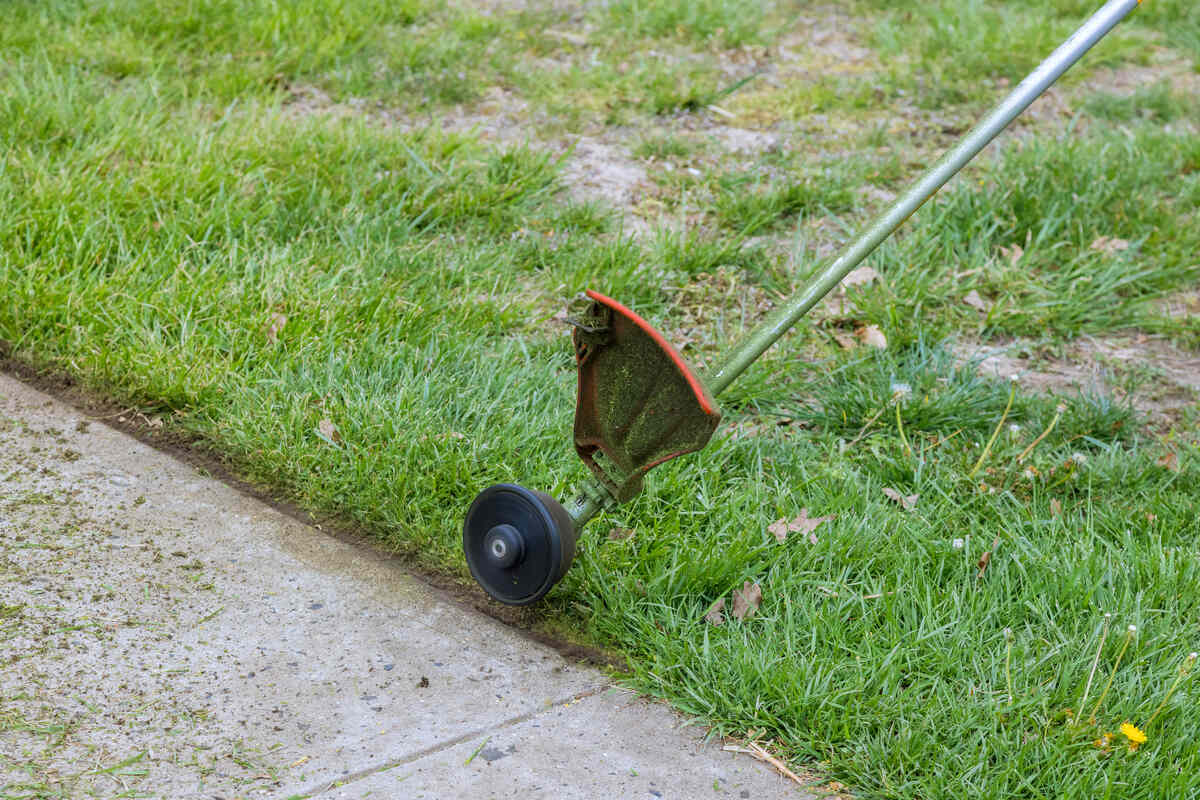
- Hold the trimmer so the head is vertical, with the line facing down.
- Keep the trimmer slightly above the ground—about 1/2 inch.
- Stand with your feet shoulder-width apart for balance.
Step 3: Start Edging
- Begin at one end of your marked line.
- Slowly move the trimmer along the edge, letting the spinning line cut a narrow groove.
- Walk forward at a steady pace—don’t rush.
- Keep the line close to the pavement, flower bed, or border, but avoid scraping.
Step 4: Maintain A Clean Edge
- If you see grass or soil spilling over, use the trimmer to clean it up.
- For tough spots, gently tilt the trimmer to deepen the edge.
- Check your progress every few feet. If the edge looks uneven, pause and fix it before moving on.
Step 5: Finish And Clean Up
- When you reach the end, turn off the trimmer.
- Use a broom or leaf blower to clear away clippings and debris.
- Inspect the edge. If needed, do a quick touch-up with the trimmer.
Pro Tip: For curved edges, move slowly and follow the shape with your whole body—not just your arms. This prevents wobbly lines.
Common Mistakes When Edging With A String Trimmer
Even experienced homeowners make errors when edging. Here are some pitfalls to watch out for:
- Using a dull or short line: The trimmer won’t cut cleanly, leading to ragged edges.
- Moving too quickly: Rushing creates uneven lines and missed spots.
- Holding the trimmer at the wrong angle: The line must be vertical for a sharp edge.
- Edging when the grass is wet: Wet grass sticks to the trimmer and makes the edge messy.
- Not wearing safety gear: Flying debris can cause injuries.
Avoid these mistakes by checking your equipment and taking your time.
Advanced Edging Techniques
Once you master basic edging, you can use advanced methods for extra precision and style.
Creating Deep Edges
- Tilt the trimmer head slightly toward the border.
- Move slowly to cut a deeper groove—about 1 inch.
- Deep edges last longer and prevent grass from creeping over.
Double Pass Method
- Edge the line once, then repeat in the opposite direction.
- This removes any missed grass and sharpens the edge.
Mixing Tools
- Use a manual edging tool (like a half-moon edger) for very tough soil.
- Combine with your string trimmer for the best results.
Some professionals use both string trimmers and manual edgers, especially in high-traffic areas.
Comparing String Trimmers To Other Edging Tools
String trimmers aren’t the only way to edge a lawn. Let’s compare them to other common tools.
| Tool | Edge Quality | Speed | Ease of Use | Cost |
|---|---|---|---|---|
| String Trimmer | Good (with practice) | Fast | Easy/moderate | $$ |
| Manual Edger | Very precise | Slow | Easy | $ |
| Motorized Edger | Excellent | Very fast | Moderate | $$$ |
| Lawn Mower | Rough | Fast | Easy | $$ |
String trimmers offer a balance of speed, precision, and cost. Manual edgers are slower but give very sharp edges. Motorized edgers are the best for large properties but are more expensive.
Maintaining Your String Trimmer For Best Edging Results
Proper maintenance keeps your trimmer working well and gives you clean edges every time.
Cleaning
- Wipe down the head and shaft after each use.
- Remove grass clippings and dirt.
- Check for tangled line and clear it.
Replacing The Trimmer Line
- Use the right size and type for your model.
- Replace the line when it’s worn or broken.
- Some lines are designed for edging—look for heavy-duty or square line types.
Battery Care
- For cordless trimmers, charge the battery fully before use.
- Store batteries in a cool, dry place.
- Avoid leaving batteries in the charger for long periods.
Engine Maintenance (gas Models)
- Check oil levels and replace as needed.
- Clean or replace air filters.
- Use fresh gasoline and avoid old fuel.
A well-maintained trimmer lasts longer and edges better.
Safety Tips When Edging With String Trimmer
String trimmers spin at high speed and can be dangerous if not used correctly. Follow these safety tips:
- Always wear eye protection and gloves.
- Keep children and pets away from the work area.
- Don’t use the trimmer in wet conditions.
- Never remove safety guards.
- Be aware of your surroundings—watch for cars, windows, or fragile plants.
Most accidents happen because people ignore basic safety rules. Take a minute to check your equipment and your environment before starting.
Edging Around Different Lawn Features
Every yard has unique challenges. Here’s how to edge around common features:
Sidewalks And Driveways
- Use the sidewalk or driveway as a guide.
- Keep the trimmer line just inside the concrete edge for a sharp finish.
Flower Beds
- Edge carefully to avoid damaging plants.
- If beds have mulch, try to keep the line away from loose material.
Trees And Fences
- Use a lighter touch to prevent hitting bark or wood.
- For tight spots, try a manual edger or hand trimmer.
Curved Borders
- Move slowly and follow the curve with your body.
- Keep the trimmer head vertical for a consistent line.
Non-obvious insight: For very tight curves, move the trimmer in short, gentle strokes rather than a continuous sweep. This prevents over-cutting.
Practical Tips For Perfect Edging
Achieving a professional edge takes practice and attention to detail. Here are some practical tips:
- Edge regularly: Weekly edging keeps lines sharp and prevents grass from spreading.
- Use the right trimmer line: Square or twisted lines cut cleaner and last longer.
- Edge before mowing: This makes cleanup easier and highlights the edge.
- Practice on less visible areas: Get comfortable before tackling the front yard.
- Don’t force the trimmer: Let the spinning line do the work.
Another tip beginners miss: Check for underground cables or sprinkler lines. Hitting these can cause expensive damage. Always look for warning signs and ask your utility company if unsure.
Geographic Factors Affecting Edging
Where you live can affect how you edge your lawn. Different regions have different grass types, soil conditions, and weather patterns.
Cool-season Grasses (northern Us)
- Fescue, Kentucky bluegrass, ryegrass
- Softer, easier to edge, but grows quickly
- Edging needed more often in spring and summer
Warm-season Grasses (southern Us)
- Bermuda, zoysia, St. Augustine
- Tougher blades, may require heavier trimmer line
- Edging needed year-round
Soil Types
- Sandy soil: Easier to edge, but lines may collapse if too deep
- Clay soil: Harder to cut, trimmer may bounce
- Loamy soil: Ideal for crisp edges
Weather
- Avoid edging after rain; wet soil makes a mess
- In dry regions, water the edge lightly before trimming to reduce dust
If you live in a region with frequent drought, consider edging less often to protect the grass.
Eco-friendly Edging Practices
Many homeowners want a great lawn without harming the environment. Here are some eco-friendly tips:
- Use electric or battery-powered trimmers to reduce emissions.
- Recycle grass clippings as mulch or compost.
- Avoid edging too deeply—this can damage roots.
- Maintain your equipment to prevent oil or fuel leaks.
For more eco-friendly lawn care practices, you can visit the EPA’s lawn and garden page.
Edging For Accessibility And Aging In Place
If you or someone in your household has mobility challenges, edging can be harder. Here’s how to make it easier:
- Choose lightweight trimmers with adjustable handles.
- Use trimmers with easy-start buttons (no pulling).
- Edge during cooler parts of the day to prevent fatigue.
- Ask for help with heavy equipment or difficult spots.
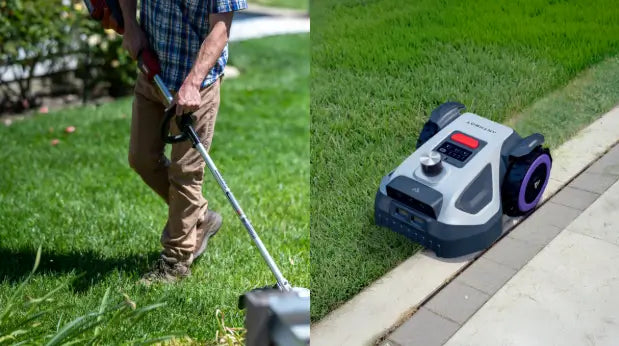
Manufacturers now offer ergonomic trimmers designed for seniors and people with limited mobility.
Credit: eu.anthbot.com
Troubleshooting Common Edging Problems
Even with the best technique, problems can happen. Here’s how to fix common issues:
Uneven Edges
- Slow down and check your angle.
- Use a string line or garden hose as a guide.
Trimmer Line Breaking
- Use a heavier line for thick grass.
- Check for rocks or hidden debris.
Trimmer Not Cutting Well
- Replace the line if it’s worn.
- Clean the head and shaft.
Grass Overgrowing Edge
- Edge more often—don’t let grass creep too far.
- Use deeper edging techniques for persistent overgrowth.
Comparing Popular String Trimmer Models
Choosing the best trimmer can be confusing. Here’s a comparison of three top models for edging:
| Model | Type | Battery Life | Weight | Edging Features |
|---|---|---|---|---|
| DeWalt DCST922P1 | Battery | 60 min | 7.8 lbs | Rotating head, easy edge switch |
| Stihl FS 56 RC-E | Gas | N/A | 10.6 lbs | High power, durable, edge guide |
| Black+Decker LSTE523 | Battery | 50 min | 6.7 lbs | Adjustable shaft, simple edging |
All three models are good for edging. Battery-powered trimmers are lighter and easier to use, while gas-powered models handle tougher jobs.

Credit: www.youtube.com
Frequently Asked Questions
How Often Should I Edge My Lawn With A String Trimmer?
Most lawns need edging every 1–2 weeks during the growing season. If your grass grows fast or you have invasive weeds, edge more often. Regular edging prevents grass from spreading into flower beds and keeps the edge sharp.
What Trimmer Line Is Best For Edging?
Square or twisted trimmer lines cut cleaner and last longer for edging. Use a heavier line (0.080” or above) for thick grass or tough soil. Always check your trimmer’s manual for compatible line sizes.
Can I Use A String Trimmer For All Edging Jobs?
You can use a string trimmer for most edging tasks, but very hard soil or thick roots may need a manual edger. For large properties or commercial jobs, a motorized edger is faster and more precise. Combine tools for best results.
Why Does My Edge Look Uneven?
Uneven edges often happen when you move too quickly, hold the trimmer at the wrong angle, or use a worn line. Slow down, keep the head vertical, and use a guide (like a garden hose) to help. Practice improves results.
Is Edging Safe For Children Or Pets?
String trimmers can be dangerous. Always keep children and pets away while edging. Wear safety gear, follow instructions, and never remove safety guards. Store the trimmer out of reach when not in use.
A perfect lawn edge is more than just good looks—it shows care and attention to detail. With the right string trimmer, proper technique, and consistent practice, you can edge your lawn like a pro. Take your time, follow safety rules, and enjoy the satisfaction of a neat, tidy yard.
Whether you’re preparing for summer, boosting curb appeal, or simply want to impress your neighbors, mastering edging with a string trimmer is a skill worth learning.