
Every gardener knows the excitement of seeing the first sprouts in their vegetable patch. But that excitement can quickly turn to worry when clusters of tiny bugs, known as aphids, appear on leaves and stems. These pests are small but destructive. They suck plant juices, stunt growth, and spread disease. If you want healthy, strong vegetables, learning how to get rid of aphids is essential.
Many people try to wipe out aphids with chemicals, but that’s not always the best or safest answer. Aphids can quickly develop resistance to pesticides. Plus, harsh chemicals can harm bees, butterflies, and your own health. The good news? There are many proven, natural, and practical ways to control aphids on vegetables.
Some methods work fast, while others take a little patience. But with the right strategies, you can protect your garden and enjoy better harvests.
This article explains everything you need to know about getting rid of aphids on vegetables. You’ll learn how to identify aphids, understand why they attack, and discover a wide range of control methods—from simple home solutions to biological controls and smart garden practices.
Whether you’re new to gardening or have years of experience, you’ll find clear, step-by-step advice and tips that go beyond the basics.
Understanding Aphids: The Basics
Before you can control aphids, it helps to know what you’re dealing with. Aphids are small, soft-bodied insects, usually 1–3 mm long. They come in a variety of colors—green, black, red, brown, yellow, or even white. Some have wings, but most are wingless.
Aphids feed by piercing plant tissues and sucking out sap. This weakens plants and causes curled, yellow leaves. Worse, aphids release a sticky substance called honeydew, which attracts ants and leads to sooty mold—a black fungus that blocks sunlight.
A single aphid can become a crowd quickly. Female aphids often give birth to live young, skipping the egg stage. In warm weather, populations can double in just a few days.
Common Types Of Aphids On Vegetables
Different aphid species prefer different plants. Some of the most common on vegetables are:
- Green peach aphid: Attacks peppers, spinach, tomatoes, and potatoes.
- Cabbage aphid: Found on cabbage, broccoli, and kale.
- Melon aphid: Feeds on cucumbers, squash, and melons.
- Potato aphid: Hits potatoes, tomatoes, and eggplant.
- Black bean aphid: Loves beans, beets, and spinach.
Each type can cause similar damage, but knowing which one you have can help you choose the best control method.
How Aphids Harm Your Vegetables
Aphids cause problems in several ways:
- Sucking plant sap: This weakens plants, leading to curled, yellow, or deformed leaves.
- Spreading viruses: Aphids can transfer plant viruses as they move from one plant to another.
- Attracting ants: Ants “farm” aphids for their honeydew, protecting them from predators.
- Encouraging mold growth: Honeydew leads to sooty mold, which blocks sunlight and slows growth.
A few aphids are not always a crisis. But if you see dozens or hundreds, it’s time to act.
Spotting Aphids Early: Signs And Symptoms
Early detection is key to controlling aphids before they do serious damage. Aphids are tiny, but their impact is easy to spot if you know the signs.
Visual Clues
Look for these symptoms on your vegetables:
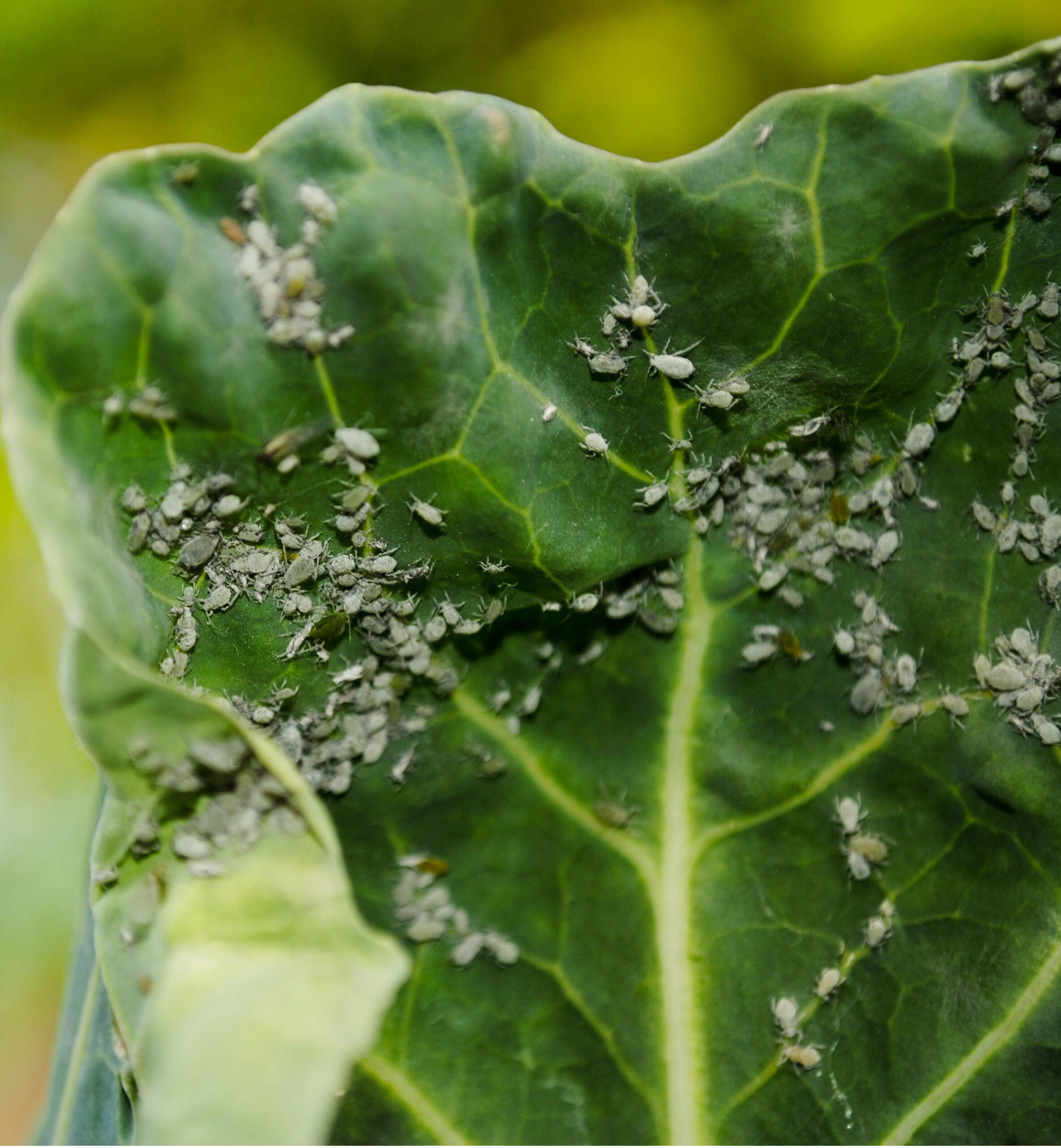
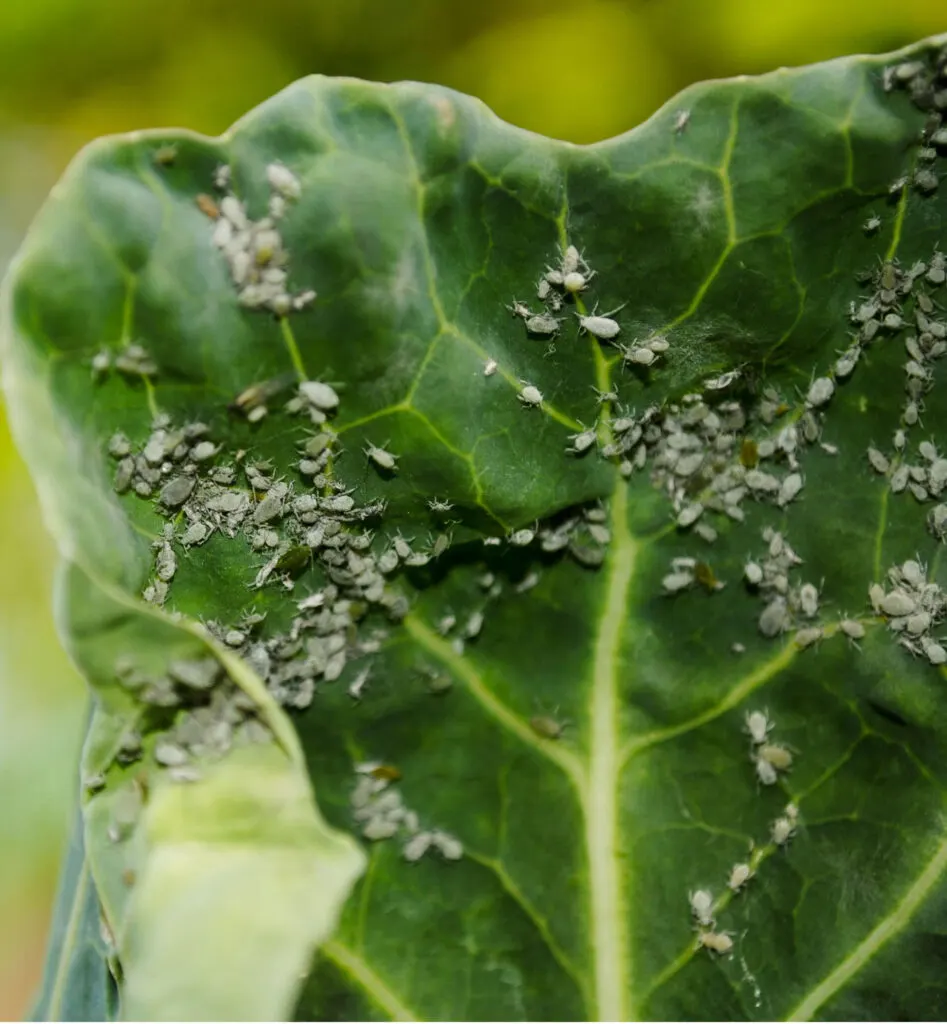
- Clusters of tiny insects: Usually on the undersides of leaves, new shoots, or stems.
- Sticky leaves: Caused by honeydew.
- Sooty black mold: Grows on honeydew deposits.
- Ant trails: Ants moving up and down plants often means aphids are present.
- Curled, yellow, or twisted leaves: Damage appears most often on new growth.
- Stunted growth: Plants stop growing or look weak.
Where To Check
Aphids usually attack:
- The underside of leaves (especially new leaves)
- Flower buds and tips of shoots
- Soft stems
- Young fruits
Regularly inspect your plants, at least once a week during the growing season. Catching aphids early makes control much easier.
Why Aphids Target Your Vegetables
Aphids are drawn to vegetables for a few reasons:
- Soft, juicy new growth: Young leaves and stems are easy for aphids to feed on.
- High nitrogen levels: Over-fertilizing with nitrogen produces lush, soft tissue that aphids love.
- Warm, sheltered conditions: Aphids thrive in warm, moist environments with little wind.
- Lack of natural predators: If your garden doesn’t have many ladybugs, lacewings, or other beneficial insects, aphids can multiply quickly.
Understanding these factors helps you make your garden less attractive to aphids.
Physical And Manual Controls
Sometimes, the simplest methods are the most effective. Removing aphids by hand or using barriers can quickly reduce their numbers without chemicals.
Hand Removal
This method is best for small infestations or delicate plants:
- Pinch or wipe off: Use your fingers or a soft cloth to squash or wipe away aphids.
- Prune infested parts: Cut off badly infested leaves or stems and dispose of them far from your garden.
- Water spray: Use a strong jet of water from a hose to knock aphids off the plants. Focus on the undersides of leaves.
Hand removal works best if you check your plants regularly and act quickly. It’s almost always safe for the plant.
Barriers And Traps
Physical barriers can prevent aphids from reaching your vegetables:
- Row covers: Lightweight fabric placed over plants keeps aphids out but lets sunlight and water in.
- Sticky traps: Yellow sticky cards attract flying aphids and trap them. These help monitor populations but won’t eliminate all aphids.
Physical methods are safe for people, pets, and pollinators.
Natural Home Remedies For Aphid Control
Many gardeners prefer home solutions before trying commercial products. These methods are low-cost, easy, and often surprisingly effective.
Soapy Water Spray
Mixing mild liquid soap with water is one of the oldest and safest ways to control aphids.
- Mix 1 tablespoon of pure liquid soap (not detergent) with 1 quart (1 liter) of water.
- Pour into a spray bottle and mist affected plants, especially the undersides of leaves.
- Wait a few hours, then rinse with clean water.
Soap damages the aphids’ protective coating, causing them to dry out. Repeat every 2-3 days as needed.
Tip: Test on a small leaf first. Some soaps can burn sensitive plants.
Neem Oil Spray
Neem oil is a natural pesticide from the seeds of the neem tree. It interferes with aphid growth and feeding.
- Mix 2 teaspoons of neem oil with 1 quart (1 liter) of water and a few drops of mild soap.
- Spray all plant surfaces, focusing on new growth.
Neem oil is safe for most beneficial insects if used in the evening or early morning, when pollinators are less active.
Garlic Or Chili Pepper Spray
Strong-smelling sprays can repel aphids and make plants less attractive.
- Blend 2-3 cloves of garlic (or 1 hot chili pepper) with 1 quart of water.
- Strain and spray on plants.
These sprays won’t kill aphids instantly, but they can help keep them away.
Essential Oil Sprays
Some essential oils, like peppermint or clove oil, can repel aphids.
- Add a few drops to water in a spray bottle.
- Mist plants lightly.
Always test first, as some oils can burn leaves.
Biological Controls: Let Nature Help
One of the most effective ways to control aphids is by encouraging their natural enemies. Many insects and birds feed on aphids and can keep numbers low if you support them.
Beneficial Insects
Some of the best aphid predators are:
- Ladybugs (ladybird beetles): Both adults and larvae eat aphids.
- Lacewings: Their larvae (sometimes called “aphid lions”) are voracious aphid eaters.
- Parasitic wasps: Lay eggs inside aphids, killing them.
- Hoverflies (syrphid flies): Their larvae eat aphids.
- Predatory beetles and bugs: Like soldier beetles and minute pirate bugs.
You can attract these helpers by planting flowers like dill, fennel, alyssum, and marigolds near your vegetables.
Purchasing Beneficial Insects
In some cases, you can buy ladybugs or lacewing eggs online or at garden stores. Release them in the evening, near infested plants, and provide water and shelter. Don’t use pesticides at the same time, as these will kill the good insects too.
Encouraging Birds
Small birds, like chickadees and wrens, also eat aphids. Planting shrubs or adding birdhouses can invite them into your garden.
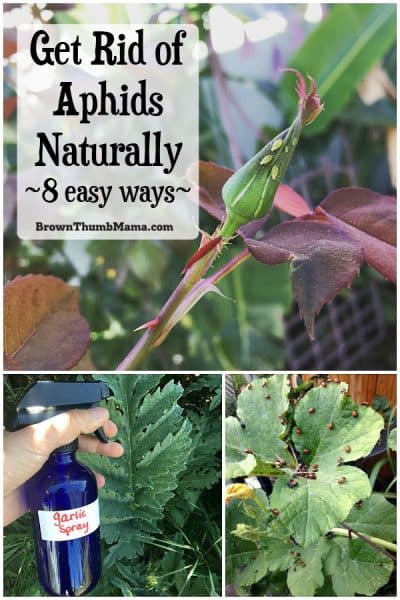
Credit: brownthumbmama.com
Organic Sprays And Commercial Products
If aphid numbers are very high, you may need stronger products. Organic options are safer for people, pets, and beneficial insects than traditional pesticides.
Insecticidal Soap
Specially made insecticidal soaps are sold at garden centers. They work like homemade soapy water but are formulated to be gentle on plants. Always follow the label instructions.
Horticultural Oil
Horticultural oils coat aphids and smother them. These are best used when plants are not stressed by heat or drought. Spray early in the morning or late afternoon.
Pyrethrin Sprays
Pyrethrin is a natural pesticide made from chrysanthemum flowers. It works quickly but can also harm beneficial insects, so use only as a last resort.
Quick Comparison Of Organic Vs. Synthetic Controls
Here’s a side-by-side look at common aphid control options:
| Method | Effectiveness | Safety | Impact on Beneficials |
|---|---|---|---|
| Soapy Water | Moderate | Very Safe | Low |
| Neem Oil | High | Safe | Low to Moderate |
| Pyrethrin | High | Moderate | High |
| Synthetic Pesticide | Very High | Low | Very High |
Whenever possible, try organic methods first.
Cultural And Preventive Practices
Prevention is often easier than cure. A few smart habits can make your garden less attractive to aphids and reduce future outbreaks.
Avoid Over-fertilizing
Too much nitrogen fertilizer produces lush, soft growth that aphids love. Use balanced fertilizers and don’t overfeed your vegetables.
Water Wisely
Stressed plants attract aphids. Water deeply and regularly, but avoid wetting leaves in the evening, which can encourage disease.
Rotate Crops
Don’t plant the same family of vegetables in the same spot every year. Crop rotation helps break pest cycles.
Plant Companions
Some plants naturally repel aphids or attract their enemies. Try planting these near your vegetables:
- Marigolds: Repel aphids and attract beneficial insects.
- Nasturtiums: Attract aphids away from your main crops (a “trap crop”).
- Chives and garlic: Their smell deters aphids.
Keep The Garden Clean
Remove weeds, old plant debris, and fallen leaves. Aphids can hide and overwinter in garden waste.
Credit: thisismygarden.com
Integrated Aphid Management: Combine Methods For Best Results
The best aphid control usually comes from combining several methods. This approach is known as integrated pest management (IPM). The idea is simple: use multiple strategies to keep aphid numbers low without harming the environment.
Here’s how a typical plan might look:
- Inspect plants weekly for early signs of aphids.
- Physically remove small infestations by hand or water spray.
- Spray soapy water or neem oil if numbers rise.
- Encourage beneficial insects by planting flowers and avoiding pesticides.
- Adjust fertilizer and watering to avoid lush, weak growth.
- Rotate crops and clean up garden beds each season.
By mixing and matching these tactics, you can keep aphids under control and enjoy better harvests.
When To Use Chemical Pesticides
Most gardeners can avoid chemicals, but in rare cases—like severe infestations on high-value crops—synthetic pesticides might be needed. If you choose this route:
- Read labels carefully and follow all safety instructions.
- Target only affected plants, not the whole garden.
- Spray in the evening to protect bees and other pollinators.
- Rotate chemicals to prevent resistant aphid strains.
Remember, chemical pesticides can harm beneficial insects, pollute soil and water, and may leave residues on food crops. Use them only as a last resort.
Credit: thisismygarden.com
Common Mistakes To Avoid
Many gardeners make simple errors when trying to control aphids. Here’s what to watch out for:
- Spraying in full sun: Oils and soaps can burn leaves if applied during hot, sunny hours.
- Using too much soap: Strong solutions can damage plants. Always follow mixing instructions.
- Ignoring beneficial insects: Overusing pesticides wipes out natural aphid enemies.
- Forgetting to reapply: Home sprays must be repeated every few days for good control.
- Missing the undersides of leaves: Aphids often hide where they’re hard to see.
By avoiding these mistakes, you’ll get better results and healthier vegetables.
Aphid Control: Data And Trends
Understanding the scope of the aphid problem can help motivate action. Here are some statistics and trends:
- Aphids can reduce vegetable yields by 20–80% if not controlled (depending on crop and infestation level).
- A single aphid can produce up to 80 offspring in one week under ideal conditions.
- Organic control methods now make up over 60% of home gardener strategies in North America.
- Ladybugs can eat up to 50 aphids per day and are among the most effective natural controls.
Aphids are a growing concern as warmer winters allow them to survive and multiply in more regions.
Seasonal Aphid Pressure: What To Expect
Aphid populations change with the seasons. Here’s a quick look at when to be most alert:
| Season | Aphid Activity | Best Control Strategies |
|---|---|---|
| Spring | High (new growth attracts aphids) | Inspect, physical removal, early sprays |
| Summer | Moderate to High (hot, dry weather favors aphids) | Biological controls, neem oil |
| Fall | Low to Moderate (cooler weather slows aphids) | Clean up, crop rotation |
| Winter | Very Low (aphids overwinter as eggs) | Remove debris, plan for next year |
Knowing when aphids are most active helps you plan your defenses.
Long-term Aphid Management: Building A Healthy Ecosystem
The healthiest gardens are those where pests and beneficial insects are in balance. Aim for a mix of solutions:
- Diverse plantings: Grow a variety of crops and flowers to support many insect species.
- Less chemicals, more patience: Allow some pests to remain, so predators have food.
- Continuous learning: Track what works each year and adjust your approach.
Over time, you’ll find your garden needs fewer interventions as nature does more of the work.
Non-obvious Tips For Aphid Control
Most guides tell you about soap sprays and ladybugs. Here are a few less obvious insights:
- Ant control is aphid control: If you see ants farming aphids, try sticky barriers (like Tanglefoot) around plant stems to keep ants away. Without ant protection, natural predators can do their work.
- Use reflective mulches: Silver or aluminum foil placed around plant bases can confuse and repel aphids, especially on cucumbers and squash.
- Start early in the season: Aphids multiply fast. Small spring populations are much easier to control than summer outbreaks.
- Don’t eliminate all weeds: Some wildflowers (like Queen Anne’s lace) support hoverflies and lacewings. Keep a small patch nearby, but away from your main beds.
Frequently Asked Questions
How Do I Know If Aphids Are Hurting My Vegetables?
If you see curled, yellow leaves; sticky surfaces; or sooty black mold, aphids are likely causing harm. Check the undersides of leaves for clusters of small, soft-bodied insects.
Are Aphids Dangerous To Humans Or Pets?
No, aphids do not bite humans or pets. They’re only a problem for plants. However, always wash vegetables before eating to remove any pests or honeydew.
Can I Eat Vegetables That Had Aphids On Them?
Yes. Vegetables are safe to eat after washing, even if they had aphids. Rinse well to remove insects and honeydew.
What’s The Fastest Way To Get Rid Of Aphids?
For a quick fix, blast plants with a strong jet of water or spray with soapy water. For long-term control, encourage beneficial insects and adjust your gardening practices.
Where Can I Learn More About Aphid Control And Beneficial Insects?
One good resource is the Planet Natural Research Center, which offers detailed guides and photos on aphids and their natural enemies.
Aphids may be tiny, but they don’t have to ruin your vegetable garden. With regular inspection, smart prevention, and a mix of natural controls, you can keep your plants healthy and productive—without resorting to harsh chemicals. The key is to act early, stay consistent, and remember that a little patience and observation go a long way.
Happy gardening!