
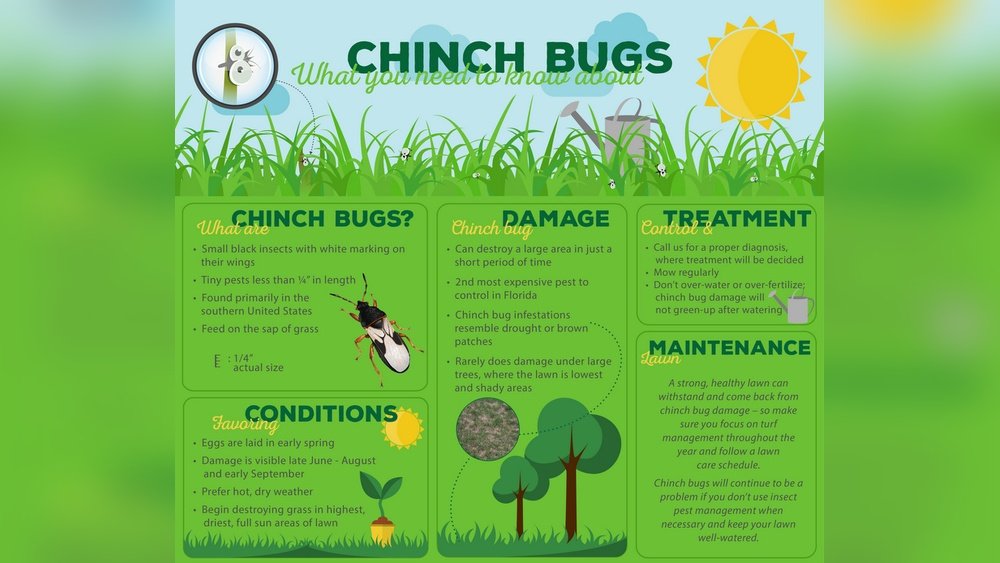
If you notice patches of dead grass on your lawn, especially during hot and dry months, you might be facing a chinch bug problem. These tiny insects can turn a healthy green yard into a brown, damaged mess in just a few weeks.
Many homeowners think drought or disease is to blame, but chinch bugs are often the real culprits. Knowing how to spot, control, and prevent chinch bugs can save your lawn from lasting damage.
Chinch bugs are a challenge because they’re small and hard to see. Their damage can look like other issues, making them tricky to identify. If you want to keep your lawn healthy, you need a clear action plan. In this guide, you’ll learn how to detect chinch bugs, the best ways to get rid of them, and how to keep them from coming back.
With the right steps, your lawn can recover and stay green all season.
What Are Chinch Bugs?
Chinch bugs are small insects that feed on grass by sucking the sap from blades and stems. As they feed, they inject a toxin that stops water from moving through the plant, causing the grass to dry out and die. The most common type affecting North American lawns is the hairy chinch bug (Blissus leucopterus hirtus).
Adult chinch bugs are about 1/5 inch long. They have black bodies with white wings folded across their backs. The young ones, called nymphs, are smaller and red with a white stripe.
Chinch bugs are most active from late spring to early fall. They prefer hot, dry, sunny areas and often attack St. Augustine grass, zoysiagrass, bentgrass, and Kentucky bluegrass. However, they can damage most turf types.
How Chinch Bugs Damage Lawns
Chinch bugs don’t eat the entire blade—they suck out juices and inject toxins as they feed. This causes:
- Yellowing or browning of grass in irregular patches
- Grass that looks wilted or dead, even with regular watering
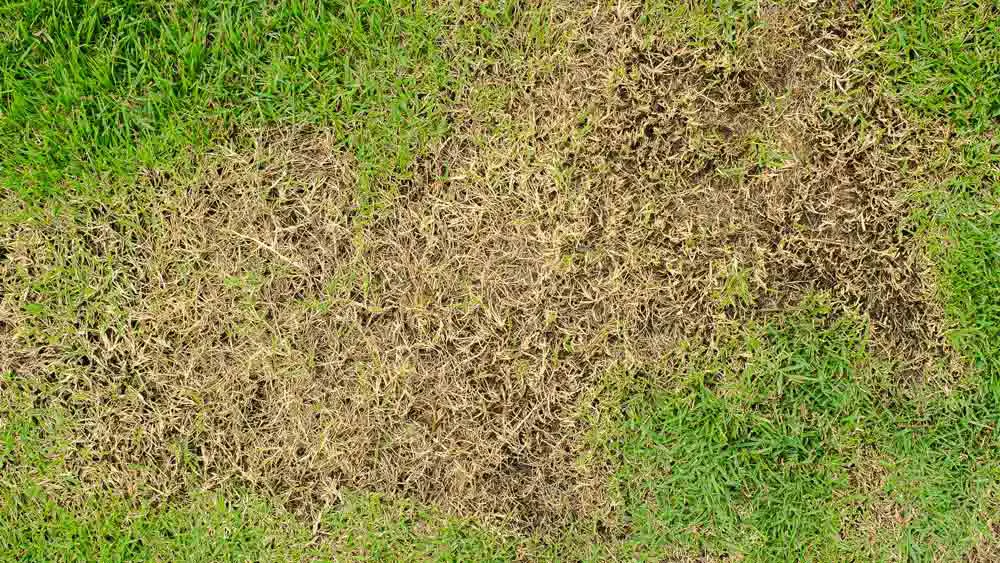
- Patches that expand quickly, especially during hot weather
The problem often starts in sunny, dry spots along sidewalks, driveways, or slopes. As their numbers grow, the damage spreads. If left untreated, chinch bugs can kill large sections of a lawn.
Chinch bug damage is sometimes confused with drought stress or disease. One way to tell is that chinch bug spots keep expanding, even after watering.
Signs You Have Chinch Bugs
It’s easy to miss chinch bugs at first. Here are some key signs:
- Irregular patches of yellow or brown grass
- Damage starts in sunny, dry areas
- Grass does not respond to extra watering
- If you part the grass at the edge of a patch, you may see small, fast-moving bugs
- When you step on the grass, it may crunch or feel dry
How To Check For Chinch Bugs
Try these simple methods to confirm if chinch bugs are present:
- Knee Test: Kneel at the border between healthy and damaged grass. Part the grass and look closely at the soil surface. If you see small black and white or red bugs, you’ve found chinch bugs.
- Tin Can Method: Cut both ends off a metal can. Push one end 2–3 inches into the soil at the edge of a damaged area. Fill the can with water and wait 5–10 minutes. Chinch bugs will float to the surface.
- Socks Test: Wear white socks and shuffle your feet over the lawn near damaged patches. Chinch bugs will cling to the fabric, making them easier to see.
If you find more than 15–20 chinch bugs per square foot, you have an infestation that needs action.
Chinch Bug Life Cycle
Understanding their life cycle helps you control them more effectively.
| Stage | Appearance | Duration | Where Found |
|---|---|---|---|
| Egg | Tiny, white, oval | 7–10 days | Base of grass |
| Nymph | Red, then orange, then brown with white stripe | 4–6 weeks | Soil and thatch |
| Adult | Black body, white wings | 2–3 months | Lawn surface |
Chinch bugs usually have two generations per year in most states. In warm climates, there may be three or more generations. Most eggs are laid in late spring, and new adults appear by early summer.
Credit: woodlandswater.org
Common Mistakes When Treating Chinch Bugs
Many homeowners try to fix chinch bug problems with the wrong approach. Here are common mistakes:
- Assuming it’s drought: Overwatering won’t solve chinch bug damage.
- Treating too late: Waiting until damage is severe makes recovery harder.
- Ignoring the thatch: Chinch bugs hide in thick layers of thatch (old grass). Not removing it lets them survive.
- Using the wrong pesticide: Not all lawn chemicals work on chinch bugs. Some can also harm helpful insects.
- Missing the full area: Treating only the visible patches leaves bugs in nearby grass.
Knowing these mistakes can save time, money, and your lawn.
How To Get Rid Of Chinch Bugs: Step-by-step
Tackling chinch bugs isn’t just about spraying chemicals. The right plan includes several steps for best results.
1. Confirm The Problem
Before treating, make sure chinch bugs are the cause. Use the detection methods above. Look for them at the edge of damaged spots, not in the middle where the grass is already dead.
2. Reduce Lawn Stress
Healthy lawns resist pests better. Start by:
- Mowing at the correct height (usually 2.5–3 inches for most grasses)
- Watering deeply but not too often (about 1 inch per week)
- Avoiding too much nitrogen fertilizer, which can attract chinch bugs
If your lawn is already stressed, give it extra care before treating pests.
3. Remove Excess Thatch
Thatch is a layer of dead grass and roots on top of the soil. Chinch bugs hide and lay eggs in thatch.
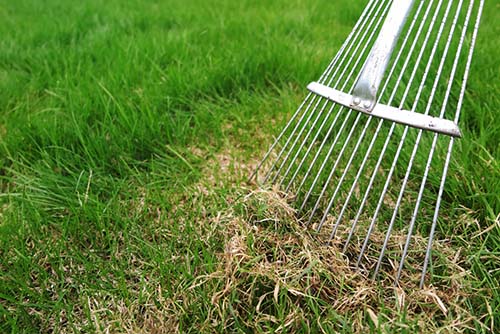
- Use a dethatching rake or a mechanical dethatcher to remove thick thatch (more than ½ inch).
- Aerate compacted soil to improve air and water flow.
Removing thatch reduces chinch bug hiding spots and helps treatments work better.
4. Choose The Right Treatment
There are several options for killing chinch bugs. Each has pros and cons.
Chemical Treatments
- Use insecticides labeled for chinch bugs, like those containing bifenthrin, cyfluthrin, or lambda-cyhalothrin.
- Apply in late spring or early summer when nymphs are active.
- Follow label instructions carefully—overuse can harm beneficial insects.
| Insecticide | Active Ingredient | Application Tips | Precautions |
|---|---|---|---|
| Bifenthrin granules | Bifenthrin | Spread and water in | Avoid near water sources |
| Cyfluthrin spray | Cyfluthrin | Spray evenly on affected areas | Keep pets off treated area until dry |
| Lambda-cyhalothrin | Lambda-cyhalothrin | Use for spot treatment | Wear gloves, avoid skin contact |
Non-obvious tip: Many lawn insecticides only kill adult bugs, not eggs. That’s why you may need a second treatment 2 weeks after the first.
Organic And Natural Options
If you want to avoid chemicals, some natural methods can help:
- Diatomaceous earth: This powder scratches and dries out chinch bugs. Sprinkle it on affected areas, but it works best in dry weather.
- Neem oil: A plant-based spray that disrupts the bugs’ life cycle.
- Beneficial nematodes: Tiny worms that prey on chinch bug nymphs in the soil. Apply when soil is moist and temperatures are above 55°F.
Natural options may take longer and usually work best for mild infestations. For heavy outbreaks, chemical control is more reliable.
5. Treat The Entire Area
Chinch bugs move quickly across lawns. Treat both the damaged patches and at least 3–5 feet beyond the edge to catch bugs hiding in healthy grass.
6. Water After Treatment
After applying granular insecticides, water the lawn lightly to move the product into the soil. For liquid sprays, let them dry before watering.
7. Monitor And Re-treat If Needed
Check the lawn again after 10–14 days. If chinch bugs are still present, repeat the treatment. You may need more than one application, especially during heavy infestations.

Credit: www.youtube.com
Restoring And Repairing Damaged Lawns
Once chinch bugs are gone, you’ll want to help your lawn recover. Damaged spots may need extra care or reseeding.
Steps For Lawn Recovery
- Rake out dead grass from damaged areas.
- Loosen the soil with a rake or garden fork to help new grass roots take hold.
- Add topsoil if needed to level low spots.
- Reseed or patch with sod using the same grass type.
- Water daily until new grass is 2 inches tall, then reduce watering.
- Fertilize lightly after new growth appears.
Healthy grass will fill in smaller bare spots on its own, but larger areas may need reseeding. Don’t apply too much fertilizer—this can attract chinch bugs again.
Hidden insight: Chinch bug-damaged lawns are more likely to get weeds. Watch for crabgrass or dandelions, and pull them by hand while the new grass grows.
Preventing Future Chinch Bug Infestations
Stopping chinch bugs before they become a problem is easier than treating an outbreak. Here’s how to make your lawn less welcoming to them:
Maintain Proper Lawn Care
- Mow at the correct height for your grass type. Taller grass shades the soil and makes it harder for chinch bugs to thrive.
- Water deeply, but less often. Shallow watering encourages chinch bugs.
- Fertilize with slow-release products. Too much nitrogen makes grass soft and attractive to pests.
- Remove thatch each spring if it’s thicker than ½ inch.
Encourage Natural Predators
Chinch bugs have several natural enemies, including big-eyed bugs, spiders, and ground beetles. Avoid broad-spectrum insecticides that kill these helpful insects. Planting a variety of flowers nearby can attract predators to your lawn.
Use Resistant Grass Varieties
Some grasses are less attractive to chinch bugs. For example, endophyte-enhanced tall fescue and perennial ryegrass have built-in resistance. If you are planting a new lawn or overseeding, ask for varieties with chinch bug resistance.
Monitor Regularly
Check your lawn every few weeks during the summer, especially after hot, dry spells. Early detection means easier control.
Quick Comparison: Chinch Bug Vs. Drought Damage
Confusing chinch bug damage with drought is common. Here’s how to tell the difference:
| Feature | Chinch Bug Damage | Drought Stress |
|---|---|---|
| Patch Shape | Irregular, expanding | Even, uniform |
| Location | Sunny, dry spots near sidewalks | All over, especially high spots |
| Response to Watering | No improvement | Grass recovers |
| Bugs Visible | Yes, if checked closely | No |
Credit: www.domyown.com
When To Call A Professional
Most homeowners can handle small chinch bug outbreaks themselves. But you may need help if:
- The infestation covers more than half your lawn
- DIY treatments don’t work after two tries
- You have children, pets, or sensitive areas and want safe treatment
- You are unsure about chemical use
Professional lawn care companies have access to stronger treatments and can create a custom plan. If you want to be sure the bugs are gone and your grass recovers quickly, consulting an expert is a smart move.
Eco-friendly And Integrated Pest Management (ipm)
Many people want to avoid heavy pesticide use. Integrated Pest Management combines several strategies for long-term control with less risk to people, pets, and the environment.
Core Ipm Steps
- Monitor regularly for signs of chinch bugs.
- Encourage natural predators by planting flowers and avoiding broad pesticides.
- Remove thatch and keep the lawn healthy.
- Spot-treat only where bugs are found, not the whole yard.
- Use chemicals as a last resort and follow all safety guidelines.
This approach is better for pollinators and the wider ecosystem. If you’re interested in more details, the University of Florida offers an excellent resource on turf IPM (University of Florida).
Little-known tip: Over-irrigation can also help chinch bugs, especially if it causes thatch buildup. Watering wisely is part of pest control.
Frequently Asked Questions
What Time Of Year Are Chinch Bugs Most Active?
Chinch bugs are most active from late spring through early fall, especially during hot, dry weather. Their numbers peak in midsummer. The best time to treat is when you first see damage or nymphs.
Can I Use Homemade Remedies To Control Chinch Bugs?
Some people try soapy water sprays or diatomaceous earth. These can kill some bugs but usually aren’t enough for large infestations. For best results, combine natural and chemical controls and focus on lawn health.
Will Chinch Bugs Come Back Every Year?
They can, especially if you have thatch buildup or over-fertilize your lawn. Regular monitoring, good lawn care, and removing thatch each spring will reduce the risk of repeat infestations.
How Long Does It Take For A Lawn To Recover After Chinch Bug Damage?
Recovery depends on the severity. Small patches may green up in 2–4 weeks with care. Large dead areas might need reseeding and can take a few months to fill in. Consistent watering, mowing, and feeding help speed recovery.
Are Chinch Bugs Harmful To Humans Or Pets?
Chinch bugs do not bite people or pets and are not dangerous indoors. Their only harm is to grass. Still, keep children and animals off the lawn during and right after chemical treatments until the area is dry.
Final Thoughts
Dealing with chinch bugs can be stressful, but quick action and the right steps make a big difference. By identifying the problem early, treating thoroughly, and focusing on lawn health, you can restore your yard and prevent future attacks. Remember to monitor your lawn regularly, avoid common mistakes, and don’t hesitate to seek expert help for severe infestations.
With careful attention, your lawn can stay green, lush, and chinch bug-free all season long.