
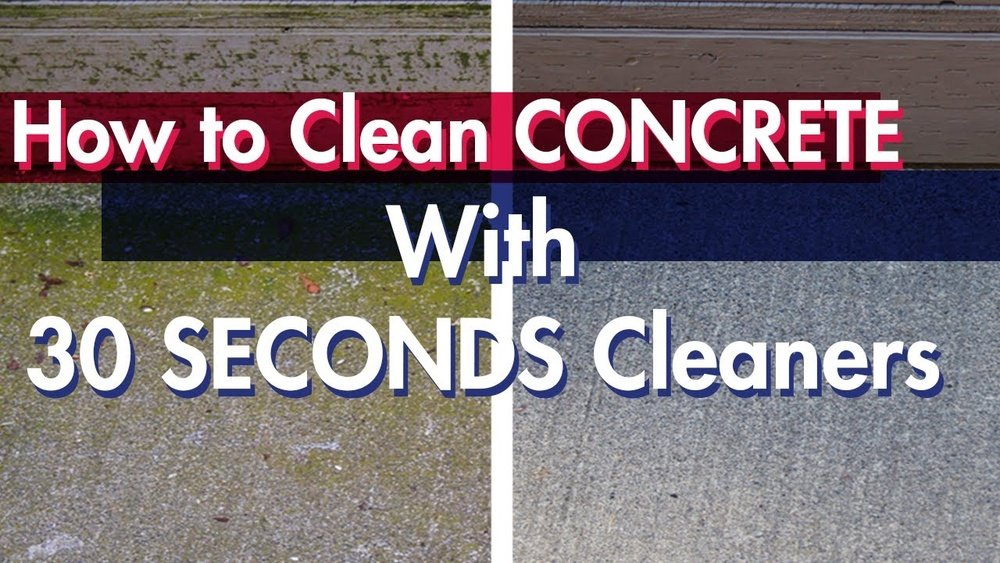
Cleaning a concrete patio can seem like hard work, especially if you don’t have a pressure washer. But you don’t need fancy equipment to restore your outdoor space. With a few simple tools, some elbow grease, and the right cleaning methods, you can get your concrete patio looking fresh and inviting again.
Whether you’re dealing with dirt, mold, mildew, or stubborn stains, there are practical solutions you can use. This guide will show you how to clean your concrete patio without a pressure washer, using safe and effective techniques that work for everyone—including people who want to avoid harsh chemicals.
You’ll learn how to prep your patio, choose the best cleaning solution, and tackle tough stains. Plus, you’ll discover helpful tips that most beginners miss, like how weather and surface texture affect cleaning results. By the end, you’ll have a clean, safe, and attractive patio you’ll be proud to show off.
Let’s get started.
Why Clean Your Concrete Patio Regularly?
A clean patio is about more than just looks. Over time, dirt, leaves, and moisture can cause stains, mildew, and even make the surface slippery. Mold and algae not only create ugly patches but can also be a safety hazard, especially after rain.
Regular cleaning also protects the concrete from long-term damage. Pollutants like bird droppings and acidic leaves can eat away at the surface. Removing them quickly helps your patio last longer and reduces the need for repairs.
Another reason is health. Mold spores and allergens thrive in damp, dirty areas. Keeping your patio clean means fewer allergens and better air quality when you relax outside.
What You Need To Know Before You Start
Cleaning a concrete patio without a pressure washer is simple, but a little planning makes the process smoother:
- Assess the surface: Look for cracks, heavy stains, or areas with mold growth.
- Check the weather: Pick a dry, mild day. Cleaning in very hot sun can dry out cleaning solutions too fast, while rain can wash them away before they work.
- Gather supplies: Decide if you want a homemade or commercial cleaner, and make sure you have a sturdy brush and a hose.
Common Myths About Cleaning Concrete
Many people think you must use a pressure washer or strong chemicals. This isn’t true. Most stains can be removed with household products and scrubbing. Also, some believe sealing concrete means it never needs cleaning. Sealed patios still get dirty and require regular care.
Essential Tools And Supplies
You don’t need expensive gear for this job. Here’s what you’ll need for effective, safe cleaning:
- Stiff-bristle broom or scrub brush: Look for one with synthetic bristles; metal brushes can scratch concrete.
- Bucket: For mixing cleaning solutions.
- Garden hose: Needed for rinsing.
- Mop or sponge: Useful for spreading cleaner.
- Protective gloves: Some cleaning agents can irritate skin.
- Dustpan and trash bags: For debris removal.
Optional but helpful:
- Push broom: For large patios.
- Squeegee: Helps with final water removal.
- Old towels or rags: For spot drying.
Choosing The Right Cleaning Solution
The best cleaner depends on the type of dirt and stains you’re dealing with. Here are the most common options:
1. Dish Soap And Water
Ideal For: General Dirt, Dust, And Light Stains
Mix a few drops of mild dish soap in a bucket of warm water. This gentle solution is safe for most concrete patios.
2. Vinegar Solution
Ideal For: Mold, Mildew, And Algae
Mix equal parts white vinegar and water. Vinegar is a natural acid that breaks down mineral stains and kills mold.
3. Baking Soda Paste
Ideal For: Grease Stains And Scuff Marks
Mix baking soda with a small amount of water to form a thick paste. Apply directly to stains and let sit before scrubbing.
4. Oxygen Bleach
Ideal For: Deep Stains And Heavy Mildew
Oxygen bleach (not chlorine bleach) is less harsh and environmentally friendly. Follow package directions for mixing with water.
5. Commercial Concrete Cleaner
Ideal For: Oil Stains, Rust, Or Stubborn Discoloration
Choose a cleaner labeled safe for outdoor concrete. Always read the instructions.
Cleaning Solution Comparison
Here’s a quick comparison of common cleaning solutions:
| Solution | Best For | Eco-Friendly | Ease of Use |
|---|---|---|---|
| Dish Soap & Water | Light dirt | Yes | Easy |
| Vinegar | Mold & algae | Yes | Easy |
| Baking Soda Paste | Grease, scuffs | Yes | Moderate |
| Oxygen Bleach | Mildew, deep stains | Yes | Moderate |
| Commercial Cleaner | Oil, rust | Depends | Variable |
Non-obvious insight: Avoid using chlorine bleach on concrete. It can degrade the surface and harm nearby plants.
:max_bytes(150000):strip_icc()/clean-a-concrete-patio-4580903-13-bcec273dc7a1471799f9a6780234830b.jpg)
Credit: www.thespruce.com
Step-by-step Guide: Cleaning Concrete Patio Without A Pressure Washer
Now, let’s break down the process into clear steps.
Step 1: Remove Loose Debris
Start by sweeping your patio with a stiff-bristle broom. Remove leaves, dirt, and any objects like furniture or toys. Pay attention to corners and edges where debris often collects. Use a dustpan to gather the dirt.
Tip: If your patio is covered with fine dust, sweep gently to avoid raising clouds of dust.
Step 2: Wet The Surface
Use your garden hose to lightly wet the patio. This helps loosen dirt and prevents the cleaning solution from soaking in too quickly.
Important: Avoid soaking the surface if temperatures are near freezing, as water can freeze and crack concrete.
Step 3: Apply Cleaning Solution
Choose the cleaner that matches your patio’s needs. For most patios, start with a dish soap or vinegar solution. Pour or spray the cleaner evenly across the surface. For large patios, work in sections.
How to apply: Use a mop or sponge for liquid solutions. For pastes like baking soda, spread directly onto stains.
Allow to soak: Let the solution sit for 10–15 minutes. This gives it time to break down dirt and stains.
Step 4: Scrub The Surface
With your stiff-bristle brush, scrub the patio in circular motions. Focus on stained or heavily soiled areas. For stubborn spots, add more solution and scrub again.
Example: Grease stains from a grill may need extra baking soda paste and repeated scrubbing.
Pro tip: For textured concrete, use a brush with longer bristles to reach into grooves.
Step 5: Rinse Thoroughly
Once you finish scrubbing, rinse the patio with your garden hose. Start from the highest part and work downward to carry dirt away.
Check carefully: Leftover cleaner can leave streaks or attract more dirt. Make sure all cleaning solution is washed away.
Step 6: Spot-treat Stubborn Stains
After rinsing, inspect for stains that didn’t come out. Apply a stronger solution—like oxygen bleach or a commercial cleaner—to these spots. Let it sit, then scrub and rinse again.
Common mistake: Don’t mix different cleaners at the same time; some combinations (like vinegar and bleach) produce dangerous fumes.
Step 7: Let The Patio Dry
Allow your patio to air dry completely. If you want to use it sooner, a squeegee or old towels can speed up the process.
Extra tip: Avoid replacing furniture or planters until the patio is dry to prevent new stains.
How To Remove Specific Stains
Some stains need special treatment. Here’s how to tackle the most common ones:
Grease And Oil Stains
- Blot up fresh spills with paper towels.
- Sprinkle baking soda or cat litter on the stain to absorb oil. Leave for several hours, then sweep up.
- Scrub with a baking soda paste or a degreaser, then rinse.
Rust Stains
- Spray full-strength white vinegar on the stain.
- Let sit for 30 minutes.
- Scrub with a brush and rinse well.
Note: For deep rust stains, a commercial rust remover for concrete may be needed.
Mold And Mildew
- Apply a vinegar and water solution or oxygen bleach.
- Let sit for 15–20 minutes.
- Scrub thoroughly and rinse.
Leaf And Plant Stains
- Sweep away leaves as soon as possible to avoid tannin stains.
- For existing stains, use oxygen bleach or vinegar, then scrub and rinse.
Paint Spots
- Scrape off loose paint with a plastic scraper.
- Apply a small amount of paint remover (test first in a hidden spot).
- Scrub and rinse.

Credit: www.youtube.com
How Often Should You Clean Your Patio?
The ideal cleaning frequency depends on your climate, patio use, and location:
- Light use: Sweep weekly, deep clean every 2–3 months.
- Heavy use or lots of trees: Sweep twice a week, deep clean monthly.
If your patio is shaded or prone to mold, increase the frequency to avoid slippery surfaces.
Data Point: According to the American Concrete Institute, regular cleaning can extend concrete lifespan by up to 30%.
Comparing Patio Cleaning Methods
How does cleaning by hand compare to using a pressure washer or other methods? Here’s a quick look:
| Method | Effectiveness | Cost | Surface Safety | Eco Impact |
|---|---|---|---|---|
| Manual (No Pressure Washer) | High (with effort) | Low | Very Safe | Low |
| Pressure Washer | Very High | Medium/High | Can Damage | Medium |
| Chemical Cleaners | Medium/High | Medium | Safe if used right | Variable |
Non-obvious insight: Excessive pressure washing can erode concrete, leading to a rough surface and earlier repairs.
Tips For Preventing Future Stains
Keeping your patio clean is easier than dealing with tough stains. Here’s how to prevent problems:
- Sweep regularly: Don’t let leaves or dirt pile up.
- Move planters and furniture: Rotate their position to avoid moisture stains.
- Seal your patio: A good concrete sealer repels water and stains. Reseal every 2–3 years.
- Clean spills quickly: Oil, grease, or food stains are easier to remove when fresh.
- Trim nearby plants: Reduce leaf and pollen buildup on your patio.
Mistakes To Avoid
Even with the best intentions, some common mistakes can make cleaning harder or damage your patio:
- Using metal brushes: These can scratch and wear down concrete.
- Skipping the rinse: Any leftover cleaner can attract more dirt or damage the surface.
- Overusing harsh chemicals: They can harm concrete, plants, and pets.
- Cleaning in direct hot sun: Solutions dry too quickly and leave residue.
- Forgetting to check for cracks: Water can seep in and make cracks worse.
When To Call A Professional
Most patios can be cleaned by hand, but sometimes it’s better to get help. Call a pro if:
- You have deep oil or rust stains that won’t come out.
- The patio is large and heavily soiled.
- There’s mold or algae spreading to other areas.
- You see cracks or surface flaking—these may need repair before cleaning.
Professional cleaners have tools and products for tough jobs, but for most people, a little effort goes a long way.
Eco-friendly Cleaning Practices
Many homeowners want to avoid harmful chemicals. Here’s how to clean your concrete patio while protecting your garden and the environment:
- Use biodegradable cleaners: Vinegar, baking soda, and eco-friendly dish soaps work well.
- Test cleaners in small areas: Make sure they won’t damage plants or grass.
- Divert runoff: Try to direct rinse water away from flower beds or storm drains.
- Sweep, don’t hose: Remove debris with a broom instead of washing it into drains.
For more ideas on green cleaning, you can check the EPA’s recommendations on eco-friendly products.
What To Do About Cracks Or Damage
Cleaning is the perfect time to check for cracks or surface damage. Small cracks should be sealed as soon as possible to prevent water from getting in and making them worse.
How To Patch Small Cracks
- Clean the crack: Remove loose dirt.
- Apply concrete patch or filler: Use a product made for outdoor concrete.
- Smooth the surface: Follow the instructions for best results.
- Let it dry completely: Before walking or placing furniture on the area.
Regular inspection and quick repairs keep your patio strong and safe.
Can You Paint Or Seal After Cleaning?
After a deep clean, many people want to repaint or seal their patio. This is a smart move, but timing is important.
- Wait until the patio is fully dry—usually 24–48 hours after cleaning.
- Choose a high-quality sealer or outdoor paint designed for concrete.
- Follow instructions carefully—improper sealing can trap moisture and cause peeling.
Sealing helps prevent stains and makes future cleaning even easier.
Real-world Example: Cleaning A Family Patio
Maria lives in a rainy area with lots of trees. Her concrete patio often gets dark stains from wet leaves and moss. She doesn’t own a pressure washer, so she uses this simple method:
- Sweeps weekly to remove leaves.
- In spring and fall, mixes vinegar and water to clean moss and mildew.
- Scrubs with a stiff brush, then rinses with her garden hose.
- Applies baking soda paste to any greasy spots from summer barbecues.
- Lets the patio dry fully before moving furniture back.
Maria says the key is regular cleaning, especially after rain. Her patio stays safe for her kids and looks bright through every season.
Expert tip: Cleaning after a light rain can make dirt easier to remove, but make sure the surface isn’t too wet for cleaning solutions to work.
How Weather And Patio Location Affect Cleaning
The environment around your patio changes how often and how deeply you need to clean:
- Shaded patios stay damp longer, so mold and algae grow faster.
- Patios under trees collect more debris and need more sweeping.
- Sunny, open patios dry faster and need less mold removal, but may show dirt more easily.
Adjust your cleaning routine to match your location. If your patio is exposed to lots of dirt, plan to clean more often.
Quick Reference: Cleaning Frequency Based On Patio Type
Here’s a summary for easy planning:
| Patio Type | Sweep | Deep Clean | Seal |
|---|---|---|---|
| Shaded/Tree-Covered | 2–3 times/week | Monthly | Every 2 years |
| Sunny/Open | Weekly | 2–3 times/year | Every 3 years |
| High-Traffic (Kids/Pets) | Every 2–3 days | Monthly | Every 2 years |
Preparing For Special Events
If you’re hosting a party or event, give your patio a quick refresh:
- Sweep and remove clutter a few days before.
- Spot clean stains with baking soda or vinegar.
- Rinse and let dry fully before setting up tables or chairs.
Planning ahead helps you avoid last-minute stress and keeps your outdoor space welcoming.

Credit: chalkingupsuccess.com
Frequently Asked Questions
How Can I Remove Oil Stains From My Concrete Patio Without A Pressure Washer?
Start by blotting any fresh oil with paper towels. Sprinkle baking soda or cat litter over the stain and let it sit for several hours to absorb oil. Sweep it up, then scrub the area with a baking soda paste and a stiff brush. Rinse well. For stubborn stains, use a concrete-safe degreaser.
Is Vinegar Safe For Cleaning Concrete Patios?
Yes, white vinegar is safe for most concrete patios when mixed with water. It’s effective against mold, mildew, and mineral stains. However, always rinse well after cleaning, and test in a small area first to ensure there’s no discoloration.
What Should I Do If My Concrete Patio Has Green Algae?
Apply a solution of equal parts vinegar and water or use oxygen bleach. Allow it to sit for 15–20 minutes, then scrub with a stiff brush. Rinse thoroughly. For patios prone to algae, increase sunlight exposure by trimming plants around the area.
How Do I Avoid Damaging My Concrete Patio When Cleaning?
Use soft or stiff synthetic brushes instead of metal, avoid harsh chemicals like chlorine bleach, and rinse the surface well after cleaning. Don’t scrub too aggressively on cracked or old surfaces, and never use a wire brush.
Can I Use Laundry Detergent To Clean My Patio?
Mild laundry detergents can help remove dirt and some stains. Mix with warm water and scrub. Avoid detergents with bleach or strong fragrances, as they may leave residue or harm plants nearby.
Keeping your concrete patio clean without a pressure washer is simple, affordable, and safe. With regular care and the right techniques, you can enjoy a spotless outdoor space all year round. Remember, a little effort today saves bigger problems tomorrow.