
A healthy, green lawn is every homeowner’s dream. But sometimes, your grass starts looking thin, patchy, or even yellow—no matter how much you water or fertilize. One hidden problem could be thatch. Thatch is a layer of dead grass, roots, and organic matter sitting between the soil and the green blades. If thatch builds up too much, it suffocates your lawn, blocks water, and invites diseases. The good news? You can get rid of thatch and restore your lawn’s health with the right knowledge and tools.
This guide will walk you through everything you need to know about thatch—what it is, why it matters, how to remove it, and how to keep it from coming back. Whether you’re new to lawn care or have some experience, you’ll find practical steps and tips to get your grass back on track.
What Is Thatch And Why Does It Matter?
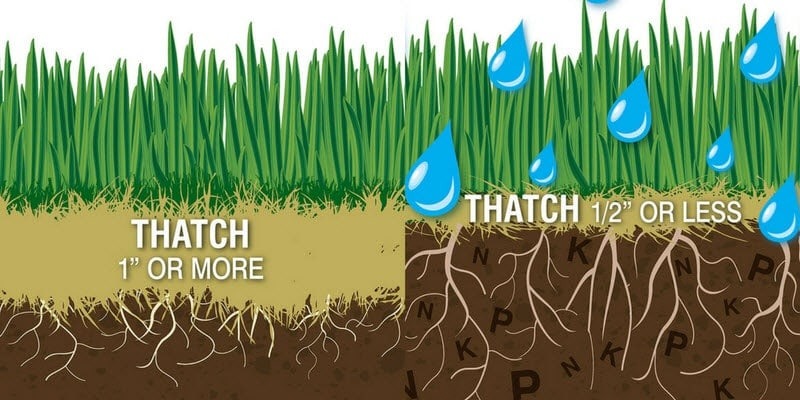
Thatch is a mix of dead and living plant material between the grass and the soil. It’s mostly made of tough stems, roots, and shoots that don’t break down quickly. A thin layer of thatch—about half an inch—is normal and even helpful. It protects the roots from heat and keeps moisture in the soil.
But if thatch gets thicker, it acts like a barrier. Water, air, and fertilizer can’t reach the roots. Grass begins to struggle, weeds take over, and your lawn turns brown.
Why Does Thatch Build Up?
Several things can cause too much thatch:
- Over-watering or frequent shallow watering
- Heavy use of high-nitrogen fertilizers
- Grass types like Kentucky bluegrass or Bermuda grass, which produce more stems and roots
- Poor soil microbes that can’t break down organic matter
- Mowing too high or leaving clippings on an already thick thatch
A healthy lawn breaks down thatch naturally. But if you notice spongy turf or water running off, you may have a thatch problem.
How To Check For Thatch
Before removing thatch, you need to confirm if it’s a problem. Here’s how:
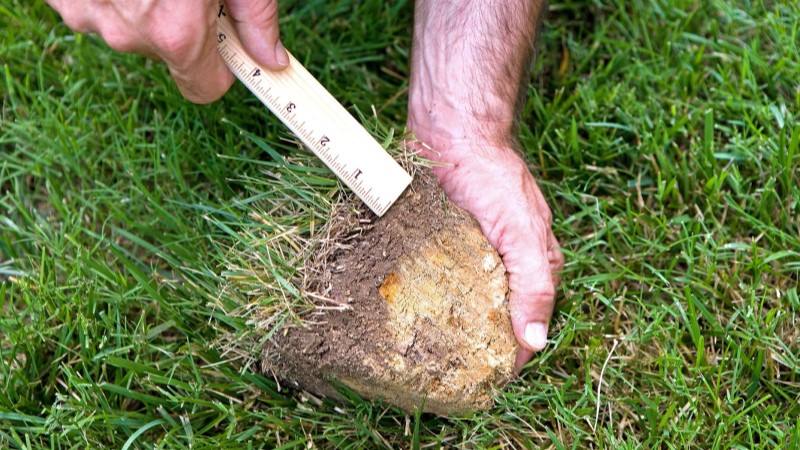
- Use a shovel or soil probe to cut a small, square section of your lawn, about 3 inches deep.
- Look for a brown, spongy layer between the green grass and the soil.
- Measure the layer. If it’s over ½ inch thick, you need to act.
You can also press on the grass. If it feels bouncy like a carpet, thatch is likely too thick.
Credit: atlasturf.com.au
Methods To Remove Thatch
There are several ways to get rid of thatch. The best method depends on your lawn size, grass type, and how thick the thatch is.
1. Manual Dethatching (raking)
For small lawns or light thatch, a dethatching rake works well. This rake has sharp tines that pull up the tough, dead material.
- Rake the lawn firmly, pulling up thatch and debris.
- Collect and remove all the loosened thatch.
- Manual dethatching is labor-intensive but effective for small areas.
Tip: Don’t rake too hard or you can damage healthy grass.
2. Power Dethatching
For larger lawns or heavy thatch (more than 1 inch), use a power dethatcher or scarifier. These machines look like lawn mowers but have spinning blades or tines.
- Set the machine to the correct depth (usually just above the soil).
- Run it over the lawn in one direction, then again at a right angle.
- Rake up the loosened thatch and dispose of it.
Warning: Power dethatching is rough on grass. Your lawn may look messy for a few weeks but will recover with proper care.
3. Core Aeration
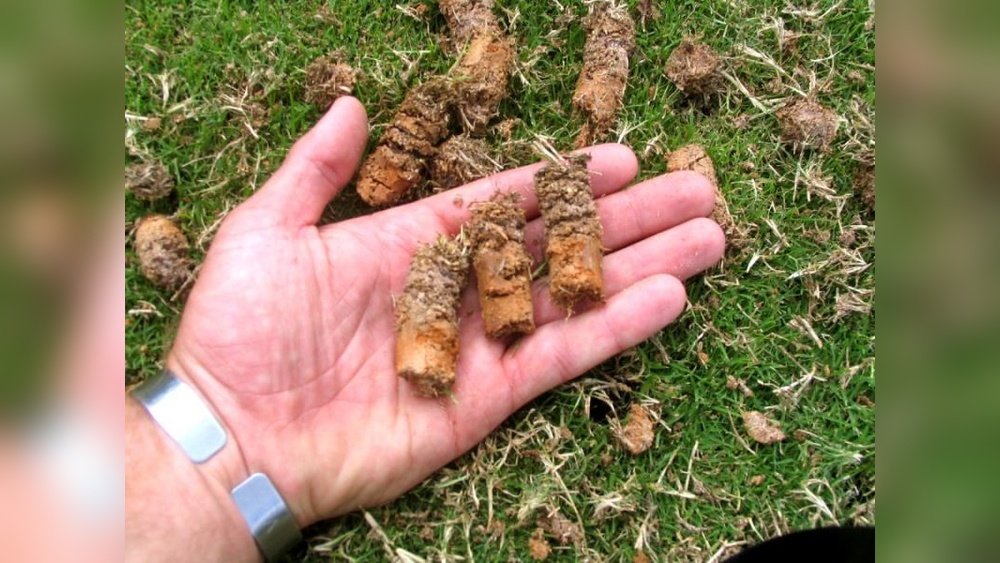
Core aerators pull out small plugs of soil and thatch. This helps air, water, and microbes reach deeper layers and break down thatch naturally.
- Rent or buy a core aerator (not a spike aerator).
- Run it over the lawn in two directions.
- Leave the soil plugs on the lawn—they’ll break down and feed the grass.
Aeration is less aggressive than dethatching and helps with compacted soil too.
4. Top Dressing
Adding a thin layer of compost or sand on your lawn is called top dressing. It introduces microbes that speed up thatch breakdown.
- After dethatching or aerating, spread ¼ inch of compost or sand evenly.
- Water the lawn to help the material settle.
- Top dressing improves soil quality over time.
5. Biological Dethatchers
Some products use special microbes or enzymes to break down thatch. These are sprayed on the lawn and work slowly over several weeks.
- Best for mild thatch problems or as ongoing maintenance.
- Results are not instant; patience is required.
- Combine with aeration for better results.
When To Dethatch Your Lawn
Timing is key for lawn recovery. Dethatch when your grass is growing actively, so it can heal quickly.
| Grass Type | Best Dethatching Time |
|---|---|
| Cool-season grasses (fescue, bluegrass, ryegrass) | Early spring or early fall |
| Warm-season grasses (Bermuda, zoysia, St. Augustine) | Late spring or early summer |
Never dethatch in the middle of a hot summer or freezing winter. The grass needs time and energy to recover.
Aftercare: Restoring Your Lawn
After you remove thatch, your lawn may look rough. Here’s how to help it bounce back:
- Water deeply right after dethatching. Deep watering helps roots recover.
- Fertilize with a balanced, slow-release fertilizer to support new growth.
- Overseed bare patches if needed. Choose a quality seed for your grass type.
- Mow carefully—wait until the grass grows at least 3 inches before mowing again.
- Keep foot traffic low for 2–3 weeks to let roots settle.
With good care, your lawn will turn green and thick again in 3–6 weeks.
Preventing Thatch Buildup
Stopping thatch from coming back is easier than removing it again. Follow these practices:
- Mow at the right height. Cutting too short stresses grass and creates more dead material.
- Water deeply but less often. This encourages deep roots and less surface growth.
- Use natural, slow-release fertilizers instead of quick-release products.
- Don’t overwater or fertilize. Both can speed up thatch buildup.
- Aerate your lawn once a year, especially in heavy clay soil.
- Leave grass clippings only if the thatch layer is thin. Otherwise, remove them.
Common Mistakes To Avoid
Many beginners make mistakes that can make thatch worse or hurt the lawn. Here are some to watch out for:
- Dethatching too often: This damages grass roots. Once every few years is enough for most lawns.
- Using the wrong tool: A regular rake won’t remove thick thatch. Use the proper dethatching rake or machine.
- Ignoring soil health: Healthy soil microbes are your best defense against thatch. Add compost and avoid harsh chemicals.
- Trying to remove all thatch: Some thatch is beneficial. Aim for less than half an inch.
Tools And Equipment Comparison
Choosing the right tool makes dethatching easier and more effective. Here’s a quick comparison of common dethatching tools:
| Tool | Best For | Ease of Use | Cost |
|---|---|---|---|
| Dethatching Rake | Small lawns, light thatch | Hard work, slow | Low (under $50) |
| Power Dethatcher | Medium-large lawns, heavy thatch | Faster, easy to use | Medium-high ($60–$300 to rent/buy) |
| Core Aerator | Compacted soil, thatch prevention | Moderate effort | Medium ($50–$200 to rent) |
| Biological Dethatcher | Maintenance, mild thatch | Very easy (spray on) | Low ($20–$60 per treatment) |
Credit: atlasturf.com.au
Signs That Dethatching Is Working
After dethatching, you should notice some key improvements:
- Water soaks into the soil instead of running off.
- Grass feels firmer and less spongy.
- New green shoots appear in a few weeks.
- Fewer weeds and less disease.
If you don’t see progress after a month, check your watering and fertilizing habits. Sometimes, you may need to repeat dethatching the next season if the problem was severe.
Real-world Example
Let’s say you have a 2,000 square foot lawn with Bermuda grass. You notice water runs off and mushrooms appear, both signs of thick thatch. You test and find a 1-inch thatch layer.
You rent a power dethatcher for $80 and spend one afternoon removing the dead layer. The lawn looks rough, but you water deeply, add compost, and stay off the grass for two weeks. By the end of the month, the grass is greener and thicker than before.
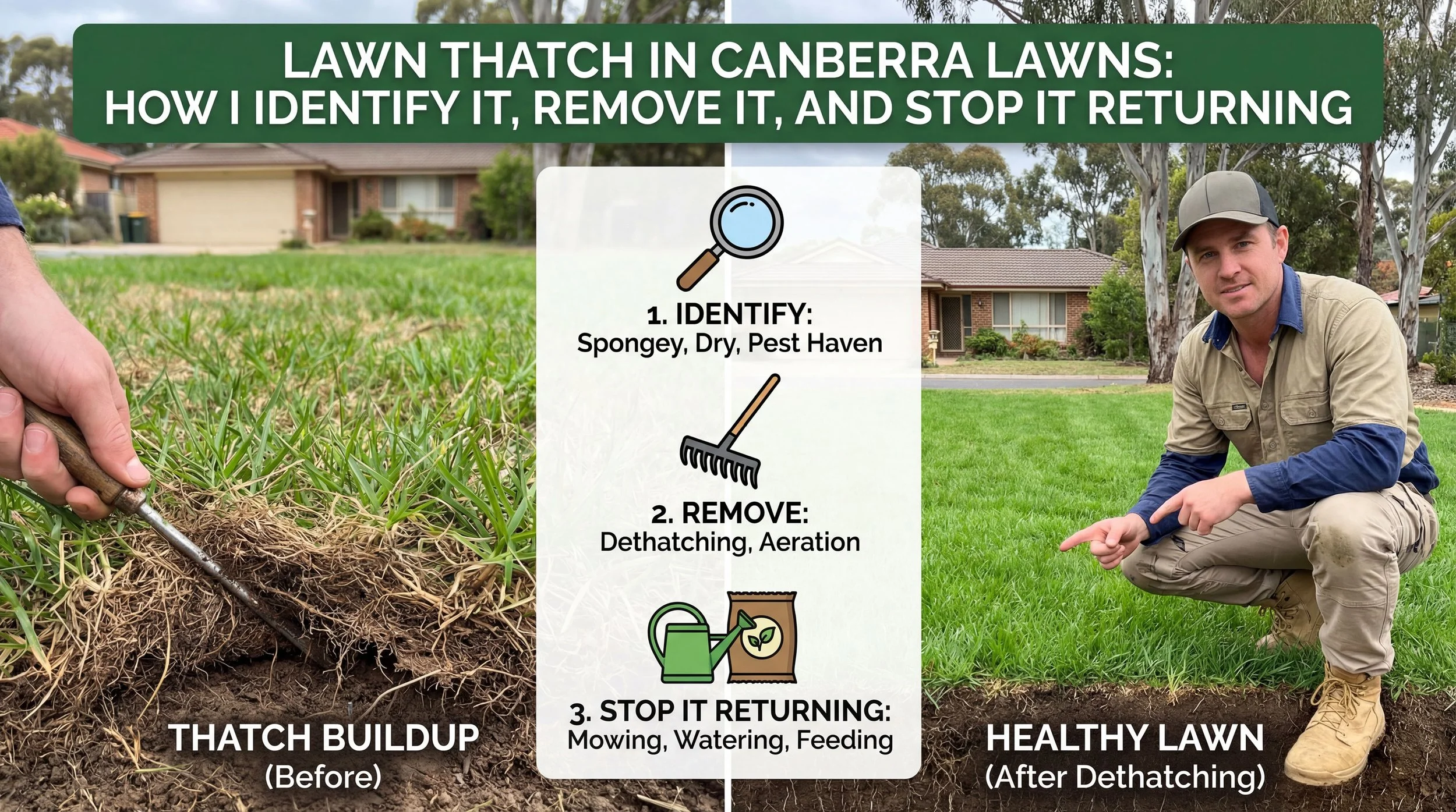
Insight: Many people forget to adjust their mowing and watering after dethatching. This is often why thatch comes back.
Credit: www.thelawnfirm.com.au
How Long Does It Take To Get Rid Of Thatch?
The actual dethatching process can take a few hours for a small yard or a full day for larger lawns. However, full recovery depends on grass type, weather, and aftercare.
| Lawn Size | Dethatching Time | Recovery Time |
|---|---|---|
| 500 sq ft | 1–2 hours | 2–4 weeks |
| 2,000 sq ft | 4–6 hours | 3–6 weeks |
| 5,000+ sq ft | 1–2 days | 4–8 weeks |
Non-obvious Tips For Lasting Results
- Test your soil pH before dethatching. If the soil is too acidic or alkaline, grass won’t recover well. Aim for pH 6.0–7.0 for most grasses.
- Sharpen mower blades before mowing after dethatching. Dull blades tear stressed grass and slow healing.
- Don’t forget to check for grubs or pests after dethatching. Open soil can attract them, so watch for signs and treat early if needed.
Frequently Asked Questions
What Is The Difference Between Dethatching And Aeration?
Dethatching removes the surface layer of dead material, while aeration punches holes in the soil to improve air and water flow. Both help your lawn, but dethatching targets thatch directly, and aeration helps roots grow deeper and can break down thatch over time.
Can I Use A Regular Rake To Dethatch My Lawn?
A regular leaf rake is not strong enough to remove thick thatch. You need a dethatching rake with stiff, sharp tines or a power dethatcher for best results.
How Often Should I Dethatch My Lawn?
Most lawns need dethatching every 2–3 years, or whenever the thatch layer goes over ½ inch. Over-dethatching can harm healthy grass.
Will Dethatching Damage My Lawn?
Right after dethatching, your lawn may look bad, but this is normal. With proper watering and care, the grass will recover and become healthier. Avoid dethatching in stressful weather.
Are There Any Safe Products To Help Break Down Thatch?
Yes, there are biological dethatchers that use natural microbes to break down thatch safely. These products work slowly and are best for ongoing maintenance, not quick fixes. For more details about the science behind biological thatch control, see Wikipedia.
A well-maintained lawn adds value and beauty to your home. Understanding thatch and knowing how to remove it puts you in control of your lawn’s health. With the right steps and a little effort, you’ll enjoy thick, green grass for years to come.