
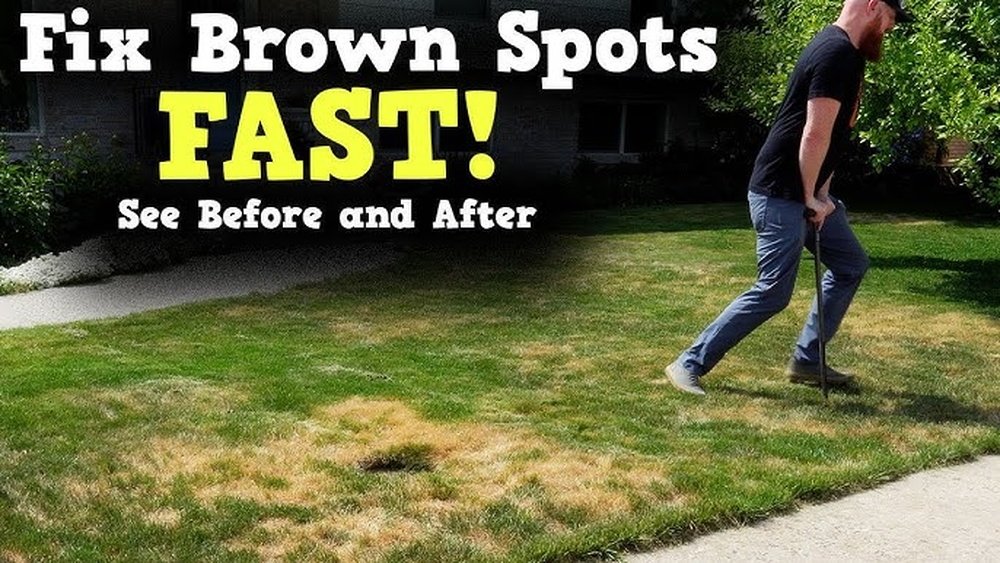
Brown spots on your lawn can turn a beautiful green yard into a patchy and unsightly mess. If you want your grass to look healthy again, you need to fix those brown spots as quickly as possible. The good news is that most brown spots have clear causes and proven solutions.
Acting fast can prevent the problem from spreading and help your lawn recover in weeks, not months. Whether you’re dealing with pet damage, drought, disease, or something else, there’s a fix.
This article will walk you through everything you need to know about how to fix brown spots in lawn quickly. You’ll learn why these patches appear, how to identify the cause, and what steps to take for fast, lasting results. Along the way, you’ll find practical tips, expert insights, and answers to common questions. Let’s get your grass back in shape.
Common Reasons For Brown Spots
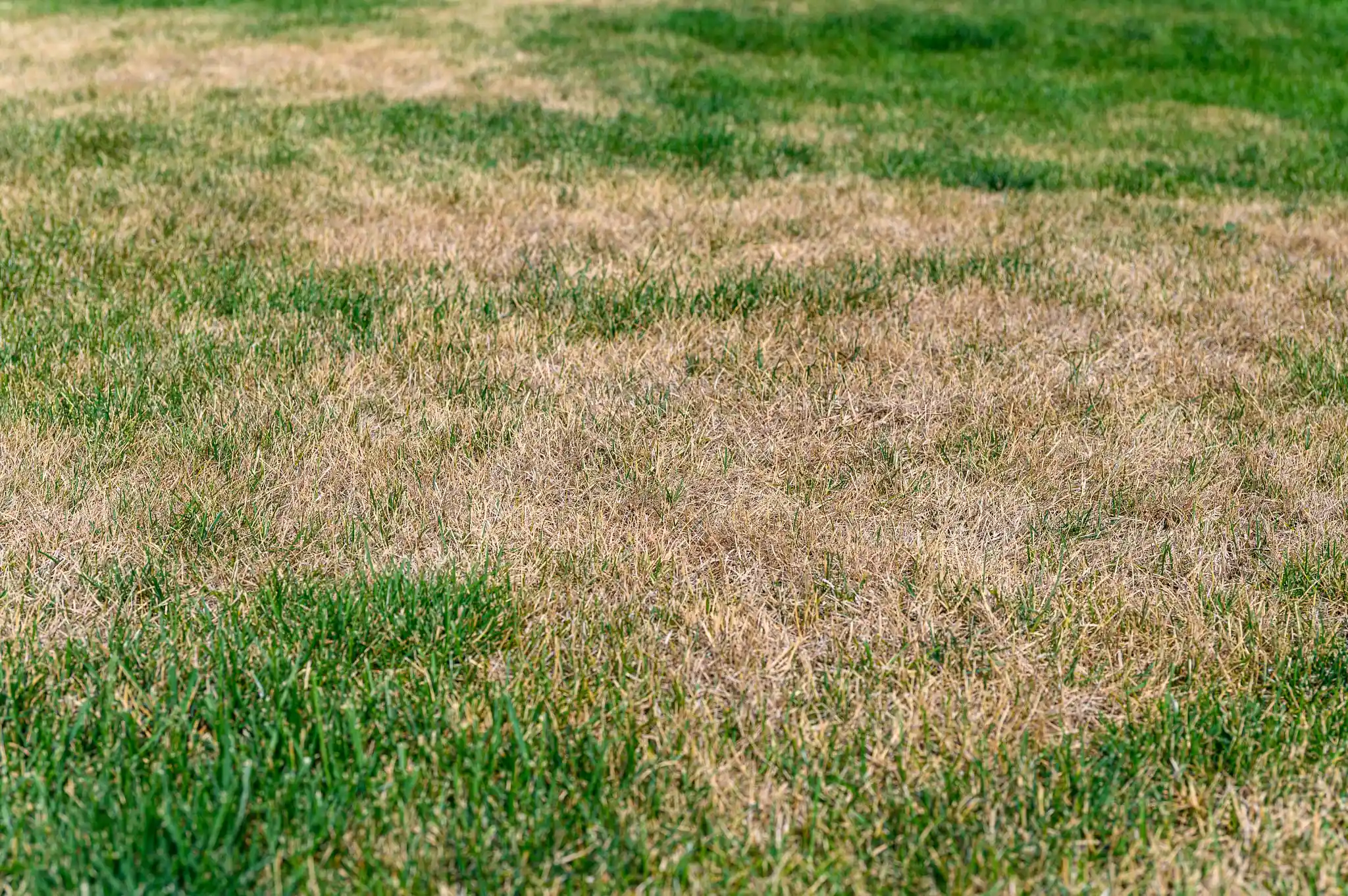
Before you can fix brown spots, it helps to understand what causes them. Different problems need different solutions. Here are the most common reasons you’ll see brown patches in your yard:
- Drought stress: Lack of water dries out grass, especially during hot weather. Grass turns brown and crispy.
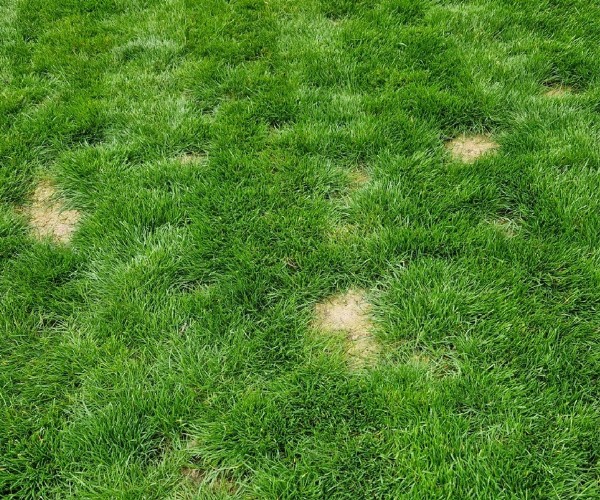
- Pet urine: Dogs and other pets leave urine spots, which burn the grass due to high nitrogen.
- Fungal disease: Certain fungi (like brown patch or dollar spot) attack grass, causing brown or tan circles.
- Overfertilization: Too much fertilizer, especially nitrogen, “burns” grass roots.
- Thatch buildup: A thick layer of dead grass blocks water and nutrients.
- Compacted soil: Hard soil prevents roots from growing deep, leading to weak and patchy grass.
- Grubs or insects: Pests eat the roots, causing grass to die off in patches.
- Mowing mistakes: Cutting grass too short or using dull blades damages the lawn.
- Chemical spills: Gasoline, herbicides, or pesticides can kill grass if spilled.
Many lawns have more than one issue at the same time. That’s why finding the main cause is important before you start fixing.
How To Identify The Cause
Knowing what’s behind your brown spots saves time and prevents wasted effort. Here’s how you can figure out the cause:
- Look at the pattern: Circular spots often mean disease. Irregular spots can be from pets or drought.
- Check the soil: Hard soil suggests compaction. Dig a small hole to see if the soil is dense or has thatch.
- Inspect the grass blades: Yellow tips with green bases may mean chemical burn; brown from the root up can mean disease.
- Test for grubs: Pull up a piece of turf in the affected area. If it lifts easily and you see white, C-shaped grubs, pests are likely the cause.
- Review your lawn care: Have you fertilized or sprayed chemicals recently? Did you cut the grass very short?
For tricky cases, local garden centers or cooperative extension offices can help with soil and disease testing.
Credit: scottsmiraclegro.com
Quick Fixes For Brown Spots
You want fast results, but the best fix depends on the cause. Below are targeted solutions for each common problem.
Drought Stress
- Water deeply: Give your lawn 1–1.5 inches of water per week. Water early in the morning for best results.
- Check sprinkler coverage: Make sure all areas are reached; adjust heads as needed.
- Mulch mow: Leave grass clippings to help soil hold moisture.
Pet Urine Damage
- Flush the area: Water the brown spot well to dilute the nitrogen.
- Train pets: Encourage dogs to use one area of the yard.
- Repair with seed or sod: Rake out dead grass, add fresh soil, and reseed or patch with sod.
Fungal Disease
- Apply fungicide: Use a lawn-safe product on affected areas.
- Reduce watering: Water less often, but deeper, to limit moisture on grass blades.
- Improve airflow: Mow at proper height and remove excess thatch.
Overfertilization
- Water heavily: Try to flush out excess fertilizer from the soil.
- Avoid adding more chemicals: Let the area recover before fertilizing again.
- Seed bare spots: After two weeks, reseed if grass doesn’t regrow.
Thatch Buildup
- Dethatch: Use a dethatching rake or machine to remove the layer.
- Aerate: Core aeration helps break down thatch and improve soil.
Compacted Soil
- Aerate the lawn: Core aerators pull plugs of soil, allowing roots to breathe.
- Topdress with compost: Spread a thin layer to encourage healthy soil.
Grubs Or Insects
- Apply grub control: Use a lawn-safe insecticide, following instructions carefully.
- Check for birds/skunks: If you see animals digging, grubs are likely present.
Mowing Mistakes
- Sharpen mower blades: Dull blades tear, not cut, the grass.
- Raise mowing height: Don’t cut more than one-third of the grass blade at a time.
Chemical Spills
- Flush with water: Water the area to dilute and wash away chemicals.
- Remove dead grass: Rake out and reseed as needed.
Step-by-step Brown Spot Repair
Once you’ve addressed the root problem, you need to repair the damaged areas. Here’s a process that works for most brown spots:
- Remove dead grass: Rake out brown, dead material to expose soil.
- Loosen the soil: Use a hand rake or garden fork to break up compacted spots.
- Level low areas: Add fresh topsoil if needed.
- Seed or patch: Spread grass seed that matches your lawn type, or patch with sod for instant results.
- Fertilize lightly: Use a starter fertilizer to help new grass grow.
- Water daily: Keep the area moist (not soaked) until new grass is established.
- Limit traffic: Stay off repaired spots to let grass recover.
Example Repair Timeline
| Day | Action | Expected Result |
|---|---|---|
| 1 | Remove dead grass, loosen soil | Area ready for seeding |
| 2 | Apply seed, light fertilizer | Seed starts to settle |
| 3-14 | Water daily | Germination begins (by day 7–10) |
| 15+ | Reduce watering, mow when needed | Grass fills in the spot |
Non-obvious tip: Use a lawn roller after seeding to press seeds into soil for better contact and faster sprouting.
Choosing The Right Grass Seed Or Sod
Picking the right seed or sod makes a big difference. Match the type to your current lawn and local climate.
| Grass Type | Best For | Notes |
|---|---|---|
| Kentucky Bluegrass | Cool climates | Recovers well from damage |
| Bermuda Grass | Warm climates | Spreads quickly, drought-tolerant |
| Fescue | Shade or sun | Deep roots, good for lawns with trees |
| Zoysia | Heat, drought | Slow to grow, but very tough |
Insider advice: If you’re unsure, take a sample of your grass to a garden center. They can help you match the type for seamless repair.
Watering And Aftercare For Fast Results
Proper watering is critical after fixing brown spots. New grass seed must stay moist to sprout. Here’s what works best:
- Water lightly 2–3 times per day until grass is 1 inch tall.
- Switch to deeper, less frequent watering (2–3 times per week) as grass matures.
- Avoid puddles: Too much water can rot seeds or encourage fungus.
A common mistake is to water too much or too little. Use a finger or screwdriver to check soil moisture—it should feel damp but not muddy.
Credit: www.georgedaviesturf.co.uk
Preventing Brown Spots From Coming Back
Fixing brown spots is just the start. Keep your lawn healthy with these simple habits:
- Mow regularly at the right height for your grass type.
- Water deeply, not often—once or twice a week is usually enough, except for new seed.
- Fertilize carefully: Use the right amount and type for your lawn.
- Aerate yearly to relieve compaction and improve root growth.
- Overseed in fall or spring to fill in thin areas before problems start.
- Clean up pet waste and train pets to use a specific spot.
- Treat for grubs and pests as soon as you see warning signs.
- Fix drainage issues: Add soil or create shallow channels if water pools in certain areas.
Little-known fact: Deep roots resist drought and disease better. Tall mowing and deep watering encourage roots to grow deeper.
When To Call A Professional
Some brown spots are stubborn. If you’ve tried all the steps above and see no improvement in 3–4 weeks, consider calling a lawn care expert. They can test your soil, identify hidden pests or diseases, and offer advanced treatments. For large lawns or severe damage, professional help can actually save money in the long run.
Cost Comparison: Diy Vs. Professional Repair
If you’re deciding between doing it yourself or hiring help, here’s a quick cost comparison:
| Repair Method | Average Cost (per 100 sq ft) | Pros | Cons |
|---|---|---|---|
| DIY Seed Repair | $10–$25 | Low cost, learn new skills | More time and effort needed |
| DIY Sod Patch | $25–$50 | Instant results | Higher cost, may not match exactly |
| Professional Service | $80–$150 | Expert results, less work for you | Most expensive option |
Most homeowners can handle small spots themselves, but for large or repeated issues, a pro is worth considering.
Frequently Asked Questions
How Fast Can I Fix Brown Spots In My Lawn?
With the right steps, small brown spots can start greening up in as little as 7–10 days after seeding. Sodded spots look better instantly. Full recovery for larger areas may take 2–4 weeks, depending on weather and grass type.
Can I Just Water Brown Spots To Fix Them?
Water helps if drought is the cause, but it won’t fix problems from disease, pet urine, or chemicals. Identify the cause first, then use the right solution for fast results.
What’s The Best Grass Seed For Patching Brown Spots?
Choose seed that matches your existing lawn and climate. For most cool-season lawns, Kentucky bluegrass or fescue blends work well. Warm-season lawns do best with Bermuda or Zoysia. Ask your local garden center if you’re unsure.
Is It Safe To Use Lawn Repair Products With Pets And Kids?
Most lawn patch products are safe after they’re watered in and dry. Always check the label and follow instructions. Keep pets and children off repaired areas until new grass is well established.
Where Can I Find More Information About Lawn Diseases?
The University of California Agriculture & Natural Resources offers reliable guides on lawn diseases, symptoms, and control. Visit their official website for details.
Bringing your lawn back to life doesn’t have to be complicated. With quick action and the right care, you can fix brown spots and enjoy a lush, green yard again—sometimes in just a few weeks. A healthy lawn not only looks great, but also adds value and enjoyment to your home. Remember: consistency is key. Follow these steps, and you’ll soon see strong, even growth where brown spots used to be.
Credit: www.youtube.com