
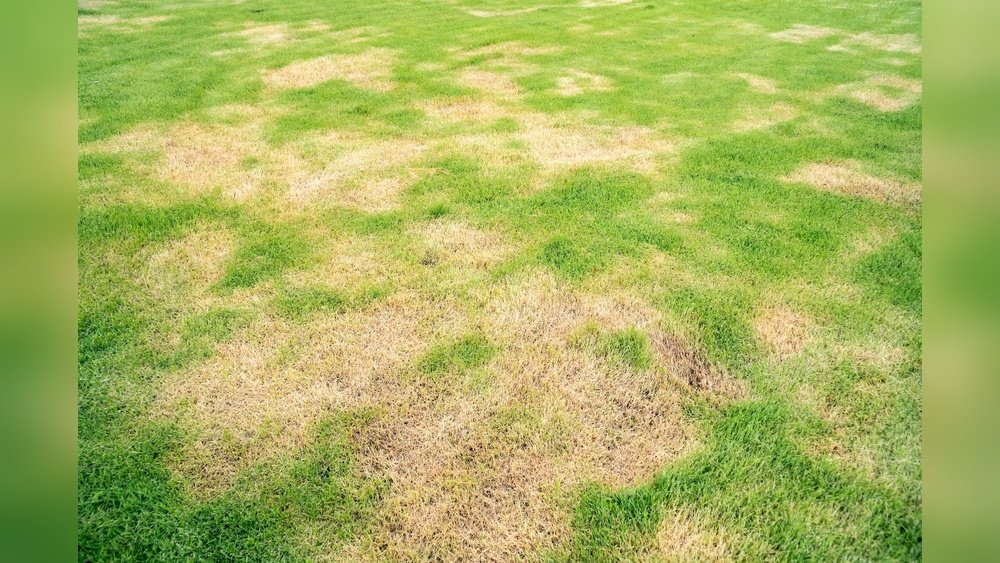
A yellow spot on a green lawn can ruin the look of your yard. Many homeowners face this problem and wonder how to fix it. The good news is, you can bring back the healthy green color with the right approach. But before you start, it’s important to know why these spots appear and how to treat them correctly. Some fixes are simple, while others need a little more care. This guide explains everything you need to know about how to fix yellow spots in lawn, along with expert tips to prevent them in the future.
What Causes Yellow Spots In Lawns?
Understanding the root cause is the first step to solving the problem. Yellow patches can happen for many reasons:
- Pet urine is high in nitrogen and can burn grass.
- Poor watering leads to dry, stressed grass.
- Fungal diseases attack roots or blades.
- Nutrient problems, like too little or too much fertilizer.
- Compacted soil stops roots from getting enough air.
- Insect damage leaves dead patches.
- Chemical spills from gasoline, herbicides, or pesticides.
- Shade stress from too little sunlight.
- Thatch build-up blocks water and nutrients.
Each cause needs a different solution. Look closely at your lawn to find clues. For example, small yellow spots with dead centers often mean pet urine, while big patches may point to watering or disease issues.
How To Diagnose The Problem
Before you act, check carefully to find the real cause:
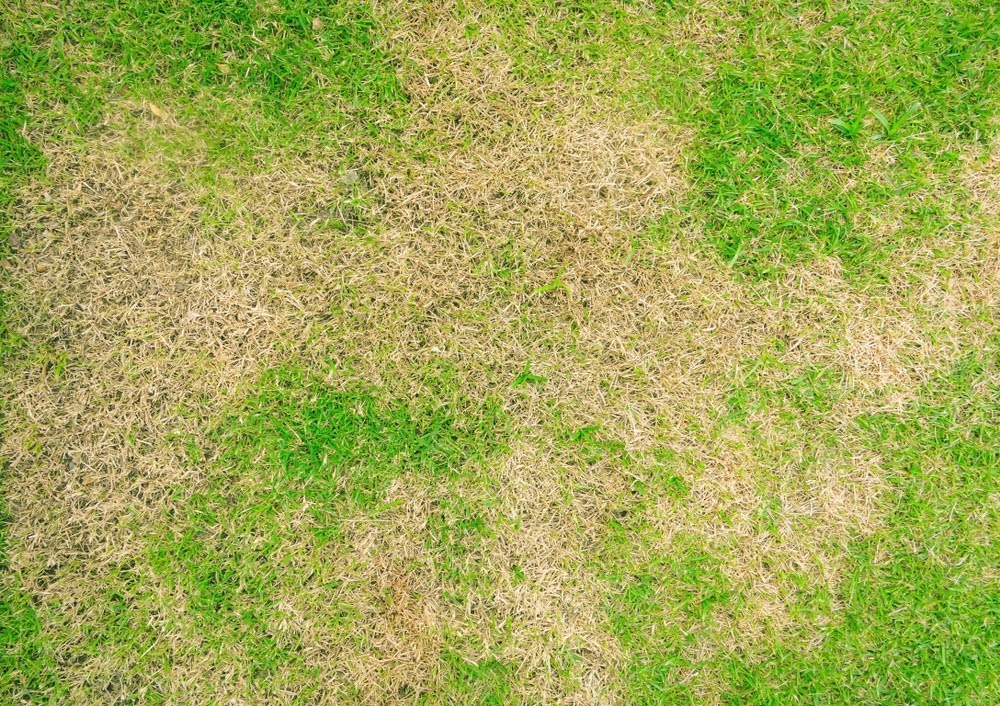
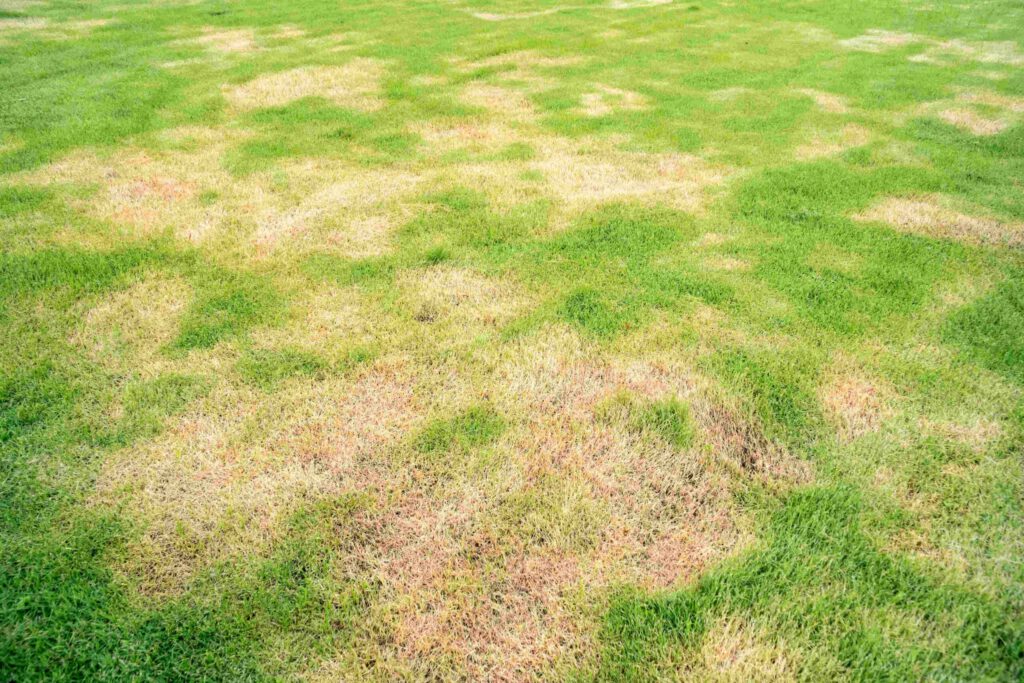
- Look at the size and shape of yellow areas. Pet spots are often small and round. Fungal diseases may have irregular edges.
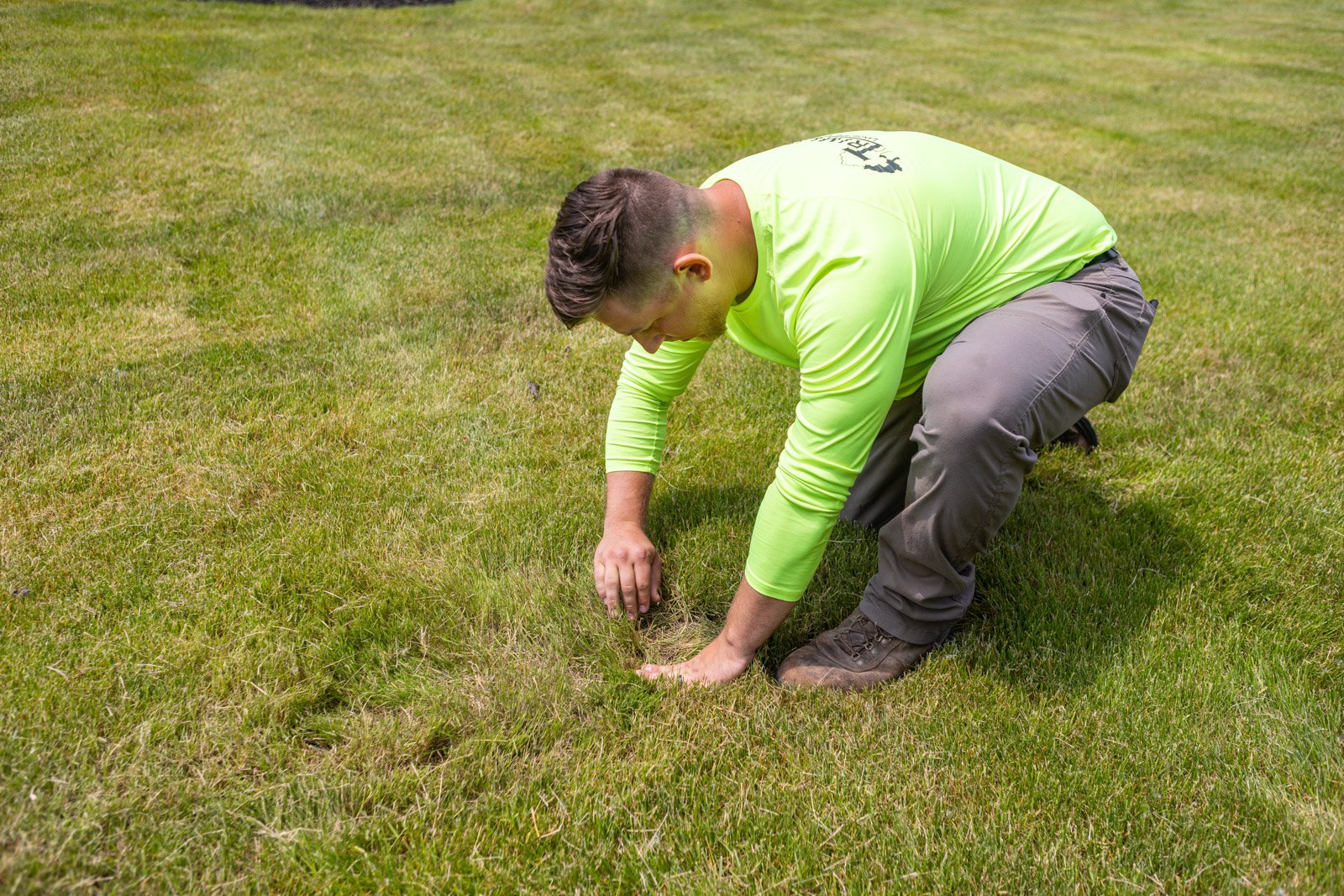
- Check for fungus or insects. Lift some grass. See if there are white threads (fungus) or insects underneath.
- Press a screwdriver into the soil. If it’s hard to push, the ground may be compacted.
- Smell for chemical spills. If you recently used lawn chemicals, this could be the reason.
If you’re still not sure, take a photo and ask your local garden center or a turf specialist.
Credit: www.cobbittyturf.com.au
Step-by-step Tips To Fix Yellow Spots
1. Repairing Pet Urine Spots
Dog urine is a common cause of yellow grass. The high nitrogen acts like too much fertilizer in one spot.
- Rake out dead grass from the area.
- Water the spot deeply to dilute the urine.
- Add a handful of lawn soil or compost to help new growth.
- Reseed with a tough grass seed, like perennial ryegrass.
- Keep the area moist until new grass grows.
Tip: Train your dog to go in one area or water the spot right after your pet urinates.
2. Adjusting Your Watering Routine
Both overwatering and underwatering can stress your lawn.
- Lawns need about 1 inch (2.5 cm) of water per week, including rain.
- Water deeply but not too often. This helps roots grow deeper.
- In hot weather, water early in the morning to prevent fast evaporation.
Example: If you notice yellow spots after a dry spell, your lawn is likely thirsty.
3. Treating Fungal Diseases
Some fungi cause yellow or brown patches, especially in humid weather.
- Avoid watering at night. Wet grass overnight encourages fungus.
- Apply a lawn fungicide if you see fuzzy growth or spots on blades.
- Remove thatch over 0.5 inches thick, as it holds moisture and fungus.
Non-obvious tip: Use a sharp mower blade. Dull blades tear grass, making it easier for fungus to enter.
4. Correcting Fertilizer Problems
Too much or too little fertilizer can both cause yellowing.
- If you see yellow streaks after fertilizing, you may have missed spots or overapplied.
- Use a slow-release fertilizer for even feeding.
- Test your soil every 2-3 years to check for deficiencies.
For example, iron deficiency causes pale yellow-green grass, especially in early spring.
5. Aerating Compacted Soil
Heavy foot traffic or clay soil can lead to compaction, blocking air and water.
- Rent a core aerator or use a garden fork to poke holes in the soil.
- Do this in early fall or spring when grass is growing fast.
- After aerating, top-dress with compost to boost soil health.
Comparison of aeration tools:
| Tool | Best For | Depth | Effort |
|---|---|---|---|
| Manual Fork | Small lawns | 2-3 inches | High |
| Core Aerator Machine | Large lawns | 3-4 inches | Medium |
| Spike Shoes | Quick fixes | 1-2 inches | Low |
6. Controlling Insects
Grubs and chinch bugs feed on grass roots, causing patches to yellow and die.
- Peel back part of the sod. If you see 5 or more grubs per square foot, treatment is needed.
- Use a biological control like beneficial nematodes, or an insecticide labeled for lawns.
- Reseed damaged areas if needed.
Non-obvious insight: Skunks and birds digging in your lawn often mean grubs are present.
7. Dealing With Chemical Burns
Spilled gasoline, pesticides, or even too much weed killer can burn grass.
- Soak the area with water to dilute chemicals.
- Remove dead grass and soil if possible.
- Reseed after a week or two when it’s safe.
Tip: Always mix and apply chemicals according to the label to avoid repeat problems.
8. Managing Shade Stress
Grass needs sunlight. Areas under trees or beside buildings may struggle.
- Trim trees and shrubs to let in more light.
- Reseed with shade-tolerant grass like fine fescue.
- Avoid heavy traffic in shaded areas.
Sometimes, using mulch or ground cover plants under deep shade is better than fighting yellow grass.
9. Reducing Thatch Build-up
Thatch is a layer of dead stems and roots above the soil. Too much can cause yellow patches.
- Check thatch by cutting a small wedge of lawn. More than 0.5 inches is too much.
- Use a dethatching rake or machine in early fall.
- Compost removed thatch or use it as mulch elsewhere.
10. Improving Soil Quality
Poor soil means weak grass that turns yellow easily.
- Test your soil for pH and nutrients. Most lawns do best at pH 6-7.
- Add lime if soil is too acidic, or sulfur if too alkaline.
- Mix in organic matter, like compost, to improve structure and fertility.
11. Overseeding Thin Or Patchy Lawns
If yellow spots are widespread, overseeding can help.
- Mow grass short and rake away debris.
- Spread quality grass seed evenly over the area.
- Keep soil moist until new grass is established.
Overseeding helps crowd out weeds and fills in thin spots naturally.
12. Proper Mowing Practices
Cutting grass too short stresses it and leads to yellowing.
- Set your mower to the right height (usually 2.5–3.5 inches for most lawns).
- Never remove more than one-third of the blade in a single mowing.
- Keep mower blades sharp.
Cutting too low is called scalping and can kill grass in hot weather.
13. Addressing Drainage Issues
Standing water can suffocate roots and cause yellow patches.
- Grade your lawn so water runs off instead of pooling.
- Add drainage pipes or French drains if needed.
- Aerate and top-dress to improve absorption.
Here’s a quick view of common drainage solutions:
| Solution | Best For | Cost | Effectiveness |
|---|---|---|---|
| Grading | Sloped lawns | Medium | High |
| French Drain | Heavy clay soil | High | High |
| Aeration | Minor issues | Low | Medium |
14. Choosing The Right Grass Type
Some grasses handle stress better than others.
- For hot, sunny lawns: Bermuda, Zoysia, or Buffalo grass.
- For cool, shady lawns: Fine fescue, Kentucky bluegrass.
Ask your local garden center about the best type for your region.
15. Regular Lawn Maintenance
A healthy lawn is less likely to develop yellow spots.
- Mow, water, and fertilize on a regular schedule.
- Watch for early signs of problems.
- Adjust care for the season and local weather.
Consistent care is the best way to prevent problems before they start.
When To Call A Professional
Sometimes, yellow spots don’t improve even after trying all these tips. If you see spreading patches, mushrooms, or strange growths, it may be time to ask for help. Lawn care professionals can test for rare diseases or serious soil problems.
They have access to advanced treatments that aren’t available for home use.
Credit: trimlinelandscape.com
How Long Does It Take To Fix Yellow Spots?
Most yellow spots start to recover in 2–4 weeks if you address the cause. Severe damage, like from grubs or chemicals, may take longer. Overseeded areas will need extra care for at least a month. Be patient—grass grows slowly, but with the right steps, you’ll see improvement.
Preventing Yellow Spots In The Future
Once you fix the problem, focus on prevention:
- Walk your yard weekly to spot trouble early.
- Pick up pet waste and train pets to use a small area.
- Fertilize carefully, following label directions.
- Water deeply, not too often.
- Aerate every 1–2 years if your soil is compacted.
- Use disease- and drought-resistant grass varieties.
Non-obvious insight: Keep a simple lawn diary. Note weather, treatments, and any changes. Patterns over time can reveal hidden causes you might miss.
Credit: www.skh.com
Frequently Asked Questions
What Is The Fastest Way To Fix Yellow Spots On My Lawn?
The quickest method is to water the area deeply and rake out dead grass. If pet urine is the cause, flush with water right away. For fertilizer burns, soak the area to dilute the chemicals. Reseeding may be needed for severe spots.
Can I Use Baking Soda Or Vinegar To Treat Yellow Spots?
No, these home remedies can harm your grass. Baking soda is a salt and can burn your lawn. Vinegar is acidic and kills grass. It’s best to address the real cause, like watering or soil health.
Will Yellow Grass Turn Green Again?
Yes, if the roots are alive and you fix the underlying issue. Grass with dead roots from grubs or chemicals needs to be reseeded. Healthy grass may green up in a few weeks with proper care.
How Do I Stop My Dog From Causing Yellow Spots?
Train your dog to use one spot, or walk them on sidewalks. Water the area right after your pet urinates to dilute the nitrogen. Feeding your dog a special diet is not recommended by vets.
Are Yellow Spots Always A Sign Of Disease?
No, many things can cause yellow spots, such as pet urine, drought, or compacted soil. Fungal disease is only one possibility. Check for other signs like insects, thatch, or chemical spills before treating for fungus.
For more on lawn care and grass types, visit the Lawn Wikipedia page.
A green, healthy lawn is possible with the right steps. By understanding the causes and using these practical tips, you can fix yellow spots and keep your yard looking its best all season long.