
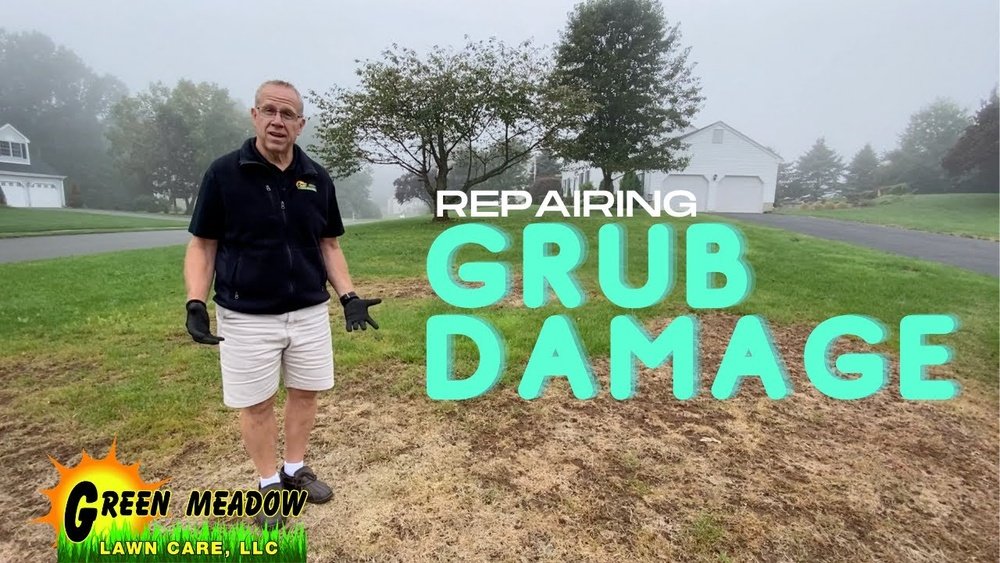
A healthy green lawn can transform the look of any home. But when grubs attack, you might suddenly see brown patches, dead grass, and even birds or animals digging in search of food. These small white larvae are the offspring of beetles like the Japanese beetle or June bug. Grubs feed on grass roots, making it hard for your lawn to get water and nutrients. If you have noticed damage, don’t worry—your lawn can recover, but you must act quickly and follow the right steps. This guide will show you how to fix your lawn after grubs have caused damage, from identifying the problem to getting your grass lush and strong again.
Understanding Grub Damage
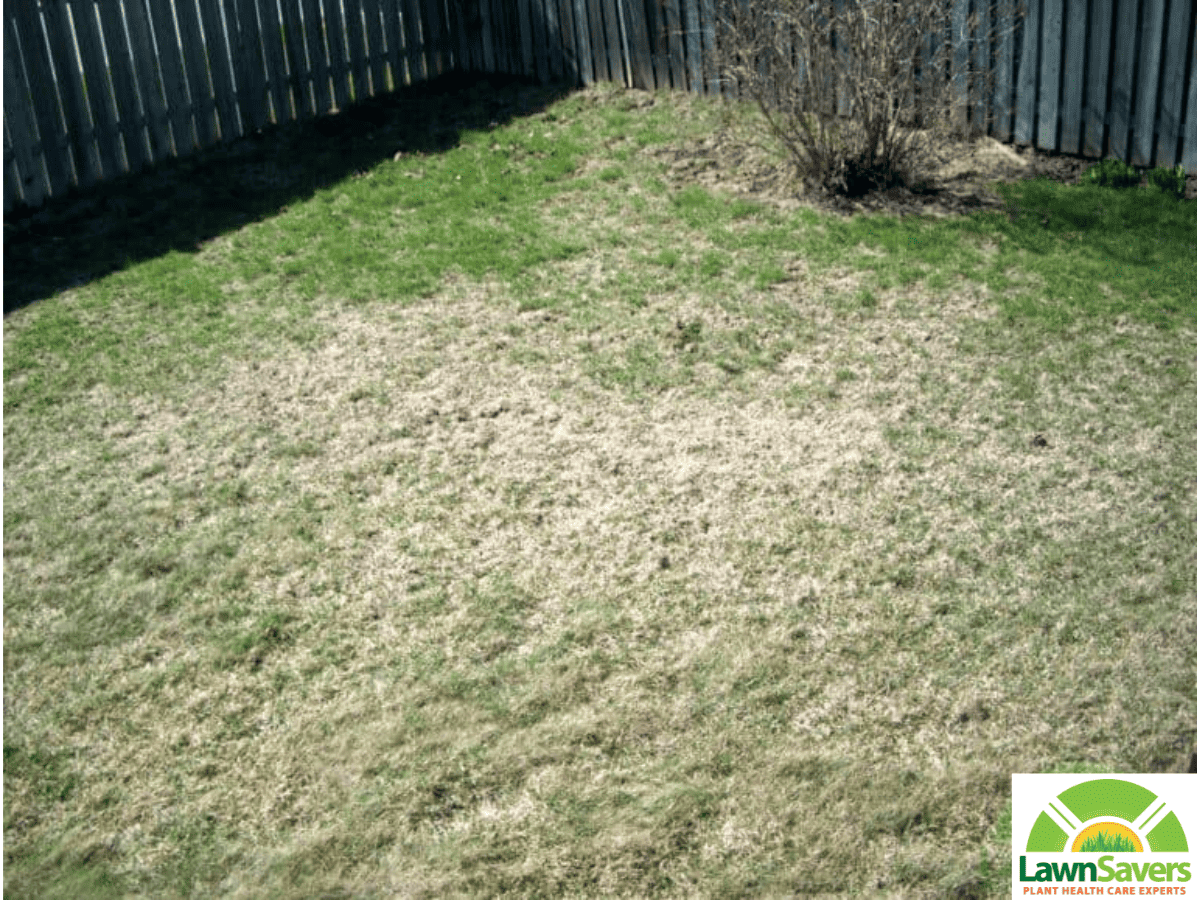
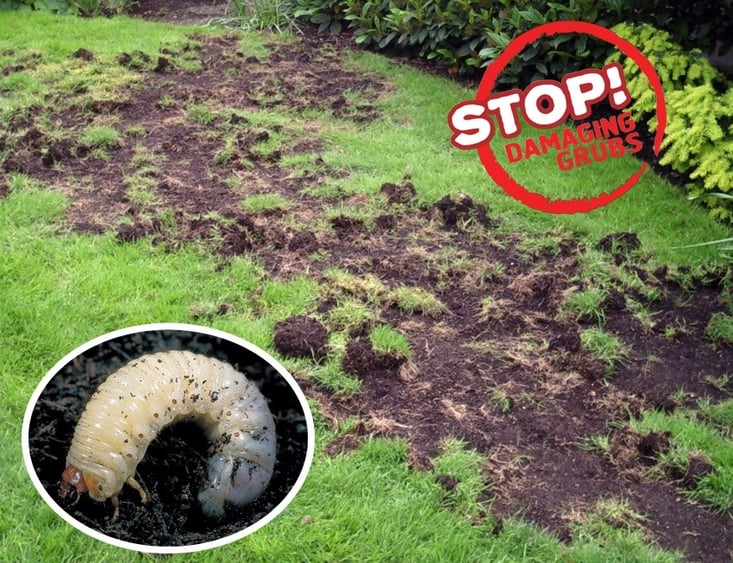
Grubs are most active in late summer and early fall. During this period, they eat the roots just below the soil surface. The first sign is usually irregular brown patches that don’t recover after watering. If you pull on these patches, the grass lifts like a carpet because the roots are gone. Birds, skunks, and raccoons may also dig up your yard to reach the grubs, making the damage even worse.
A common mistake is confusing grub damage with drought or disease. Drought usually causes more uniform browning, while grubs cause patchy and irregular damage. If you find more than 10 grubs per square foot when you peel back the turf, you have a serious infestation.
Assessing The Extent Of The Problem
Before starting repair, you must know how bad the damage is. Here’s how:
- Check the soil: Dig up small sections in damaged and undamaged areas. Look for white, C-shaped grubs just below the surface.
- Count the grubs: If you see a few (5 or less per square foot), your lawn might recover on its own. More than 10 grubs per square foot means you need to repair and treat.
- Inspect the grass: Test if the grass is still attached to the soil. Severely damaged lawns will have loose turf that lifts easily.
You can use the table below to help decide if you need full lawn repair, partial repair, or just observation.
| Grub Count (per sq ft) | Damage Level | Action Needed |
|---|---|---|
| 0-5 | Low | Monitor, no action |
| 6-10 | Moderate | Partial repair, consider treatment |
| 11+ | High | Full repair and treatment |
Credit: lawnsavers.com
Removing Grubs And Preventing Future Problems
Fixing the lawn starts with stopping the cause. Here are key steps:
Choose The Right Treatment
- Chemical control: Products with imidacloprid or chlorantraniliprole kill grubs fast. Apply in late summer or early fall when grubs are small and close to the surface.
- Biological control: Try beneficial nematodes (tiny worms that attack grubs) or milky spore. These are safer for pets and the environment but may take longer to work.
Application Tips
- Water the lawn before and after applying grub killers. This helps the product reach the root zone where grubs live.
- Read and follow all label instructions carefully. Overuse of chemicals can harm beneficial insects.
Prevent Reinfestation
- Avoid watering too much in late summer, as grubs prefer moist soil.
- Keep your lawn healthy and thick. Well-maintained lawns are less attractive to beetles looking to lay eggs.
Many people forget to treat the entire affected area. If you only treat spots, grubs in untreated areas can quickly spread back.
Cleaning Up The Damaged Lawn
Once you have stopped the grub problem, it’s time to clean up and prepare for repair.
- Remove dead grass: Use a rake to clear away loose, dead turf. This lets sunlight and water reach the soil.
- Loosen compacted soil: Use a garden fork or aerator to break up hard soil. This improves air and water flow.
- Level the surface: Add topsoil or compost to fill in deep holes or ruts from animal digging.
A common mistake is skipping soil prep. Healthy soil is key for new seeds or sod to grow strong roots.
Credit: blog.nutrilawn.com
Reseeding Or Resodding Damaged Areas
You have two main ways to fix bare patches: reseeding or resodding. The right choice depends on the size of the damaged area and your budget.
Reseeding
Best for small to medium patches. Here’s how:
- Choose the right seed: Match your grass type (cool season or warm season) to the existing lawn. For example, use Kentucky bluegrass or fescue for cool climates, or Bermuda for warm.
- Spread seed evenly: Use a broadcast spreader for larger areas or your hand for small patches.
- Press seeds into the soil: Lightly rake or roll over the area so the seeds make good contact.
- Mulch lightly: Cover with a thin layer of straw or compost to keep seeds moist and protect from birds.
Resodding
Best for large or severely damaged areas.
- Cut the sod: Buy fresh sod of the same type as your lawn. Cut to fit the damaged area.
- Lay the sod: Press sod pieces firmly into place with staggered seams.
- Water well: Sod needs lots of water in the first two weeks to establish roots.
The table below compares reseeding and resodding:
| Method | Best For | Cost | Time to Green Lawn |
|---|---|---|---|
| Reseeding | Small/medium patches | Low | 2-8 weeks |
| Resodding | Large areas | High | Immediate |
Watering And Early Care
Proper watering is critical for new grass to grow well.
- Water daily: Keep the soil moist, not soggy, for the first 2-3 weeks. New seeds and sod dry out quickly.
- Reduce frequency: After grass starts to grow, water less often but deeper. This encourages roots to grow down.
- Avoid foot traffic: Keep people and pets off new grass until it is well established.
A common mistake is watering too much at once, which can wash away seeds. Short, frequent watering is better in the beginning.
Fertilizing For Quick Recovery
Grub damage weakens your lawn’s root system, so good nutrition helps it recover.
- Starter fertilizer: Use a fertilizer high in phosphorus (the middle number on the bag) when seeding or sodding. This encourages strong root growth.
- Follow-up feeding: After 4-6 weeks, switch to a balanced fertilizer. This helps the grass thicken up and crowd out weeds.
Do not over-fertilize. Too much can burn young roots or cause rapid, weak growth.
Mowing After Grub Damage
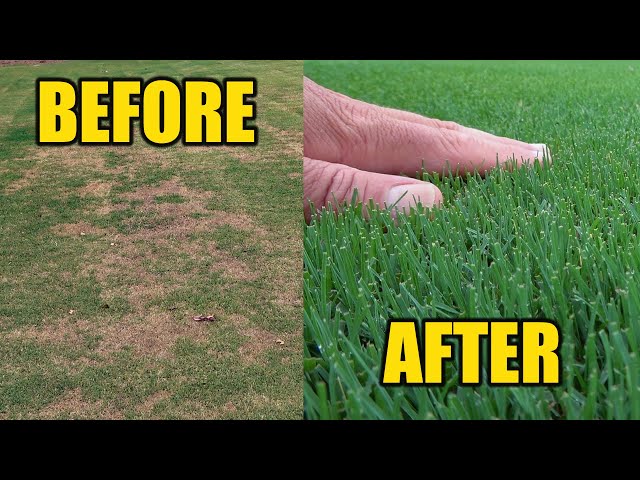
Wait until the new grass is at least 3 inches tall before mowing. Set your mower to the highest setting and keep the blades sharp. Never cut off more than one-third of the grass height at a time.
Mowing too soon or too short is a common error. It can pull up young grass or stress new roots.
Credit: www.youtube.com
Long-term Lawn Health And Grub Prevention
Once your lawn recovers, keep it strong to prevent future grub problems.
- Keep grass thick: Overseed thin areas each fall to crowd out weeds and make it harder for beetles to lay eggs.
- Mow high: Taller grass shades the soil, making it less attractive to beetles.
- Reduce thatch: Too much thatch (a layer of dead grass above the soil) can shelter grubs. Aerate your lawn or use a dethatcher every few years.
- Water wisely: Deep, infrequent watering is better than shallow daily watering. This encourages deep roots and makes your lawn more drought- and grub-resistant.
A healthy lawn is the best defense against grubs. Weak, thin lawns are easy targets.
Real-life Example: Recovering From Severe Grub Damage
Consider a homeowner who found brown patches and animals digging in their lawn during September. They discovered 15 grubs per square foot and decided to use a combination of chemical treatment and beneficial nematodes. They removed the dead grass, loosened the soil, and used Kentucky bluegrass seed for reseeding. With daily watering and proper fertilization, green shoots appeared within three weeks. They kept pets off the lawn, mowed only when the grass was tall enough, and continued overseeding each fall. The following spring, the lawn was lush again, with no sign of grubs.
Common Mistakes To Avoid
Many people repairing grub damage make these errors:
- Not treating grubs before reseeding: New grass will die if grubs are still active.
- Using the wrong grass seed: Mixing grass types can look patchy.
- Skipping soil prep: Seeds need loose, healthy soil to grow.
- Walking on new grass: This compacts soil and damages roots.
- Not monitoring in future years: Grubs can return, so check your lawn each summer and fall.
Cost And Time Estimates
Repairing grub damage is not free, but you can save money by doing it yourself.
| Repair Step | DIY Cost | Professional Cost | Time Needed |
|---|---|---|---|
| Grub treatment | $20–$50 | $80–$150 | 1 day |
| Reseeding | $10–$30 | $100–$300 | 2–8 weeks |
| Resodding | $50–$200 | $300–$1,000 | Immediate |
Doing the work yourself takes effort, but most homeowners see good results in 1–2 months.
Frequently Asked Questions
How Can I Tell If Grubs Are The Cause Of My Lawn Damage?
Look for irregular brown patches and grass that lifts easily from the soil. Dig in the affected area and look for white, C-shaped grubs about 1 inch below the surface. If you find more than 10 grubs per square foot, they are likely the cause.
When Is The Best Time To Treat For Grubs?
Late summer to early fall is best, when grubs are small and close to the surface. This is when treatments are most effective. Avoid treating in spring, as grubs are large and harder to kill.
Is It Better To Reseed Or Resod After Grub Damage?
Reseeding is cheaper and good for small patches. Resodding is faster and better for large or severely damaged areas. Match the repair method to your lawn’s needs and your budget.
Are There Organic Ways To Get Rid Of Grubs?
Yes, beneficial nematodes and milky spore are natural options. They target grubs without harming pets, people, or good insects. These methods may take longer to see results than chemicals.
How Can I Prevent Grubs From Returning?
Keep your lawn thick and healthy, mow high, and avoid overwatering in late summer. Monitor your lawn each year and treat early if you see new grubs. For detailed information, visit the EPA’s guide to lawn pest control.
Fixing your lawn after grub damage takes time, but with proper care and prevention, you can have a lush, green yard again. Stay alert each season, and your grass will reward you with lasting health and beauty.