
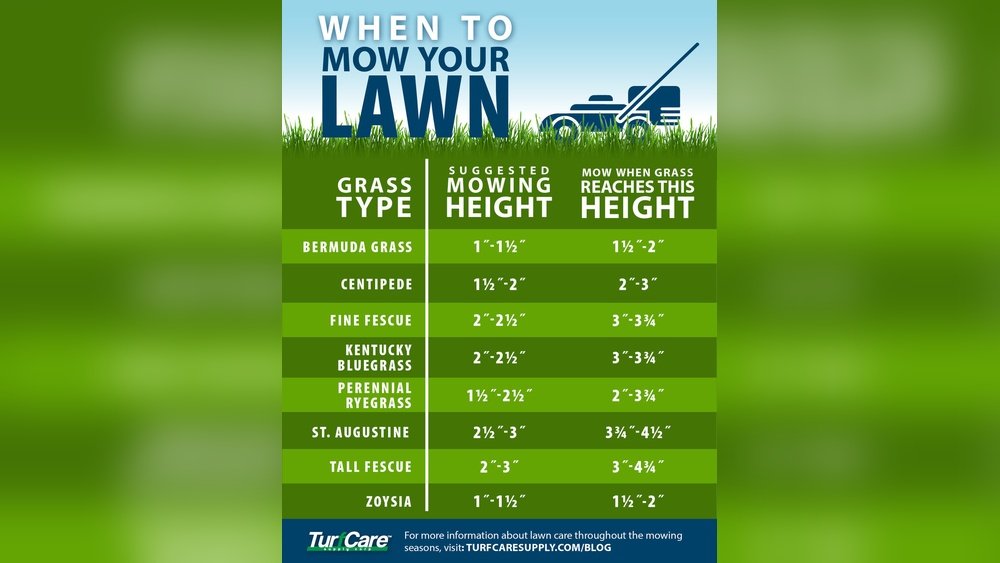
Planting new grass is exciting, but many homeowners feel nervous about the next step—mowing. Cut too soon, and you risk tearing up delicate sprouts. Wait too long, and you could smother your lawn. Finding the right time to mow new grass is not just about the calendar; it’s about understanding your lawn’s unique signals.
This guide will help you confidently decide when to mow new grass for the first time, what signs to look for, and how to avoid common mistakes that could set your lawn back.
Why Timing Matters For New Grass
The first mow can shape the future of your lawn. Young grass plants are fragile. Their roots are shallow, and the blades are soft. Cutting too soon can pull up roots, leaving bare patches. If you wait too long, the grass can become weak and bend over, making mowing difficult and uneven. Proper timing helps your new grass thicken, develop strong roots, and resist weeds.
Key Signs Your New Grass Is Ready For Mowing
Knowing exactly when to mow isn’t always obvious. Here’s what to check:
1. Grass Height
The most reliable signal is blade height. For most grass types, wait until the grass is at least 3 to 4 inches tall. Measure several spots, not just the highest point. Don’t mow until the majority of your lawn reaches this height.
2. Root Strength
Gently tug on a few blades. If they resist and stay rooted, your grass is likely strong enough for mowing. If they pull out easily, give your lawn more time.
3. Even Coverage
Before mowing, your grass should look full and dense, not patchy. Thin spots need more time to develop. Mowing too soon over bare areas can cause soil disturbance.
4. Dryness
Wet soil or blades can lead to clumping and tearing. Mow only when your lawn is dry to the touch.
5. Time Since Seeding
Most lawns are ready for their first mow 3 to 8 weeks after seeding. But don’t rely on time alone—always check physical signs first.
How To Prepare For The First Mow
Rushing into mowing without preparation can undo weeks of growth. Follow these steps for the healthiest start:
Check Your Mower
Use a mower with a sharp blade. Dull blades tear grass, causing brown tips. For the first mow, set the blade to its highest setting. This prevents removing too much at once.
Clear Debris
Remove sticks, rocks, or leaves that could interfere with mowing. New grass is easily damaged by obstacles.
Wait For Good Weather
Choose a dry, cool day. Avoid mowing during midday heat, which can stress young plants.
The First Mow: Step-by-step
Cutting new grass for the first time requires a gentle approach:
- Set the mower height to the highest setting.
- Walk slowly and avoid making sharp turns.
- Never remove more than 1/3 of the grass blade in one mow. Cutting too much shocks the plant.
- Collect clippings if they’re heavy or wet, but leave them if they’re light and dry to help feed your lawn.

Credit: ipm.ucanr.edu
Common Mistakes (and How To Avoid Them)
Even experienced gardeners make errors when mowing new grass. Watch out for these pitfalls:
Mowing Too Early
Cutting before roots are strong can pull up grass and create bare spots. Always check for root resistance.
Cutting Too Low
Setting the blade too low can scalp the lawn, exposing soil and inviting weeds. Start high and lower gradually over several weeks.
Ignoring Weather
Mowing wet grass leads to ruts and uneven cuts. Wait for a dry day.
Using Dull Blades
Dull blades shred grass instead of slicing cleanly, increasing disease risk and making recovery slower.
Not Adjusting For Grass Type
Some grasses, like fescue, prefer to be mowed taller, while others, like Bermuda, can be cut shorter. Know your grass type and adjust accordingly.
How Grass Type Changes The Timing
Not all grass grows at the same pace. Here’s how different types compare:
| Grass Type | Ideal First Mow Height | Approximate Wait Time |
|---|---|---|
| Kentucky Bluegrass | 3.0 – 3.5 inches | 4-6 weeks |
| Fescue (Tall/Red) | 3.0 – 4.0 inches | 4-6 weeks |
| Ryegrass | 2.5 – 3.0 inches | 3-5 weeks |
| Bermuda | 2.0 – 2.5 inches | 5-7 weeks |
| Zoysia | 2.0 – 2.5 inches | 6-8 weeks |
Pro tip: Warmer climates and certain grass types may grow faster, but don’t rush. Always check height and root strength first.
How Weather And Season Affect Mowing Readiness
Climate has a big impact on new grass. If you planted in spring or early fall, grass usually grows faster thanks to mild temperatures and regular rain. Summer heat can slow root development and may require more waiting.
During rainy seasons, soil can stay wet for longer, which delays mowing. In dry spells, growth may slow, and you should water enough to encourage healthy roots before thinking about mowing.
How To Measure Grass Height Accurately
Eyeballing grass height is unreliable. For best results:
- Use a ruler or tape measure.
- Measure at several spots, focusing on the average, not the tallest blades.
- Avoid measuring near sidewalks or driveways, where heat can stunt growth.
What To Do After The First Mow
Your job isn’t finished after mowing. Here are the next steps to keep your lawn healthy:
- Water deeply the next morning if the weather is dry. Avoid overwatering, which can cause disease.
- Fertilize lightly only if recommended for your grass type. Too much fertilizer can burn young grass.
- Wait a week before the second mow, and gradually lower the blade if needed.
- Monitor for weeds. New lawns are vulnerable. Remove weeds by hand rather than using chemicals at this early stage.
Comparing New Grass Care To Established Lawns
There are big differences between caring for new grass and mature lawns:
| Care Aspect | New Grass | Established Lawn |
|---|---|---|
| Mowing Height | Highest setting | Adjust for grass type |
| Mowing Frequency | Once growth is sufficient | Weekly or as needed |
| Watering | Frequent, shallow | Deep, less often |
| Fertilizing | Light, if any | Seasonal, per schedule |
| Weed Control | Manual removal | Herbicides possible |
Non-obvious insight: It’s tempting to treat new grass like the rest of your yard, but early care is more about patience and protection than routine maintenance.
What If The First Mow Goes Wrong?
Mistakes happen. If you mow too early and notice patches of pulled-up grass, don’t panic. Reseed bare spots quickly, keep the area moist, and avoid mowing again until the new growth is tall and strong.
If you cut too much off, water your lawn well and avoid further mowing until you see healthy regrowth. Grass is resilient, but giving it rest is key to recovery.
Extra Tips For Success
- Sharpen mower blades before every cut in the first season.
- Avoid heavy foot traffic on new lawns for at least 2 months.
- Mark sprinkler heads to avoid damaging them during mowing.
- If possible, use a push mower instead of a heavy riding mower for the first few cuts.
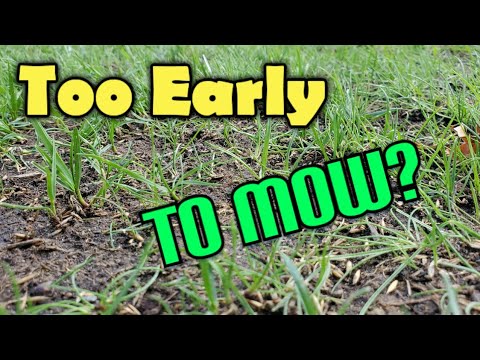
Credit: www.youtube.com
Real-world Example
Imagine you seeded your lawn with Kentucky Bluegrass in early April. By mid-May, you notice the grass is lush and reaches about 3. 5 inches in most areas. You tug on a few blades; they stay rooted. The weather has been sunny for two days, so the soil feels dry.
This lawn is ready for its first mow. But if you see some thin, patchy spots, hold off another week for those areas to fill in.
How To Avoid Over-mowing In The First Months
Over-mowing stresses young grass. Wait at least 7 to 10 days between the first and second cuts. Slowly reduce mowing height over three or four mowings, never removing more than one-third of the blade at a time.

Credit: au.mowrator.com
Comparing The Costs Of Waiting Too Long Vs. Mowing Too Early
When you wait too long, grass can get floppy and shade new shoots. Mowing too early, on the other hand, can pull up and kill delicate plants. Here’s a quick comparison:
| Action | Risk | Outcome |
|---|---|---|
| Mow Too Early | Pulled roots, bare patches | Slower lawn establishment |
| Wait Too Long | Grass bends, poor cut | Weak, patchy growth |
| Mow at Right Time | Minimal | Healthy, dense lawn |
Practical advice: If you’re unsure, it’s safer to wait a few extra days than to rush.
When To Resume Normal Mowing
After 3 to 4 mowings, your grass will be established enough for regular mowing routines. You can then adjust height and frequency based on your grass type and the look you prefer.
Frequently Asked Questions
How Long Should I Wait After Seeding Before Mowing New Grass?
Wait until your grass reaches 3 to 4 inches in height, which usually takes 3 to 8 weeks, depending on the grass type and weather.
Can I Use A Riding Mower For The First Mow?
It’s best to use a lightweight push mower for the first cuts. Riding mowers are heavy and can damage new, soft turf.
What If My New Grass Is Patchy After Mowing?
Patchy areas can be reseeded. Keep them moist and avoid mowing these spots until the new growth is strong.
Is It Okay To Mow If The Soil Is Still Soft?
Wait until the soil is firm and dry. Soft soil can lead to ruts and pull up tender roots.
Where Can I Learn More About Lawn Care For New Grass?
You can find more detailed lawn care information at the Old Farmer’s Almanac.
A little patience, observation, and the right mowing technique will help your new grass thrive. By following these tips, you set the foundation for a healthy, beautiful lawn that lasts for years.