
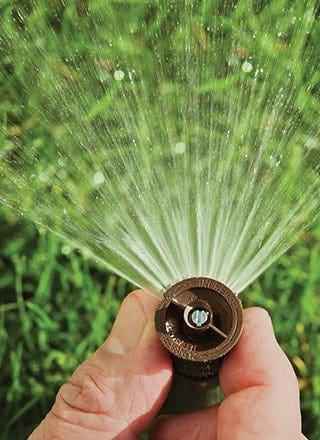
Installing a Rainbird sprinkler system involves planning, digging, assembling, and setting up the controller.
Looking to efficiently water your garden with a Rainbird sprinkler system? You've come to the right place. As someone who has worked with numerous irrigation systems, I can guide you through the process seamlessly. A well-installed Rainbird sprinkler system ensures your lawn and plants receive consistent and precise hydration, enhancing their growth and vitality. From understanding the layout to avoiding common pitfalls, this guide will provide you with the insights and steps needed to accomplish this task successfully.
Planning Your Sprinkler System
Before diving into installation, planning is crucial. Begin by sketching your garden layout, marking areas where irrigation is needed. Consider plant types and sun exposure to determine water needs.
Choose the Right Sprinkler Heads
Sprinkler heads vary based on spray patterns and distances. Select the appropriate type:
- Fixed Spray Heads: Best for small, fixed areas.
- Rotary Heads: Ideal for larger areas, offering adjustable spray distances.
- Drip Sprinklers: Perfect for gardens needing precise watering.
Calculate Water Supply
Determine your water supply's flow rate and pressure using a pressure gauge. This ensures your system delivers adequate water without overwhelming local resources.
Installation Steps
Follow these steps to install your Rainbird sprinkler system effectively:
1. Gathering Tools and Materials
You'll need:
- Shovel
- PVC pipes
- Sprinkler heads
- Pipe cutter
- Connectors and adapters
- Rainbird controller
2. Laying Out the Pipes
- Trenching: Dig trenches according to your plan, ensuring they're deep enough to protect pipes from damage.
- Laying Pipes: Lay the PVC pipes in trenches, connecting them using the appropriate adapters and connectors.
3. Installing Sprinkler Heads
- Positioning: Attach sprinkler heads at marked points, ensuring they're level with the ground.
- Adjustment: Adjust the spray patterns to cover desired areas without overlapping excessively.
4. Connecting to the Water Source
- Connect the main supply line to your home's water system.
- Install a backflow preventer to protect your water supply.
5. Setting Up the Controller
- Mount the Rainbird controller indoors or in a sheltered outdoor area.
- Set the schedule to match your garden's watering needs, taking local weather patterns into account.
Testing and Fine-Tuning
Once installed, test the system:
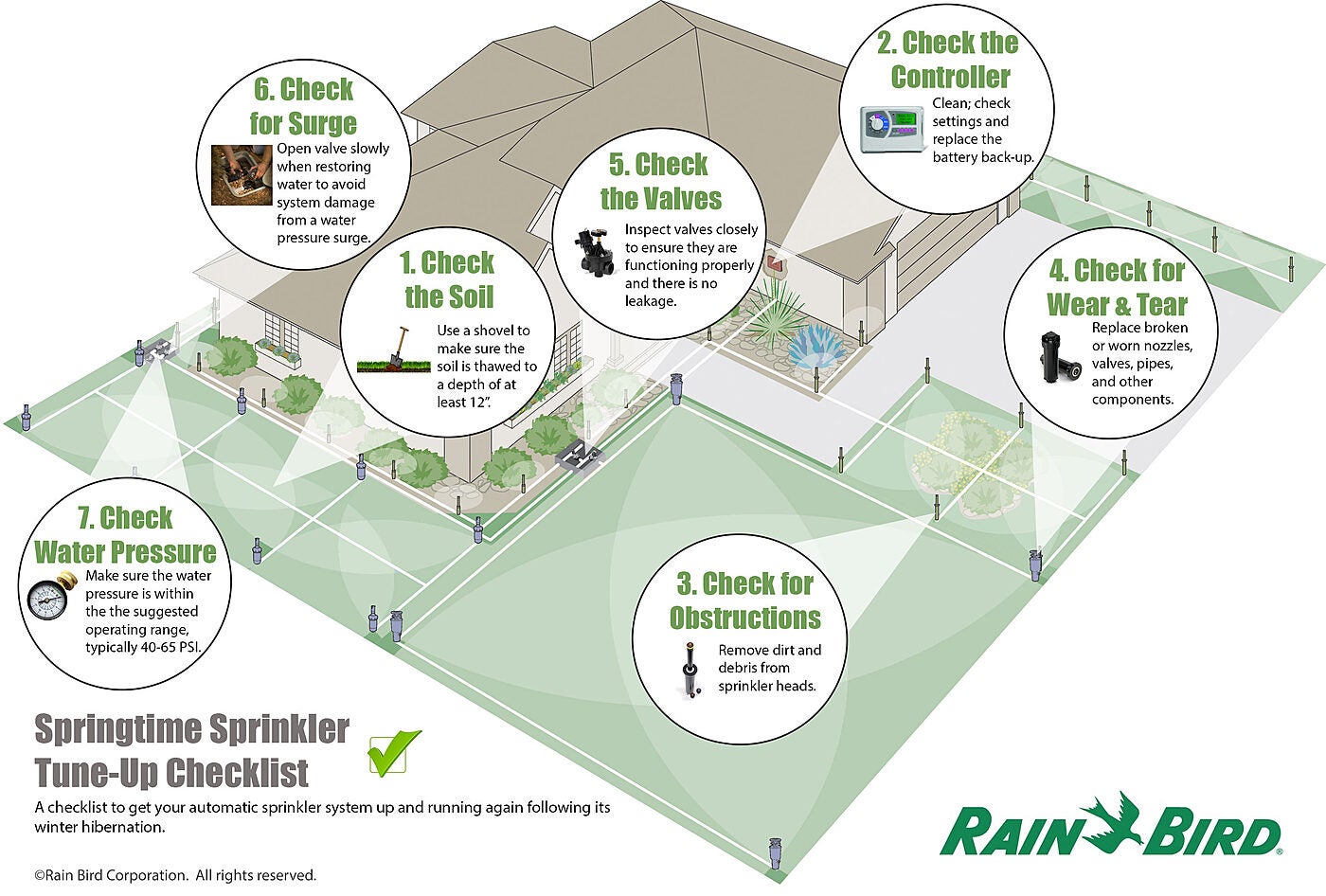
- Check each zone for leaks or misaligned heads.
- Adjust the spray patterns or watering schedules as needed.

Maintenance Tips
Regular maintenance ensures longevity and efficiency:
- Inspect and clean sprinkler heads weekly.
- Adjust schedules seasonally for optimal watering.
- Check for leaks or clogs periodically.
Frequently Asked Questions of How to Install Rainbird Sprinkler System
What tools do I need to install a Rainbird sprinkler system?
You'll need a shovel, PVC pipes, pipe cutter, connectors, and a Rainbird controller.
How deep should I dig the trenches for the pipes?
Trenches should be deep enough to protect pipes from damage, typically 8-12 inches.
Can I install the system myself, or should I hire a professional?
While DIY installation is possible with the right skills, hiring a professional ensures efficiency and accuracy.
How do I adjust the spray patterns of the sprinkler heads?
Most heads can be adjusted manually using their built-in settings to cover desired areas.
What should I do if a sprinkler head gets clogged?
Gently remove and clean the head with water to ensure it functions properly.
Conclusion
Installing a Rainbird sprinkler system can transform your garden, providing precise hydration and promoting vibrant growth. With careful planning and execution, you’ll enjoy an efficient irrigation system tailored to your landscape's needs. Ready to enhance your garden? Start planning your Rainbird installation today and enjoy a thriving, lush outdoor space.
For more tips on gardening and irrigation, don't forget to subscribe to our newsletter or leave a comment with any questions you may have!