
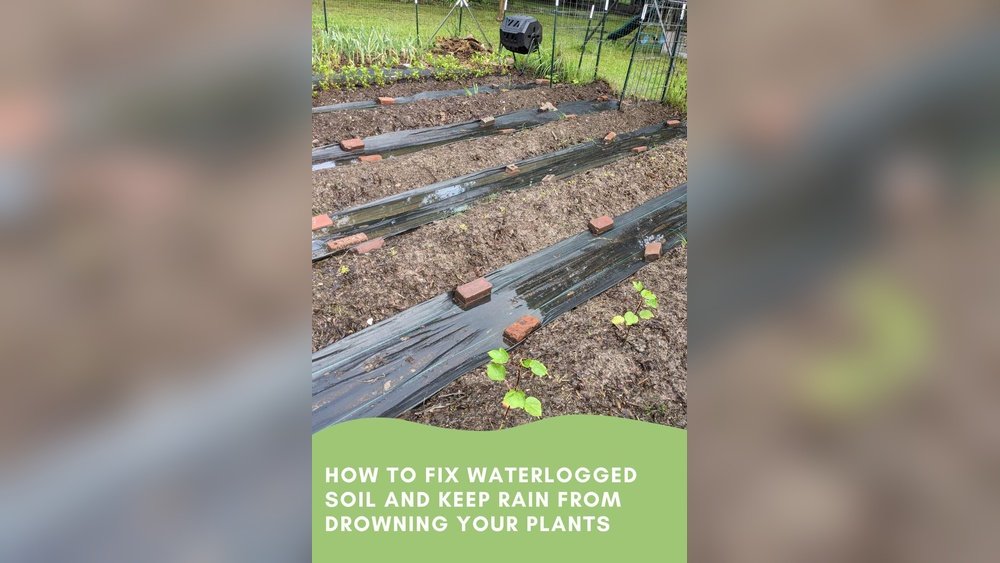
Is your raised bed garden turning into a soggy mess after every rain? Waterlogged soil doesn’t just slow down your plants’ growth—it can choke them entirely by suffocating the roots and inviting harmful diseases.
But don’t worry; you can fix this problem and bring your garden back to life. You’ll discover simple, effective ways to improve drainage, loosen compacted soil, and help your raised bed thrive again. Keep reading, and you’ll learn how to transform that heavy, wet soil into a healthy, well-draining home for your plants.
Credit: www.growveg.com
Causes Of Waterlogged Soil
Waterlogged soil in raised beds can harm your plants and stunt growth. Understanding the causes helps you fix the problem quickly. Several factors lead to water buildup in your garden soil. Identifying these causes is the first step toward healthier soil and plants.
Soil Compaction
Compacted soil has fewer air spaces. This condition stops water from draining properly. Roots struggle to grow in hard, dense soil. Compaction often results from walking on beds or heavy tools.
Poor Drainage
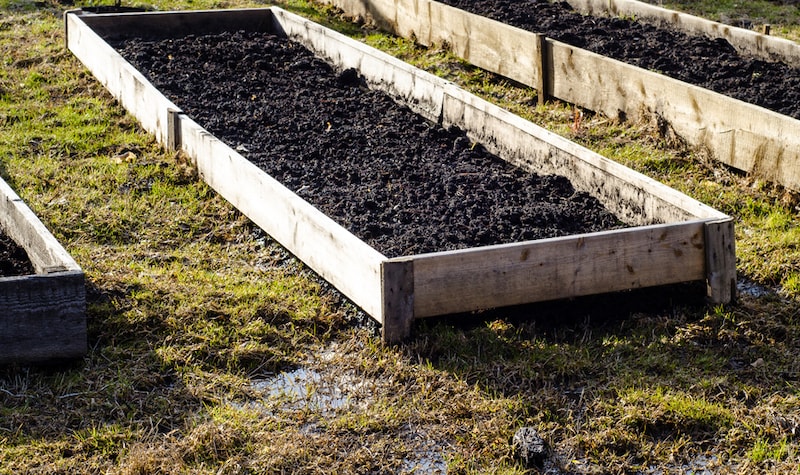
Raised beds need good drainage to avoid standing water. Poor drainage happens when water cannot escape the soil. It causes roots to sit in water, leading to rot and disease. Bed location and design affect drainage quality.
Heavy Clay Content
Clay soil holds water tightly and drains slowly. Raised beds with clay soil stay wet longer than sandy soils. Clay particles pack closely, blocking water movement. This slows drying and creates waterlogged conditions.
Excessive Watering
Too much water causes soil to stay saturated. Overwatering can wash away nutrients and harm plants. Even well-drained soil becomes waterlogged if watered excessively. Proper watering schedules keep soil moist but not soaked.
Signs Of Waterlogged Raised Beds
Waterlogged soil in raised beds can harm your garden’s health and yield. Identifying signs early helps prevent lasting damage. Watch your garden closely for clear indicators of excess water in the soil.
Standing Water
Water pooling on the surface is a strong sign of poor drainage. Raised beds should not hold visible water after rain or watering. Persistent standing water suffocates roots and invites pests.
Wilting Plants
Plants may droop even with moist soil if roots cannot get oxygen. Waterlogged soil blocks air pockets that roots need to breathe. Wilting in wet soil often signals root stress or damage.
Foul Odor
Rotting smells come from decaying roots or organic matter trapped in wet soil. Healthy soil usually smells fresh or earthy. A bad odor means anaerobic conditions caused by too much water.
Slow Growth
Plants in waterlogged beds grow slower than normal. Excess water reduces nutrient uptake and root function. Stunted or pale plants often mean the soil holds too much moisture.
Breaking Up Compacted Soil
Breaking up compacted soil in your raised bed is essential for fixing waterlogged conditions. Compacted soil blocks water drainage and air flow. This causes roots to struggle and plants to suffer. Loosening the soil improves water movement and root health. Several simple tools and methods can help break up dense soil layers. Each option suits different soil types and gardener preferences.
Using Garden Forks
Garden forks work well to loosen compacted soil gently. Insert the fork tines into the soil and wiggle them to break hard clumps. Avoid turning the soil upside down. This keeps soil layers intact and preserves beneficial organisms. Work across the raised bed in rows for even loosening. Garden forks are ideal for small to medium-sized raised beds.
Core Aeration Techniques
Core aeration removes small plugs of soil from the bed. This creates holes that let air and water reach plant roots. You can use a manual or machine aerator for this task. Core aeration reduces soil density and improves drainage quickly. It suits beds with heavy clay or very compacted soils. Follow aeration by adding organic matter to fill holes and enrich soil.
Manual Soil Loosening
Manual soil loosening involves using hand tools like trowels or hoes. Dig shallow trenches or poke holes throughout the soil surface. This breaks up crusts and lets water penetrate deeper. It requires more effort but works well in tight spaces or small beds. Combine manual loosening with adding compost for best results. Regular loosening prevents future compaction and waterlogging.
Credit: hub.suttons.co.uk
Adding Organic Matter
Adding organic matter is essential to fix waterlogged soil in raised beds. Organic matter improves soil structure and drainage. It helps break up heavy, compacted soil. This allows water to move freely and prevents standing water. Using natural materials also boosts soil health. Plants grow stronger in well-drained soil rich in nutrients.
Choose the right organic matter for your soil type. Mixing it well into the raised bed soil is key. This step helps create a loose, airy soil texture. It encourages beneficial microbes and earthworms to thrive. All these factors work together to reduce waterlogging and improve plant growth.
Compost Benefits
Compost adds valuable nutrients to the soil. It improves soil texture by increasing porosity. This lets water drain more easily through the raised bed. Compost also holds moisture without making soil soggy. It feeds beneficial microbes that help break down organic material. Regularly adding compost keeps soil loose and fertile.
Peat Moss Usage
Peat moss is excellent for absorbing excess water. It holds moisture well but also improves drainage. Adding peat moss helps lighten heavy, clay soils. It creates air pockets that prevent soil compaction. Use peat moss sparingly to avoid making soil too acidic. Mix it thoroughly for best results in raised beds.
Manure And Shredded Bark
Manure enriches soil with nutrients and organic matter. It also improves soil structure and drainage. Use well-aged manure to avoid burning plants. Shredded bark adds bulk and creates space for air and water. It breaks down slowly, providing long-term benefits. Both materials help fix waterlogged soil by making it more porous.
Improving Drainage Systems
Improving drainage systems is crucial to fix waterlogged soil in raised beds. Poor drainage causes roots to rot and plants to suffer. Proper drainage helps excess water escape quickly. This keeps soil healthy and plants strong.
Several methods improve drainage in raised beds. These include installing drainage pipes, creating raised or mounded beds, and layering soil with grit or stones. Each method helps water move away from roots. Use one or more for best results.
Installing Drainage Pipes
Drainage pipes help water flow out of raised beds fast. Place perforated pipes at the bottom of the bed. Cover pipes with gravel to keep soil out. Pipes channel excess water away from the soil. This prevents water from pooling and drowning roots.
Choose pipes made of durable plastic or PVC. Make sure pipes slope slightly downward. This encourages water to move out by gravity. Connect pipes to a drain or soakaway area outside the bed.
Creating Raised Or Mounded Beds
Raising the bed height improves drainage naturally. Build beds higher than the surrounding soil. Mounded beds allow water to flow off easily. This reduces water accumulation at the roots.
Use quality soil mix that drains well. Avoid heavy clay soils in raised beds. Higher beds warm up faster and dry quicker. This encourages healthy root growth and strong plants.
Layering With Grit Or Stones
Adding a layer of grit or small stones at the bottom helps water drain. This creates space for water to flow through. It stops soil from becoming soggy and compacted.
Use coarse materials like gravel, crushed stone, or coarse sand. Place a 2-3 inch layer below the soil. This layer acts like a sponge, holding less water and improving airflow.

Credit: spindleandspoonhomestead.com
Surface Treatments
Surface treatments play a key role in fixing waterlogged soil in raised beds. These methods improve soil drainage and help air reach plant roots. By treating the soil surface, you can reduce excess water and create a healthier garden environment.
Mulching Strategies
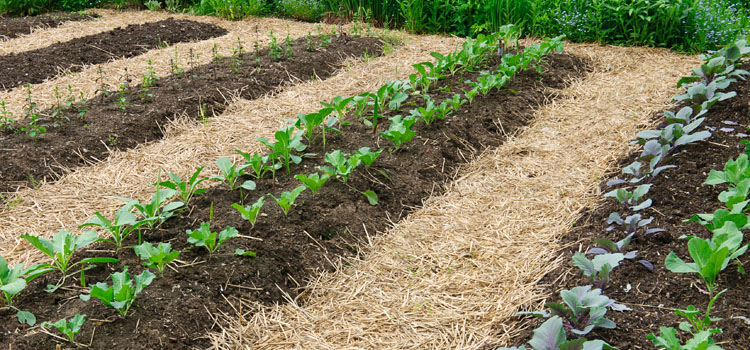
Mulching helps keep soil moisture balanced. Use organic mulch like straw, wood chips, or leaves. These materials absorb excess water and prevent soil from becoming too wet. Mulch also protects soil from heavy rain and slows evaporation. Apply a 2-3 inch layer around your plants for best results.
Aerating The Topsoil
Aeration breaks up compacted soil on the surface. Use a garden fork or aeration tool to poke holes in the soil. This allows water to drain better and air to enter the root zone. Aerating regularly stops water from pooling and helps roots grow strong. Do this gently to avoid disturbing plant roots.
Using Hydrated Lime
Hydrated lime can improve soil texture and drainage. It helps balance soil pH and reduces acidity. Sprinkle a small amount evenly over the soil surface. Then mix it lightly into the top layer. This treatment can help water soak into the soil faster, reducing waterlogging. Use hydrated lime carefully and follow package instructions.
Choosing Water-tolerant Plants
Choosing water-tolerant plants is a smart way to manage waterlogged soil in your raised bed. These plants survive and even thrive in wet conditions. They help reduce stress on your garden and keep it productive despite excess moisture. Selecting the right plants can improve your soil’s condition over time. This approach adds beauty and function to your raised bed garden.
Plants That Thrive In Moist Soil
Some plants naturally grow well in wet soil. Examples include cattails, marsh marigold, and iris. Vegetables like spinach, kale, and chard also tolerate moist conditions. Herbs such as mint and lemon balm do well too. These plants handle water better than most. They prevent root rot and keep growing even after heavy rain.
Benefits For Soil Health
Water-tolerant plants improve soil health in many ways. Their roots help break up compacted soil. This increases air flow and drainage. They add organic matter when leaves and stems decay. Their growth can reduce soil erosion by holding soil in place. These plants encourage beneficial microbes that boost soil fertility.
Companion Planting Ideas
Pairing water-loving plants with others helps balance your garden. For example, plant mint near tomatoes to repel pests. Combine kale with dill to attract pollinators. You can also grow water-tolerant flowers like marsh marigold next to herbs. This mix improves plant health and soil quality. Companion planting supports a stronger, more resilient garden.
Preventing Future Waterlogging
Preventing future waterlogging in your raised bed is crucial for healthy plant growth. Proper care keeps soil well-drained and rich in nutrients. This section covers key habits to keep soil from becoming waterlogged again. Simple steps can protect your garden and improve plant health.
Regular Soil Maintenance
Check your soil often for compaction or pooling water. Loosen soil gently with a garden fork every few weeks. Add organic matter like compost or shredded leaves to improve drainage. Remove dead plant material to avoid blocking water flow. Healthy soil structure allows water to pass through easily.
Adjusting Watering Practices
Water your raised bed only when the top inch of soil feels dry. Use a watering can or drip system to control water amount precisely. Avoid heavy watering in the early morning or late evening to reduce soil saturation. Spread out watering sessions to give soil time to dry between them.
Monitoring Soil Moisture Levels
Use a simple moisture meter to check soil dampness regularly. Insert it about 3 to 6 inches deep for accurate readings. Track moisture levels to know when to water and when to hold off. Consistent monitoring helps prevent overwatering and keeps roots healthy.
Frequently Asked Questions
How To Fix A Waterlogged Raised Garden Bed?
Break up compacted soil and mix in organic matter like compost or peat moss. Add drainage pipes or gravel layers. Mulch the surface and plant water-tolerant species to improve soil drainage and prevent waterlogging in raised garden beds.
How To Dry Out Soil In Raised Beds?
To dry out soil in raised beds, add hydrated lime and compost. Then, thoroughly turn the soil to aerate and distribute moisture evenly.
How Do You Amend Heavy Wet Soil?
Amend heavy wet soil by mixing in organic matter like compost, peat moss, or shredded bark. This improves drainage and soil structure. Break up compacted areas and consider adding sand for better aeration. Regularly turn the soil to prevent waterlogging and promote healthy root growth.
What Soaks Up Water In Soil?
Compost, manure, and peat moss soak up water in soil by improving absorption and retaining moisture effectively. Organic matter enhances soil water-holding capacity.
Conclusion
Fixing waterlogged soil in raised beds takes patience and care. Improve drainage by adding organic matter like compost or peat moss. Break up compacted soil to help water flow better. Consider installing drainage pipes or gravel layers underneath. Mulch the surface to protect soil and reduce water buildup.
Choose plants that tolerate wet conditions if needed. Keep checking soil moisture regularly to avoid problems. Healthy soil grows strong, happy plants. Keep these tips in mind for a thriving raised bed garden.