
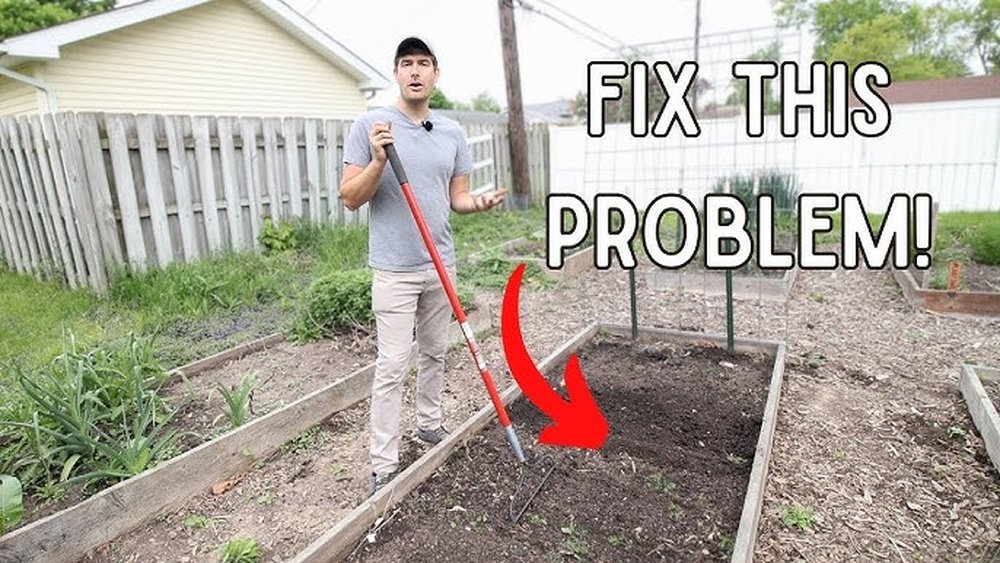
Is your garden bed feeling hard and tough to work with? Compacted soil might be the hidden culprit stealing your plants’ chance to thrive.
When soil gets packed down, roots struggle to grow, water struggles to soak in, and your garden can quickly lose its spark. But don’t worry—you can fix this problem and bring life back to your garden bed. In this guide, you’ll discover simple, practical steps to loosen up that stubborn soil, boost drainage, and create the perfect environment for your plants to flourish.
Keep reading, because your garden deserves soil that breathes and supports growth every step of the way.
Credit: www.growjourney.com
Causes Of Soil Compaction
Soil compaction happens when soil particles are pressed tightly together. This reduces the space for air and water, making it hard for plants to grow. Understanding what causes soil compaction helps gardeners prevent and fix it. Several factors lead to compacted soil in garden beds. Knowing these causes is the first step to healthier soil and stronger plants.
Foot Traffic And Heavy Equipment
Walking on garden beds often compacts the soil. Each step presses the soil particles closer. Heavy equipment, like lawnmowers or tillers, adds even more pressure. This weight crushes soil pores, limiting air and water flow. Avoid stepping on garden beds to protect soil structure.
Clay And Sandy Soil Types
Clay soil is naturally dense and compacts easily. Its tiny particles stick tightly together. Water drains slowly, causing poor aeration. Sandy soil, on the other hand, can lose structure quickly. It may compact when dry or after heavy rain. Both soil types need special care to stay loose and healthy.
Over-tilling Effects
Tilling breaks up soil but too much harms it. Over-tilling destroys natural soil layers and organisms. It makes soil particles settle tightly again. This leads to hard, compacted layers just below the surface. Limit tilling to keep soil loose and full of life.
Credit: www.abc.net.au
Signs Of Compacted Soil
Compacted soil can harm your garden’s health and growth. It limits air, water, and nutrients from reaching plant roots. Knowing the signs of compacted soil helps you fix the problem early. Watch for these common symptoms in your garden bed.
Poor Drainage And Water Pooling
Water does not soak into compacted soil easily. It stays on the surface or forms puddles. This poor drainage can drown roots and cause plant diseases. After rain or watering, check your garden for standing water. This is a clear sign the soil is too dense.
Stunted Plant Growth
Plants in compacted soil grow slowly or look weak. Their roots cannot spread well, limiting nutrient uptake. Leaves may turn yellow or drop early. Flowers and fruits may be fewer than usual. If your plants struggle despite proper care, soil compaction might be the cause.
Hard, Dense Soil Texture
Compacted soil feels hard and heavy to touch. It is difficult to dig or break apart. The soil surface may crack or become crusty. Use a garden fork or trowel to test the soil firmness. If it resists penetration, the soil needs loosening.
Tools To Loosen Soil
Loosening compacted soil is vital for healthy garden beds. Proper tools make this task easier and more effective. The right equipment breaks up dense soil, allowing air, water, and roots to penetrate. Choose tools that suit your garden size and soil type. Below are some useful tools to consider.
Garden Fork And Broadfork
The garden fork is a simple, manual tool with strong tines. It helps to break up soil without disturbing the soil layers too much. Insert the fork into the soil and gently rock it back and forth. This loosens soil and creates space for roots and water.
The broadfork is larger and has long handles. It loosens a wider area of soil at once. Use your body weight to push the tines deep into the soil. Then pull back on the handles to lift and loosen the soil. Both tools improve soil structure naturally.
Core Aerators
Core aerators remove small plugs of soil from the garden bed. This creates holes that improve air and water flow. Aerators work well for compacted lawns or large garden areas. Using one reduces soil compaction and encourages beneficial soil organisms. Regular aeration helps maintain loose and healthy soil.
Avoiding Rototillers
Rototillers can break up soil quickly but often harm soil structure. They can create a hard layer beneath the surface called a “plow pan.” This layer blocks water and roots from moving deeper. Over time, rototilling can worsen soil compaction. Manual tools or aerators are better choices for long-term soil health.
Incorporating Organic Matter
Incorporating organic matter into compacted soil improves its texture and health. Organic material breaks up dense soil, making it easier for roots to grow. It also helps soil hold moisture and nutrients better. Adding organic matter creates a lively environment for beneficial soil organisms. These organisms aerate the soil naturally as they break down the material.
Adding Compost For Soil Health
Compost is rich in nutrients and organic material. Mix it into the garden bed to soften compacted soil. Compost improves soil structure and boosts fertility. It encourages earthworms and microbes, which help loosen the soil. Use compost regularly to maintain healthy garden soil over time.
Using Mulch To Improve Structure
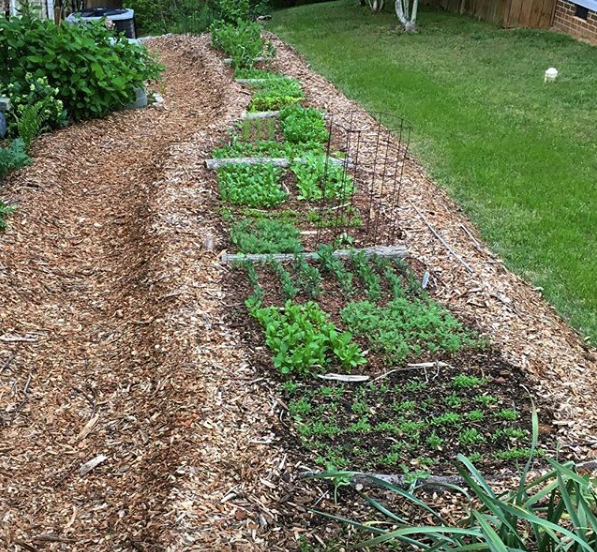
Mulch protects the soil surface from hard rain and sun. It slowly breaks down, adding organic matter to the soil below. Mulch keeps soil moist, reducing crusting and compaction. Apply a thick layer around plants and refill as it decomposes. This method helps maintain loose, well-drained soil.
Benefits Of Cover Crops
Cover crops grow quickly and cover bare soil. Their roots penetrate and break up compacted layers. After growing, you can till or cut them to add organic matter. Cover crops prevent erosion and add nutrients back into the soil. They improve soil structure and support healthy plant growth.
Applying Soil Amendments
Applying soil amendments helps improve compacted soil by changing its texture and structure. These materials loosen heavy soil, improve drainage, and increase nutrient availability. Using the right amendment depends on your soil type and garden needs.
Gypsum For Clay Soil
Gypsum is excellent for clay soil. It helps break up dense clay particles. This makes the soil softer and easier to work. Gypsum also improves water penetration and reduces surface crusting. Spread gypsum evenly over the soil surface. Then, mix it into the top few inches of soil. This process boosts soil aeration and root growth.
Sand For Improving Drainage
Adding sand can improve drainage in heavy soil. It creates larger pores for water to flow through. Use coarse sand, not fine sand. Fine sand can make the soil even harder. Mix sand thoroughly with the soil. This prevents layering and helps roots breathe better. Be careful not to add too much sand, as it may dry out plants.
Using Potting Mix In Raised Beds
Potting mix is ideal for raised garden beds. It has a balanced blend of peat, compost, and perlite. This mix offers good drainage and nutrient retention. Fill raised beds with potting mix to avoid soil compaction problems. It stays loose and allows roots to grow freely. Refresh the potting mix yearly for the best results.
Preventing Future Compaction
Preventing future soil compaction is vital for a healthy garden bed. Compacted soil restricts root growth and water absorption. Taking steps to avoid compaction keeps your soil loose and fertile. It promotes better air and water flow, supporting strong plant roots.
Minimizing Foot Traffic
Walking on garden beds compacts the soil and damages roots. Use designated areas for walking to protect soil structure. Limit access to planted areas to reduce pressure on the soil. Avoid stepping on wet soil, which compacts more easily. Use garden shoes or boots to distribute weight evenly.
Creating Walkways And Paths
Design clear paths around garden beds to control foot traffic. Paths reduce soil disturbance and keep beds intact. Use materials like wood chips, gravel, or pavers for durable walkways. Raised paths prevent soil from becoming muddy and compacted. Well-planned walkways make gardening easier and protect soil health.
Proper Watering Techniques
Watering affects soil structure and compaction risks. Avoid overwatering, which makes soil heavy and prone to compaction. Water deeply but less often to encourage strong roots. Use drip irrigation or soaker hoses to deliver water gently. Well-watered soil stays loose and supports plant growth better.
Step-by-step Soil Fixing Process
Fixing compacted soil in your garden bed improves plant growth and soil health. Follow these simple steps to restore your soil’s structure. Each step helps air, water, and roots move freely in the soil. This process makes your garden more productive and beautiful.
Testing Soil Compaction Levels
Start by checking how hard the soil is. Use a screwdriver or a soil probe to push into the soil. If it is difficult to push in, the soil is compacted. Mark the spots with the worst compaction. This helps focus your efforts on problem areas.
Loosening Soil With Tools
Use a garden fork or tiller to break up the compacted soil. Insert the tool and gently lift the soil to create air pockets. Avoid digging too deep to protect plant roots. Work in small sections for better control and even loosening.
Mixing In Organic Matter And Amendments
Add compost, peat moss, or aged manure to the loosened soil. Spread a 2-3 inch layer over the garden bed. Mix it well into the top 6-8 inches of soil. Organic matter improves soil texture and helps retain moisture. It also feeds beneficial soil organisms.
Watering And Mulching
Water the soil gently but deeply to settle the added organic matter. Avoid heavy watering that causes more compaction. Once moist, cover the soil with mulch like straw or wood chips. Mulch keeps soil moist, protects from erosion, and reduces future compaction.

Credit: www.youtube.com
Maintaining Healthy Garden Beds
Maintaining healthy garden beds is essential for vibrant plants and rich soil. Healthy beds allow roots to grow deep and absorb nutrients easily. Compacted soil blocks air, water, and nutrients from reaching roots. Keeping soil loose and fertile supports strong plant growth. Simple care routines can prevent soil compaction and improve garden health.
Regular Soil Aeration
Soil aeration helps break up compacted soil naturally. Use a garden fork or aerator tool to poke holes in the soil. This lets air and water reach plant roots easily. Aerate the soil at least twice a year. Avoid stepping on wet soil to reduce compaction. Loose soil improves drainage and root development.
Seasonal Compost Addition
Adding compost enriches the soil with organic matter. Spread a thin layer of compost over your garden bed each season. Compost feeds soil microbes that improve soil structure. It also increases moisture retention and nutrient availability. Regular compost addition softens hard soil and supports healthy plants.
Monitoring Plant Health
Watch your plants closely for signs of stress or poor growth. Yellow leaves, stunted growth, or wilting may indicate compacted soil. Check soil texture by digging a small hole near the plant roots. Healthy soil feels crumbly and loose. Early detection helps you fix soil issues before plants suffer.
Frequently Asked Questions
How To Fix Compacted Soil In Raised Beds?
Loosen soil using a garden fork or broadfork. Mix in organic compost to improve aeration. Avoid walking on beds to prevent compaction. Add gypsum for heavy clay soils. Water thoroughly to help amendments settle and encourage healthy soil structure.
How To Break Up Compacted Soil For Vegetable Garden?
Loosen compacted soil by adding organic compost and using a garden fork or broadfork to aerate deeply. Avoid walking on beds. Apply gypsum for heavy clay soils to improve texture and drainage. Water thoroughly to help settle the amendments and promote healthy soil structure.
Why Is My Garden Bed Soil So Hard?
Your garden bed soil hardens due to compaction, clay content, lack of organic matter, and frequent foot traffic. Aerate soil and add compost to soften it.
Can I Put New Soil On Top Of Old Soil?
Yes, you can add new soil over old soil. Mix fresh soil with old soil for better aeration and nutrients. Avoid layering without mixing to prevent poor drainage and root growth issues.
Conclusion
Fixing compacted soil improves plant growth and garden health. Add organic matter to make soil soft and rich. Use garden forks to gently loosen soil without damage. Avoid walking on beds to keep soil loose longer. Regular care keeps soil healthy and supports strong roots.
Your garden will thrive with these simple soil fixes. Start improving soil today for better plants tomorrow.