
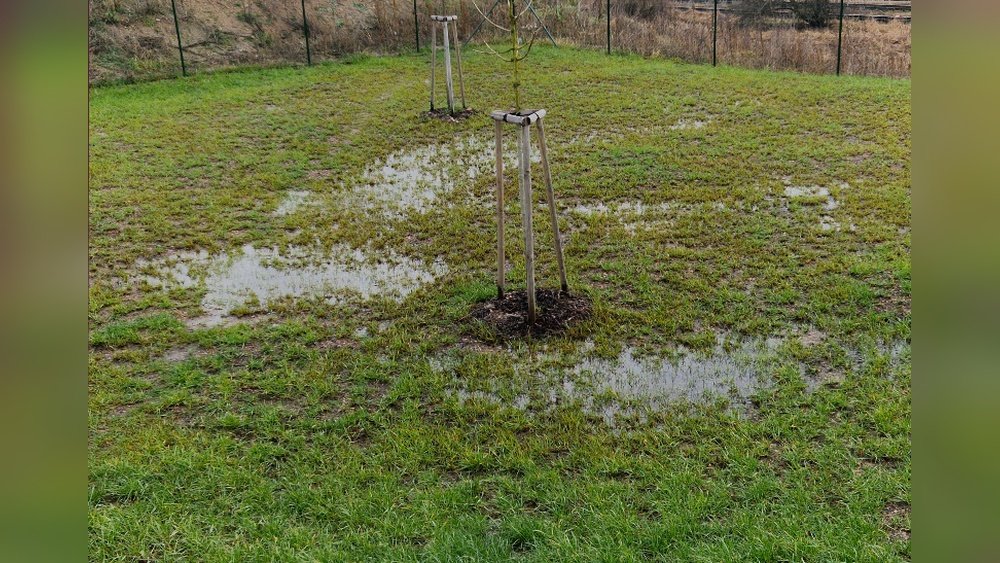
Are you struggling with soggy garden beds or waterlogged soil that just won’t drain? Poor soil drainage can ruin your plants, leaving them weak and unhappy.
But don’t worry—you can fix it by choosing the right soil amendments. Knowing exactly what to add to your soil can make all the difference between a soggy mess and a thriving garden. You’ll discover simple, effective ways to improve drainage and give your plants the healthy roots they need.
Keep reading, and you’ll learn how to transform your soil step by step.

Credit: ecogardener.com
Signs Of Poor Soil Drainage
Poor soil drainage causes many problems for plants and gardens. It stops water from moving through soil properly. Water stays too long around roots. This can harm plant health and growth.
Knowing the signs of poor soil drainage helps find the right fix. Look closely at plants, soil, and water behavior. These clues point to drainage issues that need attention.
Common Symptoms In Plants
Plants in poorly drained soil may show slow growth. Leaves turn yellow or brown. Roots can rot and smell bad. Some plants wilt even if soil looks wet. Mushrooms or mold may grow on soil surface. These signs warn of too much water around roots.
Soil Texture And Composition
Heavy clay soils drain slowly and hold water. Sandy soils drain quickly but may lose nutrients. Soil with lots of organic matter often drains well. Check soil by feeling it. Sticky and dense soil means poor drainage. Crumbly and loose soil usually drains better. Understanding soil type helps choose proper amendments.
Water Retention Issues
Water stays on soil surface after rain or watering. Soil may be soggy or muddy for days. Puddles form and don’t disappear fast. Roots may drown from lack of oxygen. Poor drainage traps water and blocks air. Good soil lets water soak in and drain away.

Credit: yardandgarden.extension.iastate.edu
Types Of Soil Amendments
Soil amendments improve poor soil drainage by changing the soil structure. Different types of amendments work in unique ways to help water move better. Choosing the right type depends on your soil’s needs. Understanding each type helps in making better decisions for your garden or lawn.
Organic Matter Options
Organic matter includes compost, manure, and peat moss. These materials break down slowly and improve soil texture. They create small spaces in the soil for air and water. Organic matter also feeds soil microbes, boosting soil health. Regular use helps soil hold moisture but drain excess water well.
Inorganic Materials
Inorganic amendments include sand, perlite, and vermiculite. These do not break down over time. They add bulk and improve soil drainage by creating large pores. Sand works well in clay soils to reduce compaction. Perlite and vermiculite help soils stay light and airy. Use these materials carefully to avoid over-loosening soil.
Biological Amendments
Biological amendments contain beneficial microbes and fungi. These organisms improve soil structure naturally. They help break down organic matter faster and create channels in soil. This increases water movement and root growth. Using biological amendments supports long-term soil health and better drainage.
Choosing Amendments Based On Soil Type
Choosing the right soil amendments depends on your soil type. Different soils need different treatments to improve drainage and health. Understanding your soil helps you pick the best materials for better plant growth.
Clay Soil Solutions
Clay soil holds water for too long. It can become heavy and compacted. Adding organic matter like compost helps clay soil breathe. Gypsum also breaks up clay particles. These amendments improve water flow and root growth.
Sandy Soil Adjustments
Sandy soil drains too fast and loses nutrients quickly. Adding organic matter like peat moss or compost helps hold moisture. Mulch also reduces evaporation. These changes keep the soil moist and rich for plants.
Loamy Soil Enhancements
Loamy soil is balanced but can improve with some help. Adding organic matter boosts nutrients and water retention. Small amounts of sand or compost can adjust texture. This keeps loamy soil healthy and ready for plants.

Credit: deepgreenpermaculture.com
Application Techniques
Applying soil amendments correctly is crucial for fixing poor soil drainage. Poor drainage means water stays too long or drains too fast. Proper application lets amendments mix well with soil. This improves water flow and root growth. Use simple steps for best results. Small efforts can make big changes in soil health.
Incorporating Amendments Effectively
Start by spreading amendments evenly over the soil surface. Use a rake or shovel to mix them into the top 6 to 12 inches of soil. Mixing helps break up compacted layers and improves air flow. Avoid leaving amendments only on the surface. Deep mixing allows roots to access better soil structure and moisture. Work in small sections to ensure thorough blending.
Timing And Frequency
Apply amendments during early spring or fall. Soil is easier to work when it is moist but not wet. Avoid applying in very dry or frozen soil. Reapply amendments every one to two years for lasting effects. Check soil condition each season to decide if more is needed. Frequent small applications work better than one large one.
Tools And Equipment
Use simple garden tools like shovels, rakes, and hoes for small areas. For larger spaces, consider a rototiller or garden fork. These tools help mix amendments deeply and evenly. Avoid heavy machinery that can compact soil further. Clean tools before and after use to prevent disease spread. Choose tools based on your garden size and soil type.
Improving Drainage With Landscaping
Improving soil drainage is key to healthy plants and a strong garden. Poor drainage causes water to pool and roots to rot. Landscaping changes help move water away and keep soil healthy. Simple steps can make a big difference.
Creating Raised Beds
Raised beds lift plants above wet soil. They let water drain faster and keep roots dry. Use good soil mix with compost inside raised beds. Build beds with wood, stone, or brick to hold soil. Raised beds also warm up faster in spring.
Installing Drainage Systems
Drainage systems move extra water away from garden areas. French drains and perforated pipes are common choices. Place pipes below soil to catch and carry water out. Dig trenches to guide water flow. Proper drainage stops water from pooling around plants.
Using Mulch Strategically
Mulch helps soil keep moisture and stops erosion. Use coarse mulch like bark or wood chips. Spread mulch evenly but keep it away from plant stems. Mulch improves soil texture and lets water soak in slowly. It also stops weeds that block water flow.
Monitoring And Maintaining Soil Health
Monitoring and maintaining soil health is key for fixing poor drainage. Healthy soil lets water move well and supports plant roots. It also helps keep nutrients balanced and soil structure strong. Regular care makes sure soil stays in good shape over time.
Regular Soil Testing
Test soil regularly to know its condition. Soil tests show pH, nutrient levels, and texture. This data helps decide which amendments are needed. Testing every few months or seasons works best. Use simple kits or send samples to labs for accuracy.
Adjusting Amendments Over Time
Soil changes with weather, plants, and use. Amendments that worked before might not work later. Watch soil response after adding materials like compost or sand. Add or reduce amendments based on test results and plant health. Keep notes to track what works well.
Avoiding Common Mistakes
Do not overuse amendments; too much can harm soil. Avoid adding fine soil or clay, which blocks water. Don’t ignore signs like puddles or dry patches. Avoid mixing too many materials without testing. Use amendments suited for your specific soil type.
Frequently Asked Questions
What Are The Best Soil Amendments For Poor Drainage?
The best soil amendments for poor drainage include organic matter like compost, peat moss, and aged manure. These improve soil structure and increase water infiltration. Additionally, coarse sand and perlite help create air spaces, allowing excess water to drain effectively and prevent waterlogging.
How Do Soil Amendments Improve Poor Soil Drainage?
Soil amendments improve drainage by loosening compacted soil and increasing pore space. This allows water to flow through soil more freely. Organic matter also enhances soil aeration and nutrient availability. Overall, amendments transform heavy, clay soils into well-draining, fertile ground suitable for healthy plant growth.
When Should I Apply Soil Amendments For Drainage Issues?
Apply soil amendments during soil preparation in early spring or fall. This timing allows amendments to integrate well before planting. Mixing amendments into the top 6-12 inches of soil is most effective. This improves drainage and provides a better root environment throughout the growing season.
Can Soil Amendments Fix Drainage In Clay Soils?
Yes, soil amendments can significantly improve clay soil drainage. Adding organic matter breaks up dense clay particles, creating air pockets. Coarse materials like sand or gypsum also help reduce compaction. Combined, these amendments enhance water movement and prevent puddling in heavy clay soils.
Conclusion
Choosing the right soil amendments improves poor drainage effectively. Adding organic matter helps water flow better. Sand or perlite can also increase drainage. Test your soil before making changes. Small steps lead to healthier plants and soil. Keep observing how your soil reacts.
Good drainage means stronger roots and happier plants. Simple amendments make a big difference over time. Stay patient and consistent with your care. Your garden will thank you with vibrant growth.