

Is your garden struggling to grow healthy plants? Chances are, soil compaction might be holding you back.
When soil gets packed too tightly, roots can’t breathe or spread properly. But don’t worry—you can fix this problem with the right soil amendments. You’ll discover simple, effective ways to loosen your soil and bring life back to your garden.
Keep reading to learn how to transform your soil and watch your plants thrive like never before.
Causes Of Soil Compaction
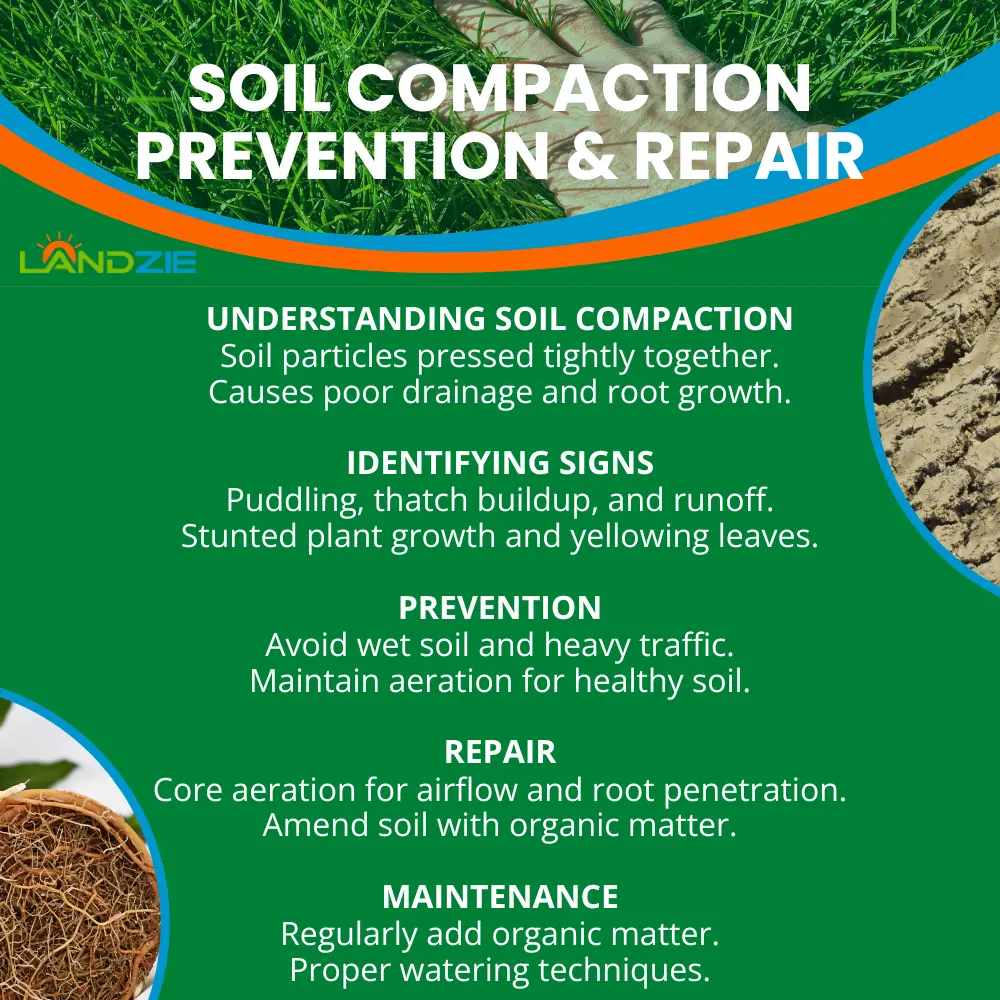
Soil compaction happens when soil particles are pressed tightly together. This reduces the space between particles, making it hard for air, water, and roots to move through. Understanding what causes soil compaction helps to fix it properly and keep your soil healthy.
Heavy Machinery Impact
Heavy machines like tractors and trucks press down on the soil. Their weight pushes soil particles closer. This pressure can crush soil pores, reducing air and water flow. Repeated use of machinery on the same spot worsens compaction.
Foot Traffic Effects
Walking or stepping on soil also compresses it. Foot traffic is common in gardens, paths, and yards. The more people walk on the soil, the denser it becomes. This limits root growth and water absorption.
Soil Texture And Composition
Soil type affects how easily compaction occurs. Clay soils compact more because their particles are small and sticky. Sandy soils resist compaction better due to larger particles. Soil with poor organic matter compacts faster and stays dense longer.
Credit: landzie.com
Signs Of Compacted Soil
Compacted soil causes many problems for plants and gardens. It stops roots from growing well. It blocks air and water from reaching the soil. Knowing the signs helps you fix the soil fast. Spotting compacted soil early keeps plants healthy.
Poor Drainage And Waterlogging
Water stays on the surface for a long time. The soil does not soak up water easily. Puddles form after rain or watering. This can drown roots and cause plant stress. Good soil should drain water quickly.
Stunted Plant Growth
Plants grow slowly or stop growing. Leaves look small and pale. Roots cannot spread deep or wide. Plants may wilt even with regular watering. Compacted soil limits nutrients and space for roots.
Hard Soil Surface
The soil feels hard and crusty to touch. It is difficult to dig or plant seeds. The surface cracks in dry weather. Hard soil blocks air flow to roots. Soft soil is easier for roots to grow.
Choosing The Right Soil Amendments
Choosing the right soil amendments is key to fixing soil compaction. Soil amendments help improve soil structure and allow roots to grow better. Different soils need different amendments to restore balance. Understanding each type helps pick the best option for your garden or farm.
Organic Matter Benefits
Organic matter improves soil by increasing air and water flow. It helps break up compacted soil naturally. It also feeds helpful microbes that keep soil healthy. Adding organic matter makes soil softer and easier for roots to spread.
Gypsum For Clay Soils
Gypsum works well in heavy clay soils. It helps loosen the soil by breaking up tight clay particles. This improves drainage and reduces soil hardness. Gypsum also adds calcium, which helps plants grow strong roots.
Sand And Its Role
Sand can improve soil texture in some cases. It creates space between soil particles, helping water drain better. Use sand carefully with clay soils to avoid making it too hard. Mixing sand with organic matter works best to fix compaction.
Compost And Mulch Advantages
Compost adds nutrients and improves soil structure. Mulch protects soil surface from erosion and retains moisture. Both help maintain healthy soil and reduce compaction over time. Regular use builds strong, loose soil for plants.
Application Techniques For Amendments
Applying soil amendments correctly is key to fixing soil compaction. Proper techniques help amendments reach the roots effectively. This improves soil texture and plant growth. Different methods suit different garden sizes and soil types. Understanding these methods ensures the best results for your soil.
Incorporating Amendments Into Soil
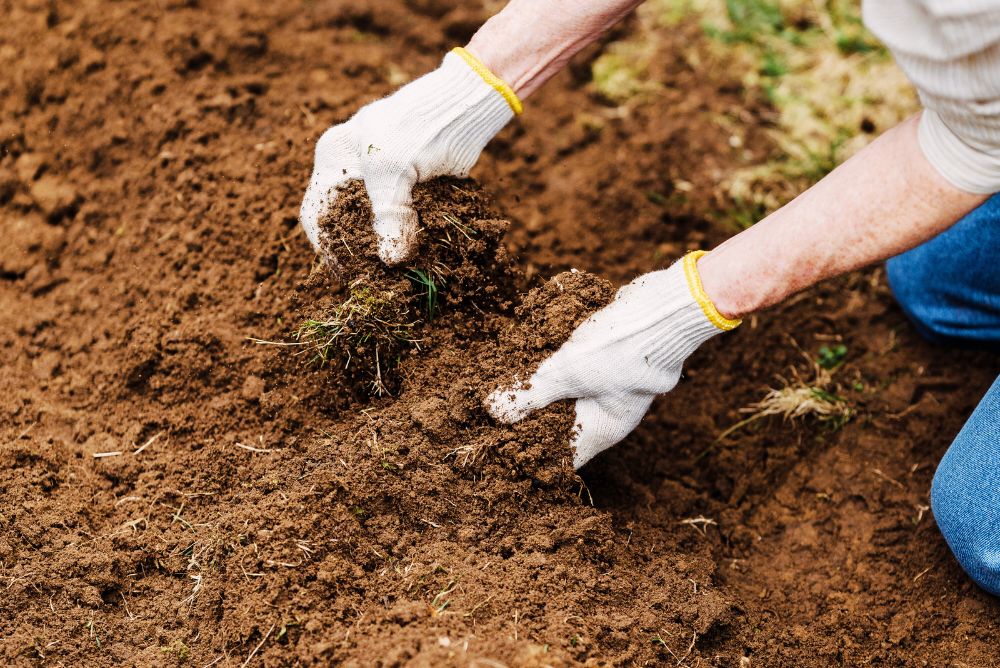
Mixing amendments directly into the soil is very effective. Use a garden fork or tiller to loosen compacted soil first. Spread amendments like compost or gypsum over the area. Work them into the top 6 to 8 inches of soil. This helps break up hard layers and improves air flow. Avoid working wet soil to prevent more compaction.
Top Dressing Methods
Top dressing means spreading amendments on the soil surface. This works well for lawns and established plants. Apply a thin layer of compost or organic matter evenly. Water the area afterward to help amendments move into the soil. Top dressing is less disruptive than mixing but takes longer to see effects.
Timing And Frequency
Apply amendments during early spring or fall for best results. Soil is easier to work with in these seasons. Avoid adding amendments in very dry or frozen soil. Repeat applications yearly or every two years based on soil tests. Regular use prevents soil from becoming compacted again.
Improving Soil Structure Naturally
Improving soil structure naturally helps fix soil compaction without harsh chemicals. Healthy soil lets air, water, and roots move freely. This creates a better environment for plants to grow strong. Using natural methods supports soil life and keeps the ground loose and rich. Here are some simple ways to improve soil structure naturally.
Planting Cover Crops
Cover crops protect the soil surface from erosion. Their roots break up compacted layers underground. They add organic matter as they grow and decay. This organic matter improves soil texture and fertility. Cover crops like clover, rye, or vetch work well. Planting cover crops during off-season keeps soil active and healthy.
Encouraging Earthworm Activity
Earthworms naturally loosen compacted soil by creating tunnels. These tunnels improve air and water movement. Earthworms also mix organic material into the soil. Adding compost encourages earthworms to thrive. Avoid chemicals that harm soil life. Earthworm activity is a sign of healthy, well-structured soil.
Crop Rotation Practices
Rotating different crops prevents soil from becoming hard and tired. Deep-rooted plants break through compacted layers. Different plants use nutrients in varied ways. This keeps soil balanced and less prone to compaction. Crop rotation also reduces pests and diseases naturally. Changing crops each season helps maintain loose, fertile soil.
Credit: www.jonathangreen.com
Tools And Equipment To Loosen Soil
Loosen soil is key to fixing soil compaction. Choosing the right tools helps make this task easier. Different tools suit different garden sizes and soil types. Understanding these tools lets you pick the best one for your soil.
Manual Tools For Small Areas
Manual tools work well in small gardens or tight spaces. A garden fork helps break up compacted soil by hand. A hand trowel can dig and loosen soil around plants. These tools give control and precision in small spots. They require physical effort but are low cost and easy to use.
Mechanical Aerators
Mechanical aerators are ideal for larger lawns or heavy soil. These machines pull small plugs from the soil to improve air flow. They save time and effort compared to manual tools. Some aerators are walk-behind models, while others are push types. Mechanical aerators work faster and cover more area.
When To Use Each Tool
Use manual tools for small or delicate areas. Choose mechanical aerators for large lawns or very compacted soil. Manual tools suit spot treatment and near plant roots. Mechanical aerators handle broad areas and tough soil layers. Pick the tool that matches your garden size and soil condition.
Maintaining Healthy Soil Long-term
Maintaining healthy soil over time is key to strong plants and good harvests. Soil that stays loose and rich helps roots grow deep and access water easily. Using the right soil amendments fixes compaction, but care must continue beyond that. Regular habits keep soil in great shape for years.
Regular Soil Testing
Testing soil regularly shows its health and needs. Tests reveal pH levels, nutrients, and soil texture changes. Knowing this helps you add the right amendments and avoid waste. Simple kits or professional services provide clear results. Test once or twice a year to track soil quality.
Avoiding Excessive Traffic
Walking or driving on garden soil compresses it quickly. Compacted soil limits air and water flow to roots. Use paths or stepping stones to reduce pressure on planted areas. Keep heavy equipment off garden beds. Less traffic means softer soil and healthier plants.
Sustainable Gardening Practices
Plant cover crops or use mulch to protect soil. These methods prevent erosion and improve soil structure. Rotate crops to keep soil nutrients balanced. Add organic matter like compost each season. Sustainable practices build soil strength naturally over time.
Credit: www.provenwinners.com
Frequently Asked Questions
What Are The Best Soil Amendments For Compacted Soil?
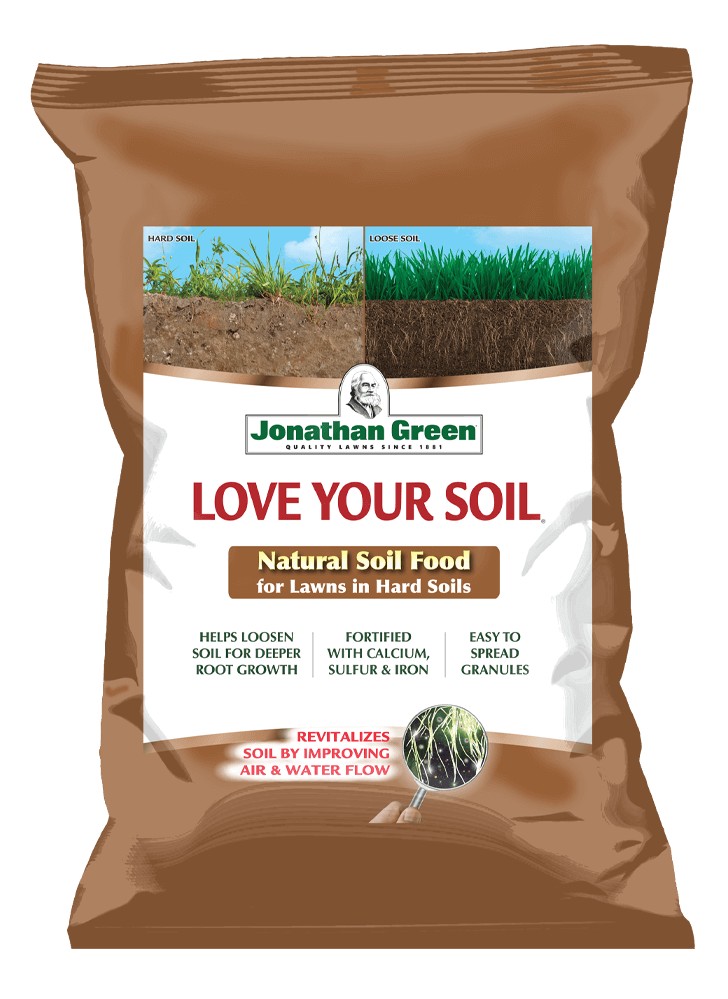
Organic matter like compost, peat moss, and aged manure work best. These improve soil structure and increase aeration. Gypsum can also help break up heavy clay soils by loosening soil particles. Combining amendments ensures better water infiltration and root growth.
How Do Soil Amendments Improve Soil Compaction?
Soil amendments increase porosity by creating air spaces. They enhance water drainage and root penetration. Organic matter encourages beneficial microbes that break down dense soil. This leads to healthier plants and reduced surface runoff.
When Should I Apply Soil Amendments To Fix Compaction?
Apply amendments during early spring or fall for best results. This timing allows natural processes to improve soil before planting. Avoid applying in extreme heat or wet conditions, which can reduce effectiveness.
Can Soil Amendments Prevent Future Soil Compaction?
Yes, regular addition of organic matter maintains soil structure. Proper soil management like avoiding heavy machinery also helps. Consistent use of amendments keeps soil loose and healthy over time.
Conclusion
Fixing soil compaction improves plant growth and soil health. Adding the right soil amendments loosens hard soil. Organic matter like compost helps air and water move better. Gypsum can also break up compacted layers. Regularly checking soil texture keeps your garden healthy.
Take small steps and be patient for best results. Healthy soil means stronger plants and better harvests. Simple changes make a big difference over time. Start today to create loose, fertile soil that lasts.