
Is your lawn looking tired, patchy, or struggling to grow? The secret might be hiding right beneath your feet—in your soil’s pH level.
If your soil is too acidic, it can stop your grass from absorbing the nutrients it needs to thrive. But don’t worry, you can fix this—and fast. In this guide, you’ll discover simple, proven ways to raise your soil’s pH quickly, giving your lawn the boost it needs to become lush and green again.
Ready to transform your yard? Let’s dive into how you can raise your soil pH for a healthier lawn today.

Credit: yardmastery.zendesk.com
Soil Ph And Lawn Health
Testing your soil pH is the first step to raising it quickly for a healthier lawn. Knowing the current pH helps you choose the right treatment. Without testing, you might waste time and money on wrong solutions. A simple soil test gives clear information on how acidic or alkaline your soil is. This knowledge lets you act fast to improve your lawn’s condition.
Choosing The Right Soil Test Kit
Select a soil test kit made for home use. These kits are easy to use and give quick results. Look for kits that test pH specifically, as some test other soil factors. Choose one with clear instructions and color charts. Some kits use test strips, while others use liquid solutions. Pick the type that feels easiest for you. A good kit helps you avoid guesswork and saves time.
Interpreting Soil Ph Results
After testing, compare the color or number to the chart provided. Soil pH ranges from 0 to 14. A pH below 7 means the soil is acidic. Above 7 means it is alkaline. Most lawns grow best with a pH between 6 and 7. If your soil is below this range, lime can raise the pH quickly. Knowing the exact pH guides you on how much lime to apply. Accurate interpretation avoids over-application and keeps your lawn healthy.

Credit: www.amazon.com
Testing Your Soil Ph
Raising soil pH quickly is important for lawns with acidic soil. Acidic soil can limit nutrient availability and harm grass growth. Using quick methods helps your lawn absorb nutrients better. These methods work faster than traditional lime products. They improve soil conditions in a short time. Proper soil pH supports strong roots and green grass.
Using Fast-acting Lime Products
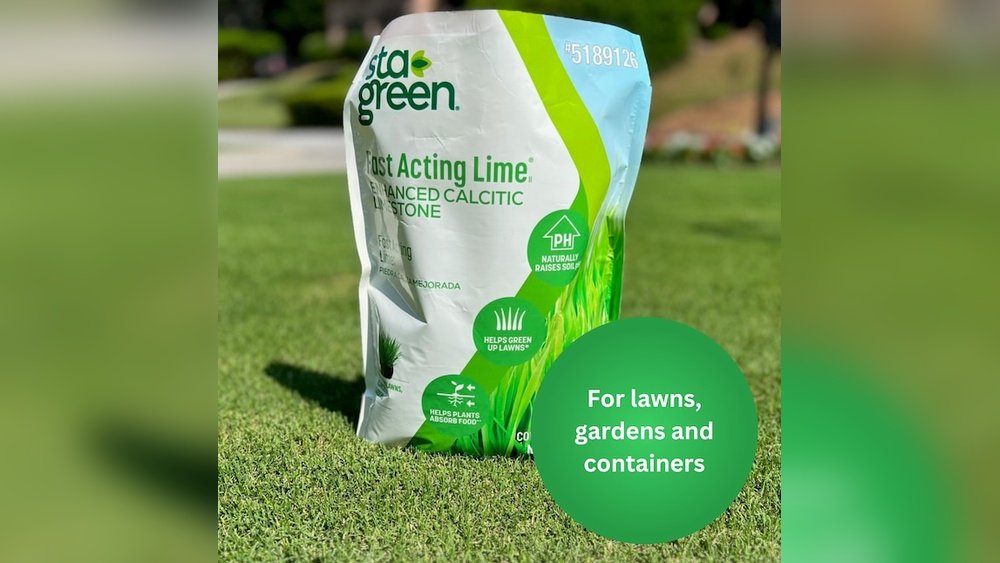
Fast-acting lime products increase soil pH faster than regular lime. They contain finely ground particles that dissolve quickly. This allows the lime to react with soil acidity soon after application. You can spread these limes evenly over your lawn. Watering afterward helps the lime work deeper into the soil. Expect to see pH changes within a few weeks. Fast-acting lime is ideal for urgent lawn care needs.
Applying Dolomitic Lime For Balanced Minerals
Dolomitic lime raises soil pH while adding magnesium. Magnesium is essential for healthy grass growth. This type of lime balances calcium and magnesium levels in soil. It works slower than fast-acting lime but provides lasting benefits. Dolomitic lime is best for soils low in magnesium. Apply it by spreading evenly and watering lightly. This method improves soil pH and nutrient balance together.
Quick Methods To Raise Soil Ph
Raising soil pH quickly requires the right lime application steps. Lime neutralizes acidity and improves soil for healthy grass growth. Following a clear process ensures even results and avoids damage to your lawn. This guide breaks down lime application into simple steps for fast and effective pH adjustment.
Calculating Lime Amounts
Start by testing your soil’s pH level. This helps determine how much lime you need. Use a soil test kit or send samples to a lab. The lower the pH, the more lime is required. Follow recommendations on the lime package or test report. Avoid applying too much lime, as it can harm your lawn.
Proper Spreading Techniques
Spread lime evenly across the lawn for consistent pH change. Use a broadcast or drop spreader for best results. Walk at a steady pace to avoid clumps or bare spots. Apply half the lime in one direction and the rest at a 90-degree angle. This cross-pattern ensures full coverage and better absorption.
Watering After Application
Water the lawn lightly after spreading lime. This helps lime dissolve and enter the soil faster. Avoid heavy watering that may wash lime away. Keep soil moist for a few days to boost lime effectiveness. Proper watering speeds up pH adjustment and supports healthy grass roots.
Step-by-step Lime Application
Raising soil pH organically helps keep your lawn healthy and safe. Organic methods improve soil quality gradually without harsh chemicals. They support beneficial microbes that thrive in balanced soil. This section covers simple, natural ways to increase soil pH effectively.
Incorporating Compost And Topdressing
Adding compost is a natural way to raise soil pH. Compost contains minerals that reduce soil acidity. Spread a thin layer of compost over your lawn as topdressing. This layer slowly breaks down, releasing nutrients and raising pH. Compost also improves soil texture and water retention. Use well-aged compost to avoid nitrogen loss. Regular applications help maintain a balanced soil environment.
Avoiding Ineffective Materials
Some organic materials do not raise soil pH. For example, coffee grounds are acidic and may lower pH. Pine needles break down very slowly, so they do not change soil pH quickly. Avoid using these materials if your goal is to raise soil pH fast. Focus on compost and lime-based amendments instead. Proper material choice ensures faster and more reliable pH adjustment.
Organic Ways To Increase Soil Ph
Maintaining optimal soil pH is essential for a healthy lawn. Soil pH affects nutrient availability and root growth. Lawns thrive best in a slightly acidic to neutral pH range. Regular care keeps the soil balanced and supports strong grass growth. Monitoring and adjusting pH prevents common lawn problems like yellowing or thinning.
Regular Soil Testing Schedule
Test your soil pH at least twice a year. Early spring and fall are ideal times. Use a simple soil test kit or send samples to a lab. Testing helps track pH changes over time. Record results to spot trends. This data guides lime or sulfur applications to adjust pH effectively. Consistent testing avoids overcorrection and soil damage.
Adjusting Ph Seasonally
Apply lime in fall or early spring for best results. Lime raises soil pH by neutralizing acidity. Spread it evenly on the lawn surface. Water the lawn after application to start the reaction. Avoid applying lime during hot, dry spells. Seasonal adjustments help maintain steady pH levels. Adjust amounts based on soil test recommendations. Follow directions carefully to protect your lawn.

Credit: www.amazon.com
Frequently Asked Questions
How To Raise Soil Ph In A Lawn?
Raise lawn soil pH by spreading lime evenly over the area. Use agricultural limestone or dolomitic lime for best results. Water the lawn after application to help absorption. Test soil pH regularly to monitor changes and adjust lime quantity accordingly.
What Ph Level Is Good For St Augustine Grass?
St. Augustine grass thrives in soil with a pH between 6. 0 and 7. 5. Maintaining this range promotes healthy growth.
How To Raise Soil Ph From 5 To 7 Naturally?
Raise soil pH naturally by adding agricultural lime or crushed dolomitic limestone. Mix thoroughly and water regularly for best results.
Do Coffee Grounds Raise Soil Ph?
Coffee grounds do not raise soil pH. Most acidity leaches out during brewing, leaving grounds near neutral.
Conclusion
Raising soil pH for your lawn is simple with the right steps. Use lime to balance acidic soil and improve growth. Test your soil first to know how much lime to apply. Spread lime evenly and water the area well after application.
Avoid quick fixes that may harm your grass. Give your lawn time to respond and check pH regularly. Healthy soil means a green, thriving lawn you can enjoy. Start today for better lawn health tomorrow.