
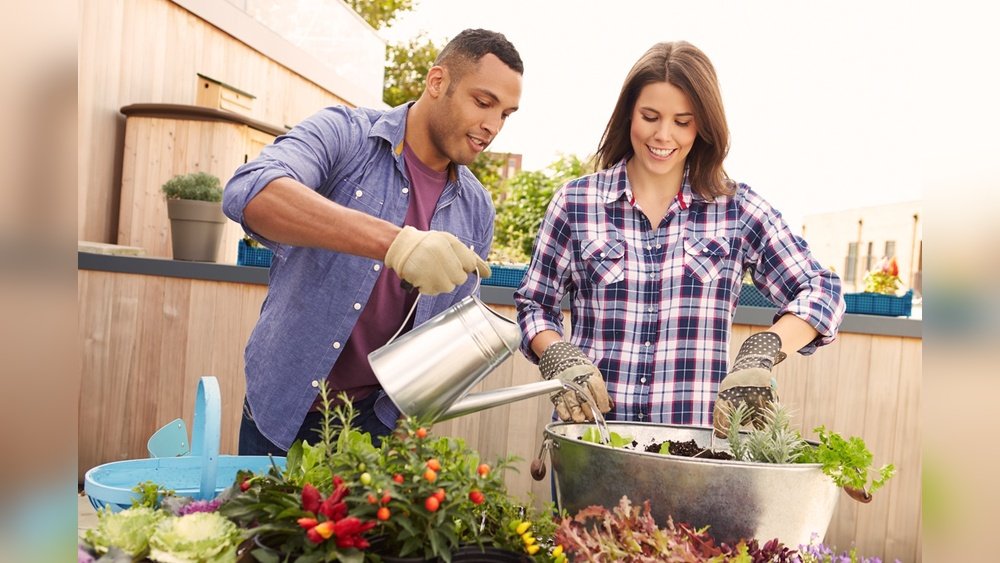
Are your container plants not thriving the way you hoped? The secret often lies in how you water them.
Watering container plants might seem simple, but doing it incorrectly can stunt growth, cause root rot, or leave your plants thirsty. You need to understand exactly when, how much, and where to water to keep your plants healthy and vibrant.
In this guide, you’ll discover proven tips to water your container plants the right way—so you can enjoy lush greenery and colorful blooms all season long. Ready to unlock the full potential of your potted plants? Let’s dive in!
Credit: plantin.alibaba.com
Choosing The Right Container
Choosing the right container is crucial for healthy container plants. The container affects water retention and root health. Picking the correct type helps plants thrive and reduces watering problems.
Material And Size Matters
Containers come in many materials like plastic, clay, and metal. Plastic pots hold moisture longer, good for dry environments. Clay pots breathe better but dry out faster. Choose size based on the plant’s root system. Small pots dry quickly and need frequent watering. Large pots hold more soil and water, but can be heavy and costly.
Drainage Essentials
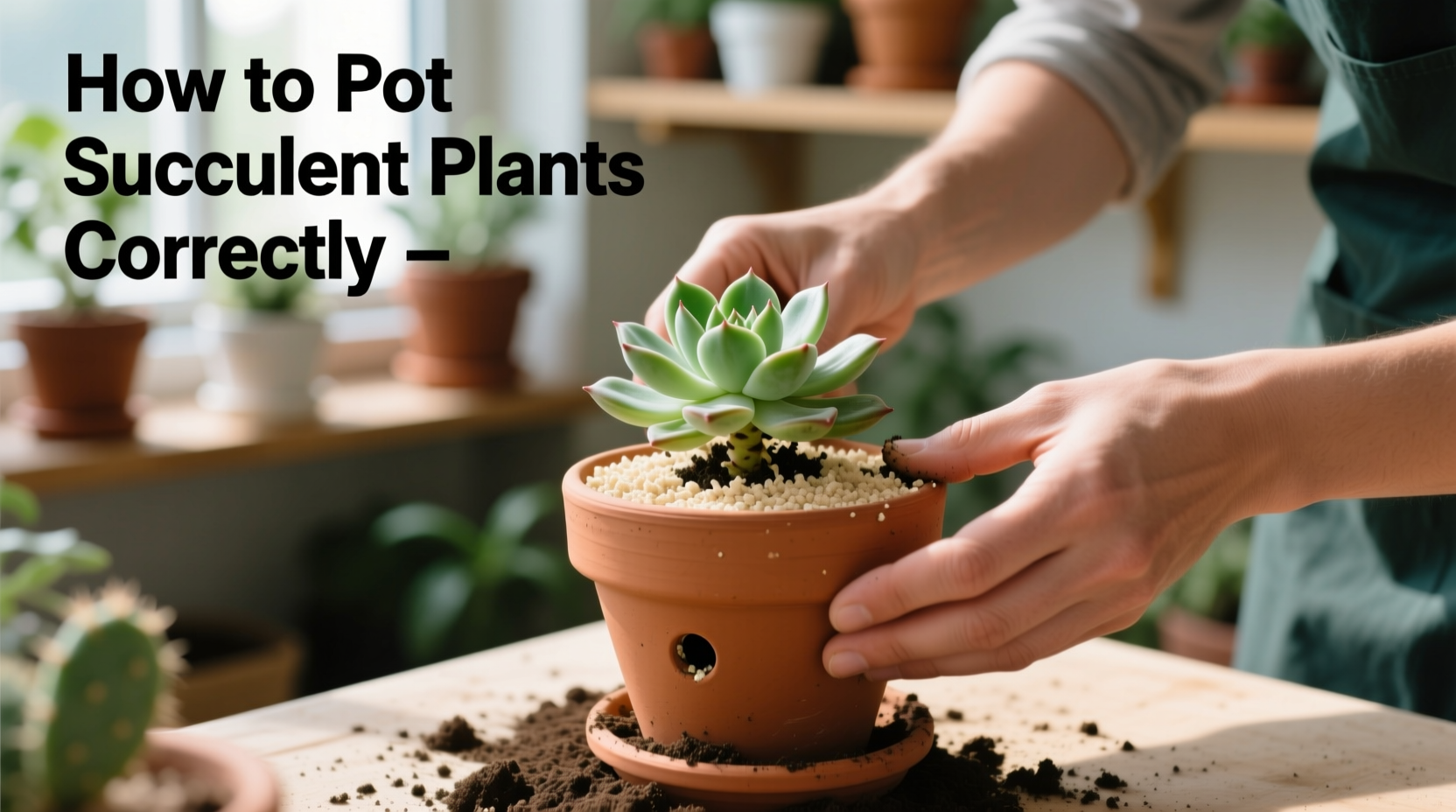
Drainage holes stop water from pooling at the bottom. Excess water can cause root rot and kill plants. Make sure your container has enough drainage holes. If not, drill some before planting. Use a layer of small stones or broken pottery at the bottom to improve drainage. Always place pots on a surface that allows water to escape freely.

Credit: www.youtube.com
Selecting The Best Soil
Selecting the best soil is key to healthy container plants. The right soil holds moisture without drowning roots. It also lets air reach the roots. Choosing soil carefully helps plants absorb water well. Soil quality affects how often you need to water. Poor soil can cause water to sit or drain too fast. This section explains which soil types work best and how to improve soil for containers.
Potting Mix Vs Garden Soil
Potting mix is made for containers. It is light and drains well. It often contains peat, bark, and perlite. Garden soil is heavier and may compact in pots. It can block air and water flow. Garden soil holds too much water and risks root rot. Use potting mix for container plants. It keeps roots healthy and moist. Avoid garden soil unless it is specially prepared for pots.
Improving Soil Drainage And Aeration
Good drainage stops water from pooling around roots. Aeration lets oxygen reach roots and prevents soil compaction. Add materials like perlite or coarse sand to potting mix. These create air pockets and improve water flow. Avoid using dense materials like clay in containers. Mix in organic matter such as compost to hold nutrients. Check soil regularly to ensure it drains well and feels loose. Proper soil helps plants grow strong and resist disease.
Watering Techniques
Watering techniques greatly affect the health of container plants. Proper watering helps plants absorb nutrients and stay strong. It is important to understand how to water correctly to avoid common problems like root rot or dryness.
Different methods suit different plants and containers. Using the right technique ensures the soil stays moist without being too wet. This section explains popular watering methods and how to achieve even moisture.
Top Watering Vs Bottom Watering
Top watering means pouring water directly on the soil surface. It is simple and quick. This method flushes salts and minerals from the soil. It also wets the leaves if done carelessly, which may cause disease.
Bottom watering involves placing the container in a tray of water. The soil absorbs water through drainage holes. This method encourages roots to grow downward. It reduces leaf wetness and promotes strong root systems. However, it takes longer to water and may require frequent checks.
Ensuring Even Moisture Distribution
Container soil dries unevenly, causing some roots to dry out. Water must reach all parts of the root zone. Water slowly and deeply to allow soil to soak evenly. Avoid shallow watering that only wets the top layer.
Check moisture by feeling the soil or using a moisture meter. Adjust watering frequency based on plant needs and weather. Proper drainage also prevents waterlogging and keeps roots healthy.
Watering Frequency Tips
Watering container plants requires attention to how often you water. The right frequency keeps plants healthy and thriving. Overwatering or underwatering can harm roots and stunt growth. Understanding when to water improves plant care and saves water.
Checking Soil Moisture
Check soil moisture before watering. Stick your finger about an inch into the soil. If it feels dry, the plant needs water. If it is still moist, wait a day or two. Avoid watering on a fixed schedule alone. Soil moisture is the best guide.
Adjusting For Plant Type And Climate
Different plants need different amounts of water. Succulents and cacti require less frequent watering. Tropical plants often need more water to stay healthy. Climate affects watering needs too. Hot, dry weather dries soil faster. Cool, humid conditions slow moisture loss. Adjust watering based on your plant’s needs and local weather.
Avoiding Common Watering Mistakes
Watering container plants seems simple but often goes wrong. Many gardeners water too much or too little. Both harm plants and slow growth. Learning to avoid common watering mistakes helps plants stay healthy. It saves water and time too. Focus on correct watering habits for best results.
Overwatering Risks
Overwatering is the most common mistake with container plants. Too much water fills the pot’s drainage holes. Roots stay wet and can rot easily. Root rot kills plants quickly. Overwatering also washes away nutrients. Plants then get weak and yellow leaves appear. Soil that stays soggy attracts pests and fungus. Water only when the top inch of soil feels dry. Use pots with drainage holes to prevent water build-up.
Signs Of Underwatering
Underwatering is another common problem. Plants need enough water for roots to absorb nutrients. Dry soil stops root growth and shrinks leaves. Leaves turn brown and curl at the edges. Flowers may drop early and new growth slows down. Soil pulls away from pot edges when too dry. Check soil moisture often and water deeply. A thirsty plant will perk up after watering. Avoid letting soil dry out completely.
Feeding And Fertilizing Container Plants
Feeding and fertilizing container plants is essential for their growth and health. Containers limit the soil space and nutrients available to plants. Regular feeding replaces nutrients that watering washes away. Proper fertilizing helps plants grow strong leaves, flowers, and fruits. It also improves resistance to diseases and pests.
Nutrient Needs In Containers
Container plants need balanced nutrients to thrive. Nitrogen helps leaves grow green and lush. Phosphorus supports root and flower development. Potassium strengthens stems and disease resistance. Containers lose nutrients quickly because water drains freely. Use a quality potting mix with slow-release fertilizer. This provides steady nutrition over time. Supplemental feeding with liquid fertilizer boosts growth during the season.
Safe Fertilizing Practices
Follow fertilizer package instructions carefully to avoid overfeeding. Too much fertilizer can burn roots and harm plants. Water plants before fertilizing to prevent root damage. Use diluted liquid fertilizer every two weeks for best results. Choose fertilizers designed for container plants or houseplants. Avoid fertilizers high in salts or chemicals. Flush containers occasionally with plain water to remove excess salts. Monitor plants for signs of nutrient deficiency or excess.
Managing Plant Placement
Managing plant placement plays a key role in watering container plants correctly. Proper placement ensures plants get the right amount of water and sunlight. It also helps avoid problems like overcrowding and poor growth.
Consider each plant’s needs before arranging them. Good placement supports healthy roots and efficient water absorption. It also reduces water waste and keeps plants thriving.
Sunlight Requirements
Place plants according to their sunlight needs. Some plants thrive in full sun, while others prefer shade or partial light. Monitor how much sun each spot receives during the day.
Sunlight affects how quickly soil dries out. Plants in full sun often need more frequent watering. Those in shade require less water. Adjust watering schedules based on light exposure.
Preventing Overcrowding
Avoid placing too many plants in one container or close together. Overcrowding limits airflow and traps moisture, causing root rot and fungal issues. It also makes watering uneven.
Give each plant enough space to grow. This allows water to reach all roots effectively. Proper spacing reduces competition for water and nutrients. It keeps plants healthier and easier to water.
Seasonal Watering Adjustments
Seasonal watering adjustments are key to keeping container plants healthy year-round. Plants need different amounts of water in hot and cold seasons. Changing how you water helps avoid root rot or drying out. Watch the weather and adjust your watering schedule.
Handling Hot And Dry Periods
Hot weather makes soil dry faster. Water your plants more often during these times. Early morning watering reduces evaporation loss. Use enough water to soak the soil well. Check if water drains from the pot’s bottom. Mulching the soil surface helps keep moisture longer. Avoid watering in the midday sun to prevent leaf burn.
Watering During Cooler Months
Cooler months slow down plant growth. Plants need less water during this time. Water less frequently but deeply when you do. Check the soil moisture before watering. Avoid overwatering to prevent root diseases. Move containers to spots with more sunlight if possible. Reduce watering further if plants go dormant in winter.
Vacation Watering Solutions
Leaving container plants unattended during vacation can stress them. Lack of water causes drooping leaves and weak growth. Vacation watering solutions keep your plants healthy while you are away. Planning ahead helps maintain moisture and prevents dry soil. Simple methods ensure plants receive water without daily care.
Self-watering Systems
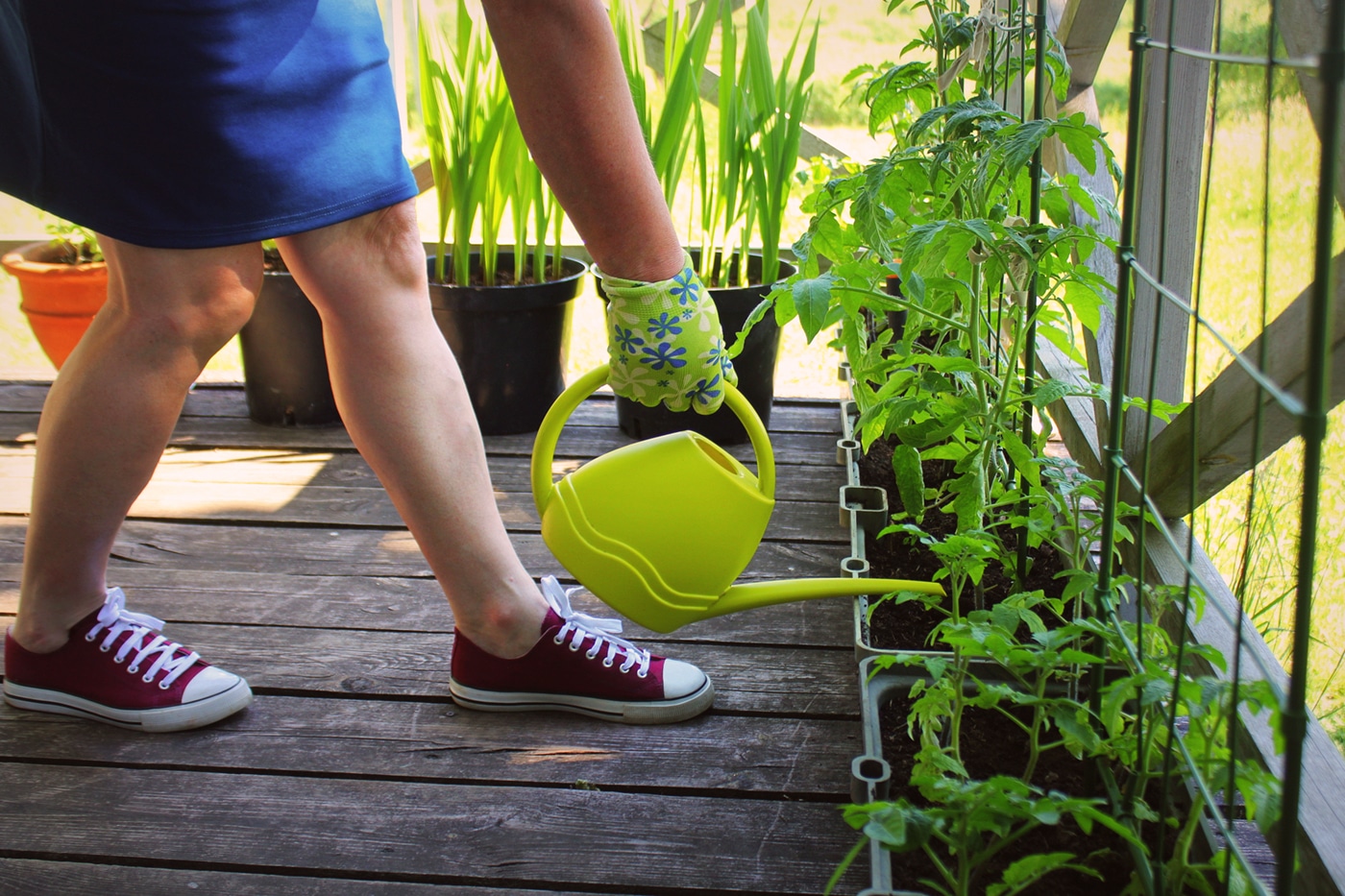
Self-watering systems supply water steadily without effort. These systems include water reservoirs under pots or wicks that draw water up. They keep soil moist for several days or weeks. A drip irrigation system with a timer can also work well. Such setups reduce risks of overwatering and underwatering. They suit busy gardeners and short trips perfectly.
Asking For Help
Requesting help from friends or neighbors is a reliable option. Show them how much water each plant needs and when to water. Provide clear instructions for different plant types. Leave extra water and tools ready for easy access. This method adds personal care and attention to your plants. It also builds community and trust for future assistance.
Refreshing Container Soil
Refreshing container soil is vital for healthy plant growth. Over time, soil loses nutrients and drains poorly. This makes plants thirsty and weak. Regular soil refreshment helps keep roots strong and happy.
Good soil improves water retention and nutrient supply. It also prevents pests and diseases from harming your plants. Refreshing soil keeps your container plants thriving season after season.
When To Replace Soil
Replace soil every one to two years. Old soil becomes compacted and loses nutrients. Signs include slow drainage and wilting plants. If soil smells bad or crusts on top, it needs changing. Swap soil before planting new crops for best results.
Maintaining Soil Health
Mix organic compost into soil to boost nutrients. Avoid using garden dirt, as it may carry pests. Use quality potting mix designed for containers. Water soil evenly to keep it moist but not soggy. Avoid letting soil dry out completely or stay waterlogged.
Lightly loosen soil surface to improve air flow. Add mulch to reduce moisture loss and weed growth. Fertilize container plants regularly to replace lost nutrients. Healthy soil leads to healthy plants with vibrant blooms and strong roots.
Credit: westlakehardware.com
Frequently Asked Questions
What Is The Best Way To Water Plants In Pots?
Water potted plants deeply until water drains from the bottom. Check soil moisture regularly and avoid overwatering. Ensure proper drainage to prevent root rot.
What Are Common Mistakes In Container Gardening?
Common container gardening mistakes include using garden soil instead of potting mix, poor drainage, over or underwatering, wrong container size, ignoring sunlight needs, insufficient fertilization, and overcrowding incompatible plants.
What Should You Put In The Bottom Of A Planter Box?
Place a layer of gravel or small stones at the bottom of a planter box for proper drainage. Add landscape fabric to prevent soil loss. This setup avoids waterlogging and promotes healthy root growth.
What Are Some Common Plant Waterer Mistakes?
Common plant waterer mistakes include overwatering, underwatering, using garden soil instead of potting mix, poor drainage, and ignoring sunlight needs.
Conclusion
Proper watering keeps container plants healthy and thriving. Water deeply until it drains from the pot’s bottom. Check soil moisture often to avoid overwatering or drought. Use the right potting mix and containers with drainage holes. Each plant’s needs differ, so adjust watering accordingly.
Consistent care helps your plants grow strong and beautiful. Keep these simple tips in mind for success. Your container garden will reward you with vibrant blooms and lush leaves. Enjoy watching your plants flourish with proper watering habits.