
Imagine stepping into your own backyard and being greeted by the gentle flutter of colorful butterflies dancing from flower to flower. You can make this enchanting scene a reality by planting a butterfly garden that not only looks beautiful but supports these delicate creatures through every stage of their life.
But how do you start? What plants do you need? And what common mistakes should you avoid to keep your garden buzzing with life? In this guide, you’ll discover simple, practical tips to create a thriving butterfly habitat right where you are.
Ready to attract more butterflies and enjoy the wonders of nature up close? Let’s dive in and make your garden a butterfly paradise!
Choosing The Right Location
Choosing the right location is the first step to a successful butterfly garden. Butterflies need a place that supports their life cycle and keeps them safe. The location affects how well plants grow and how often butterflies visit. Picking a spot with the right conditions helps your garden thrive and attract many butterflies.
Sunlight And Shelter
Butterflies love warmth and sunlight. Choose a spot that gets at least six hours of direct sun daily. Morning sun is best because it warms butterflies early. Avoid areas with strong winds. Shelter from wind helps butterflies rest and feed without disturbance. Trees or shrubs nearby can provide good windbreaks and safe spots.
Soil Preparation
Healthy soil makes plants grow strong. Test the soil to know its type and nutrients. Add compost or organic matter to improve soil quality. Good soil holds water but drains well to avoid roots rotting. Preparing the soil well helps your plants bloom and provide nectar and food for butterflies.
Avoiding Pesticide Exposure
Butterflies are very sensitive to chemicals. Never use pesticides or herbicides near your garden. These chemicals harm butterflies and caterpillars. Choose natural pest control methods instead. Keeping the area chemical-free creates a safe and healthy environment. This encourages more butterflies to visit and stay longer.

Credit: monarchbutterflygarden.net
Selecting Plants For Butterflies
Choosing the right plants is key to a successful butterfly garden. Plants attract butterflies and support their life cycle. Both adult butterflies and caterpillars need different types of plants. Selecting a mix of nectar and host plants ensures a healthy butterfly habitat. Native plants often work best. They fit local butterflies’ needs and thrive with less care.
Nectar Plants For Adult Butterflies
Nectar plants provide food for adult butterflies. Look for flowers with bright colors like red, yellow, and purple. Plants such as coneflowers, lantanas, and butterfly bush offer rich nectar. Plant flowers that bloom at different times to supply nectar all season. Group flowers close together for easy butterfly access. Avoid double-flowered varieties, as they often lack nectar.
Host Plants For Caterpillars
Host plants are where butterflies lay eggs. Caterpillars feed on these plants after hatching. Each butterfly species prefers specific host plants. For example, monarch caterpillars eat milkweed leaves. Swallowtail caterpillars like parsley and fennel. Plant plenty of host plants to support caterpillar growth. Avoid pesticides to keep caterpillars safe.
Native Vs Non-native Species
Native plants support local butterfly species best. They provide familiar food and shelter. Non-native plants may not offer the right nutrients. Some non-natives can become invasive and harm ecosystems. Native plants usually need less water and care. Choose plants native to your region for a balanced garden. This helps butterflies thrive and keeps your garden healthy.
Planting Tips And Timing
Planting a butterfly garden requires careful planning and timing. The right planting schedule helps flowers bloom when butterflies are most active. Proper spacing and soil care improve plant health and butterfly visits. Follow these tips to create a garden full of life and color.
Best Seasons To Plant
Spring and early fall are ideal planting times. Soil is warm enough for roots to grow well. Planting during these seasons helps flowers establish before extreme weather arrives. Avoid planting in hot summer months to reduce plant stress. Early planting encourages strong growth and attracts butterflies early.
Spacing And Arrangement
Space plants according to their mature size to avoid crowding. Proper spacing allows air circulation, reducing disease risk. Group similar plants together to create larger patches of color. Butterflies prefer clusters of flowers for easy feeding. Mix host plants with nectar flowers for butterfly life cycle support.
Watering And Mulching
Water plants deeply but less often to promote strong roots. Avoid overwatering, which can cause root rot and attract pests. Mulch around plants to keep soil moist and cool. Mulching also controls weeds and adds nutrients as it breaks down. Use organic mulch like bark or straw for best results.
Creating A Butterfly-friendly Habitat
Creating a butterfly-friendly habitat is key to attracting and supporting these beautiful insects. Butterflies need more than just flowers to thrive. They require specific places to drink, rest, and shelter. A well-planned garden provides all these elements. This helps butterflies stay healthy and visit your garden often.
Think about the needs of butterflies throughout their life cycle. From caterpillar to adult, they rely on different resources. You can create spots that meet these needs. This encourages butterflies to stay longer and multiply in your garden.
Providing Mud Puddling Spots
Butterflies need minerals and salts to stay healthy. They get these from wet soil or mud. Create shallow puddles or damp areas in your garden. Use a mix of sand, soil, and water to keep the spot moist. Place the puddle in a sunny area. Butterflies will gather here to drink and absorb nutrients.
Adding Flat Stones For Sunbathing
Butterflies warm their bodies by basking in the sun. Flat stones absorb heat and provide a warm resting spot. Arrange several stones in sunny areas of your garden. Choose stones that are low and easy to land on. Butterflies will use them to raise their body temperature. This helps with flight and energy.
Maintaining Shelter And Overwintering Sites
Butterflies need shelter from wind, rain, and predators. Provide thick shrubs, tall grasses, and leaf piles. These offer safe places to rest and hide. Some butterflies spend winter as chrysalises or adults in protected spots. Leave some dead leaves and stems during fall. This gives them safe sites to overwinter and survive cold months.
Avoiding Common Mistakes
Creating a butterfly garden is rewarding but can be tricky. Many gardeners make simple mistakes that harm butterflies instead of helping them. Avoid these errors to build a healthy, vibrant garden that supports butterflies at every stage of life.
Skipping Host Plants
Butterflies need more than just flowers for nectar. Host plants are essential for caterpillars to eat and grow. Without them, butterflies cannot complete their life cycle. Plant milkweed for monarchs or parsley for swallowtails. Including host plants ensures butterflies will visit and stay.
Using Pesticides And Herbicides
Pesticides kill not only pests but also butterflies and caterpillars. Herbicides remove plants butterflies use for food and shelter. Avoid all chemicals in your butterfly garden. Choose natural pest control methods instead. This keeps the garden safe for all butterfly stages.
Over-cleaning The Garden
Cleaning too much in fall or spring can destroy butterfly homes. Dead stems and leaf litter protect chrysalises during winter. Leave some garden debris until new growth starts. This simple step helps butterflies survive cold months and return in spring.
Planting Too Few Species
A few plants will not attract many butterflies. Diversity is key. Plant many types of nectar and host plants. Different species attract different butterflies. More plant variety means more butterfly visits and a lively garden all season.

Credit: www.joyfulbutterfly.com
Maintaining Your Butterfly Garden
Maintaining your butterfly garden keeps it healthy and inviting for butterflies year-round. Regular care supports plants and protects butterfly habitats. Simple actions help your garden flourish through all seasons. This section covers key tips for ongoing garden care.
Seasonal Cleanup Strategies
Clean your garden carefully to protect butterfly life stages. Leave some dead stems and leaves during fall and winter. These provide shelter for chrysalises and eggs. Remove debris slowly in early spring to avoid disturbing larvae. Avoid heavy pruning or removing all plant material at once. This gentle cleanup supports butterfly survival through cold months.
Encouraging Continuous Bloom
Plant a mix of flowers that bloom at different times. This keeps nectar available from spring to fall. Choose native plants suited to your local climate. Deadhead spent flowers to promote new blooms. Water regularly, especially during dry spells. Healthy blooming plants attract more butterflies and provide steady food sources.
Monitoring And Supporting Butterfly Life Cycle
Watch for eggs, caterpillars, and chrysalises on your plants. Avoid using pesticides or herbicides that harm butterflies. Provide host plants for caterpillars to feed and grow. Offer shallow water sources or mud puddles for butterfly hydration. Regular monitoring helps you notice any problems early. Supporting every life stage ensures a thriving butterfly population.
Enhancing Biodiversity
Enhancing biodiversity in your butterfly garden creates a healthy, balanced ecosystem. Diverse plants attract various butterfly species and other wildlife. This variety also improves garden resilience to pests and weather changes. Supporting many life forms helps nature thrive right in your backyard.
Incorporating Diverse Plant Varieties
Choose a mix of native flowers and plants. Native plants match the local climate and soil. They provide the best nectar and host options for butterflies. Include plants that bloom at different times for constant food supply. Add tall, medium, and low-growing plants for shelter and sun spots.
Balancing Reliable And Experimental Plants
Plant species known to attract butterflies with some new or unusual ones. Reliable plants ensure steady visits from butterflies. Experimental plants may bring in new species or provide extra food. Watch how butterflies respond and adjust your choices yearly. This balance keeps the garden lively and interesting.
Supporting Other Pollinators
Butterflies share the garden with bees, hummingbirds, and other pollinators. Plant flowers that serve all these creatures. Diverse pollinators improve plant fertilization and fruit production. Avoid pesticides to protect these important helpers. Provide water sources and safe resting places for them.
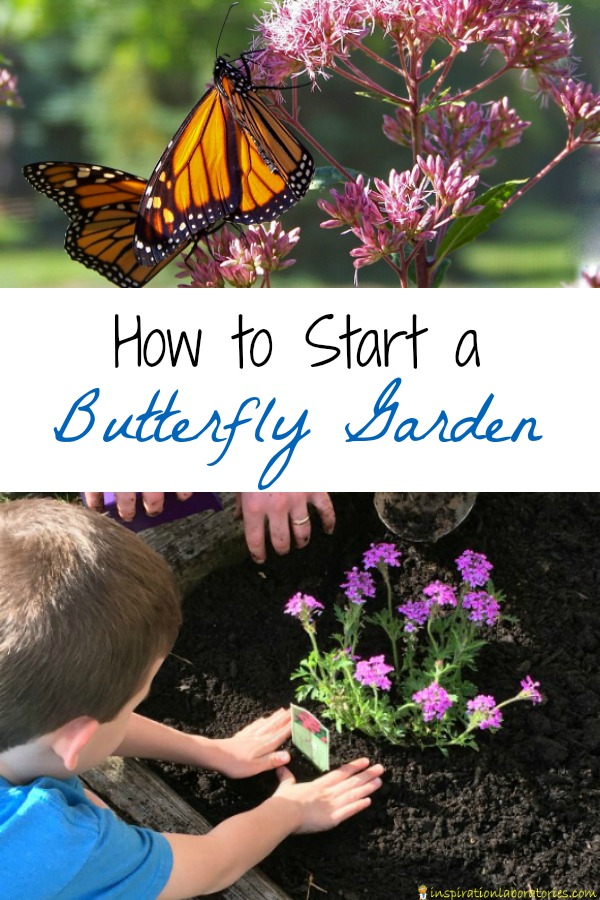
Credit: inspirationlaboratories.com
Frequently Asked Questions
What Are Common Butterfly Garden Mistakes?
Common butterfly garden mistakes include using pesticides, planting only nectar flowers, neglecting host plants, over-cleaning, too much shade, and planting too few plants.
What Time Of Year Do You Plant A Butterfly Garden?
Plant a butterfly garden in early spring or fall for best growth. Choose native plants to support local butterflies.
What Is The 70/30 Rule In Gardening?
The 70/30 rule in gardening means planting 70% edible plants and 30% decorative plants for a balanced, productive garden.
Can I Release Butterflies In October?
Releasing butterflies in October depends on your local climate. Cooler temperatures may reduce their survival. Check regional conditions first.
Conclusion
Creating a butterfly garden brings beauty and life to your space. Plant a mix of nectar and host plants for all butterfly stages. Avoid using pesticides to keep butterflies safe and healthy. Let some leaves and stems stay to protect pupae during winter.
Provide sunny spots and fresh water for butterflies to rest and drink. With patience and care, your garden will attract many colorful visitors. Enjoy watching butterflies flutter and thrive right in your own yard.