
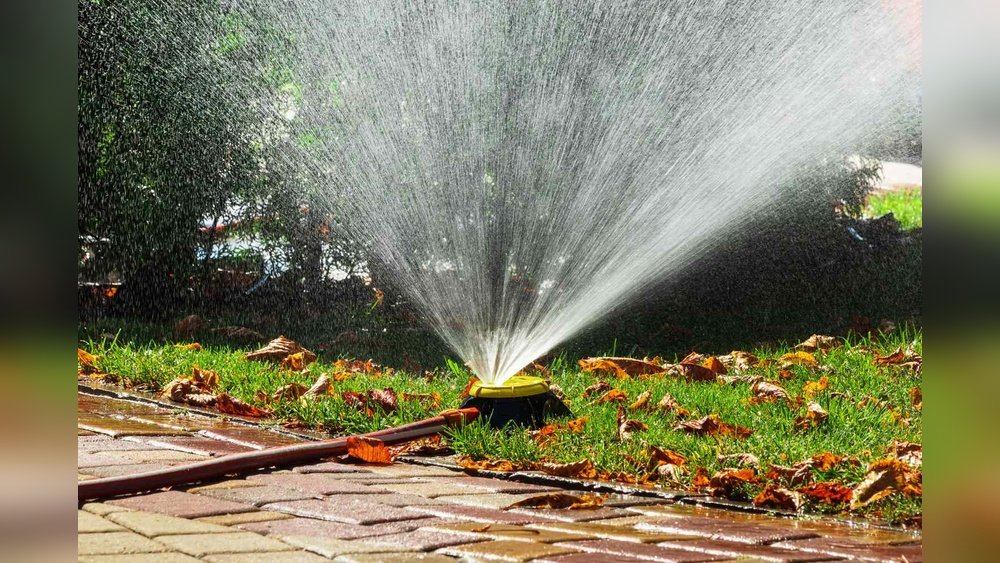
You’ve cared for your lawn all summer, keeping it green and healthy with regular watering. But now that fall is here, you might be wondering—when is the right time to stop watering your lawn?
Watering too long can waste water and harm your grass, while stopping too soon could leave it dry and vulnerable to cold weather. If you want to know exactly when and how to adjust your watering routine this fall, keep reading.
This simple change can make a big difference in your lawn’s health and save you money on your water bill. Let’s dive into the best timing for your fall lawn watering!
Fall Lawn Watering Basics
As the weather cools down in fall, lawn watering routines need adjustment. Proper watering during this season helps your grass survive the colder months. Understanding the basics of fall lawn watering supports a healthy yard year-round.
Why Fall Watering Matters
Watering in fall keeps grass roots strong and deep. Cooler temperatures slow evaporation, so lawns need less water. Proper hydration helps lawns recover from summer heat stress. It also prepares grass for winter dormancy. Without enough water, lawns can dry out and weaken.
Effects Of Reduced Watering
Cutting back watering too soon can harm your lawn. Grass may turn brown and die in patches. Shallow roots form without enough moisture, making lawns less drought resistant. Lawns become more vulnerable to pests and diseases. Gradual reduction in watering is best to keep grass healthy.
Credit: www.grassworksaustin.com
Signs To Stop Watering
Knowing the right time to stop watering your lawn in fall helps protect the grass and saves water. Watch for clear signs in nature and your lawn’s condition. These signals tell you when the grass no longer needs regular watering. Stopping too early or too late can harm your lawn’s health. Below are key signs to guide your watering schedule.
First Frost Indicators
Frost marks the start of colder weather. When you see frost on your grass early in the morning, it means the ground is cooling. Watering after frost can freeze the soil and damage roots. This is a clear sign to stop watering. Watch local weather forecasts for frost warnings. These help you prepare to pause your irrigation.
Soil Moisture Levels
Check soil moisture by feeling the ground. If the soil feels damp two to three inches deep, watering is not needed. Dry soil below the surface means water is still necessary. Use a soil probe or simply dig a small hole to test moisture. Proper soil moisture prevents overwatering and keeps roots healthy. Adjust watering based on these moisture checks.
Grass Dormancy Signals
Dormancy means grass growth slows or stops. Grass blades may turn brown or yellow in fall. This color change shows the grass is resting for winter. Dormant grass needs less water than growing grass. When you notice these changes, reduce watering frequency. Stopping watering fully is best when dormancy is complete. This helps the lawn survive winter safely.
Regional Watering Tips
Watering your lawn in fall requires attention to your region’s climate. Different areas need different watering schedules. This helps the lawn stay healthy without wasting water. Adjusting watering habits by region ensures your grass gets just the right care before winter.
Watering In Cold Climates
In cold climates, stop watering when the ground starts to freeze. Grass growth slows down as temperatures drop. Overwatering can cause root damage during freezing. Water the lawn less as fall progresses. Usually, stop watering by late October or early November.
Watering In Warm Climates
Warm climates need watering later into the fall. Grass stays active longer in mild temperatures. Continue watering until grass stops growing. This can be as late as early December. Reduce watering frequency but keep the soil moist.
Adjusting For Rainfall
Rainfall affects how much you need to water. Track weekly rain amounts to avoid overwatering. If rain is frequent, cut back on watering sessions. In dry weeks, increase watering slightly to keep grass healthy. Use a rain gauge or weather app for accuracy.
Watering Frequency And Timing
Adjusting your lawn’s watering frequency and timing in fall helps grass prepare for winter. As temperatures drop, grass needs less water to stay healthy. Proper watering prevents stress and supports root growth before dormancy. Follow simple steps to water smartly during this transition.
Reducing Watering Gradually
Start cutting back watering in early fall. Water less often but keep deep watering sessions. This encourages roots to grow deeper. Avoid stopping watering suddenly. Gradual reduction helps grass adjust and stay strong. Monitor soil moisture to decide watering needs.
Best Time Of Day To Water
Water your lawn early in the morning. Morning watering reduces evaporation and lets grass dry faster. Wet grass overnight can cause disease. Avoid watering in the heat of the day. Late afternoon watering is less ideal but better than evening watering.
Avoiding Overwatering
Too much water causes root rot and weak grass. Check soil moisture before watering again. Use a rain gauge or moisture meter for accuracy. Water only when the soil feels dry two inches deep. Overwatering wastes water and harms your lawn’s health.
Protecting Lawn Equipment
Protecting lawn equipment is essential as fall ends and winter approaches. Proper care prevents damage from cold weather. It also extends the life of your tools. Taking time to prepare equipment saves money on repairs and replacements. Follow these simple steps to keep your lawn tools safe and ready for spring.
Draining Hoses And Sprinklers
Remove all water from hoses before storing them. Water left inside can freeze and cause cracks. Coil hoses loosely to avoid kinks and damage. Sprinklers should also be emptied. Disconnect sprinkler heads and let water drain out. Store all parts in a dry, sheltered place. This prevents freezing and keeps them in good shape.
Winterizing Irrigation Systems
Turn off the main water supply to the irrigation system. Use an air compressor to blow out water from pipes. This step removes moisture that can freeze and break pipes. Check valves and timers for any needed repairs. Cover control boxes to protect from moisture and cold. Proper winterizing keeps your irrigation system working well next year.

Credit: www.youtube.com
Benefits Of Proper Fall Watering
Proper watering in the fall helps your lawn prepare for winter. It supports the grass during cooler months. Watering at the right time keeps the lawn healthy and strong. This care affects the lawn’s health all year long. Below are key benefits of watering your lawn correctly in fall.
Stronger Root Development
Watering in fall encourages deeper roots. Grass grows roots to find water as surface moisture drops. Deep roots help the lawn survive dry, cold weather. This makes the grass more resilient to stress. Strong roots also improve the lawn’s ability to absorb nutrients.
Improved Spring Growth
Well-watered lawns in fall wake up faster in spring. The roots are ready to take in water and nutrients. This leads to greener, thicker grass early in the season. Healthy lawns recover quickly from winter damage. Proper fall watering sets the stage for a lush spring lawn.
Disease Prevention
Watering at the right time reduces lawn diseases. Overwatering can cause fungus and mold to grow. Proper watering keeps grass blades dry during cold nights. This lowers the risk of disease spreading. A healthy lawn fights off pests and infections better.
:max_bytes(150000):strip_icc()/GettyImages-1467312696-fed71b8a8a974b90beb7e2fa3cb143e9.jpg)
Credit: www.thespruce.com
Frequently Asked Questions
Should I Still Water My Grass In October?
Continue watering your grass in October if rainfall is scarce. Stop once temperatures consistently drop below freezing.
What Month Should I Stop Watering My Lawn?
Stop watering your lawn by late November or when the first frost arrives. In warmer areas, continue watering into early December. Avoid watering once the ground freezes to protect roots and prevent damage. Adjust timing based on local climate and precipitation.
Is 10 Minutes Of Sprinkler Enough?
Ten minutes of sprinkler watering may be enough for small lawns or light watering. Larger lawns usually need more time for deep hydration. Adjust duration based on soil type, sprinkler flow, and weather conditions to ensure proper lawn health and avoid water waste.
Should I Still Water My Lawn In November?
Water your lawn in November until the third week or before the first frost. Stop watering earlier in frost-prone areas and continue longer in warm climates.
Conclusion
Stopping lawn watering in fall depends on your local weather and grass type. Watch for frost warnings and cooler temperatures. Stop watering when the ground stays moist naturally. Overwatering in cold weather can harm your lawn roots. Check soil moisture regularly to decide when to stop.
This helps your lawn rest well for winter. A healthy lawn in fall means a strong spring comeback. Adjust watering habits as seasons change for best results. Keep your lawn’s needs in mind to save water and effort. Simple steps lead to a green, healthy lawn year after year.