
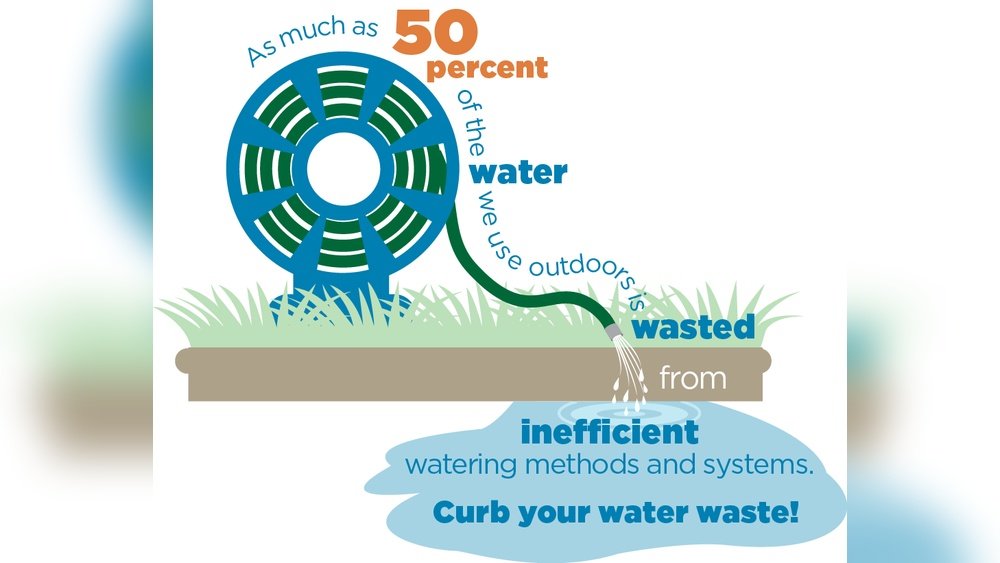
Is your lawn looking thirsty but you’re worried about wasting water? You’re not alone.
Saving water while keeping your grass green is easier than you think. By making a few smart changes to how and when you water, you can protect your lawn and cut down your water bill at the same time. Imagine having a lush yard that uses less water—sounds like a win-win, right? With these expert tips, you can learn how to save water lawn care and still maintain a beautiful yard.
You’ll discover simple, effective tips to water your lawn wisely, avoid common mistakes, and keep your grass healthy even during dry spells. Ready to learn how to save water and still have the best lawn on the block? Let’s dive in!
Watering Timing
Watering timing plays a crucial role in saving water while keeping your lawn healthy. Choosing the right time to water helps reduce evaporation and runoff. It also allows the grass to absorb water efficiently. Adjusting watering habits by season and knowing when to stop watering can prevent waste and promote a greener lawn.
Best Time Of Day
Water early in the morning, between 4 a.m. and 9 a.m. The cooler temperatures reduce evaporation. Watering before sunrise lets grass soak in moisture before heat hits. Avoid watering in the middle of the day when the sun is strongest. Evening watering can cause moisture to sit too long, inviting fungus and disease.
Seasonal Adjustments
Water less in cooler months and more during hot, dry seasons. Grass grows slower in fall and winter, needing less water. Summer heat makes the lawn lose water faster, so increase watering frequency. Watch local weather to avoid watering before or after rain. Adjust watering times and amounts to match seasonal needs.
When To Stop Watering
Stop watering once the lawn enters dormancy in late fall or winter. Grass needs less water as it rests and prepares for cold months. Overwatering during dormancy wastes water and harms the lawn. Check soil moisture to decide if watering is necessary. If the ground freezes, stop watering until it thaws in spring.
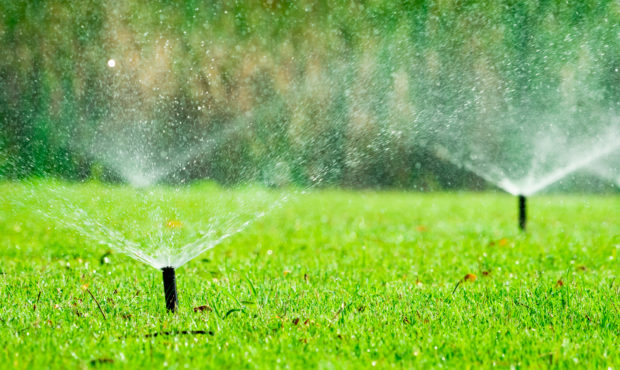
Credit: kslnewsradio.com
Efficient Watering Techniques
Watering a lawn efficiently helps save water and keeps grass healthy. Using smart watering techniques lets the soil absorb water better. This reduces water waste and prevents runoff. Learning how to water correctly also encourages strong root growth. These methods work well in all lawn types and climates.
Cycle And Soak Method
This method divides watering into short cycles with breaks in between. The breaks let water soak deep into the soil. It stops water from running off the surface. For example, water for 5 minutes, pause for 15, then water again. This method is great for slopes and compacted soil. It helps roots grow deeper and makes the lawn more drought-resistant.
Deep Vs. Frequent Watering
Deep watering means applying more water less often. Frequent watering means shorter watering sessions many times a week. Deep watering helps roots grow deep into the soil. It makes the lawn stronger during dry times. Frequent watering keeps the surface wet but roots stay shallow. This can cause weak grass and more water use. Choose deep watering to save water and improve lawn health.
Watering On Slopes
Watering slopes needs extra care to avoid runoff. Water moves downhill quickly on slopes, wasting water. Use the cycle and soak method to reduce runoff on slopes. Water in short sessions with breaks to let water sink in. Avoid watering all at once. Water slower and more often on slopes to keep water in the soil. This helps grass roots grow well and saves water.
Smart Irrigation Technologies
Smart irrigation technologies help save water by making lawn watering more precise. They reduce waste by targeting water needs accurately. Using these tools means healthier grass with less water.
Soil Moisture Sensors
Soil moisture sensors check how wet the soil is. They stop watering if the soil already has enough moisture. This prevents overwatering and helps save water lawn care.