
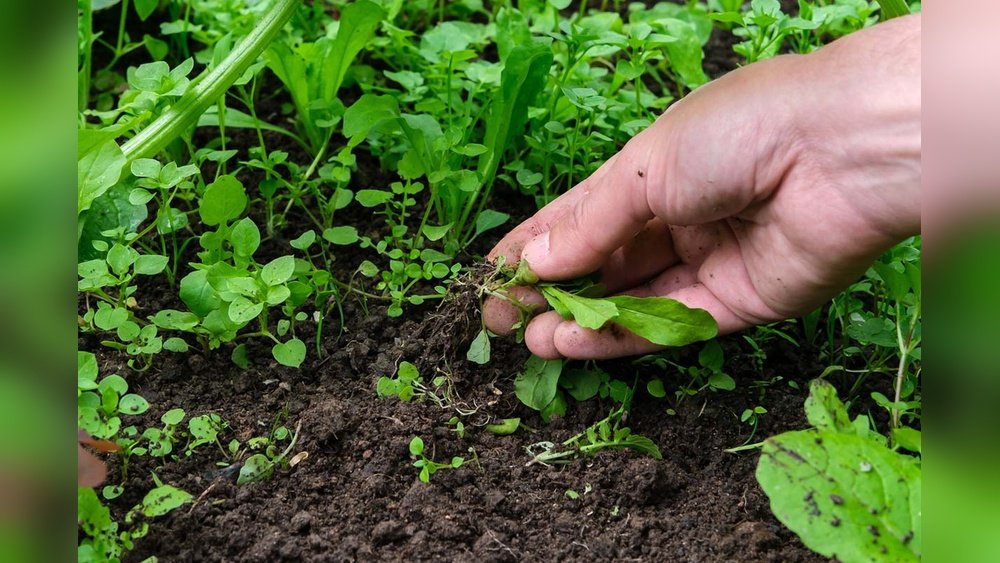
Is chickweed taking over your flower beds and stealing the spotlight from your beautiful blooms? You’re not alone.
This fast-growing weed can quickly spread, making your garden look messy and crowded. But don’t worry—controlling chickweed doesn’t have to be a frustrating battle. You’ll discover simple and effective ways to keep chickweed in check, so your flower beds stay healthy and vibrant all season long.
Ready to reclaim your garden and enjoy your flowers without the hassle of weeds? Let’s dive in and find the best solutions tailored just for you.
Chickweed Basics
Chickweed is a common weed in many gardens and flower beds. It grows quickly and spreads easily. This fast-growing plant can take over your flower beds if not controlled. Understanding chickweed helps you stop it early. Let’s explore how to identify chickweed and why it invades your garden.
Identifying Chickweed
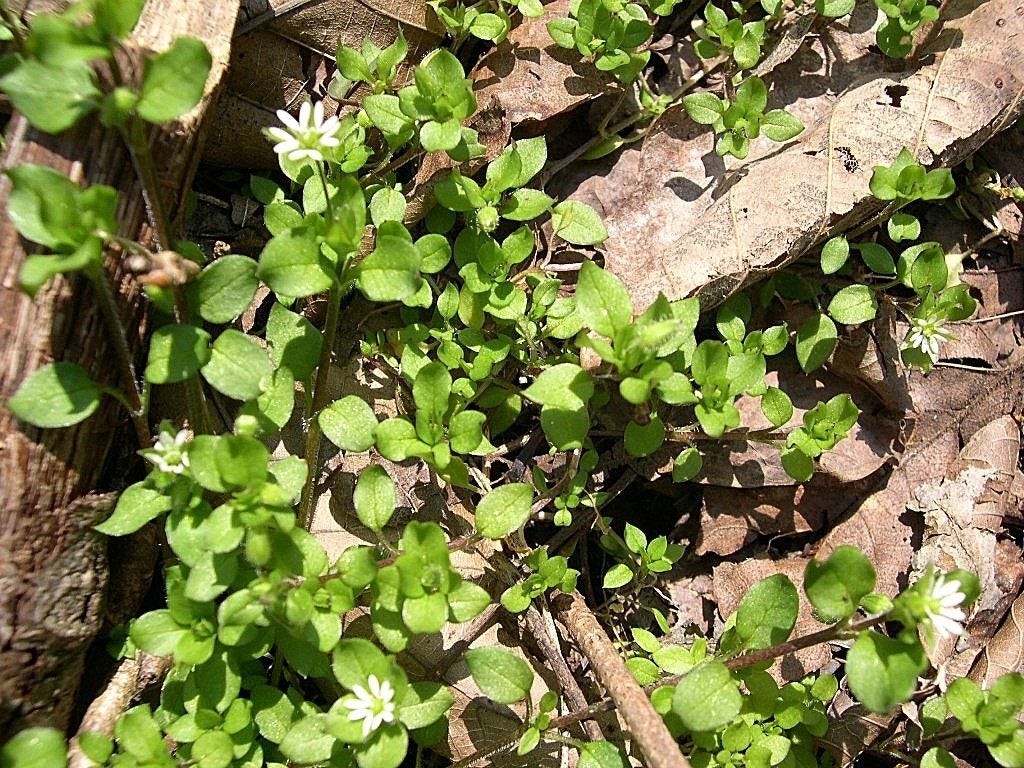
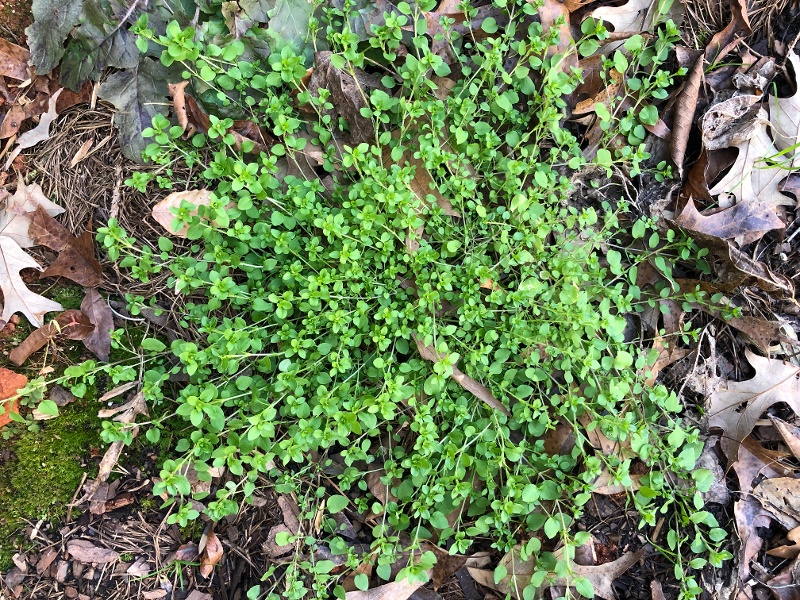
Chickweed has small, oval leaves that grow in pairs. Its leaves are bright green and soft to touch. The plant grows low and spreads across the soil. Tiny white flowers with five petals often bloom on chickweed. The petals look like they have two parts each. This plant forms dense mats that block sunlight from other plants. Recognizing these features helps you spot chickweed quickly.
Why Chickweed Invades Flower Beds
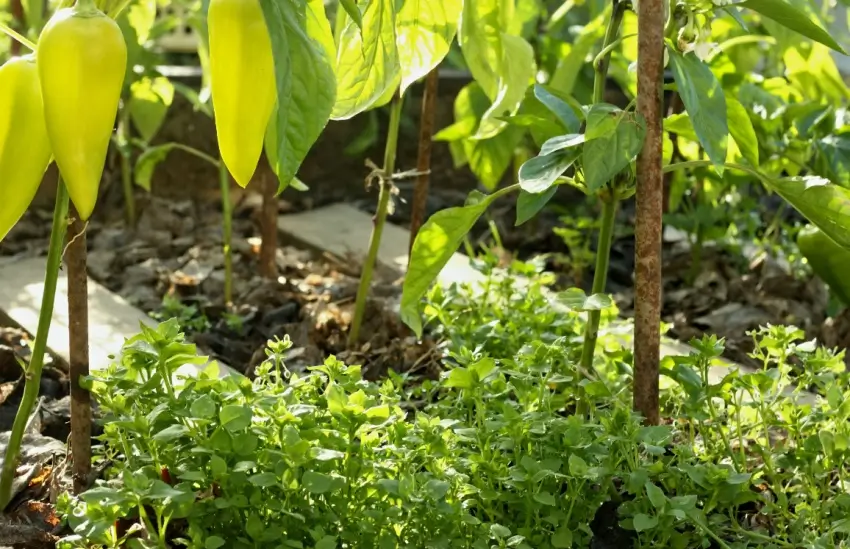
Chickweed loves moist and cool soil. It spreads fast in spring and fall. Disturbed soil or bare patches invite chickweed to grow. It thrives where other plants struggle. Chickweed seeds spread by wind, water, and garden tools. It grows quickly and outcompetes flowers for nutrients and water. This weed can crowd and weaken your favorite plants. Controlling it early protects your flower beds.
Manual Removal Techniques
Manual removal techniques are effective for controlling chickweed in flower beds. These methods help remove weeds without chemicals. You can protect your plants and soil while clearing unwanted growth. Manual removal requires patience and regular effort. It is best done early, before chickweed spreads seeds.
Hand-pulling Tips
Pull chickweed gently to avoid breaking the stems. Grab the base of the plant close to the soil. Pull slowly to remove the entire root system. Removing roots stops the weed from growing back quickly. Use gloves to protect your hands from dirt and irritation. Hand-pulling works best after watering when soil is soft. Dispose of pulled chickweed away from your garden to prevent reseeding.
Using Weeding Tools Effectively
Select a weeding tool with a narrow blade or fork for precision. Insert the tool into the soil near the chickweed roots. Gently loosen the soil around the roots without disturbing nearby plants. Lift the weed and roots carefully from the soil. Clean the tool after each use to prevent spreading seeds. Use weeding tools on moist soil for easier removal. Regular use of tools helps keep flower beds free of chickweed.
Chemical Control Options
Chemical control offers an effective way to manage chickweed in flower beds. Herbicides target chickweed directly, reducing its spread quickly. Choosing the correct product and applying it safely ensures your flowers stay healthy. This section explains how to select herbicides and apply them properly for best results.
Choosing The Right Herbicides
Select herbicides labeled for broadleaf weeds like chickweed. Look for products containing active ingredients such as 2,4-D, dicamba, or MCPA. These chemicals kill chickweed without harming many common garden plants. Avoid using non-selective herbicides unless you want to clear the entire area. Spot treatments work well for small patches. Always read the label carefully before purchase. Follow the instructions to match herbicides to your flower bed plants.
Safe Application Practices
Apply herbicides on dry, calm days to prevent drift. Use a sprayer or paintbrush to target chickweed leaves directly. Wear protective gloves and clothing to avoid skin contact. Keep children and pets away during and after treatment. Water the soil lightly after application unless the label says otherwise. Avoid spraying on windy days or before rain to reduce runoff. Repeat treatments may be necessary for tough infestations. Dispose of empty containers according to local regulations.
Natural Remedies
Natural remedies offer safe and effective ways to control chickweed in your flower beds. They use simple ingredients and techniques that do not harm your plants or the environment. These methods help keep your garden healthy and free from weeds.
Using natural solutions requires patience and regular care. You can combine several remedies for better results. Let’s explore some easy and practical options to manage chickweed naturally.
Vinegar And Kitchen Solutions
Vinegar is a common household item that kills chickweed effectively. Use white vinegar with 5% acidity for best results. Spray it directly on the leaves during a sunny day. Avoid spraying on plants you want to keep, as vinegar can harm them too.
Mixing vinegar with a few drops of dish soap helps the solution stick to the weed leaves. This method dries out chickweed and stops its growth. Repeat the treatment every few days until the weeds disappear.
Other kitchen solutions include boiling water poured carefully on chickweed patches. This method burns the weeds without chemicals. Use caution to avoid damaging nearby flowers.
Mowing And Covering Methods
Mowing or trimming chickweed regularly prevents it from flowering and spreading seeds. Keep your flower bed edges trimmed to reduce chickweed growth. This method weakens the weed over time and reduces its spread.
Covering your flower beds with mulch or cardboard blocks sunlight from reaching chickweed seeds. Without light, seeds cannot sprout and grow. Use a thick layer of mulch around your plants to stop chickweed from coming back.
This barrier also keeps the soil moist and supports healthy flowers. Combine covering with hand-pulling or vinegar spraying for better control. Natural methods work best with consistent effort and attention.
Prevention Strategies
Preventing chickweed from invading your flower beds saves time and effort later. Strong prevention stops weeds before they start. Healthy soil and proper ground cover create a natural barrier. These steps reduce chickweed growth and protect your plants.
Mulching To Block Chickweed
Mulch covers the soil and blocks sunlight from reaching weed seeds. This stops chickweed seeds from sprouting and spreading. Use organic mulch like bark, straw, or wood chips. Spread a thick layer, about 2 to 3 inches deep. Keep mulch away from plant stems to avoid rot. Mulching also keeps soil moist and cool, helping flowers grow strong.
Improving Soil And Lawn Health
Healthy soil supports strong plants that outcompete weeds. Test your soil to check nutrient levels and pH balance. Add compost or natural fertilizers to improve soil quality. Aerate the soil to increase air and water flow. A thick, healthy lawn reduces space for chickweed to grow. Regular mowing and watering help your lawn stay dense and weed-free.
Credit: www.gardeningknowhow.com
Timing And Seasonal Tips
Timing plays a crucial role in controlling chickweed in your flower beds. Removing chickweed at the right time prevents it from spreading seeds. Seasonal care also supports the health of your flower beds and limits weed growth. Understanding when and how to act helps keep your garden vibrant and weed-free.
Best Time To Remove Chickweed
Early spring is the best time to remove chickweed. The plant thrives in cool, moist weather. Pull chickweed before it flowers and sets seeds. This stops new plants from growing later. Removing chickweed in fall also works well. The plant may sprout again if left in the ground. Regular checks help catch chickweed early. Hand-pulling is easiest when soil is soft and moist. Avoid disturbing soil too much to prevent new weed seeds from surfacing.
Seasonal Care For Flower Beds
Keep flower beds healthy to reduce chickweed growth. Mulching in spring and fall blocks sunlight and stops weed seeds from germinating. Water your flowers deeply but less often. This favors strong plants over shallow-rooted weeds. Remove dead leaves and debris to limit places chickweed can hide. Fertilize flower beds based on plant needs to boost growth. Strong flowers can compete better with weeds. Regularly inspect beds for any chickweed sprouts. Early removal in all seasons maintains control.
Maintaining Weed-free Flower Beds
Maintaining weed-free flower beds is key to a healthy, attractive garden. Chickweed spreads quickly and can choke your plants. Stopping it early helps your flowers get enough nutrients, water, and sunlight. A clean flower bed looks neat and supports strong plant growth.
Use simple, regular steps to keep chickweed and other weeds away. Consistent care prevents weeds from taking over. Choose methods that suit your garden size and plant types. This way, your flower beds stay vibrant and weed-free all season.
Regular Lawn Maintenance
Regularly remove weeds by hand or with a tool. Pull out chickweed before it flowers to stop seeds spreading. Mow nearby grass to reduce weed seeds blowing into flower beds. Water your plants properly to help them outgrow weeds. Fertilize the soil to strengthen your flowers. Healthy plants can crowd out chickweed naturally.
Using Barriers And Ground Covers
Cover soil with mulch to block chickweed seeds from sprouting. Use organic mulches like wood chips or straw. Lay landscape fabric under mulch for extra protection. Plant ground covers that grow thick and low. These plants stop chickweed by shading the soil. Barriers reduce the need for chemical weed killers. They keep flower beds tidy and reduce weed growth.
Credit: www.groundsguys.com
Credit: info.supersod.com
Frequently Asked Questions
How To Get Rid Of Chickweed In Flower Beds?
Use hand-pulling or hoeing to remove chickweed roots in flower beds. Apply a 2-3 inch mulch layer to block sunlight and prevent regrowth. Spot-treat with broadleaf herbicides for persistent patches. Maintain healthy plants to outcompete chickweed naturally.
When To Spray Chickweed?
Spray chickweed in early spring or fall when young for best control. Target moist soil for effective herbicide absorption.
How To Stop Weeds From Growing Permanently In Flower Beds?
Apply a thick mulch layer to block sunlight and smother weed seeds. Use pre-emergent herbicides yearly. Hand-pull visible weeds regularly. Maintain healthy soil and plants to outcompete weeds naturally.
How To Get Rid Of Chickweed Without Killing Grass Naturally?
Hand-pull chickweed carefully to avoid grass damage. Apply vinegar on chickweed leaves only. Mulch thickly to block chickweed growth. Fertilize and overseed lawn to strengthen grass against weeds. Aerate soil to improve drainage and grass health naturally.
Conclusion
Controlling chickweed takes patience and regular care. Pull weeds by hand to remove roots completely. Use mulch to block sunlight and stop seed growth. Spot-treat tough patches with safe herbicides. Keep your flower beds healthy and dense to outgrow weeds.
Watch for new sprouts and act quickly. A tidy garden looks better and grows stronger. Small, steady steps make a big difference over time. Stay consistent, and your flower beds will stay chickweed-free.