
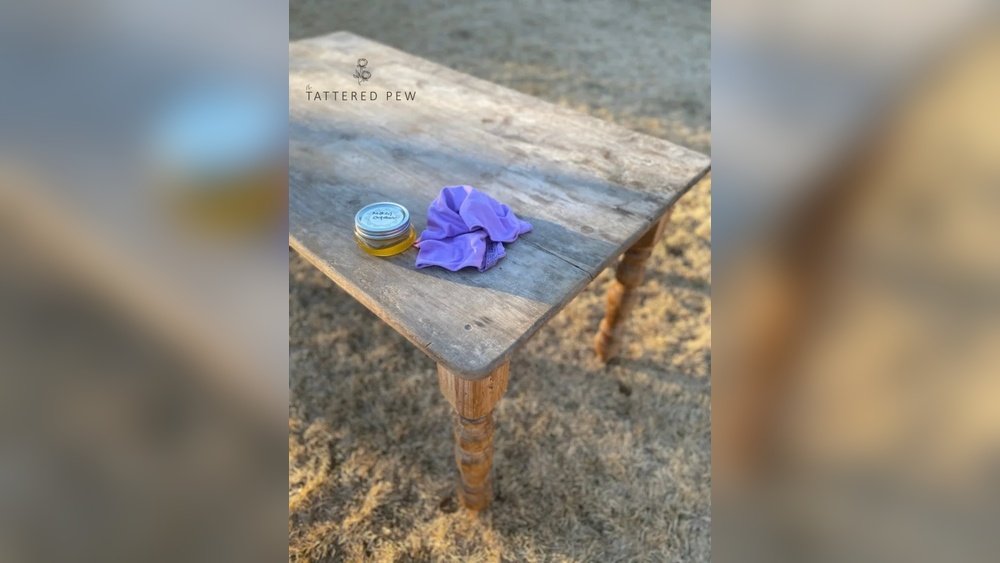
Outdoor furniture wood brings beauty and comfort to gardens, patios, and decks. But rain, sun, humidity, and insects can quickly damage wood, making it look old and weak. If you want your outdoor furniture to last longer and stay attractive, waterproofing wood is essential. This guide will show you how to waterproof outdoor furniture wood step by step, with practical tips, clear examples, and useful comparisons. Whether you’re a beginner or you have some experience, you’ll learn how to protect your wooden furniture from the elements and avoid common mistakes.
Why Waterproofing Outdoor Furniture Wood Matters
Wood is a natural material. It absorbs water easily, and exposure to weather causes it to swell, crack, fade, or rot. If you don’t waterproof your furniture, you risk losing both its look and strength. Studies show that untreated wood can lose up to 50% of its original strength after just two years outside. Mold and mildew grow fast in damp wood, making it unsafe and unhealthy.
Waterproofing not only protects against moisture but also blocks UV rays, dirt, and insects. It saves you money by reducing repairs and replacement. Plus, well-treated wood maintains its color and smooth finish, so your outdoor area stays inviting.
Understanding Outdoor Furniture Wood Types
Different wood types need different care. Some woods resist weather better than others, but all benefit from waterproofing.
| Wood Type | Weather Resistance | Common Use |
|---|---|---|
| Teak | Very High | Premium outdoor furniture |
| Cedar | High | Garden benches, tables |
| Eucalyptus | High | Patio sets |
| Pine | Low | Budget furniture |
| Acacia | Medium | Outdoor chairs |
Teak and cedar are naturally more resistant to moisture and insects, but even they need regular care. Pine is affordable but absorbs water quickly, so waterproofing is crucial for it.
How Water Damages Outdoor Furniture Wood
Wood’s structure is like a sponge, with small holes and spaces called pores. Water gets inside these pores, making the wood expand and contract. This causes:
- Cracking and warping: Changes in shape, loose joints, and broken parts
- Rot and decay: Fungus grows in wet wood, breaking it down
- Stains and discoloration: Mold and mildew leave dark marks
- Splinters: Drying and shrinking lead to rough surfaces
According to the Forest Products Laboratory, even one season of rain can reduce wood’s lifespan by several years. That’s why waterproofing is not just for looks—it’s for safety and durability.
Choosing The Right Waterproofing Method
There are several ways to waterproof wood. Each has its pros and cons, and the best option depends on your furniture’s type, location, and how much time you can spend on maintenance.
| Method | Protection Level | Maintenance | Finish |
|---|---|---|---|
| Sealant (Oil-based) | High | Annual | Natural, matte |
| Stain with sealer | Medium | Every 2 years | Colored, semi-transparent |
| Varnish/Polyurethane | Very High | Every 2-3 years | Glossy, hard |
| Paint | High | Every 3-5 years | Opaque, wide color choice |
| Epoxy | Maximum | Rare | Thick, shiny |
Oil-based sealants are popular for a natural look. Varnish and polyurethane create a strong barrier but can crack if not applied correctly. Paint covers the wood completely but hides its grain. Epoxy is excellent for extreme weather but is less flexible and harder to apply.
Preparing Outdoor Furniture For Waterproofing
Preparation is the key to a lasting waterproof job. Many beginners skip this step and regret it later. Here’s how to get your furniture ready:
- Clean the wood: Remove dirt, dust, pollen, and old finishes. Use a mild soap and water. For heavy stains or mildew, use a wood cleaner or a mix of vinegar and water (1:3 ratio).
- Dry completely: Moisture inside the wood can trap bubbles and cause poor results. Allow the furniture to dry in the sun for at least 24–48 hours.
- Sand the surface: Use medium (120 grit) and then fine (220 grit) sandpaper. Sanding opens the pores so the waterproofing product can soak in better.
- Repair damage: Fill cracks with wood filler and fix loose joints. Waterproofing works best on solid, smooth surfaces.
- Remove hardware: If possible, take off metal screws, bolts, or hinges. This prevents rust and makes application easier.
Non-obvious insight: If you’re working with old furniture, test the wood’s moisture level with a moisture meter (many hardware stores sell them). Wood should read below 15% for best results.
Step-by-step Guide: Waterproofing Outdoor Furniture Wood
1. Selecting Your Waterproofing Product
Visit a local hardware store or search online for products labeled for “exterior wood,” “deck,” or “outdoor furniture.” Choose based on:
- Type of wood
- Desired look (clear, stained, painted)
- Weather conditions in your area
Brands like Thompson’s WaterSeal, Minwax, or Rust-Oleum are trusted by many homeowners.
2. Setting Up Your Workspace
Choose a dry day, preferably with temperatures between 50–85°F. Work outside or in a well-ventilated area. Lay down a drop cloth to protect the ground and wear gloves to avoid skin irritation.
3. Applying The Waterproofing Product
For Oil-based Sealants:
- Stir the sealant—don’t shake, as bubbles can form.
- Use a natural-bristle brush or a clean cloth.
- Apply a thin, even layer, following the wood’s grain.
- Let it soak for 15–30 minutes.
- Wipe off excess with a dry cloth.
- Wait 24 hours, then apply a second coat for extra protection.
For Stain With Sealer:
- Mix stain and sealer well.
- Brush or spray onto the wood.
- Allow to dry for 2–4 hours between coats.
- Most products recommend 2 coats.
For Varnish Or Polyurethane:
- Use a synthetic-bristle brush.
- Apply thin coats to avoid drips.
- Sand lightly between coats with 320-grit sandpaper.
- Apply 2–3 coats for maximum protection.
For Paint:
- Use exterior latex or acrylic paint.
- Prime first if the wood is bare.
- Paint in thin layers, letting each dry before the next.
- For extra waterproofing, finish with a clear outdoor sealer.
For Epoxy:
- Mix resin and hardener as instructed.
- Apply with a brush or roller.
- Work quickly—epoxy sets fast.
- Allow to cure for 48 hours.
Non-obvious insight: For best results, seal the underside and inside areas of furniture, not just the visible parts. Moisture can enter from below and cause hidden damage.
4. Letting The Wood Cure
Once you finish, let the furniture cure in a dry, shaded area. Most products need 24–72 hours before use. Avoid rain and strong sun during this time.
5. Reinstall Hardware And Enjoy
Put back any screws, bolts, or hinges you removed. Check for drips or uneven spots and touch up if needed. Your furniture is now ready for outdoor use!
How Often Should You Waterproof Outdoor Furniture?
Waterproofing is not a one-time job. Sun, rain, and wind wear away the protective layer over time. Here’s a guide:
- Oil-based sealants: Every year
- Stain with sealer: Every 2 years
- Varnish/polyurethane: Every 2–3 years
- Paint: Every 3–5 years
- Epoxy: Rarely, but check for cracks
Check your furniture twice a year for signs of wear—fading, peeling, or roughness mean it’s time for a new coat.
Comparing Waterproofing Products: What Works Best?
To help you choose, here’s a comparison of popular waterproofing products:
| Product | Durability (Years) | Ease of Application | Best For |
|---|---|---|---|
| Thompson’s WaterSeal | 1-2 | Easy | Natural finish |
| Minwax Helmsman Spar Urethane | 3-4 | Medium | High UV resistance |
| Rust-Oleum Marine Coating | 4-5 | Medium | Extreme weather |
| Behr Premium Stain & Sealer | 2-3 | Easy | Colored finish |
| Epoxy Resin | 5+ | Hard | Maximum protection |
Tip: If you live in a rainy area, choose products with high water resistance and UV protection. For dry climates, look for flexible finishes that don’t crack.
Practical Tips For Long-lasting Waterproofing
- Clean regularly: Dust, leaves, and bird droppings can break down waterproof coatings. Wipe furniture every few weeks.
- Cover furniture: Use waterproof covers when not in use, especially during winter or heavy rain.
- Lift off the ground: Place furniture on blocks or rubber feet to prevent water from pooling underneath.
- Avoid harsh cleaners: Use mild soap and water. Bleach and strong chemicals can damage the finish.
- Check after storms: Inspect for damage after heavy rain or wind. Touch up any spots as needed.
- Store during extreme weather: If possible, move furniture to a garage or shed during hurricanes or snow.
Experience-based insight: Many people forget about the bottom and legs of furniture. These parts sit in water and rot fastest. Always waterproof these areas with extra care.
Common Mistakes To Avoid
Waterproofing seems simple, but mistakes can ruin your hard work:
- Skipping prep: Not cleaning or sanding leads to peeling and uneven coverage.
- Applying too thick: Thick layers trap moisture and dry poorly. Thin, even coats are best.
- Ignoring hidden spots: Underneath and inside joints need protection too.
- Not letting it dry: Using furniture before the finish cures causes marks and weak spots.
- Mixing products incorrectly: Don’t use oil-based over water-based products—they won’t stick.
Practical tip: Always read the label and follow the manufacturer’s instructions. If in doubt, test on a small, hidden area first.
Advanced Waterproofing Techniques
For those who want extra durability or have expensive furniture, try these advanced methods:
Pressure Treating
This is done in factories, where wood is treated with chemicals under high pressure. It’s not a DIY option, but you can buy pressure-treated wood that lasts much longer outside.
Marine-grade Varnish
Used on boats, marine varnish offers maximum water and UV resistance. It’s more expensive but perfect for furniture exposed to heavy rain or near pools.
Epoxy Sealing
Epoxy creates a thick, glass-like layer. It’s hard to apply and can yellow over time, but it offers unmatched protection.
Non-obvious insight: Combining two methods, like staining followed by a clear sealer, gives double protection and a custom look.
Environmental Impact: Choosing Safe Waterproofing Products
Some waterproofing chemicals can be harmful to plants, pets, and people. Look for products labeled low-VOC (volatile organic compounds) or eco-friendly. Water-based sealers are safer and easier to clean up.
According to the EPA, VOCs from wood finishes contribute to air pollution. Choosing eco-friendly products helps keep your garden and air healthy.

Credit: www.resortchairs.com
Cost Of Waterproofing Outdoor Furniture
Waterproofing is affordable compared to replacing furniture. Here’s a rough breakdown:
- Sealant or stain: $15–$35 per quart (covers 100–200 sq ft)
- Varnish/polyurethane: $20–$50 per quart
- Paint: $25–$40 per gallon
- Epoxy: $40–$80 per kit
Labor is free if you do it yourself. For professional service, expect to pay $100–$300 per furniture set, depending on size and complexity.
Tip: Buying in bulk saves money if you have many pieces.
Real-life Example: Waterproofing A Cedar Bench
Let’s walk through a simple example:
- Step 1: Clean bench with mild soap and water, rinse, and let dry for 48 hours.
- Step 2: Sand all surfaces with 120-grit sandpaper, wipe off dust.
- Step 3: Apply oil-based sealant with a brush, following the grain.
- Step 4: Wait 24 hours, then apply a second coat.
- Step 5: Let cure for 48 hours in a shaded area.
- Result: Water beads on the surface, and color stays rich and warm.
This process takes about 3 days and costs around $25–$40 for materials.
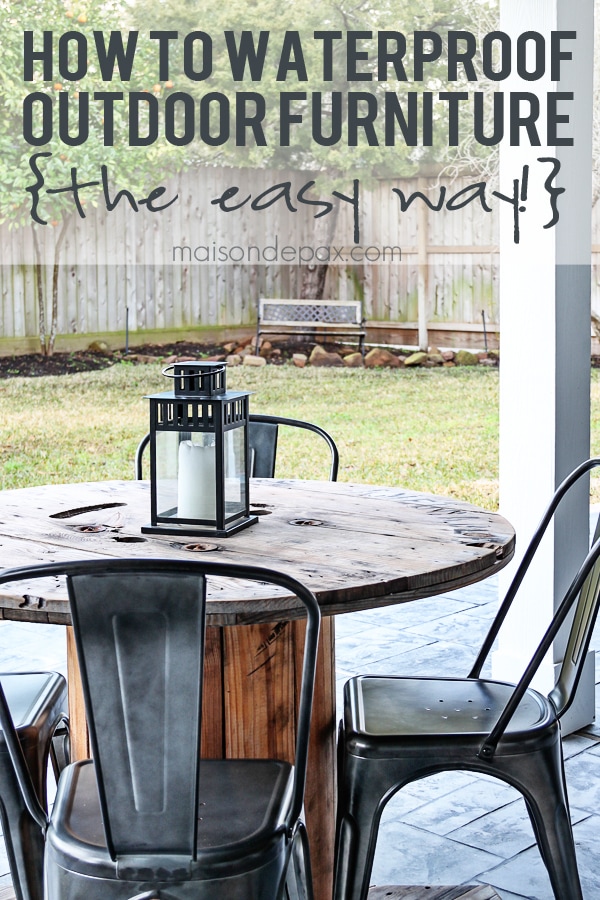
Credit: www.maisondepax.com
Seasonal Maintenance Checklist
To keep your furniture waterproofed year-round, follow this checklist:
- Spring: Inspect for cracks, clean, and reapply sealant as needed.
- Summer: Dust weekly, cover during heavy rains.
- Fall: Remove leaves, check for mold, touch up finish.
- Winter: Store or cover furniture, check for damage after storms.
Waterproofing Wood For Different Climates
Humid Climates
- Use oil-based products for deep penetration.
- Clean regularly to prevent mold.
- Apply extra coats for stronger protection.
Dry, Sunny Climates
- Choose products with high UV resistance.
- Reapply every 1–2 years.
- Avoid dark stains, which heat up and crack.
Coastal Areas
- Use marine-grade finishes or epoxy.
- Wash off salt residue often.
- Inspect for rust on hardware.
Troubleshooting Waterproofing Problems
If your waterproofing doesn’t work as expected, try these solutions:
- Peeling or flaking: Sand and remove loose finish, reapply thin coats.
- Sticky surface: Let dry longer; humidity slows curing.
- Cloudy appearance: Too much moisture; wait for dry weather next time.
- Water soaking in: Apply another coat, or switch to a stronger product.
Friendly mentor tip: If you’re unsure, ask for advice at your local hardware store. Staff can recommend the best product for your climate and furniture type.
How Waterproofing Extends Furniture Life
Waterproofing can double or triple the lifespan of outdoor furniture. Studies show that treated wood lasts 10–15 years outside, compared to 3–5 years for untreated wood. This saves money and reduces waste.
Combining Waterproofing With Other Protection
Waterproofing works best when combined with:
- Covers: Keeps off rain and dirt.
- Shade: Prevents fading and cracking.
- Regular cleaning: Stops mold and mildew.
Experience-based guide: Many homeowners find that waterproofing plus covers gives nearly all-weather durability.
Should You Diy Or Hire A Professional?
DIY waterproofing is easy for most people. It saves money and lets you control the finish. Hire a professional if:
- You have expensive or antique furniture
- You lack time or tools
- Your furniture needs repairs
Professionals can use spray equipment for faster, even coverage.
Credit: www.cravingsomecreativity.com
Where To Learn More
For detailed wood care guides, visit the Wood Magazine. They offer expert tips and product reviews.
Frequently Asked Questions
How Long Does Waterproofing Last On Outdoor Furniture Wood?
Most waterproofing lasts 1–3 years, depending on product, climate, and use. Oil-based sealants last about a year, while varnish or epoxy can last up to 5 years. Check your furniture twice a year and reapply as needed.
Can I Waterproof Painted Outdoor Furniture?
Yes, you can. Use a clear outdoor sealer over the paint for extra protection. Make sure the paint is fully dry before sealing. This prevents cracking and fading.
Is There A Natural Way To Waterproof Wood?
Natural oils like linseed or tung oil offer basic waterproofing. They give a soft, natural finish but need frequent reapplication. They’re best for smaller items or areas with mild weather.
How Do I Fix Waterproofing Mistakes?
If the finish peels or bubbles, sand off the damaged layer and start again with thin coats. If you have sticky spots, wait longer for drying. For cloudy finishes, check for moisture and apply in dry weather.
What’s The Best Waterproofing For Teak Outdoor Furniture?
Teak is naturally resistant, but oil-based sealants or marine varnish work best. Avoid thick paints or epoxies, which hide the wood’s beauty. Clean teak regularly and reapply oil once a year.
Waterproofing outdoor furniture wood is a smart investment. With the right products, careful preparation, and regular maintenance, your furniture will stay beautiful and strong for years. Whether you choose oil, varnish, paint, or epoxy, follow these steps for best results.
Protect your wood, enjoy your outdoor space, and save money in the long run.