
When it comes to choosing a generator, one question probably crosses your mind: “How loud will this thing be?” Noise isn’t just a minor annoyance—it can affect your comfort, your neighbors, and even your ability to use the generator when you need it most. Understanding generator noise means knowing about decibels, what levels are considered quiet or loud, and which types of generators keep the volume down.
In this guide, you’ll discover exactly how loud different generators can get, what influences their noise levels, and practical tips to pick the right model for your needs. Read on to take control of your generator’s sound and avoid unexpected noise headaches.
Credit: www.hearzap.com
Generator Noise Levels
Generators create sound as they run. This noise level varies by type and size. Understanding these levels helps choose the right generator for your needs. Noise can affect comfort, especially in quiet neighborhoods or campsites.
Knowing how loud a generator is can also help with safety and local regulations. It is measured in decibels, or dB. This guide explains what those numbers mean for you.
Decibel Scale Basics
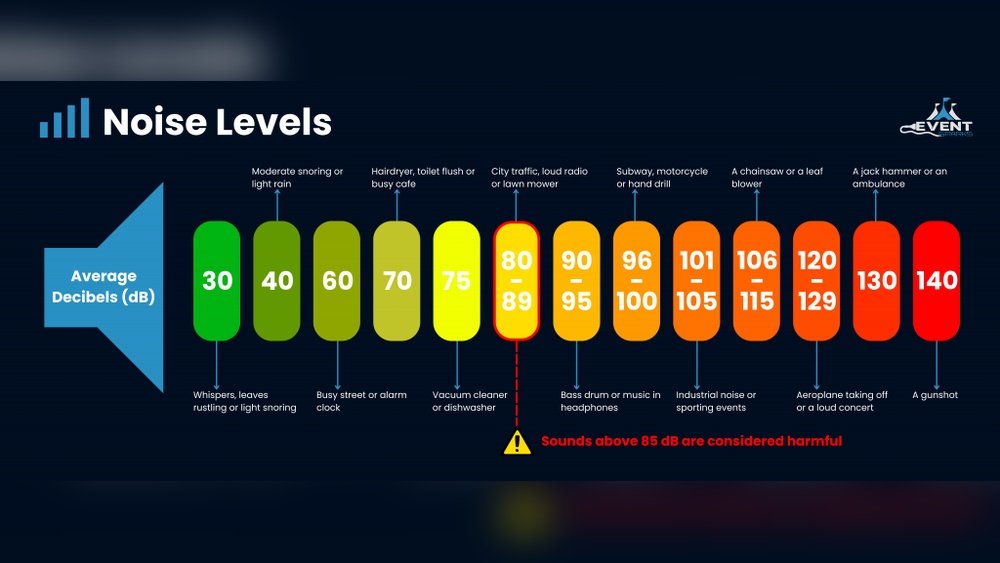
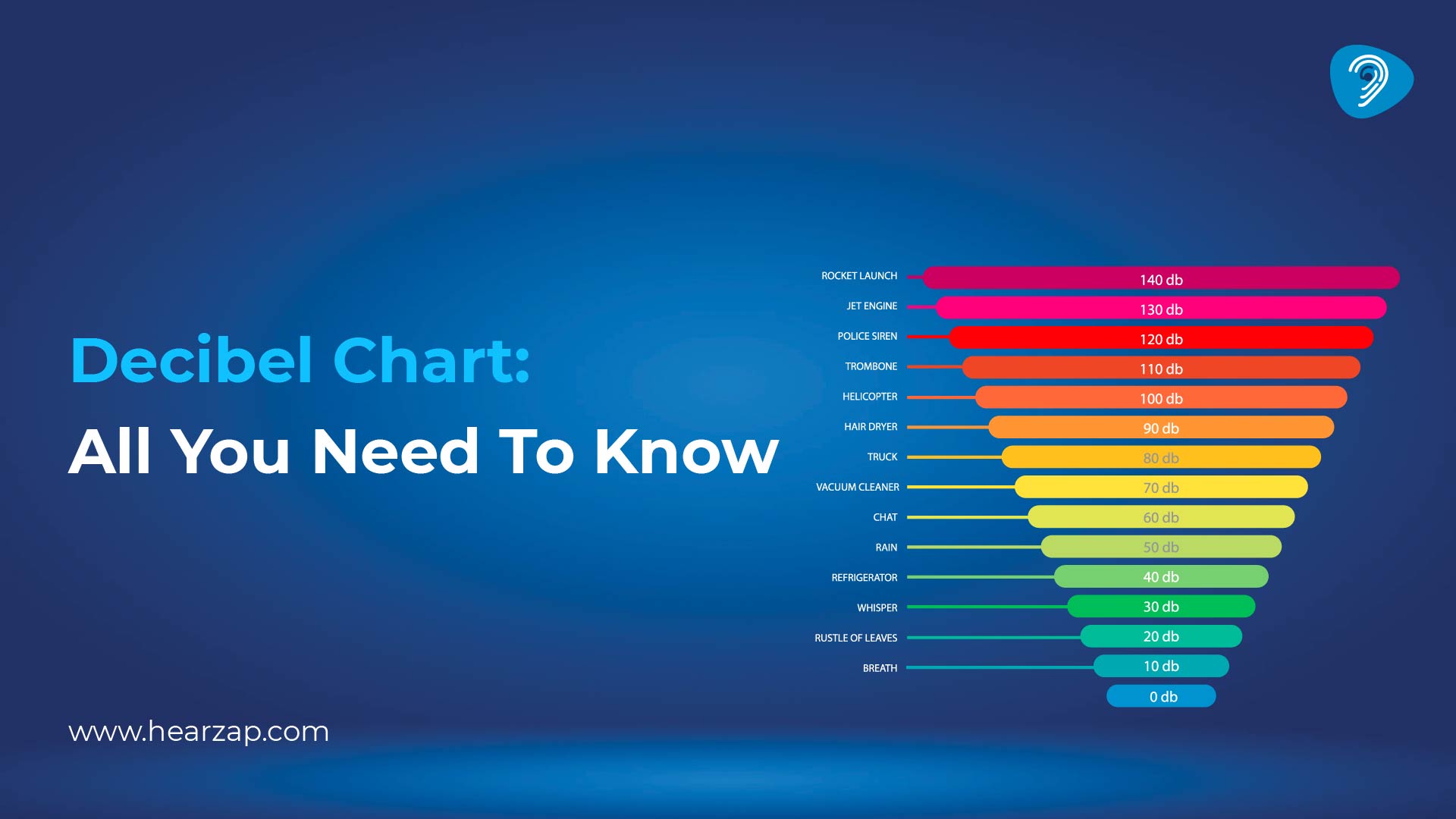
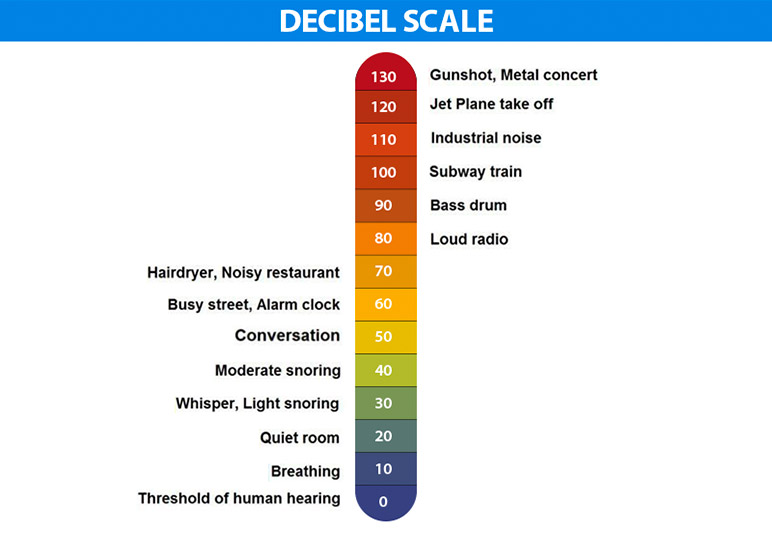
The decibel scale measures sound intensity. It starts at 0 dB, the faintest sound humans hear. Every 10 dB increase means the sound is ten times louder. For example, 30 dB is ten times louder than 20 dB.
Normal conversation is around 60 dB. A lawn mower runs at about 90 dB. Sounds above 85 dB can cause hearing damage over time. Generators typically fall between 50 dB and 100 dB.
Typical Generator Decibels
Small portable generators usually produce noise between 50 and 70 dB. These models are common for camping or small power needs. Larger home standby generators run louder, often between 70 and 90 dB.
Industrial generators can exceed 100 dB. This level is very loud and needs hearing protection. The noise depends on engine size, load, and design.
Quiet Vs Loud Generators
Quiet generators are often inverter models. They use advanced technology to reduce noise. These run around 50 to 60 dB, similar to a quiet office.
Loud generators are older or larger models. They can reach 80 to 100 dB or more. This noise may disturb neighbors or wildlife.
Choosing a quiet generator improves comfort. It also helps follow noise rules in your area.
Credit: generatorpower.com.au
Factors Influencing Noise
Understanding what makes a generator noisy helps in choosing the right model. Noise levels vary widely due to several factors. These factors affect how loud a generator sounds during operation. Knowing these can help reduce noise and improve comfort.
Noise depends on the design, how hard the generator works, and where it runs. Each factor plays a role in the overall sound level you will hear.
Generator Type Impact
Different generators produce different noise levels. Inverter generators run quieter because they adjust engine speed. Conventional models run at a constant speed, making more noise. Diesel generators are usually louder than gas models. The engine design and muffler quality also influence noise output.
Load Effects On Sound
Load means how much power the generator is using. A generator running at full load is louder than one at half load. As the load increases, the engine works harder and makes more noise. Lower loads reduce engine speed and noise. Properly sizing the generator can help control noise levels.
Environmental Considerations
Where the generator runs changes how noise travels. Hard surfaces like concrete reflect sound, making it seem louder. Soft surfaces like grass absorb sound and reduce noise. Barriers such as walls or fences can block sound waves. Wind direction can carry noise farther or closer. Placing the generator away from living areas also helps.
Quiet Generator Options
Quiet generators provide power without loud noise interruptions. They suit homes, outdoor activities, and emergency use. Choosing a quiet model helps maintain peace and comfort. This guide explores top quiet generator options.
Learn about inverter generators, super silent models, and the best generators for RV use. Each type offers unique benefits for noise reduction and efficiency.
Inverter Generators
Inverter generators use advanced technology to lower noise levels. They adjust engine speed based on power demand. This makes them much quieter than traditional models. Many run at about 50-60 decibels, similar to a normal conversation. They also produce cleaner power, safe for sensitive electronics. Compact size and fuel efficiency add to their appeal.
Super Silent Models
Super silent generators focus on minimizing sound output. They use soundproofing materials and special mufflers. Noise levels can be as low as 40 decibels, like a quiet library. These models are ideal for noise-sensitive environments. They often feature enclosed designs to block sound further. Expect a bit higher price for this extra quietness.
Best Generators For Rv Use
RV generators must balance power and quiet operation. Many RV owners choose inverter generators for this reason. Noise levels usually range from 50 to 60 decibels. Portable size helps with easy transport and storage. Some models come with electric start and low-oil shutdown. These features improve convenience and protect the generator.
Credit: blog.mechnovamachines.com
Measuring Generator Noise
Generators provide power in emergencies and outdoor activities. Noise from generators can affect your health and safety. Understanding how to manage noise helps keep the environment safe and comfortable. Proper setup reduces loud sounds and prevents accidents. Follow simple rules to protect yourself and others from noise-related dangers.
Safe Generator Setup
Place the generator outside in a well-ventilated area. Keep it far from doors and windows to avoid fumes. Use a flat, stable surface to reduce vibrations and noise. Make sure no flammable materials are near the generator. Check that the exhaust points away from people and buildings. These steps reduce noise and increase safety.
Avoiding Noise-related Hazards
Wear ear protection if you stay near the running generator. Loud noise can cause hearing damage over time. Keep children and pets away from the generator area. Do not touch the generator while it runs to avoid burns or shocks. Turn off the generator if you hear strange sounds or smells. Regular maintenance keeps noise levels low and prevents hazards.
Proper Use Of Extension Cords
Use heavy-duty, outdoor-rated extension cords only. Avoid thin or damaged cords that can cause electric shocks or fires. Connect cords directly to the generator’s outlet, not to a wall socket. Keep cords away from water and sharp edges. Do not overload cords with too many devices. Correct use of cords reduces noise and electrical risks.
Frequently Asked Questions
What Db Is Considered Quiet For A Generator?
A generator is considered quiet at around 50 to 60 dB. Inverter models often produce noise below 60 dB. Quiet generators cause minimal disturbance, suitable for residential and camping use.
What Is The 80% Rule For Generators?
The 80% rule for generators means running them at no more than 80% of their rated capacity. This prevents overload and extends generator life. It ensures reliable performance and reduces the risk of damage during operation. Always size your generator based on this guideline for safety and efficiency.
What Is The 20/20/20 Rule For Generators?
The 20/20/20 rule for generators means running the generator at 20% load for 20 minutes every 20 days. This prevents fuel stagnation and maintains engine health.
Is 75 Db Loud For A Generator?
A 75 dB generator produces moderate noise, similar to a vacuum cleaner. It may disturb neighbors but is common for portable models.
Conclusion
Understanding generator noise levels helps you choose the right model. Quieter generators improve comfort, especially in neighborhoods or campsites. Remember, inverter types usually run quieter than conventional ones. Keep load levels in mind, as higher loads create more noise. Always measure decibels to compare models accurately.
With this knowledge, you can pick a generator that fits your noise preferences. Stay safe and enjoy power without unwanted loudness.