

Your lawn’s health depends a lot on how and when you feed it. Applying fertilizer in the fall is one of the best ways to keep your grass green and strong through the colder months.
But if you’re unsure about the right steps, you could easily miss out on the benefits or even harm your lawn. In this guide, you’ll discover simple, effective tips that make fertilizing your lawn in the fall easy and rewarding.
Keep reading to learn how to give your grass the boost it needs to thrive next spring.
Benefits Of Fall Fertilizing
Applying fertilizer to your lawn in the fall brings many benefits. It helps your grass get strong and healthy before winter. Fertilizing at this time supports growth beneath the surface. It also prepares the lawn for a fresh start in spring. The right nutrients in fall keep your grass green and thick all year.
Enhancing Root Growth
Fall fertilizer encourages deep root growth. Grass roots grow longer to find water and nutrients. Strong roots help grass survive cold weather. A lawn with good roots recovers faster after winter. Fertilizer provides essential nutrients that support this root development.
Preparing For Winter
Fertilizing in fall helps your lawn store food. This stored energy protects grass during cold months. It reduces stress caused by frost and snow. Healthy grass is less likely to die or turn brown. The fertilizer boosts the lawn’s ability to fight winter damage.
Boosting Spring Green-up
Fall fertilizing sets the stage for spring growth. Grass comes back greener and fuller. It grows faster with strong roots and stored nutrients. A well-fed lawn shows fewer bare spots in spring. Early feeding means less work and better results later.

Credit: www.jonathangreen.com
Choosing The Right Fertilizer
Choosing the right fertilizer for your lawn in the fall is important. The right fertilizer helps grass grow strong and healthy before winter. It gives your lawn the nutrients it needs to recover from summer stress. Proper fertilizer also prepares the grass for the cold months ahead.
Types Of Fertilizers
Fertilizers come in different types. Granular fertilizers are easy to spread and last longer. Liquid fertilizers work fast but may need repeated use. Slow-release fertilizers provide nutrients over time. Choose the type that fits your lawn care routine and equipment.
Nutrient Ratios To Look For
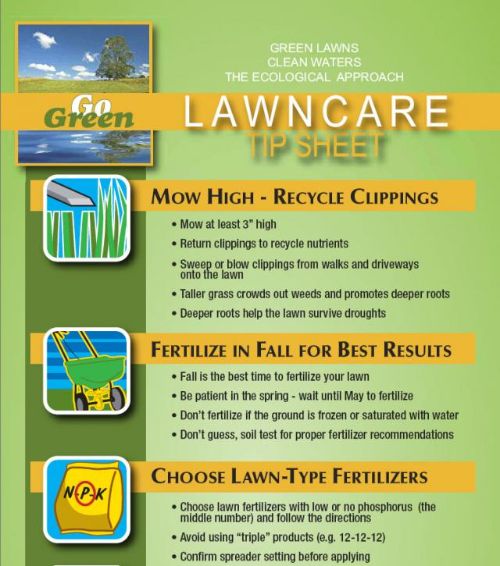
Fertilizers have three main nutrients: nitrogen (N), phosphorus (P), and potassium (K). In fall, lawns need more nitrogen to build strong roots. Look for fertilizers with a higher first number, like 20-5-10. Avoid too much phosphorus. It can harm the environment and is often unnecessary in established lawns.
Organic Vs. Synthetic Options
Organic fertilizers come from natural sources like compost or manure. They improve soil health and release nutrients slowly. Synthetic fertilizers are made from chemicals and act quickly. Both types can work well. Organic options are better for long-term soil health. Synthetic fertilizers give faster results but require careful use.
Timing Your Fertilizer Application
Timing your fertilizer application in the fall is key to a healthy lawn. Applying fertilizer at the right moment helps grass store nutrients. This prepares your lawn for winter and boosts spring growth. Knowing the best time to fertilize avoids waste and damage to your grass.
Best Window For Fall Application
The best time to apply fertilizer in fall is late September to mid-November. During this period, grass grows slower but still absorbs nutrients well. Early fall application helps roots strengthen before winter. Avoid fertilizing too late to prevent burning your lawn.
Weather Conditions To Consider
Choose a dry day to apply fertilizer. Wet grass can cause fertilizer to run off. Do not apply before heavy rain. Light rain after application helps nutrients soak into the soil. Temperatures between 50°F and 70°F are ideal for fertilizer use.
Credit: www.canr.msu.edu
Preparing Your Lawn
Preparing your lawn before applying fertilizer in the fall is important. It helps the nutrients reach the grass roots better. This preparation also ensures your lawn absorbs the fertilizer effectively. A well-prepared lawn gets healthier and stronger for winter.
Mowing Tips Before Fertilizing
Mow your lawn a few days before fertilizing. Keep the grass height around 2.5 to 3 inches. Avoid cutting it too short to protect the roots. Use a sharp mower blade for a clean cut. Remove clippings to prevent blocking the fertilizer.
Clearing Debris And Leaves
Clear away leaves, sticks, and other debris from your lawn. Use a rake or leaf blower for best results. A clean lawn lets fertilizer reach the soil easily. Debris can block nutrients and cause uneven growth. Remove debris regularly until you finish fertilizing.
Application Techniques
Applying fertilizer correctly helps your lawn absorb nutrients evenly. Good techniques ensure healthy grass growth and prevent waste. Use the right tools and methods for the best results.
Using A Broadcast Spreader
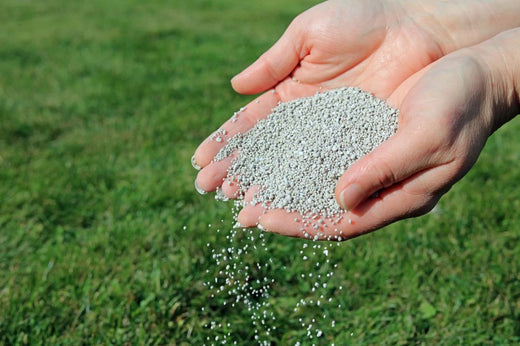
A broadcast spreader covers large areas quickly. Fill the spreader with the recommended fertilizer amount. Push it steadily across the lawn in straight lines. Overlap each pass slightly for even coverage. Adjust the spreader settings based on fertilizer type. Clean the spreader after use to avoid clogs.
Spot Treating High-traffic Areas
High-traffic spots need extra care to stay green. Apply fertilizer directly to these areas with a hand spreader or scoop. Use less fertilizer than on the rest of the lawn. This prevents burning and promotes strong root growth. Water the treated spots gently after application.
Avoiding Over-application
Too much fertilizer can harm your lawn and pollute water. Measure fertilizer carefully before spreading. Follow package instructions for the correct amount. Avoid applying fertilizer on wet grass or before rain. Store leftover fertilizer safely for later use.
Credit: us.mammotion.com
Post-application Care
After applying fertilizer to your lawn in the fall, taking care of it is very important. Proper post-application care helps the fertilizer work well. It also keeps your lawn healthy and green through the cold months. This care involves watering the lawn correctly, watching its health, and handling any problems early.
Watering Guidelines
Water the lawn soon after applying fertilizer. This helps the nutrients soak into the soil. Use a gentle spray to avoid washing away the fertilizer. Water deeply but not too often. Aim for about one inch of water each week. Early morning watering is best. It reduces evaporation and helps the lawn absorb water well.
Monitoring Lawn Health
Check your lawn every few days. Look for changes in color or growth. Healthy grass should look green and thick. Yellow or brown spots may show problems. Watch for signs of stress, like wilting or dry patches. Keep track of these changes to act fast. A healthy lawn responds better to fertilizer.
Dealing With Common Issues
Brown patches can mean too much or too little water. Adjust your watering schedule if needed. Weeds may appear after fertilizing. Remove them by hand or use safe weed control. Watch for pests like insects or grubs. Treat these problems quickly to protect your grass. Clear fallen leaves to avoid blocking sunlight. This keeps the lawn strong and ready for winter.
Environmental Considerations
Applying fertilizer in the fall helps your lawn stay healthy. Doing it right protects the environment. Careful steps keep water and soil clean. They also keep pets and children safe. Follow these tips for a green lawn and a green planet.
Preventing Runoff
Runoff happens when rain washes fertilizer into rivers and lakes. It can harm fish and plants. Avoid applying fertilizer before heavy rain. Use only the amount your lawn needs. Spread fertilizer evenly to prevent clumps. These steps stop extra chemicals from leaving your yard.
Safe Practices For Pets And Children
Pets and children often play on the lawn. Fertilizer can irritate their skin or upset their stomachs. Keep them off the lawn for at least 24 hours after spreading fertilizer. Store fertilizer out of reach in a safe place. Choose pet-friendly fertilizers to reduce risks. Safety first keeps everyone happy and healthy.
Frequently Asked Questions
When Is The Best Time To Apply Fall Fertilizer?
The ideal time to apply fertilizer in fall is early autumn. This allows nutrients to absorb before winter. It strengthens roots and prepares your lawn for spring growth.
How Much Fertilizer Should I Use On My Lawn?
Use fertilizer according to your lawn size and product instructions. Avoid over-fertilizing as it can harm grass and pollute soil. A balanced application promotes healthy growth without waste.
What Type Of Fertilizer Works Best In Fall?
Choose a fertilizer high in potassium and phosphorus for fall. These nutrients enhance root development and lawn durability. Slow-release formulas provide steady nourishment during colder months.
Can I Fertilize My Lawn If It’s Already Cold?
Fertilizing when soil temperatures are above 50°F is effective. If it’s too cold, grass won’t absorb nutrients well. Apply before the first frost for best results.
Conclusion
Applying fertilizer to your lawn in the fall helps grass stay strong. It feeds roots and prepares the lawn for winter. Spread fertilizer evenly to avoid patchy growth. Water the lawn lightly after applying fertilizer. This helps nutrients soak into the soil.
Regular care in the fall leads to a greener lawn in spring. Fall fertilizing is a simple step anyone can do. Your lawn will thank you with healthy, lush grass next year. Give your lawn the care it needs this fall.