

Are you tired of seeing your water bills climb higher every month? Your sprinkler system might be the hidden culprit, wasting water and money without you realizing it.
But what if you could keep your lawn green and healthy while slashing those bills? Using a water-efficient sprinkler system is the smart way to do just that. You’ll discover simple, practical steps to set up and manage your sprinkler system to save water—and cash—without sacrificing a beautiful yard.
Keep reading to learn how small changes can make a big difference for your wallet and the environment.
Benefits Of Water-efficient Sprinklers
Water-efficient sprinkler systems bring many benefits beyond just saving water. They help maintain beautiful lawns and plants with less effort. Using these systems leads to cost savings and supports environmental care. The following sections explain key benefits of water-efficient sprinklers.
Lower Water Consumption
Water-efficient sprinklers use less water by targeting specific areas. They deliver water slowly and evenly, reducing waste. This method prevents overwatering and runoff. Smart timers can adjust watering based on weather and soil needs. The result is a significant drop in total water use.
Reduced Utility Bills
Cutting water use directly lowers water bills. Less water means less money spent each month. Over time, savings add up and offset the sprinkler system cost. Efficient watering also reduces energy costs linked to pumping water. Homeowners enjoy a smaller utility bill year-round.
Healthier Lawn And Plants
Water-efficient sprinklers promote deep root growth by watering slowly. Deep roots help plants survive drought and heat. These sprinklers avoid water pooling that causes plant diseases. Proper watering keeps your lawn green and plants strong. The system supports a thriving garden with less water waste.
Choosing The Right Sprinkler System
Choosing the right sprinkler system“>Choosing the right sprinkler system is essential for saving water and cutting down on bills. Not all systems fit every yard or garden. The key is picking a system that matches your landscape and watering needs. A smart choice helps avoid water waste and ensures your plants get enough moisture.
Types Of Water-efficient Sprinklers
Different sprinklers use water in various ways. Rotor sprinklers cover large areas slowly and evenly. Spray sprinklers work best for smaller, flat spaces. Drip irrigation delivers water directly to plant roots, reducing evaporation. Choosing a water-efficient type reduces runoff and saves water.
Matching System To Landscape Needs
Each yard has unique needs. Lawns, flower beds, and trees require different watering methods. Adjust sprinkler types to suit soil, plant types, and sunlight exposure. Consider slopes or uneven ground, which may need special watering techniques. Matching the system to your landscape prevents overwatering and saves money.
Smart Controllers And Timers
Smart controllers automate watering schedules based on weather and soil moisture. Timers allow precise control over watering duration. These tools help avoid watering during rain or high winds. Using smart timers cuts water use and lowers bills by delivering water only when needed.
Installation Tips For Efficiency
Installing a water-efficient sprinkler system correctly is key to saving water and cutting bills. The system must deliver water evenly and only where needed. Small setup details make a big difference in efficiency. Follow these tips to get the most from your sprinkler system and keep your lawn healthy.
Proper Placement Of Sprinkler Heads
Place sprinkler heads to cover the lawn without overlapping too much. Overlapping wastes water and raises costs. Keep heads away from sidewalks, driveways, and walls. This avoids watering hard surfaces that do not need water. Adjust placement based on the shape of your yard. Test coverage to ensure every area gets enough water.
Adjusting Water Pressure
Set the water pressure to the recommended level for your sprinkler heads. Too high pressure causes misting and water loss. Too low pressure leads to poor coverage and dry spots. Use a pressure regulator if needed. Check pressure regularly as it can change over time. Proper pressure helps water reach plants efficiently.
Avoiding Overspray And Runoff
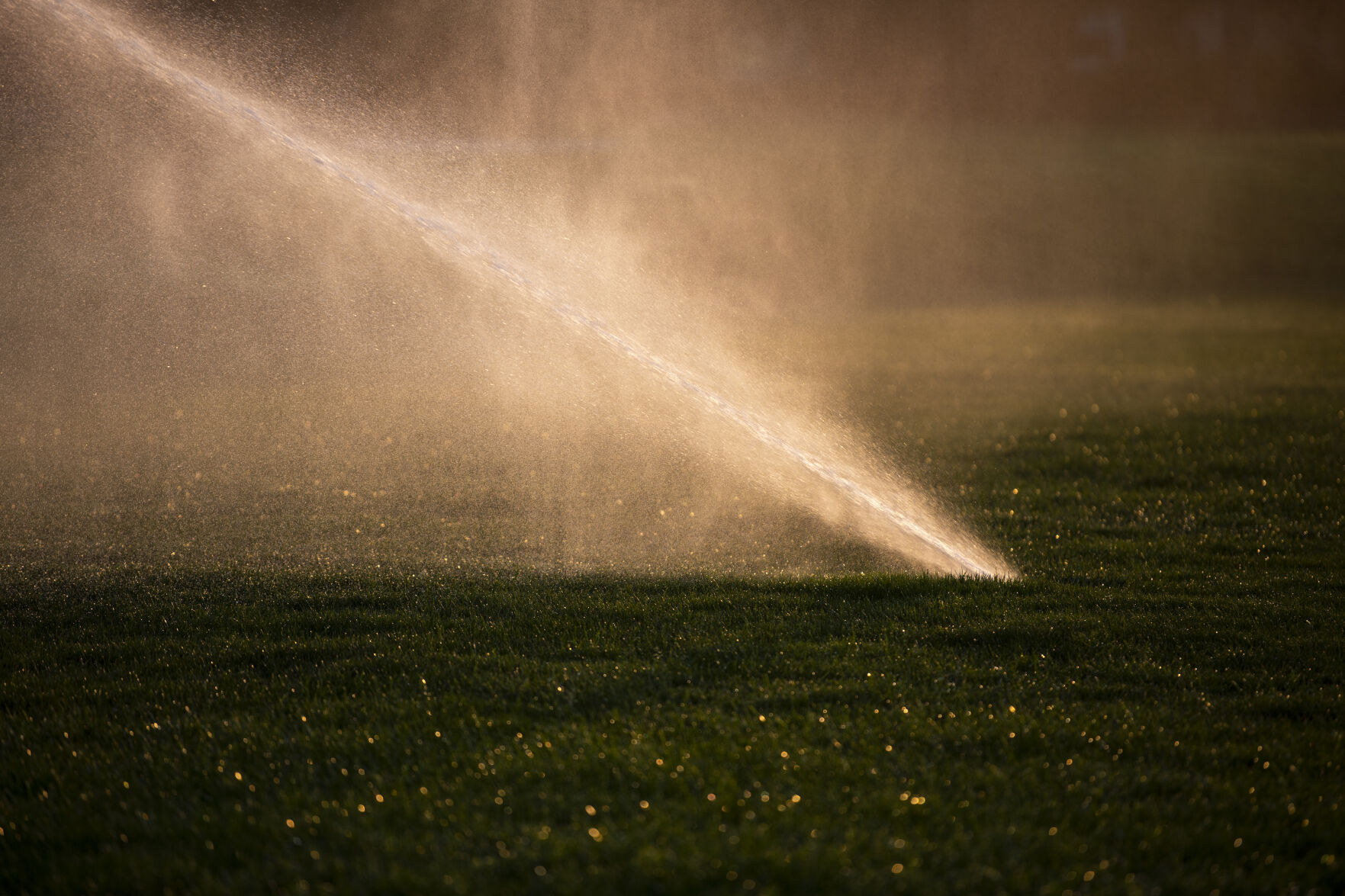
Check that water sprays only where plants grow. Overspray on sidewalks or streets wastes water and increases bills. Use sprinkler heads with adjustable nozzles for precise watering. Water in cycles to let soil absorb water and prevent runoff. Avoid watering during windy times to reduce drift. These steps keep water on your lawn and out of drains.
Credit: www.coloradopolitics.com
Watering Strategies To Save Water
Saving water with a sprinkler system starts with smart watering strategies. Using less water keeps your bills low and your garden healthy. The right methods help water soak deep into the soil. This supports strong plant roots and reduces waste. Here are key strategies to water efficiently and save money.
Cycle And Soak Method
Water in short bursts instead of one long session. This lets water soak into the soil slowly. It prevents runoff and pooling on the surface. Use multiple cycles with breaks to allow absorption. This method works well on slopes or hard soil. It helps roots grow deeper and keeps plants strong.
Optimal Watering Times
Water early in the morning or late at night. These times reduce evaporation caused by heat and wind. Avoid watering during midday when the sun is strongest. Early watering ensures plants get moisture before heat stress. Evening watering keeps soil damp overnight for better absorption.
Adapting To Seasonal Changes
Adjust your watering schedule based on the season. Plants need less water in cooler months. Increase watering during hot, dry periods but avoid overwatering. Check soil moisture regularly to guide watering needs. Changing your schedule saves water and protects plant health.
Maintenance For Optimal Performance
Maintaining a water-efficient sprinkler system is key to saving money on water bills. Proper upkeep ensures the system runs smoothly and uses water wisely. Neglecting maintenance can cause leaks, clogs, and uneven watering. This wastes water and raises costs. Regular care keeps the sprinkler system working at its best. It also extends the system’s life and improves lawn health.
Checking For Leaks And Repairs
Leaks waste water and increase bills fast. Check sprinkler heads, pipes, and connections often. Look for wet spots or soggy soil around the system. Fix broken or cracked parts right away. Replace damaged pipes and tighten loose fittings. Catching leaks early saves water and money. A small drip can waste gallons every day.
Cleaning And Replacing Nozzles
Nozzles control water flow and spray pattern. Dirt and debris can block them and reduce efficiency. Clean nozzles regularly with a soft brush or water. Replace worn or broken nozzles for even watering. Proper nozzle care helps water reach all parts of the lawn. It prevents overwatering in some spots and dry patches in others.
Regular System Audits
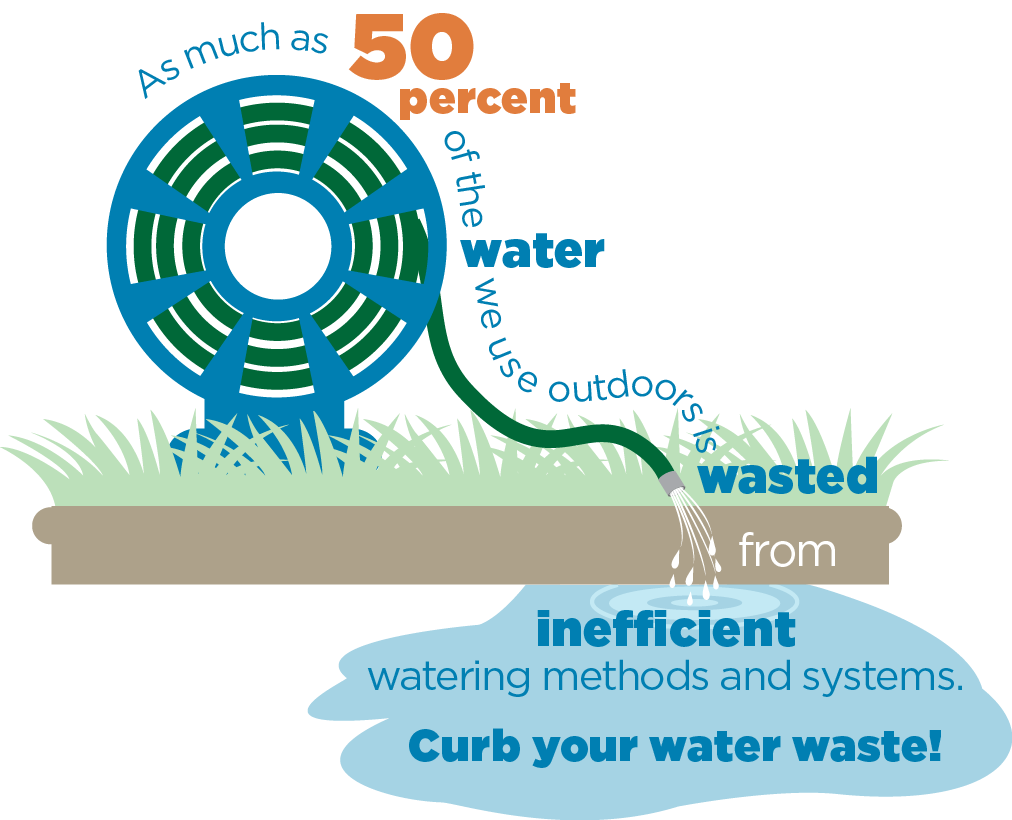
Run a full system check at least twice a year. Test all zones and timing schedules. Make sure sprinklers turn on and off correctly. Adjust spray distance and direction if needed. Check water pressure to avoid waste. Audits reveal hidden issues that cause water loss. Fixing these problems keeps the system efficient and saves on bills.
Credit: 19january2017snapshot.epa.gov
Monitoring Water Usage
Monitoring water usage is essential to save money with a water-efficient sprinkler system. It helps identify how much water the system uses and when. Careful tracking avoids waste and lowers bills.
Simple steps can make a big difference in controlling water use. Learning to measure flow rates, using water meters and apps, and analyzing consumption patterns are key parts of smart watering.
Measuring Flow Rate
Flow rate shows how much water flows through the sprinkler per minute. Measure it using a flow meter or a bucket and timer. This helps set watering time and avoid overuse.
Knowing the flow rate allows you to adjust the sprinkler system. It ensures plants get enough water without wasting it. Accurate flow measurement saves both water and money.
Using Water Meters And Apps
Water meters track total water use from the sprinkler system. Smart meters connect to apps for real-time data. These tools make monitoring easier and more precise.
Apps can send alerts about leaks or unusual spikes in water use. They help spot problems early. Using meters and apps keeps water use under control and bills low.
Tracking And Analyzing Consumption
Keep a record of water use daily or weekly. Compare usage over time to find trends and issues. This shows if the sprinkler system runs too long or too often.
Adjust the watering schedule based on this data. Cut back during rainy periods or cooler seasons. Tracking consumption helps make informed decisions and reduces water waste.
Cost Savings Over Time
Using a water-efficient sprinkler system can lead to significant cost savings over time. It lowers water use and cuts down utility bills. The money spent upfront often pays off with smaller bills later. Understanding the balance between initial costs and ongoing savings helps in making smart choices.
Initial Investment Vs Long-term Savings
Water-efficient sprinklers may cost more at first. Technology, design, and materials add to the price. This expense is an investment in future savings. Over months and years, less water use means lower bills. Savings can cover the initial cost and go beyond. Choose a system that fits your budget and needs.
Incentives And Rebates
Many local governments and utilities offer rebates. These programs reduce the upfront cost of efficient sprinklers. Check with your water provider for available incentives. Rebates can lower the price by 20% to 50%. This makes the upgrade more affordable. Applying for these programs is usually simple and fast.
Reducing Waste For Lower Bills
Efficient systems deliver water only where plants need it. Smart timers and sensors adjust watering based on weather and soil moisture. This prevents overwatering and runoff. Fixing leaks and adjusting heads also save water. Less waste means lower water bills every month. Regular system checks keep savings steady and reliable.

Credit: www.walmart.com
Common Mistakes To Avoid
Using a water-efficient sprinkler system can save money and water. Avoiding common mistakes helps keep your system working well. These errors waste water and raise bills. Learn what to watch out for to get the best results.
Overwatering And Timing Errors
Watering too much wastes water and money. It can also harm plants by causing root rot. Water early in the morning or late at night. This reduces evaporation and ensures water reaches roots. Avoid watering during windy days to prevent drift. Use timers to control watering duration and frequency.
Ignoring System Maintenance
Neglecting maintenance leads to leaks and broken parts. These issues waste water without you noticing. Check sprinkler heads regularly for clogs or damage. Clean filters and adjust heads to cover areas evenly. Fix leaks quickly to avoid high water bills. Regular checks keep the system efficient and reliable.
Using Incorrect Sprinkler Types
Different plants and lawn areas need different sprinklers. Using the wrong type causes uneven watering. For example, spray heads suit small areas, while rotors cover large spaces. Drip irrigation works best for gardens and flower beds. Match sprinkler type to your landscape for better water use and savings.
Frequently Asked Questions
Do Sprinklers Make Your Water Bill Go Up?
Yes, sprinklers can increase your water bill if overused or poorly maintained. Efficient use and regular checks reduce waste and costs.
What Is The 30/30 Rule For Irrigation?
The 30/30 rule for irrigation means watering for 30 minutes, then pausing for 30 minutes. This prevents runoff and helps soil absorb water deeply.
How Much Water Is 20 Minutes Of Sprinkler?
A typical sprinkler uses about 1 to 2 gallons per minute. In 20 minutes, it consumes 20 to 40 gallons of water.
Does A Sprinkler System Save Money?
A well-maintained sprinkler system saves money by reducing water waste and improving irrigation efficiency. Regular checks prevent leaks and overwatering.
Conclusion
Using a water-efficient sprinkler system helps reduce water waste significantly. It saves money by lowering your monthly water bills. Regularly check and adjust sprinkler heads for best results. Water your lawn early in the morning or late evening to reduce evaporation.
Use the cycle and soak method to improve water absorption. These simple steps keep your lawn healthy and your bills low. Start today to enjoy a greener yard and smaller water costs. Saving water is easy with smart sprinkler use.