
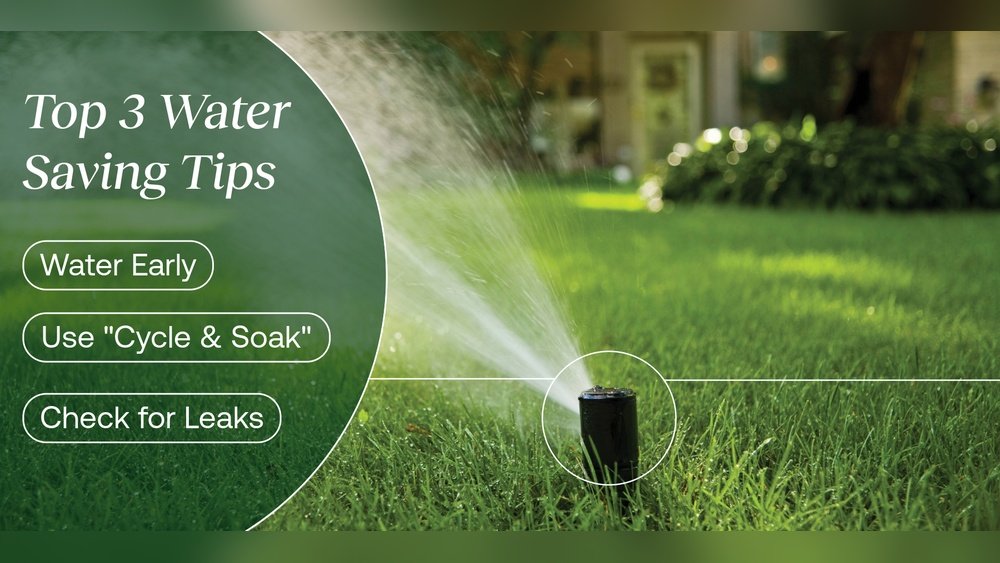
Want a lush, green lawn without wasting a drop of water? Using a water-efficient sprinkler system is the smart way to keep your grass healthy while saving money on your water bill.
But it’s not just about turning the sprinklers on and off. To get the best results, you need to know how to set up, adjust, and run your system properly. In this guide, you’ll discover simple steps to make your sprinkler system work smarter—not harder—so your lawn stays vibrant and your water use stays low.
Ready to transform your lawn care routine? Let’s dive in.
Credit: www.groundsguys.com
Choosing The Right Sprinkler System
Choosing the right sprinkler system is key to saving water and keeping your lawn green. The perfect system matches your lawn’s size and shape. It also uses technology to reduce waste. Understanding different types helps you make a smart choice. Your lawn will get just the right amount of water.
Types Of Water-efficient Sprinklers
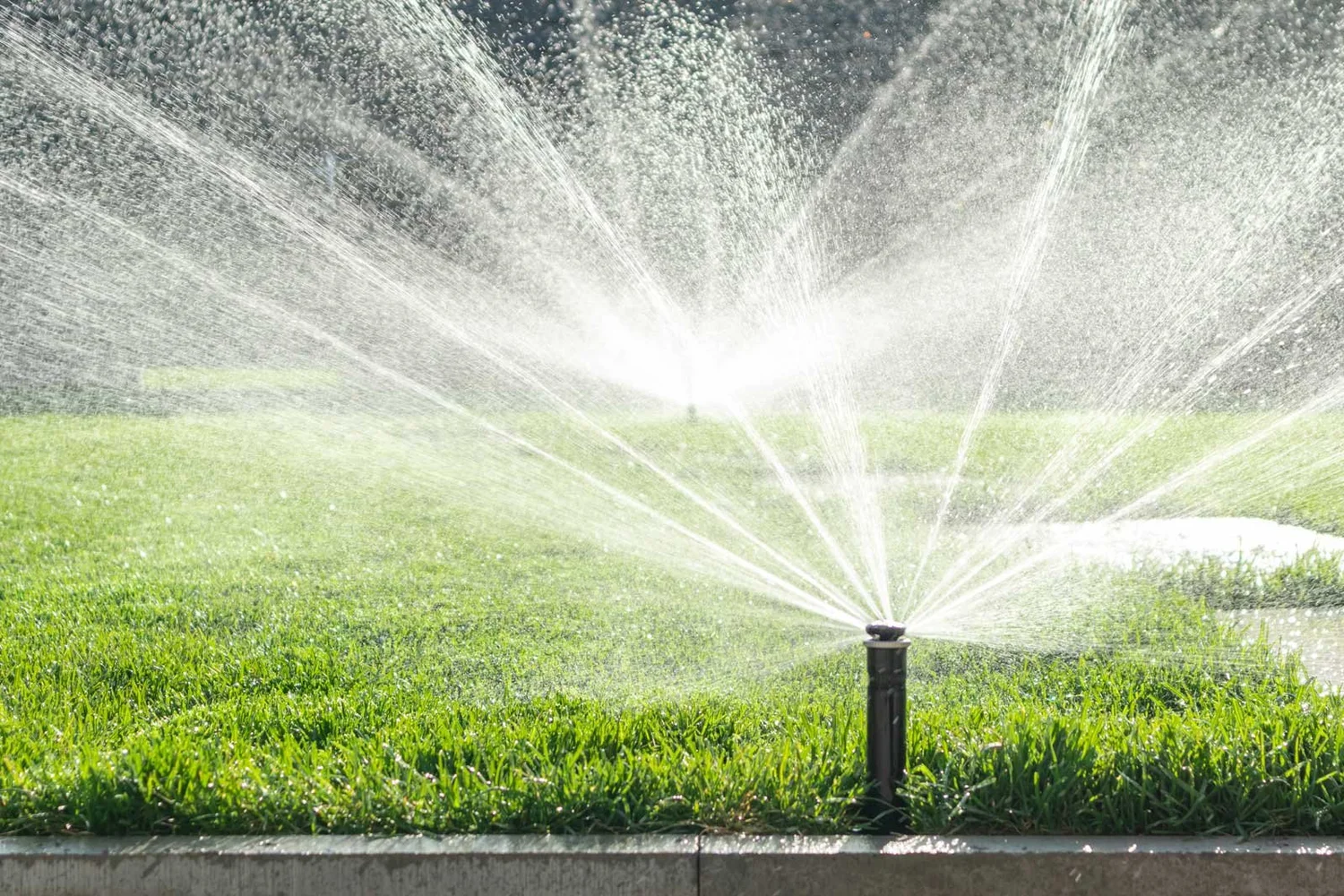
There are several types of water-efficient sprinklers. Drip sprinklers deliver water slowly and directly to roots. Rotor sprinklers cover large areas with rotating spray. Spray sprinklers provide a fixed, even mist over small spaces. Each type uses water differently to prevent runoff and evaporation.
Matching Sprinklers To Lawn Size
Small lawns benefit from spray or drip sprinklers. Larger lawns need rotor sprinklers for wide coverage. Divide your lawn into zones for better control. Choose sprinklers that fit each zone’s area. This avoids watering empty spaces and saves water.
Smart Technology Options
Smart sprinkler systems use weather data to adjust watering times. Sensors detect soil moisture to prevent overwatering. Wi-Fi controllers let you manage sprinklers from your phone. These features cut water waste and keep your lawn healthy.
Installing Your Sprinkler System
Installing a water-efficient sprinkler system starts with careful preparation. A well-planned setup ensures even watering and saves water. Follow these steps to install your system correctly and protect your lawn.
Planning The Layout
Begin by measuring your lawn’s size and shape. Sketch a map marking trees, flower beds, and obstacles. Divide the lawn into sections based on water needs. This helps create zones for better control. Proper planning avoids water waste and dry patches.
Proper Sprinkler Head Placement
Place sprinkler heads to cover the entire lawn without overlap. Position them near edges and corners for full reach. Keep heads away from driveways and sidewalks to prevent runoff. Use heads with adjustable spray patterns for different areas. Correct placement ensures water reaches all grass evenly.
Setting Up Zones
Group sprinklers into zones based on water requirements and plant types. Each zone can run separately to deliver the right amount of water. Use an automatic timer to schedule watering times for each zone. Zoning reduces water use and keeps your lawn healthy.
Adjusting Watering Schedules
Adjusting watering schedules is key to using a water-efficient sprinkler system effectively. It helps you save water and keeps your lawn healthy. Changing the schedule based on time of day, season, and weather can make a big difference. This section explains how to fine-tune your watering routine.
Watering At Optimal Times
Water your lawn early in the morning or late in the evening. During these times, less water evaporates from the soil. Your lawn absorbs more water, reducing waste. Avoid watering in the heat of the day when the sun is strongest. This practice ensures water reaches the roots efficiently.
Seasonal Schedule Changes
Adjust your watering schedule with the seasons. Grass needs less water in cooler months and more in hot, dry months. Reduce watering frequency in fall and winter to avoid overwatering. Increase watering during summer to help your lawn stay green and healthy. Seasonal changes help prevent water waste and lawn damage.
Using Weather-based Controllers
Install weather-based controllers to automate your sprinkler system. These devices use local weather data to adjust watering times. They pause watering during rain or increase it during dry spells. This technology saves water and keeps your lawn hydrated. It takes the guesswork out of watering schedules.
Credit: www.coryslawnservice.com
Operating Your Sprinkler Efficiently
Operating your sprinkler efficiently helps save water and keeps your lawn healthy. Proper use reduces waste and improves water absorption. This section explains simple ways to run your system effectively.
Cycle And Soak Method
Run your sprinkler in short cycles instead of one long session. Water for a few minutes, then pause to let soil soak it in. Repeat the cycle to avoid runoff and deep watering. This method helps water reach roots better.
Controlling Spray Intensity
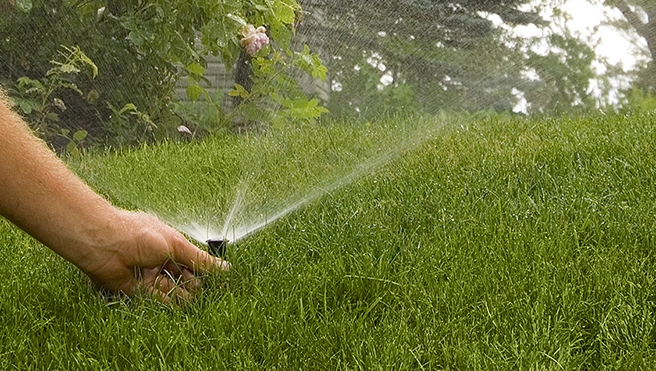
Adjust the sprinkler’s spray to match your lawn’s needs. Turn the diffuser pin or screw to soften the spray for new grass. For mature lawns, use a stronger spray to cover larger areas. Proper spray prevents water waste and uneven watering.
Monitoring Soil Moisture
Check soil moisture regularly to decide when to water. Use a moisture meter or simply dig a small hole to feel the soil. Water only when the top few inches are dry. This prevents overwatering and keeps your lawn green.
Maintaining The System
Maintaining your water-efficient sprinkler system keeps it running smoothly and saves water. Regular care avoids costly repairs and ensures even watering. Simple upkeep tasks help your lawn stay healthy and green year-round.
Regular Inspection And Repairs
Check your sprinkler system often for leaks or broken parts. Look for wet spots or dry patches on your lawn. Repair damaged sprinkler heads and fix leaks quickly. Small problems can waste water and harm your lawn. Tighten loose connections and replace worn-out parts as needed.
Cleaning Nozzles And Filters
Remove dirt and debris from nozzles to keep water flowing well. Clogged nozzles reduce spray and cause uneven watering. Clean filters regularly to prevent blockages. Use a soft brush or soak parts in water to clear buildup. Clean parts improve water efficiency and lawn health.
Winterizing Your Sprinkler
Prepare your sprinkler system for winter to avoid damage from freezing. Drain all water from pipes and sprinkler heads. Use an air compressor to blow out any remaining water. Cover exposed parts to protect them from cold. Winterizing extends the life of your system and prevents costly fixes.
Credit: www.yourgreenpal.com
Additional Water-saving Tips
Saving water on your lawn goes beyond just using a water-efficient sprinkler system. Simple steps around your yard can help reduce water use and keep your lawn healthy. These extra tips work well with your sprinkler to stretch every drop of water further.
Using Mulch And Ground Cover
Mulch keeps soil moist by reducing evaporation. Spread a layer around plants and flower beds. It also prevents weeds that compete for water. Ground cover plants protect soil and reduce water loss. They act like a natural blanket for your lawn.
Choosing Drought-tolerant Grass
Some grasses need less water to stay green. Types like Bermuda, Zoysia, or Buffalo grass survive dry spells better. These grasses use water wisely and stay healthy with less irrigation. Planting drought-tolerant grass lowers your overall water needs.
Collecting Rainwater
Rainwater collection saves tap water and reduces bills. Use barrels or tanks to catch runoff from roofs. This water can irrigate your lawn during dry days. Rainwater is natural and free of chemicals, making it great for plants.
Frequently Asked Questions
How Long Should You Water Grass With A Sprinkler System?
Water grass with a sprinkler for about 15-30 minutes per session. Water early morning to reduce evaporation. Adjust based on soil type and weather.
What Is The 30/30 Rule For Irrigation?
The 30/30 rule for irrigation means watering for 30 minutes, then waiting 30 minutes before watering again. This prevents runoff and improves water absorption.
What Is The 1/2/3/2:1 Watering Method?
The 1/2/3/2:1 watering method means watering for 1 minute, resting 2, watering 3, resting 2, then watering 1 minute. It balances moisture and prevents runoff.
How To Use A Water Sprinkler For A Lawn?
Place the sprinkler evenly to cover the lawn. Adjust spray intensity for new or mature grass. Water early morning to reduce evaporation. Set timer for 15-30 minutes based on soil type. Move sprinkler periodically to avoid overwatering one spot.
Conclusion
Using a water-efficient sprinkler system saves water and keeps your lawn healthy. Set the right watering times to avoid waste. Adjust the sprinkler heads for even coverage. Regularly check your system for leaks or clogs. Water early in the morning or late at night to reduce evaporation.
These simple steps help your lawn thrive while conserving water. Taking care of your lawn this way benefits the environment and lowers your water bills. Start using your sprinkler system wisely and enjoy a green, vibrant lawn all year.