
Are you tired of watching your garden struggle despite watering it regularly? The secret to a thriving, lush garden isn’t just how much water you use—it’s how efficiently you deliver it.
Using a sprinkler system the right way can save you time, reduce water waste, and help your plants grow stronger. You’ll discover simple, proven techniques like the “cycle and soak” method that make every drop count. Ready to transform your garden care routine and enjoy healthier plants without extra effort?
Keep reading to learn exactly how to water your garden efficiently using a sprinkler system.
Sprinkler System Types
Choosing the right sprinkler system type helps water your garden efficiently. Different types suit different garden sizes and plant needs. Understanding each system allows better watering, saving water and time.
Pop-up Sprinklers
Pop-up sprinklers stay hidden when off. They rise during watering and spray water evenly. These work well for lawns and flat gardens. They reduce water waste by targeting specific areas.
Rotary Sprinklers
Rotary sprinklers spin to cover large areas. They deliver water in a circular motion. These sprinklers suit bigger gardens or lawns. Their slow rotation helps water soak into the soil well.
Drip Irrigation
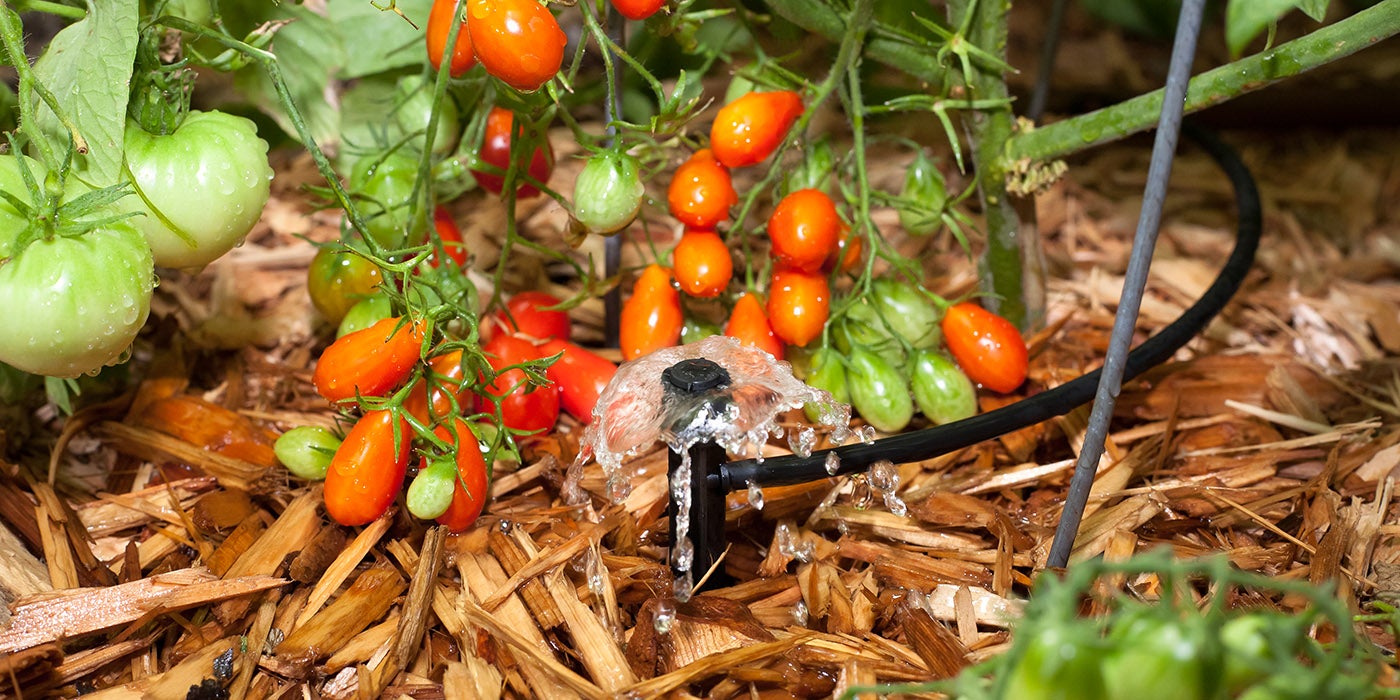
Drip irrigation releases water slowly at plant roots. It uses tubes with small holes or emitters. This method saves water by avoiding evaporation. Ideal for vegetable gardens and flower beds.
Setting Up Your Sprinkler
Setting up your sprinkler system correctly is key to watering your garden efficiently. Proper setup saves water and keeps plants healthy. It requires careful planning and adjustments. This section guides you through the essential steps to set up your sprinkler system for the best results.
Choosing Sprinkler Locations
Place sprinklers where water reaches all plants. Avoid areas blocked by trees or buildings. Position sprinklers at garden edges to cover corners. Make sure sprinklers do not spray sidewalks or driveways. Group plants with similar water needs close together. This helps avoid overwatering some areas and underwatering others.
Adjusting Spray Patterns
Set spray patterns to match plant shapes and sizes. Use full-circle spray for large, open areas. Half-circle spray works well near walls or fences. Quarter-circle sprays are great for tight corners. Adjust the spray distance to avoid wasting water. Keep spray low to reduce wind drift and evaporation.
Ensuring Even Coverage
Overlap sprinkler spray areas slightly to prevent dry spots. Check your garden after watering to spot uneven coverage. Rotate sprinkler heads or adjust angles if needed. Use different sprinkler types for varied garden zones. Regularly inspect the system for leaks or blockages. Even watering helps plants grow strong and healthy.
Watering Techniques
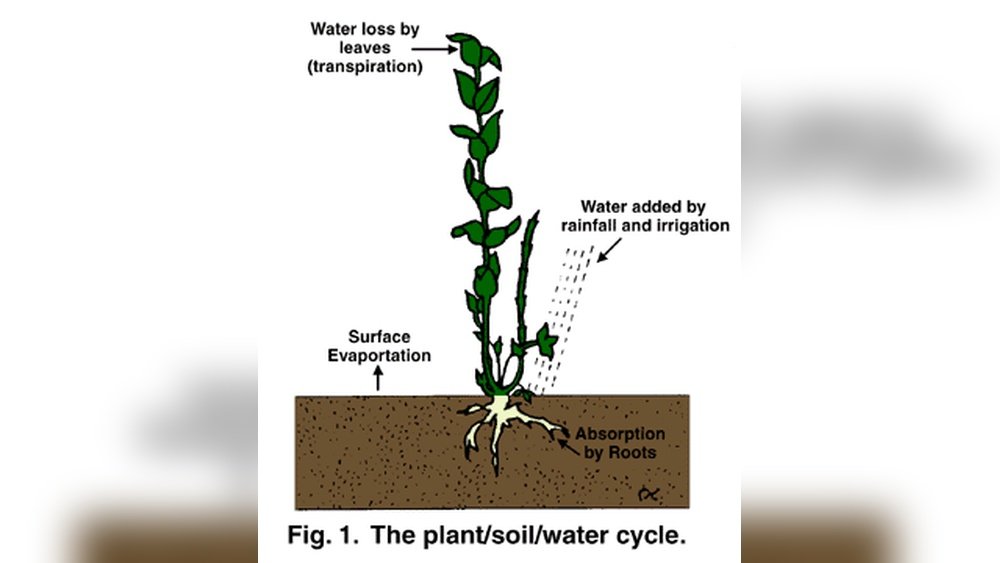
Efficient watering techniques help your garden thrive while saving water. Using a sprinkler system correctly ensures plants receive the right amount of water. It also reduces runoff and evaporation. Adopting smart watering habits can improve plant health and lower water bills.
Cycle And Soak Method
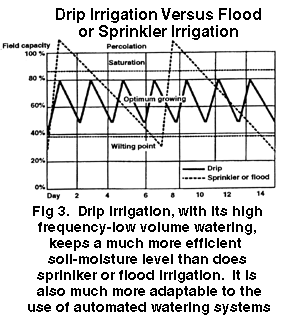
The cycle and soak method waters in short intervals. First, run the sprinkler for a few minutes. Then pause to let water soak into the soil. Repeat this cycle several times. This prevents water runoff on slopes and hard soil. It helps roots absorb moisture deeply. Use this method for areas with poor drainage or compacted soil.
Watering Frequency By Season
Watering needs change with the seasons. In spring and fall, water less often. Plants grow slower and need less water. In summer, increase watering frequency. Hot weather dries soil quickly. During winter, reduce watering or stop if there is rain. Adjust your sprinkler schedule to match seasonal changes. This keeps plants healthy and conserves water.
Best Time Of Day To Water
Water your garden early in the morning. This reduces evaporation from heat and wind. Morning watering allows plants to dry before night. Wet leaves overnight can cause disease. Avoid watering in the afternoon when the sun is strong. Evening watering can lead to fungal problems. Early morning is the safest and most efficient time.
Credit: www.rainbird.com
Soil And Terrain Considerations
Efficient watering depends on understanding the soil and terrain of your garden. Different soils absorb water at various rates. The shape of your land also affects how water spreads. Adjusting your sprinkler system to these factors can save water and keep plants healthy.
Watering On Slopes
Water runs downhill quickly on slopes. Sprinkling too much water at once causes runoff. Use short watering cycles to let water soak in gradually. Position sprinklers to spray across the slope, not down it. This reduces water waste and erosion.
Clay Vs Sandy Soil
Clay soil holds water but drains slowly. Watering too fast causes puddles and runoff. Sandy soil drains quickly and holds less water. It needs more frequent watering in smaller amounts. Adjust sprinkler timing based on your soil type for best results.
Improving Soil Absorption
Add organic matter like compost to improve soil structure. This helps both clay and sandy soils hold water better. Mulching around plants reduces evaporation and keeps soil moist longer. Check soil moisture regularly to avoid over- or underwatering.
Water Conservation Tips
Saving water while keeping your garden healthy is very important. Using a sprinkler system wisely helps reduce water use. Smart watering means your plants get enough water without waste. The following tips show easy ways to save water and improve your garden’s health.
Using Timers And Sensors
Timers control when and how long sprinklers run. Set them to water early morning or late evening. This reduces evaporation from heat. Sensors check soil moisture and stop watering if the ground is wet. This stops watering after rain or dew. Timers and sensors save water automatically and make watering easy.
Avoiding Runoff And Waste
Water should soak into the soil, not run off. Runoff wastes water and can harm plants. Use short watering cycles with breaks to let soil absorb water. Avoid watering hard surfaces like sidewalks or driveways. Adjust sprinklers to target only garden areas. These steps stop water waste and protect your garden.
Maintaining Your System
Check your sprinkler system regularly for leaks or broken heads. Clean clogged nozzles to keep water flow even. Fix any broken parts quickly to avoid water loss. Regular maintenance keeps your system efficient and saves water. Well-maintained systems deliver water where plants need it most.
Troubleshooting Sprinkler Issues
Troubleshooting sprinkler issues is key to keeping your garden healthy and green. A sprinkler system can face problems that reduce its efficiency. Knowing how to identify and fix these issues saves water and time. Regular checks help spot problems early before they grow worse.
Common Problems And Fixes
Sprinkler heads may not spray water evenly. Dirt or debris often blocks the spray. Clean the heads regularly to avoid this. Sometimes, the system runs but no water comes out. Check if the valve is open or if the timer is set correctly. Broken or cracked sprinkler heads cause water leaks. Replace damaged parts to stop water waste.
Dealing With Low Water Pressure
Low water pressure leads to weak water flow and poor coverage. Check if other water fixtures are running at the same time. This can reduce pressure. Inspect the main water valve to ensure it is fully open. Narrow or clogged pipes lower pressure. Clean or replace old pipes if needed. Using a pressure booster pump can help in some cases.
Preventing Clogs And Leaks
Clogs often come from dirt, sand, or leaves inside the system. Use a filter or screen at the water source to catch debris. Flush the system regularly to clear out particles. Leaks waste water and increase bills. Look for wet spots or puddles near the sprinkler lines. Tighten loose fittings and replace worn seals to stop leaks.
Enhancing Garden Health
Efficient watering with a sprinkler system can greatly improve your garden’s health. Proper watering supports stronger plants and vibrant growth. It also helps prevent common problems caused by overwatering or underwatering. Follow these tips to make your sprinkler system work best for your garden.
Encouraging Deep Root Growth
Deep roots make plants stronger and more drought-resistant. Water slowly and deeply with your sprinkler to reach the roots. Avoid frequent shallow watering that encourages surface roots. Set your sprinkler to run longer but less often. This helps roots grow downwards in search of water. Strong roots improve plant stability and nutrient uptake.
Reducing Disease Risk
Sprinkler watering can increase leaf wetness, which may cause disease. Water early in the morning to let leaves dry during the day. Avoid watering in the evening when moisture stays on leaves overnight. Use a sprinkler that delivers water close to the soil, not on foliage. Dry leaves reduce the chance of fungal and bacterial infections.
Complementing With Mulching
Mulch helps keep soil moist and cool. Spread mulch around plants to reduce evaporation. This lowers how often you need to run your sprinkler. Mulch also prevents soil from compacting and protects roots. Combine mulch with sprinkler watering for healthier, more resilient plants.
Credit: aggie-horticulture.tamu.edu

Credit: joegardener.com
Frequently Asked Questions
How Long Should You Water Your Garden With A Sprinkler System?
Water your garden 15-30 minutes per session, early morning or late evening, using cycle and soak to prevent runoff and promote deep roots. Adjust frequency seasonally, watering less in spring/fall and more in summer for efficient absorption and healthy growth.
What Is The 30/30 Rule For Irrigation?
The 30/30 rule for irrigation means watering for 30 minutes, then waiting 30 minutes to let soil absorb water. Repeat as needed.
What Is The 1/2/3/2:1 Watering Method?
The 1/2/3/2:1 watering method splits watering into cycles: 1 minute on, 2 off, 3 on, 2 off, then 1 minute on. It prevents runoff and promotes deep soil absorption. This technique helps roots grow stronger and reduces water waste. Use it especially on slopes or clay soils.
How Long Do I Leave Grow A Garden For The Sprinkler Method?
Water your garden using the sprinkler method for 15-30 minutes per session. Use the cycle and soak technique for deep soil absorption and healthier roots. Adjust frequency from once weekly in spring to thrice weekly in summer to promote strong growth and prevent runoff.
Conclusion
Using a sprinkler system saves water and time in your garden. Set timers to water early morning or late evening. Adjust the schedule as seasons change for best results. Regularly check sprinkler heads to avoid leaks and uneven coverage. Deep, slow watering helps roots grow strong and healthy.
Efficient watering keeps your plants happy and your garden green. Simple steps make watering easier and more effective every day.