
Last updated: October 2026 · Written by the LawnVibe editorial team.
One acre is the point where a push mower stops making sense. A zero-turn mower steers by spinning its rear wheels at different speeds, letting it pivot in place, trim around trees and finish an acre far faster than a lawn tractor. The best zero-turn for 1 acre has a deck in the 42 to 54 inch range, enough engine power or battery capacity to finish without stopping, and a seat comfortable enough for weekly use. Our top pick is the EGO Power+ Z6 42 inch electric zero-turn, which is quiet, low maintenance and sized well for lots with trees and gates. Below we compare five mowers, including gas models and a tractor-style alternative for hills, plus three accessories that make owning a zero-turn easier.
Listings change often, so check current details on Amazon before you buy. As an Amazon Associate we earn from qualifying purchases.
Our top picks at a glance
| # | Product | Best for | Link |
|---|---|---|---|
| 1 | EGO Power+ Z6 42 inch Zero-Turn Electric Riding Mower (ZT4204L) | Quiet, low-maintenance mowing of about an acre | Check price |
| 2 | PRORUN 60V Brushless Zero-Turn Riding Mower | Owners who want spare capacity beyond an acre | Check price |
| 3 | Husqvarna Z254 54 inch 24 HP Briggs Zero-Turn | Open acre lots and bigger properties | Check price |
| 4 | Husqvarna Z254F 54 inch 23 HP Kawasaki Zero-Turn | Heavy use and longer seasons | Check price |
| 5 | EGO Power+ Electric Riding Lawn Mower | Hilly acre lots where a tractor-style mower is safer | Check price |
| 6 | MoJack EZ Max Riding Mower Lift (450 lb) | DIY blade sharpening and deck cleaning | Check price |
| 7 | Agri-Fab 45-0627 Zero-Turn Electric Spreader (125 lb) | Feeding and seeding an acre lawn | Check price |
| 8 | Classic Accessories Zero-Turn Mower Cover (Medium) | Mowers stored outdoors or in an open shed | Check price |
Best zero-turn for 1 acre: reviews

EGO Power+ Z6 42 inch Zero-Turn Electric Riding Mower (ZT4204L)
Best for: Quiet, low-maintenance mowing of about an acre
A battery-powered zero-turn with a 42 inch deck from EGO, a deck size that suits typical 1 acre lots with gates and trees.
- No gas, oil or tune-ups
- Quiet operation
- 42 inch deck fits through more gates
- Runtime depends on battery count and grass
- Higher upfront cost than small gas models
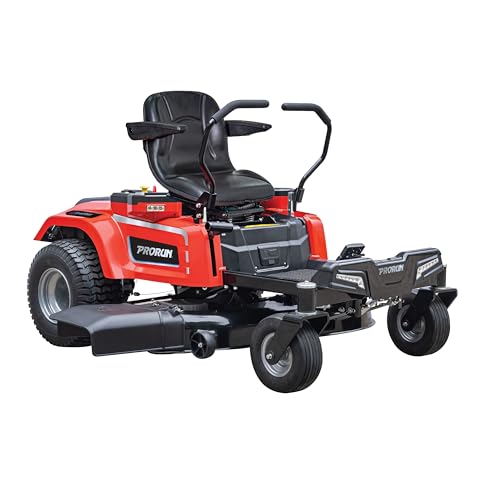
PRORUN 60V Brushless Zero-Turn Riding Mower
Best for: Owners who want spare capacity beyond an acre
An electric zero-turn with four brushless motors that the listing says covers up to 2 acres or about 70 minutes per charge with the included batteries.
- Rated runtime well beyond 1 acre
- Brushless motors
- Zero emissions
- Newer, less established brand
- Check service support in your area

Husqvarna Z254 54 inch 24 HP Briggs Zero-Turn
Best for: Open acre lots and bigger properties
A gas zero-turn from Husqvarna with a 24 HP Briggs engine and 54 inch reinforced steel deck for covering big lawns in fewer passes.
- Wide 54 inch deck
- Reinforced steel deck
- Well-known brand
- 54 inch deck may not fit narrow gates
- Needs fuel and routine engine care
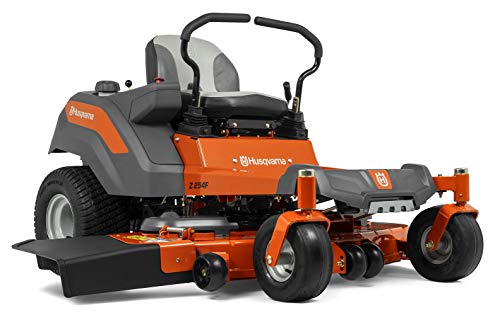
Husqvarna Z254F 54 inch 23 HP Kawasaki Zero-Turn
Best for: Heavy use and longer seasons
A 54 inch zero-turn with a 23 HP Kawasaki engine, a popular engine choice among buyers who mow often.
- Kawasaki engine
- 54 inch deck
- Fast mowing on open ground
- Zero-turns need care on slopes
- Large footprint for storage

EGO Power+ Electric Riding Lawn Mower
Best for: Hilly acre lots where a tractor-style mower is safer
An EGO battery riding mower that the maker says delivers the equivalent of 21 HP and cuts up to 1.5 acres per charge.
- Rated for 1.5 acres
- Steering wheel control
- Quiet electric power
- Not a zero-turn, less agile around trees
- Higher upfront cost

MoJack EZ Max Riding Mower Lift (450 lb)
Best for: DIY blade sharpening and deck cleaning
A mower lift rated for 450 lb that fits most residential riding and zero-turn mowers, making blade changes and deck cleaning easier.
- Fits most residential ZTRs
- Makes blade changes easier
- Folds for storage
- Check your mower weight first
- Accessory, not a mower

Agri-Fab 45-0627 Zero-Turn Electric Spreader (125 lb)
Best for: Feeding and seeding an acre lawn
An electric broadcast spreader with a 125 lb hopper designed to mount on zero-turn mowers for spreading seed and fertilizer.
- Spreads while you mow
- Large hopper
- Electric control
- Compatibility depends on mower
- Adds weight to the mower

Classic Accessories Zero-Turn Mower Cover (Medium)
Best for: Mowers stored outdoors or in an open shed
A fitted cover for zero-turn mowers that protects the seat, controls and engine from sun, rain and dust.
- Protects from weather
- Fitted design
- Known cover brand
- Check size against your deck
- Not a substitute for indoor storage
How we chose these mowers
We looked for residential zero-turns that suit a 1 acre lot: deck sizes from 42 to 54 inches, electric models with rated coverage at or above an acre and gas models from established brands. Because many acre lots have slopes, we included an electric riding mower with a steering wheel as a safer alternative on hills. We added a mower lift, a zero-turn spreader and a cover, since these are the accessories most owners end up buying. We do not list prices because they change often.
Choosing a deck size for 1 acre
Deck width decides how many passes you make. A 42 inch deck is the sweet spot for many 1 acre properties: wide enough to finish quickly, narrow enough to fit through most garden gates and between trees. A 48 inch deck is a good compromise for more open lawns. A 54 inch deck cuts the most per pass and suits open, rectangular acres, but check gate widths, shed doors and trailer space before buying. Measure your narrowest gap and add a few inches of clearance.
Electric vs gas zero-turns
Electric zero-turns are quiet, start instantly and need no oil changes, spark plugs or fuel stabilizer. You charge them in the garage like a phone. Their limits are runtime and price: make sure the rated coverage is comfortably above your lawn size, because tall or wet grass and hills drain batteries faster. Gas zero-turns offer unlimited runtime with a refuel, strong power for thick grass and usually a lower upfront cost at larger deck sizes. They need regular engine maintenance and are louder. For a typical 1 acre suburban lot, electric is increasingly practical; for rough, overgrown or larger properties, gas still has an edge.
Zero-turn vs lawn tractor
A zero-turn is faster and far more maneuverable around trees, beds and play sets, which saves a lot of trimming. A lawn tractor steers with a wheel and front wheels, which gives better control and stability on slopes and makes it easier to tow carts, aerators and spreaders. If your acre is mostly flat with lots of obstacles, choose a zero-turn. If it is hilly or you plan to tow heavy attachments, a tractor or tractor-style electric rider may suit you better. Our comparison of zero-turn vs lawn tractor covers this in depth.
Slopes and safety
Zero-turns steer and brake through the rear wheels. On slopes, especially when grass is wet, the rear tires can lose traction and the mower can slide or tip. Always follow the maker's maximum slope rating, mow up and down slopes rather than across where the manual advises, slow down on hills and avoid mowing near ditches, ponds and drop-offs. Keep the rollover protection system raised and wear the seat belt where fitted. Read our guide on whether zero-turn mowers are good on hills before buying for a sloped lot. The U.S. Consumer Product Safety Commission also publishes riding mower safety guidance.
How long does it take to mow an acre?
Mowing time depends on deck width, ground speed, how many obstacles you work around and whether you bag clippings. As a rough illustration, a wider deck moving at a steady pace covers an open acre much faster than a narrow one, but trees, beds, fences and slopes can easily double the time. Zero-turns gain most of their time savings around obstacles, because they pivot instead of backing up and making multi-point turns. If you currently mow an acre with a push mower, a zero-turn typically turns a half-day job into well under an hour or two.
Bagging, mulching or side discharge
Most residential zero-turns side-discharge clippings by default. Side discharge is fastest and handles longer grass, but leaves clumps if the grass is tall or wet. Mulching with a mulch kit chops clippings finely and returns nutrients to the lawn, but works best when you mow regularly. Bagging gives the tidiest finish and collects leaves in autumn, but bag systems are bulky and slow you down on an acre because you have to stop and empty them. Many owners mulch through the season and use a bagger only for leaf cleanup. See how to mulch leaves with a riding mower for fall tips.
Budget and total cost of ownership
The purchase price is only part of the cost. Gas zero-turns need oil, filters, spark plugs, fuel and occasional repairs. Electric zero-turns cost more upfront but have very low running costs and fewer parts to wear out; their main long-term cost is eventual battery replacement. Factor in accessories, a trailer or ramp if you need to transport the mower and storage space. Buying from a brand with local dealer support makes warranty claims and parts much easier. Our zero-turn buying guide breaks down these costs in more detail.
How to drive a zero-turn
Zero-turns use two lap bars instead of a steering wheel. Push both bars forward evenly to go straight, pull them back to reverse, and push one further than the other to turn. It takes a few sessions to get smooth. Start in an open area at low speed, practice gentle turns before tight pivots and avoid sharp spins on soft turf, which can tear grass. Our guide on how to operate a zero-turn lawn mower walks through the controls step by step.
Mowing an acre efficiently
- Trim first: cut around obstacles and edges, then mow the open areas.
- Mow in long straight lines with slight overlap to avoid stripes of uncut grass.
- Use three-point turns at the end of rows on delicate grass instead of pivoting in place.
- Mow when the grass is dry for a cleaner cut and better traction.
- Keep blades sharp so the mower does not need to go slowly to cut cleanly.
- Do not cut more than a third of the blade height at once.
Key features to compare
- Deck size and construction: fabricated steel decks are stronger than stamped decks.
- Engine or battery: gas engine size and brand, or battery capacity and rated acreage.
- Ground speed: faster top speed helps on open lawns.
- Seat and comfort: a high-back seat and armrests make a difference over an hour of mowing.
- Cutting height range and how easy the height lever is to use.
- Tires: wider rear tires give better traction and less turf damage.
- Warranty and dealer support for parts and repairs.
Maintenance
Gas zero-turns need oil changes, air filter cleaning, spark plug checks and fuel stabilizer for storage. Both gas and electric models need blade sharpening, deck cleaning, tire pressure checks and greasing of spindles and pivot points where fittings are provided. A mower lift makes blade changes and deck cleaning much easier. Our guide on how to grease a zero-turn mower deck covers one of the most overlooked jobs.
Storage
Give the mower a dry, level parking spot with enough room to walk around it for maintenance. Measure your garage or shed door before buying, since 54 inch decks and rollover bars need generous clearance.
Store the mower in a garage or shed if possible. If it must stay outside, use a fitted cover and park it on firm, level ground. For electric models, follow the maker's battery storage advice over winter, usually storing at partial charge in a cool, dry place. For gas models, add fuel stabilizer or run the tank empty before long storage.
Useful accessories
- Mower lift for blade changes and cleaning.
- Spreader that mounts on the mower for seed and fertilizer.
- Cover for outdoor or open-shed storage.
- Suspension seat upgrades for rough lawns.
- Bagger or mulching kit depending on how you handle clippings.
Common mistakes
- Buying a deck too wide for your gates.
- Mowing slopes beyond the rated limit.
- Pivoting hard on wet turf, tearing the lawn.
- Skipping blade sharpening.
- Choosing an electric model with rated coverage barely matching your lawn.
- Leaving the rollover bar folded down while mowing near slopes or ditches.
- Ignoring tire pressure, which causes uneven cuts and poor traction; see how to inflate a riding mower tire.
- Mowing the same pattern every week, which can rut the lawn; alternate directions.
Is a zero-turn worth it for 1 acre?
For most flat or gently sloping acre lots with trees and beds, yes. A zero-turn saves a lot of time every week of the mowing season and reduces the amount of trimming afterwards. If your lawn is steep or you need to tow heavy attachments, a lawn tractor or a tractor-style electric rider may be the better investment. For smaller properties, a self-propelled walk mower is still the most economical choice; compare our list of the best self-propelled lawn mower options before deciding.
The bottom line
For most 1 acre lawns, the EGO Power+ Z6 42 inch electric zero-turn is our top pick: quiet, low maintenance and sized for lots with trees and gates. Choose the PRORUN 60V if you want electric with extra runtime, a Husqvarna Z254 with a 54 inch deck for open acres, the Kawasaki-powered Z254F for heavy use and the EGO electric riding mower if your lot has slopes where a steering-wheel mower is safer. Add a lift, a spreader and a cover to make ownership easier.
Frequently Asked Questions
What size zero-turn do I need for 1 acre?
A 42 to 48 inch deck suits most 1 acre lawns, especially with trees, beds and gates. A 54 inch deck is faster on open ground but harder to fit through narrow spaces.
How long does it take to mow 1 acre with a zero-turn?
On an open lawn, often well under an hour, though trees, beds, slopes and bagging all add time.
Is an electric zero-turn good for 1 acre?
Yes, if its rated runtime or coverage comfortably exceeds your lawn size. Electric ZTRs are quiet and need less maintenance than gas models.
Are zero-turn mowers safe on hills?
Zero-turns can lose traction and steering on slopes, especially when wet. Follow the maker's slope limit and consider a lawn tractor for steep yards.
Is a zero-turn worth it over a lawn tractor for 1 acre?
It is faster and better around trees and beds. A tractor is more stable on hills and can tow larger attachments.