
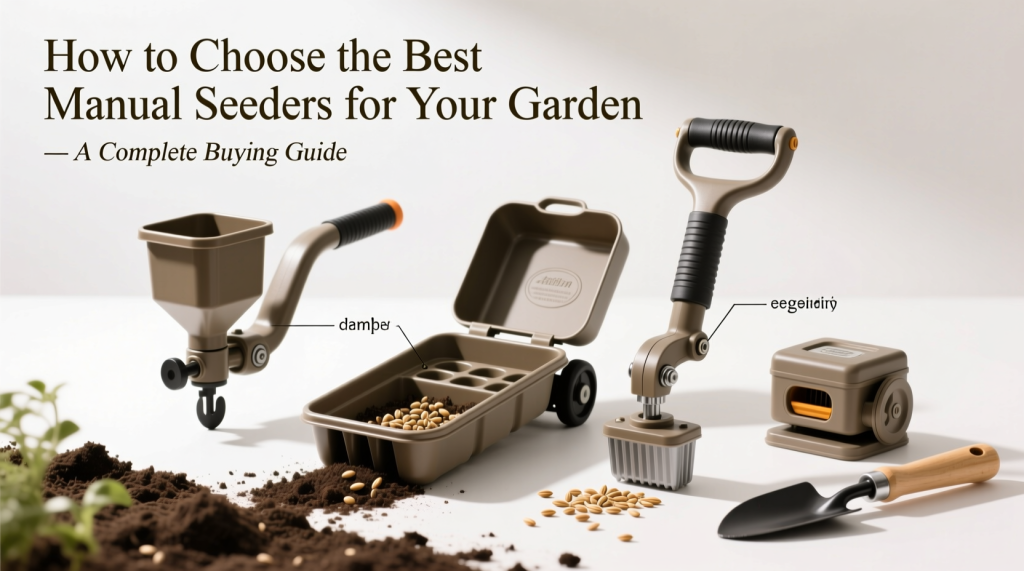
Using a seeder tool streamlines the planting process, ensuring even seed distribution. Imagine stepping into your garden, knowing every seed is perfectly placed for optimal growth. Using a seeder tool in your gardening routine not only saves time but also promises uniformity and precision. Whether you're a seasoned gardener or just starting, mastering this tool can transform your planting experience. Dive into this guide to learn everything about how to use a seeder tool effectively, making your garden thrive like never before.
Understanding Seeder Tools
Using a seeder tool might be the best decision you make for your garden. These handy implements are designed for distributing seeds uniformly, which can enhance growth rates and yields. Let’s explore the types and functionality of seeder tools.
Types of Seeder Tools
- Handheld Seeders: Perfect for small gardens, offering control and precision.
- Mechanical Seeders: Ideal for larger plots, these tools can cover more ground efficiently.
- Tractor-Mounted Seeders: Best for extensive farming or large gardens.
How Seeder Tools Work
Seeder tools often come with adjustable settings that control seed spacing and depth, ensuring optimal planting conditions. By calibrating the tool according to your seed type, you can significantly improve germination rates.
Benefits of Using Seeder Tools
- Time Efficiency: Reduce planting time significantly with quick and precise seed placement.
- Uniform Growth: Even seed distribution leads to balanced plant growth.
- Reduced Waste: Minimize seed wastage by planting the exact amount needed.
Steps to Use a Seeder Tool
- Prepare Your Soil: Ensure the soil is turned, leveled, and debris-free for the best results.
- Choose Your Seeder: Select a seeder based on the size of your garden and type of seeds.
- Calibrate the Seeder: Adjust settings for seed size and desired planting depth.
- Load the Seeds: Fill the seeder’s hopper with your chosen seeds.
- Operate the Seeder: Walk or drive along your plot, allowing the seeder to distribute seeds evenly.
Personal Insights and Tips
From my years of gardening, I've learned that taking the time to calibrate your seeder properly can make all the difference. One common mistake is setting the depth too shallow or deep, which can impact germination. Always take a moment to test on a small patch before proceeding.
Lessons Learned
- Test First: Always verify settings on trial runs.
- Maintenance is Key: Regular cleaning and checks ensure longevity and reliability.
- Practice Patience: Take your time to avoid mistakes that could hinder growth.
Frequently Asked Questions of How to Use a Seeder Tool in Garden Tips
How do I choose the right seeder tool?
Consider your garden size and seed type. Smaller gardens might require handheld seeders, while larger plots may benefit from mechanical or tractor-mounted options.
Do I need to prepare the soil before using a seeder tool?
Yes, ensure that the soil is well-tilled and free of rocks or debris to allow for uniform seed planting.
How often should I clean my seeder tool?
Clean after each use to prevent rust and ensure smooth operation. Regular maintenance enhances its lifespan.
Can all seeds be used with a seeder tool?
Most seeds can, but check the seeder’s specifications. Some might not handle extremely small or irregularly shaped seeds well.
Is a seeder tool suitable for all garden sizes?
They are versatile and can be used in various garden sizes, but it’s essential to select a model that fits your specific needs.
Conclusion
Seeder tools are a gardener’s best ally, transforming arduous tasks into enjoyable and efficient activities. By ensuring even seed distribution and saving precious time, these tools empower gardeners to focus on nurturing their plants to full bloom. Embrace technology in your gardening journey, and watch your garden flourish. Feel free to leave a comment below or subscribe for more gardening tips and tools to help your garden thrive!
