
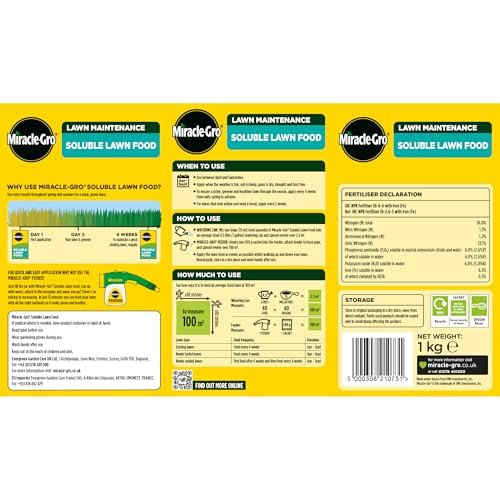
Choose Miracle-Gro for fast greening; pick Espoma for organic, soil-first care.
You want a greener lawn. Fast. But you also want a safe yard for kids and pets, and you care about soil health. That’s where the Miracle-Gro vs Espoma lawn fertilizer debate starts. Miracle-Gro brings speed and convenience. Espoma brings organic nutrition and long-term soil benefits. I’ve worked with both for new lawns, tired lawns, and high-traffic yards. In this detailed review, I break down how each performs, how they fit different goals, and which to buy for your grass type and season.
See the differences between my top picks at a glance.
| Product | Type | Release Speed | Best For | Pet/Kid Considerations | Coverage Notes |
|---|---|---|---|---|---|
| Miracle-Gro Lawn Food (1 kg) | Water-soluble synthetic | Fast, immediate feeding | Quick green-up; in-season color boost | Keep off until grass is dry after application | Coverage depends on mix rate and application style |
| Turf-Tone Lawn Starter, 30 lb (Bio-Tone) | Natural & organic starter | Slow, steady release | New lawns, overseeding, rooting | Safe when used as directed | Bag lists up to 3,000 sq. ft. |
| Espoma Organic All Season Lawn Food (2-Pack) | Organic, slow-release | Gradual feeding over weeks | Soil health, consistent greening | Pet-friendly once spread and watered in | Coverage varies by spreader setting and rate |
| Espoma Turf-Tone Weed Preventer, 25 lb | 100% corn gluten meal | Slow nitrogen; pre-emergent effect | Preventing new weeds; established lawns | Safe when used as directed | Timing is critical; follow label rates |
| Espoma Garden-Tone 3-4-4, 4 lb | Organic plant food | Slow | Vegetable and herb gardens | Safe when used as directed | Not formulated for lawns |
Miracle-Gro Lawn Food (1 kg)

Miracle-Gro Lawn Food 1 kg is a water-soluble formula. It feeds fast and shows color gains in days. That makes it great for mid-season boosts or a pre-party green-up. It dissolves in water and applies with a watering can or hose-end sprayer.
This product suits cool-season grasses like fescue, bluegrass, and rye. It also perks up warm-season lawns during active growth. Since it is synthetic, it relies on quick-available nutrients. Apply as directed, and water in. Avoid windy days to reduce drift.
Pros:
- Very fast greening on active lawns
- Easy mixing and hose-end application
- Flexible dosing by adjusting water rate
- Great for spot-treating weak areas
- Works during peak growth for visible results
Cons:
- Shorter feeding window than organic slow-release
- Higher burn risk if over-concentrated
- Less focus on long-term soil biology
What Amazon Buyers Are Saying
Reviewers often mention the quick color jump after the first application. Many like the convenience of a water-soluble mix. Some reviews note the need to follow the mixing instructions to avoid leaf burn. A few mention repeated applications are needed to sustain color.
My Recommendation
Use this if you want speed. It is ideal before events or to fix mid-season color dips. If you prefer organic feeding, look at Espoma options. For the Miracle-Gro vs Espoma lawn fertilizer choice, this is the “fast lane” pick.
| Category | Rating |
|---|---|
| Greening Speed | 5/5 |
| Burn Safety | 3.5/5 |
| Ease of Mixing | 4.5/5 |
| Coverage Flexibility | 4/5 |
| Long-Term Soil Benefits | 2.5/5 |
| Overall Rating | 4.1/5 |
Turf-Tone Lawn Starter, 30 lb (Bio-Tone)

This Turf-Tone Lawn Starter includes Espoma’s Bio-Tone microbes. It is a natural and organic blend that supports seedling roots. Expect slow, steady feeding with a focus on establishment. This bag covers up to 3,000 sq. ft. as listed.
Use it when seeding a new lawn or for overseeding. The formula supports roots and early growth. It suits cool- and warm-season grasses during seeding windows. It pairs well with topdressing and proper watering.
Pros:
- Safe for new seed and tender roots
- Includes beneficial microbes for soil health
- Slow release prevents surge growth
- Good coverage for small to mid lawns
- Low risk of burning when applied as directed
Cons:
- Not designed for fast color changes
- Organic odor may be noticeable after spreading
- Higher cost per 1,000 sq. ft. than basic synthetics
What Amazon Buyers Are Saying
Buyers who used it for new lawns often note solid germination support and steady growth. Many appreciate the organic profile and Bio-Tone inclusion. Some mention the smell right after application. Others wish for a faster cosmetic green during early weeks.
My Recommendation
Choose this for seeding and overseeding. It is built for roots, not quick color. In the Miracle-Gro vs Espoma lawn fertilizer debate, this wins for new lawns and long-term soil building.
| Category | Rating |
|---|---|
| New Lawn Support | 5/5 |
| Root Development | 4.5/5 |
| Burn Safety | 4.5/5 |
| Application Ease | 4/5 |
| Value per 1,000 sq. ft. | 4/5 |
| Overall Rating | 4.4/5 |
Espoma Organic All Season Lawn Food (2-Pack)

Espoma Organic All Season Lawn Food is designed for steady feeding. It uses organic nitrogen sources and the Bio-Tone formula. That supports soil microbes and long-term turf health. Expect a gradual green-up and more even growth.
This is a great pick if you want a safer, soil-first path. It avoids the surge growth and quick fade you get from many synthetics. It is easy to spread and water in. The 2-pack offers more seasonal coverage for small to mid lawns.
Pros:
- Organic nitrogen supports soil life
- Steady greening without surge growth
- Pet- and kid-friendly when used as directed
- Good for repeated seasonal applications
- Helps improve turf resilience over time
Cons:
- Slower cosmetic results than fast-acting synthetics
- May require multiple bags for large properties
- Organic smell after spreading (short-lived)
What Amazon Buyers Are Saying
Many reviewers call out the even growth and fewer flushes. They like the organic approach and repeat it through the season. Some wish the green pop came faster. A few mention they needed patience to see the full benefit.
My Recommendation
This is my go-to for routine feedings on established lawns. It fits homeowners who care about the yard’s ecosystem. In the Miracle-Gro vs Espoma lawn fertilizer matchup, this wins for long-term soil health.
| Category | Rating |
|---|---|
| Soil Health Support | 5/5 |
| Greening Consistency | 4.5/5 |
| Safety for Family & Pets | 4.5/5 |
| Application Ease | 4/5 |
| Value Over a Season | 4/5 |
| Overall Rating | 4.6/5 |
Espoma Turf-Tone Weed Preventer, 25 lb

This product uses 100% corn gluten meal. It does two jobs. First, it adds organic nitrogen. Second, it helps prevent weed seed establishment when timed right. It is a pre-emergent tool for established lawns.
It will not kill existing weeds. It stops new seeds from taking root. Apply before weed germination windows. For cool-season lawns, that means early spring and late summer. Water it in and avoid seeding during this window.
Pros:
- Organic pre-emergent option
- Feeds with slow nitrogen
- No synthetic herbicides
- Supports thicker turf with repeated use
- Safe for established lawns when used as directed
Cons:
- Strict timing needed for best results
- Not for use when seeding a lawn
- Less effective if application or watering is off
What Amazon Buyers Are Saying
Customers who understand timing often report fewer weeds over seasons. Many like the herbicide-free approach. Some reviews note mixed results if applied late or during unusual weather. A few expected post-emergent control and were disappointed.
My Recommendation
Use this if you want an organic pre-emergent plan. Set reminders for timing. In a Miracle-Gro vs Espoma lawn fertilizer program, slot this in early spring as a preventive step.
| Category | Rating |
|---|---|
| Weed Prevention (Pre-Emergent) | 4/5 |
| Nitrogen Feeding | 4/5 |
| Timing Sensitivity | 3/5 |
| Family & Pet Safety | 4.5/5 |
| Value Over Multiple Seasons | 4/5 |
| Overall Rating | 4.1/5 |
Espoma Garden-Tone 3-4-4, 4 lb
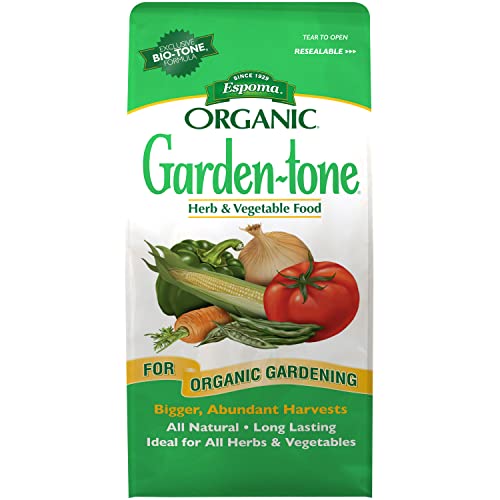
Garden-Tone is for vegetables and herbs, not turf. It is an organic 3-4-4 blend for beds and raised gardens. It feeds slowly and supports soil microbes in edible spaces. The 4 lb size suits home veggie plots.
Why include it? Many lawn owners also garden. If you want a one-brand organic plan, Garden-Tone covers the beds while Espoma All Season covers the lawn. Do not use this on the lawn. It is not tuned for turf nutrition.
Pros:
- Great for vegetables and herbs
- Organic and safe when used correctly
- Steady feeding with Bio-Tone microbes
- Good size for raised beds
- Pairs well with Espoma lawn foods
Cons:
- Not formulated for lawns
- Higher phosphorus may not suit turf regulations
- Small bag for large gardens
What Amazon Buyers Are Saying
Gardeners often praise plant vigor and taste quality in harvests. Many like the organic approach for edibles. Some note they need larger bags for bigger gardens. A few wish for faster effects in cool soil.
My Recommendation
Use Garden-Tone in your veggie beds. Keep it out of turf. If you run an Espoma-based yard and garden, this makes sense for a single-brand routine.
| Category | Rating |
|---|---|
| Vegetable Performance | 4.5/5 |
| Soil Microbe Support | 4.5/5 |
| Lawn Suitability | 1/5 |
| Ease of Use | 4/5 |
| Value for Gardeners | 4/5 |
| Overall Rating | 4.1/5 (for gardens, not lawns) |
How to Choose Miracle-Gro vs Espoma lawn fertilizer
Pick the fertilizer that fits your grass, your goals, and your values. The right choice depends on speed, soil health, safety, and timing. Here is how I help homeowners decide in a simple, clear way.
1. Match Release Speed to Your Goal
Want fast color for an event or listing photos? Go Miracle-Gro. It delivers quick nitrogen in a water-soluble form. You see a pop in days. Want steady nutrition and fewer growth spikes? Go Espoma. Its organic nitrogen feeds for weeks and builds the soil. In the Miracle-Gro vs Espoma lawn fertilizer question, this is the first fork in the road.
2. Align With Season and Grass Type
Cool-season lawns (fescue, bluegrass, rye) like fall and spring feeding most. Use Espoma All Season for steady fall build. Use Miracle-Gro for fast spring color. For new seed, use Turf-Tone Lawn Starter. Warm-season lawns (Bermuda, Zoysia, St. Augustine) like late spring and summer feeds. You can still use Espoma for organic steadiness. Add Miracle-Gro when you need a cosmetic bump during active growth.
3. Balance Safety, Sustainability, and Budget
If you have kids, pets, or frequent yard use, organic slow-release is a strong fit. Espoma supports soil life and lowers burn risk when used as directed. If you want the lowest cost per quick green, Miracle-Gro often wins. But remember it feeds fast and fades faster. A hybrid plan works too. Use Espoma for your base schedule. Then add Miracle-Gro for a quick pop when you want that “wow” green.
Final Verdict: Which Should You Buy?
For all-season, soil-first care, Espoma Organic All Season Lawn Food is my top pick. For a fast cosmetic green, Miracle-Gro Lawn Food delivers quick results.
Use Espoma for steady feeding and healthier turf. Add Miracle-Gro for quick boosts. That hybrid covers most Miracle-Gro vs Espoma lawn fertilizer needs.
FAQs Of Miracle-Gro vs Espoma lawn fertilizer
Is Miracle-Gro or Espoma better for quick green-up?
Miracle-Gro. It is water-soluble and acts fast during active growth.
Can I use Espoma Turf-Tone Weed Preventer when seeding?
No. Corn gluten meal prevents seed establishment. Apply only to established lawns.
Is Miracle-Gro safe for pets and kids?
Yes when used as directed. Keep off the lawn until it dries after watering in.
How often should I fertilize with Espoma lawn food?
Every 6–8 weeks during your lawn’s growing season works well for most yards.
Can I mix Miracle-Gro and Espoma in one program?
Yes. Use Espoma for base feed. Add Miracle-Gro for targeted quick color.