
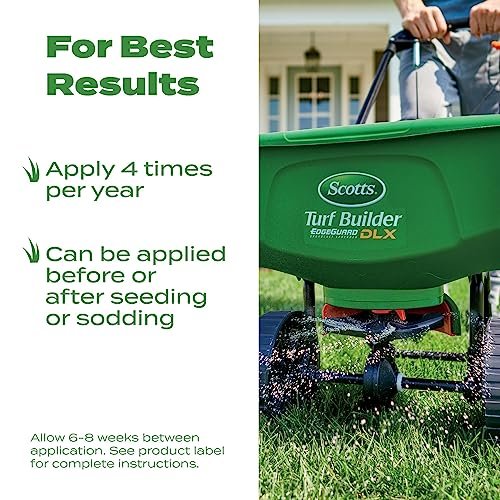
Scotts delivers fast green-up; Milorganite offers slow, safe, eco-friendly feeding.
You want a thick, green lawn without guesswork. But do you pick quick results or long-term soil health? That is the core of the Scotts vs Milorganite lawn fertilizer debate. I’ve tested both across seasons. I’ve also guided many homeowners to the right pick for their yard, pets, and local rules. In this review, I compare performance, safety, odor, and value. I also break down the best times to use each. If you want clear answers and real tips, you’re in the right place.
See the differences between my top picks at a glance.
| Product | Type | Release Speed | Burn Risk | Odor | Best Use |
|---|---|---|---|---|---|
| Scotts Turf Builder Lawn Food, 37.5 lbs | Synthetic, high-nitrogen | Fast | Moderate if misapplied | Low | Quick green-up and thicker lawn during active growth |
| Scotts Turf Builder Lawn Food, 12.5 lbs | Synthetic, high-nitrogen | Fast | Moderate if misapplied | Low | Small lawns or spot feeding with quick results |
| Scotts Natural Lawn Food (OMRI), 29.1 lbs | Organic-based (OMRI) | Slow to moderate | Low | Mild, earthy | Organic feeding any season; gentle, soil-friendly approach |
| Milorganite Fertilizer 6-4-0 | Organic biosolid | Slow | Very low | Noticeable earthy odor | Steady feeding, soil health, non-burning; iron for greening |
| Scotts WinterGuard Fall Lawn Food, 10 lbs | Synthetic, fall formula | Medium-fast | Moderate if misapplied | Low | Fall feeding to strengthen roots before winter |
Scotts Natural Lawn Food (OMRI), 29.1 lbs
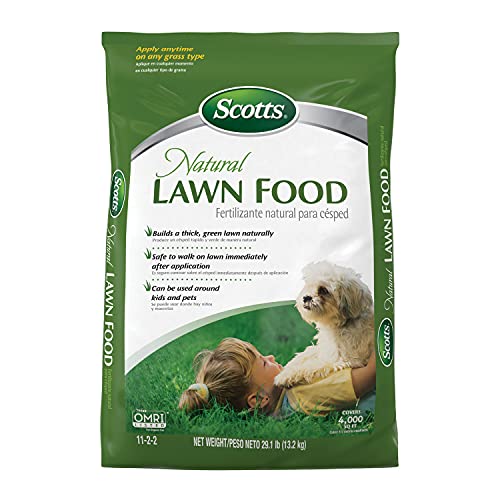
This OMRI-listed lawn food gives you organic feeding you can trust. It suits all grass types. You can apply it in any season. It releases nutrients at a steady rate. That helps avoid surge growth and burning. It is a smart pick if you want a kid- and pet-conscious option with a gentle nutrient curve.
I like this for lawns that need steady color and soil-friendly inputs. The formula supports microbial life. That can improve soil over time. Results come in slower than fast synthetic blends. But the color holds well and grows more even as the weeks pass.
Pros:
- OMRI-listed for organic use
- Low burn risk, even in warm weather
- Good for soil microbes and structure
- Works on any grass type and any season
- Gentle, steady release avoids surge growth
- Kid- and pet-conscious when used as directed
Cons:
- Slower green-up than synthetic formulas
- Mild earthy odor after application
- Cost per 1,000 sq. ft. can be higher
What Amazon Buyers Are Saying
Buyers often praise the steady, safe feeding and organic listing. They like that it is less likely to burn. Some report a slower color change compared to fast synthetic blends. A few note a mild organic smell after spreading, which fades with watering. Many call it a “set-and-forget” option for simple maintenance.
My Recommendation
Choose this if you value organic inputs and gentle feeding. It is great for families, pets, and soil health. It will not win a speed race, but it delivers even, durable color with low risk.
| Category | Rating |
|---|---|
| Soil Health Support | 4.7/5 |
| Speed of Results | 3.8/5 |
| Non-Burn Safety | 4.8/5 |
| Odor Control | 4.2/5 |
| Value per 1,000 sq. ft. | 4.0/5 |
| Overall Rating | 4.3/5 |
Scotts Turf Builder Lawn Food, 37.5 lbs
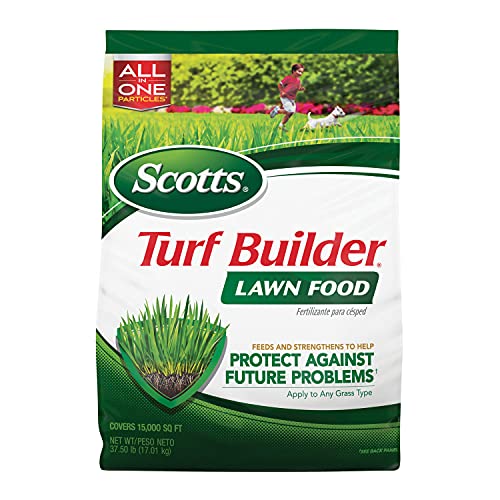
This is the classic fast-acting lawn food many homeowners use. It pushes quick color and thicker growth when grass is active. It is simple to spread with a broadcast spreader. It pairs well with a regular feeding plan. If you need fast green-up before guests arrive, this can deliver.
Because it is a synthetic blend, you must respect the label rate. Over-application can burn. Water it in after spreading for best results. I like it in spring and early summer for cool-season grass. Warm-season lawns also respond well when they are fully awake.
Pros:
- Very fast green-up under active growth
- Helps thicken turf and fill thin spots
- Easy to apply with standard spreaders
- Consistent granule size for even coverage
- Strong value for large lawns
- Reliable brand support and instructions
Cons:
- Can burn if over-applied or not watered in
- Not organic; may not suit eco-focused buyers
- May increase mowing due to growth surge
What Amazon Buyers Are Saying
Most praise the quick color boost and ease of use. Many say the lawn looks fuller within a short time. Some report clumping in high humidity if the bag is left open. A few note shipping issues like small tears that spill granules. The main theme is strong results with proper watering.
My Recommendation
Use this when you want speed. It is great for visible results on a deadline. Follow the label. Water after application. For many lawns, it is the workhorse feed for the growing season.
| Category | Rating |
|---|---|
| Speed of Green-Up | 4.8/5 |
| Thickening/Recovery | 4.6/5 |
| Ease of Application | 4.6/5 |
| Safety Margin | 3.8/5 |
| Value for Money | 4.5/5 |
| Overall Rating | 4.5/5 |
Milorganite Fertilizer 6-4-0

Milorganite is a slow-release, organic biosolid fertilizer with iron. It feeds steadily and builds soil over time. It is famous for not burning the lawn. It works across grass types in warm and cool regions. The iron content promotes deep green color without pushing too much growth.
It does have an earthy odor. That is normal for biosolids. Water after spreading to reduce smell. Keep bags sealed and store dry. Some dogs may show interest due to the scent. Plan to supervise pets until granules are watered in and settled.
Pros:
- Slow-release, low burn risk
- Contains iron for rich green color
- Helps improve soil organic matter
- Flexible timing across the growing season
- Gentle on stressed or heat-prone lawns
- Great for steady feeding that lasts
Cons:
- Noticeable earthy odor at application
- Slower results, especially in cool soil
- Check local rules on phosphorus use
What Amazon Buyers Are Saying
Shoppers often praise the safe, steady feeding and a greener look with fewer mow spikes. The non-burning nature is a common highlight. Complaints usually focus on the smell in warm weather. A few mention dog attraction to the scent. Many consider it a dependable base feed for most of the year.
My Recommendation
If you want low risk, steady feeding, and better soil, pick Milorganite. It is perfect for patient lawn care and families with pets. Use it as your core feed. Add a fast formula only when you need instant color.
| Category | Rating |
|---|---|
| Soil Improvement | 4.8/5 |
| Greening (Iron Response) | 4.5/5 |
| Burn Safety | 5.0/5 |
| Odor Management | 3.6/5 |
| Long-Lasting Feeding | 4.6/5 |
| Overall Rating | 4.4/5 |
Scotts Turf Builder Lawn Food, 12.5 lbs

This is the same fast-acting Turf Builder approach in a smaller bag. It is convenient for townhomes, small yards, or touch-ups. The compact size stores well on a shelf. The results mirror the larger bag. Expect quick green-up when grass is growing strong.
If you have a tight space, this size makes life easy. You use what you need and avoid half-open bags. Spread evenly and water after application. Respect the label rate to avoid burning. It is a simple way to boost small lawns fast.
Pros:
- Fast color response in a compact size
- Ideal for small lawns or partial sections
- Easy to carry and store
- Consistent granules for even coverage
- Great for quick pre-event touch-ups
Cons:
- Not organic
- Can burn if misapplied
- Cost per pound can be higher than big bags
What Amazon Buyers Are Saying
Customers like the handy size and fast results. Many mention that it fits small spreader hoppers well. Some note that the bag can run out fast on larger lots. A few warn to keep the bag sealed to avoid humidity clumps. Overall, buyers say it is simple and effective.
My Recommendation
If your lawn is small, this is a smart buy. It gives you the speed of Turf Builder without waste. It is my top pick for balconies, courtyards, or tight storage spaces.
| Category | Rating |
|---|---|
| Speed of Results | 4.7/5 |
| Convenience/Storage | 4.8/5 |
| Coverage Efficiency | 4.1/5 |
| Safety Margin | 3.8/5 |
| Overall Value | 4.3/5 |
| Overall Rating | 4.3/5 |
Scotts WinterGuard Fall Lawn Food, 10 lbs
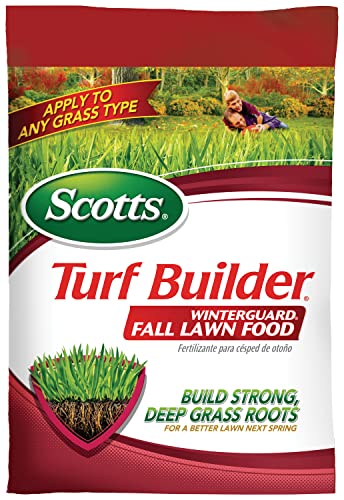
WinterGuard targets fall feeding for strong roots and spring green-up. It supports recovery from summer stress. It helps prepare cool-season lawns for cold weather. It is a smart seasonal tool for northern lawns. Apply in early to mid-fall while the lawn is still growing.
I like to pair it with a spring feed. That gives a full-season cycle. Follow label rates and water in. This product is about root strength and storage. The payoff shows in a thicker, green spring lawn.
Pros:
- Designed for fall timing and root strength
- Helps recovery after summer heat
- Supports early spring green-up next season
- Easy to spread and water in
- Fits logical seasonal programs
Cons:
- Season-specific; not a year-round formula
- Can burn if misapplied
- Not organic
What Amazon Buyers Are Saying
Buyers report better spring color when they feed with WinterGuard in fall. Many see improved density after winter. Some warn against late applications on warm-season grasses. A few mention the need to water in well. The theme is strong seasonal performance when timed right.
My Recommendation
If you live in a cool-season zone, add WinterGuard in fall. It supports roots and builds reserves for winter. It pays off with a stronger start the next spring.
| Category | Rating |
|---|---|
| Fall Performance | 4.7/5 |
| Root Strengthening | 4.6/5 |
| Ease of Use | 4.5/5 |
| Safety Margin | 3.9/5 |
| Seasonal Value | 4.5/5 |
| Overall Rating | 4.4/5 |
How to Choose Scotts vs Milorganite Lawn Fertilizer
Picking between Scotts vs Milorganite lawn fertilizer comes down to goals, timing, and tolerance. Think about how fast you want results. Consider kids and pets. Check local rules. Then match the product to your grass type and season. Here is how I guide homeowners to the right pick.
1. Choose Your Release Speed and Season
Fast results are great for events, stains, or thin spots. For that, pick Scotts Turf Builder. It greens up fast when grass is active. It also helps lawns thicken after stress. If you want a gentle feed across hot months, go slow-release. Milorganite and Scotts Natural Lawn Food shine here. They feed steady with low burn risk. In fall, a targeted feed like Scotts WinterGuard helps root growth before winter.
2. Factor in Kids, Pets, and Local Rules
If you have kids and pets, slow-release organics feel safer. Milorganite and Scotts Natural Lawn Food are good matches. Always water after spreading and follow label directions. If you live in an area with phosphorus rules, check labels and local guidance before purchase. Keep dogs off fresh Milorganite until you water it in. The scent can attract curious noses.
3. Balance Greening Power, Soil Health, and Budget
For instant green, Scotts Turf Builder delivers strong visual change. It often costs less per 1,000 sq. ft. Milorganite and Scotts Natural improve soil and color over time. They need patience. They shine for steady, even growth. Many lawns do best with a blended plan. Use Milorganite or Scotts Natural as a base. Add a fast Scotts feed only when you need quick green-up.
Final Verdict: Which Should You Buy?
For fast results and thickening, choose Scotts Turf Builder. For safe, steady feeding and soil health, choose Milorganite. For organic certification, choose Scotts Natural Lawn Food. For fall, pick WinterGuard.
The best Scotts vs Milorganite lawn fertilizer plan often blends both. Use Milorganite or Scotts Natural most of the season. Use Scotts Turf Builder or WinterGuard when timing needs speed or fall strength.
FAQs Of Scotts vs Milorganite lawn fertilizer
Is Milorganite safe for kids and pets?
Yes, when used as directed. Apply and water it in. Keep pets from eating granules. Supervise until the lawn dries.
Can I alternate Scotts and Milorganite?
Yes. Many homeowners alternate feedings. Space applications. Follow label rates. Do not stack nitrogen too close together.
Which is better for spring and which for fall?
In spring, Scotts Turf Builder gives fast green-up. In fall, Scotts WinterGuard supports roots. Milorganite works well across the season.
Will Milorganite burn my lawn?
It has a very low burn risk. It is slow-release. Follow label rates and water in.
Which is best for warm-season vs cool-season grasses?
Both work for all grass types. Time feedings to the active growth period. Avoid heavy nitrogen right before dormancy.
Can I apply before rain?
A light rain helps water-in fertilizer. Heavy storms risk runoff. If a downpour is coming, wait for a calmer window.