
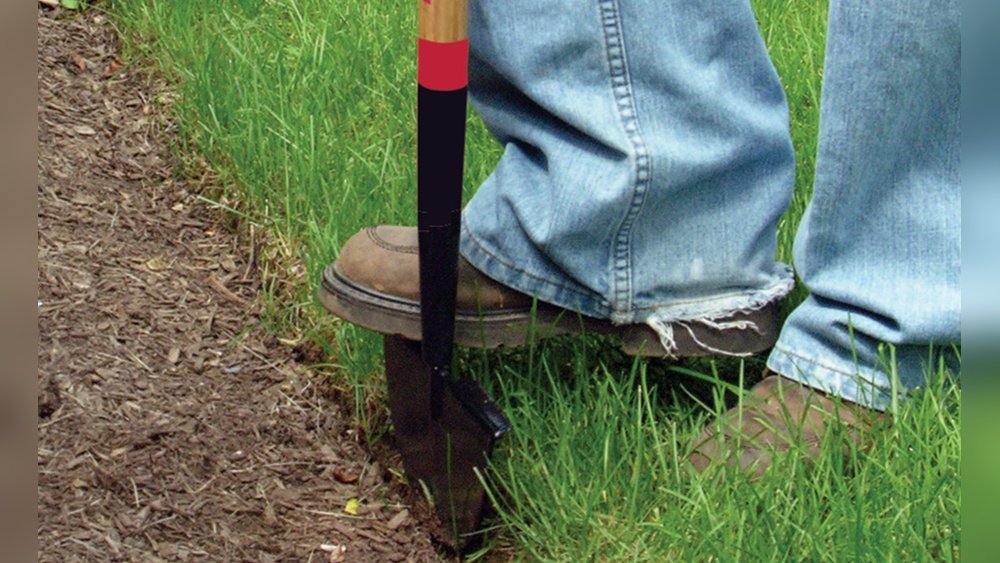
Do you want your lawn to look sharp, neat, and professionally maintained? One simple tool can make a huge difference: a lawn edger.
Using a lawn edger to create straight edges instantly transforms your yard, giving it that clean, polished look that turns heads. But if you’re unsure how to get those perfectly straight lines without frustration, you’re in the right place. You’ll discover easy, step-by-step tips to master your lawn edger and achieve flawless edges every time.
Get ready to boost your curb appeal and enjoy a lawn that looks expertly trimmed and inviting. Keep reading to unlock the secrets of perfect lawn edging!
Choosing The Right Lawn Edger
Choosing the right lawn edger is key to creating clean, straight edges in your yard. The perfect tool makes your work easier and improves your lawn’s appearance. Understanding the types of lawn edgers and their features helps you pick the best one for your needs. Consider your yard size and personal preferences before deciding.
Types Of Lawn Edgers
Lawn edgers come in several types. Manual edgers are simple tools with a blade and handle. They require physical effort but give you control. Powered edgers use gas or electricity to spin the blade. They cut faster and handle tougher edges. Some powered models are walk-behind, while others are handheld.
Manual Vs. Powered Edgers
Manual edgers are lightweight and quiet. They suit small yards or light edging. They need more effort and time. Powered edgers reduce work and speed up the job. Gas models offer more power but need fuel and maintenance. Electric or battery-powered edgers are lighter and easier to start. Choose based on your comfort with tools and yard size.
Selecting Based On Yard Size
Small yards work well with manual or battery edgers. They are easy to store and use. Medium to large yards benefit from gas-powered or walk-behind edgers. These tools handle long edges quickly and efficiently. Think about the shape of your lawn too. Complex edges may require a more precise tool. Match your edger to the size and shape of your yard for best results.
Credit: www.rhs.org.uk
Preparing Your Lawn For Edging
Preparing your lawn before using a lawn edger is key to getting clean, straight edges. It makes the edging process smoother and keeps your yard safe. A good start helps the edger work better and saves time.
Clearing Debris And Obstacles
Remove leaves, sticks, and stones from the lawn edges. Clear away any garden tools, toys, or pots nearby. Debris can block the edger or cause damage. Keep the work area clean for easy movement and precise edging.
Marking Edging Lines
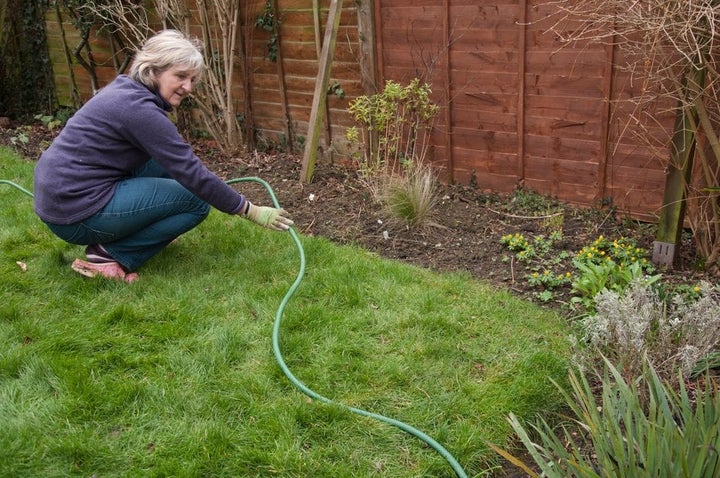
Use string or a garden hose to mark straight lines along the lawn edge. This acts as a guide for the edger. Check that the lines are tight and even before cutting. Marking helps create sharp, consistent edges around walkways and flower beds.
Safety Gear Essentials
Wear safety glasses to protect your eyes from flying debris. Use gloves to shield your hands from cuts and blisters. Wear long pants and closed-toe shoes to protect your legs and feet. Safety gear keeps you safe while working with the lawn edger.
Techniques For Straight Edges
Creating straight edges with a lawn edger takes practice and the right techniques. Straight edges give your lawn a clean, polished look. These techniques help you achieve that perfect line every time. Follow these simple steps to improve your edging skills.
Using A String Line For Guidance
Start by placing a string line along the edge you want to cut. Tie the string tightly between two stakes. This string acts as a visual guide. It helps keep your edger moving straight. Keep the string low, just above the grass level. This way, you can see the line clearly while edging.
Proper Edger Handling And Posture
Hold the edger firmly with both hands. Keep your back straight and knees slightly bent. Stand beside the string line, not on it. Position the edger blade near the string but do not touch it. This helps avoid cutting the string. Use smooth, controlled movements for a clean cut.
Maintaining A Steady Pace
Move the edger slowly and evenly along the string line. Avoid rushing or stopping suddenly. A steady pace lets the blade cut through grass and soil smoothly. Stop and clear debris from the blade if needed. Consistent speed ensures a sharp, straight edge.
Edging Around Obstacles
Edging around obstacles requires care and precision to keep your lawn looking neat. Obstacles like curves, trees, and garden beds need special attention. Using a lawn edger properly will help maintain clean lines without harming your plants or fixtures. Focus on control and steady movements for the best results.
Navigating Curves And Corners
Take your time when edging curves and corners. Move the edger slowly to follow the shape of the lawn. Use short, gentle pushes instead of forcing the blade. This method keeps edges smooth and prevents uneven cuts. For tight corners, adjust your angle carefully to avoid cutting too deep.
Edging Near Trees And Garden Beds
Be cautious around trees and garden beds. Keep the edger blade a few inches away from roots and plants. This prevents damage to roots and stops soil from being disturbed. Use a smaller blade or hand tool for tight spaces. Always work with a light touch to protect your garden.
Avoiding Damage To Fixtures
Fixtures like sprinkler heads, lights, and fences need protection while edging. Maintain a safe distance to avoid nicking or breaking them. If needed, mark the area with stakes or flags before starting. This reminder helps you stay clear and prevents costly repairs. Slow, controlled movements reduce the risk of accidents.
Common Edging Mistakes To Avoid
Creating sharp, straight edges with a lawn edger takes practice and care. Many beginners make common mistakes that affect the final look. Avoiding these errors helps keep your lawn clean and tidy.
Understanding these mistakes improves your edging skills. Focus on proper technique and equipment settings for the best results.
Incorrect Depth Settings
Setting the edger too deep can cut into the soil excessively. It may damage grass roots and harm your lawn’s health. Too shallow, and the edges won’t be clean or defined. Adjust the blade depth to cut just below the grass line for sharp edges.
Uneven Pressure Application
Pressing too hard in some areas causes uneven edges. Light pressure can leave rough and patchy lines. Maintain consistent pressure along the edge. This control ensures smooth, straight cuts and reduces the chance of damaging the blade or lawn.
Neglecting Regular Maintenance
Ignoring blade sharpening makes cutting harder and less precise. Dull blades tear grass instead of slicing it cleanly. Check your edger before each use. Clean debris and sharpen the blade regularly to keep the tool effective and safe.
Maintaining Your Lawn Edger
Maintaining your lawn edger keeps it working well and extends its life. Regular care helps you create sharp, straight edges every time. Simple steps after each use prevent rust and damage. Proper maintenance saves money and effort in the long run.
Cleaning After Use
Remove grass clippings and dirt from the blade. Use a brush or cloth to clean hard-to-reach spots. Avoid water on the motor or electrical parts. Dry the edger thoroughly to stop rust from forming. A clean tool cuts better and lasts longer.
Blade Sharpening Tips
Check the blade for dullness before each use. Use a metal file or sharpening stone to sharpen the blade. Follow the blade’s original angle for best results. Wear gloves and safety glasses during sharpening. A sharp blade creates crisp, straight edges easily.
Storage Recommendations
Store the lawn edger in a dry, cool place. Keep it off the ground to avoid moisture damage. Cover the blade with a protective sheath or cloth. Disconnect the power source if it is electric. Proper storage prevents rust and keeps the edger ready for use.
Enhancing Edges For A Finished Look
Creating sharp, clean edges with a lawn edger gives your yard a neat, polished look. Enhancing these edges further adds to your lawn’s curb appeal and helps keep the boundaries clear. Simple steps after edging improve the overall appearance and protect your lawn’s borders.
Adding Mulch Or Pine Needles
Spread mulch or pine needles along the edge for a tidy finish. This layer helps stop weeds and keeps soil moist. Choose colors that complement your plants and lawn. Keep the mulch thickness even to avoid smothering plants. Mulch also softens hard edges, blending the lawn with garden beds.
Touching Up With String Trimmers
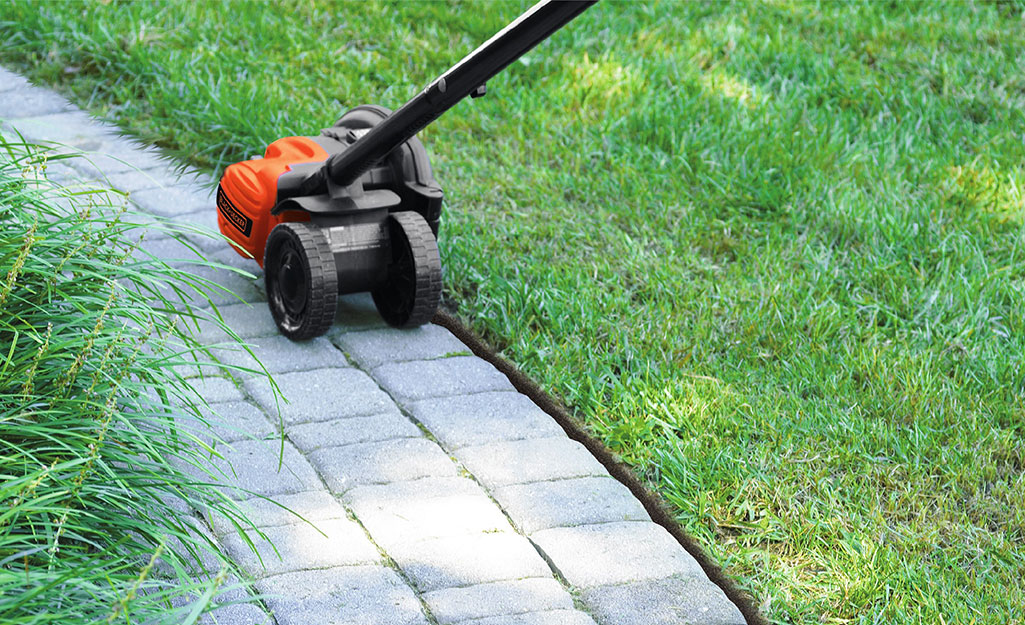
Use a string trimmer to clean spots the edger misses. Hold the trimmer upright to avoid cutting too deep. Trim grass that grows over edges to keep lines sharp. Move slowly for a precise cut and avoid damaging plants. Regular touch-ups maintain a crisp boundary between lawn and garden.
Seasonal Edge Maintenance
Check your edges each season to keep them looking fresh. In spring, clear debris and reshape edges as grass grows fast. Summer needs more frequent trimming to control overgrowth. Fall is perfect for adding fresh mulch and clearing dead leaves. Winter requires minimal care but check for damage after storms.
Credit: www.homedepot.com

Credit: www.youtube.com
Frequently Asked Questions
How To Get Lawn Edging Straight?
Use a string line as a guide along the edge. Move the edger slowly and steadily. Keep the blade vertical and follow the string for a straight cut.
What Are Common Mistakes When Edging?
Common edging mistakes include choosing wrong materials, installing at incorrect depths, rushing the process, ignoring curves, and not maintaining a steady pace.
How To Edge A Lawn With An Edger?
Start at one lawn edge and guide the edger slowly along the perimeter. Keep the blade steady and vertical. Maintain a consistent pace for clean, straight lines. Clear debris frequently to avoid clogging. Repeat around curves and corners for a sharp, professional finish.
How To Make A Straight Line Edging?
Use a string or garden hose to mark a straight line. Then, run the edger slowly along the guide, keeping it steady and upright.
Conclusion
Creating straight lawn edges with a lawn edger takes practice and patience. Use a guide like string to keep your lines even. Move slowly and steadily for the best results. Regular edging keeps your lawn neat and tidy. With these simple steps, your yard will look well cared for.
Enjoy the clean, sharp edges that make your lawn stand out. Keep practicing to improve your technique over time. A well-edged lawn adds beauty and value to your home.